Anyone who has spent a summer at a beach in New Jersey or California might assume a stretch of sand works the same everywhere. Europe has other ideas. From smoking bans that now stretch across entire coastlines to private companies renting out slices of “public” shoreline, the rules governing European beaches in 2026 can catch first-time visitors completely off guard.
Some of these regulations exist to protect fragile ecosystems, others to calm rowdy nightlife districts, and a few simply reflect decades-old cultural norms that never quite made it across the Atlantic. Knowing them before you unroll a towel could save you a fine, an awkward confrontation, or just a lot of confusion.
Spain’s Sweeping Push Toward Smoke-Free Sand
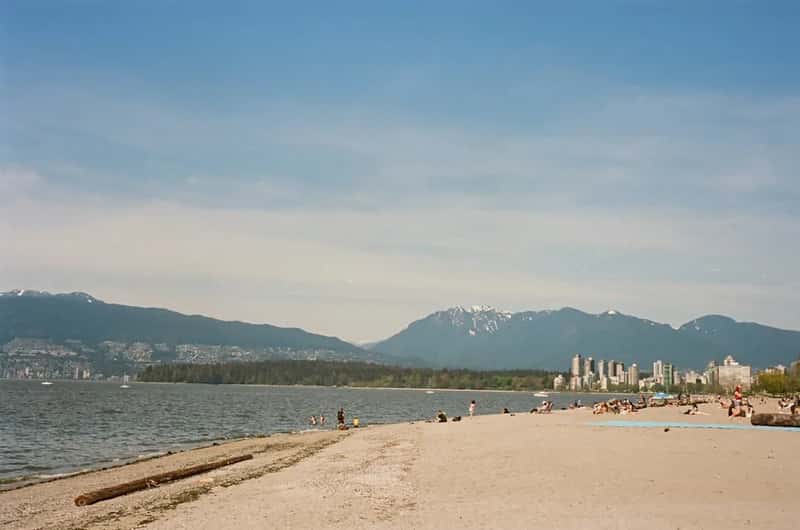
Spain has been steadily turning its coastline into one of the most heavily regulated smoking environments in Europe. Over 600 smoke-free beaches exist in Spain as of 2025, with regions enforcing bans including Galicia, Andalusia, the Balearic Islands, Murcia, Asturias, and the Canary Islands. That trend has only accelerated, with popular spots in Mallorca and Ibiza joining the list following successful pilot programs.
The penalties are not symbolic either. Smoking or vaping outside of designated zones on these beaches could cost visitors €30 to €2,000, depending on local rules and repeat offences. Meanwhile, national lawmakers have proposed going even further, with a draft law that would extend restrictions to outdoor places, including beaches, parks, public gardens, outside schools, bus stops and sports venues, though the legislation as drafted excludes cafe and bar terraces and electronic cigarettes from its restrictions. Whatever the final shape of that national bill, the message for American travelers is clear: check for “Prohibido Fumar” signage before lighting up on Spanish sand.
Italy’s Pay-to-Sunbathe Beach Club Culture
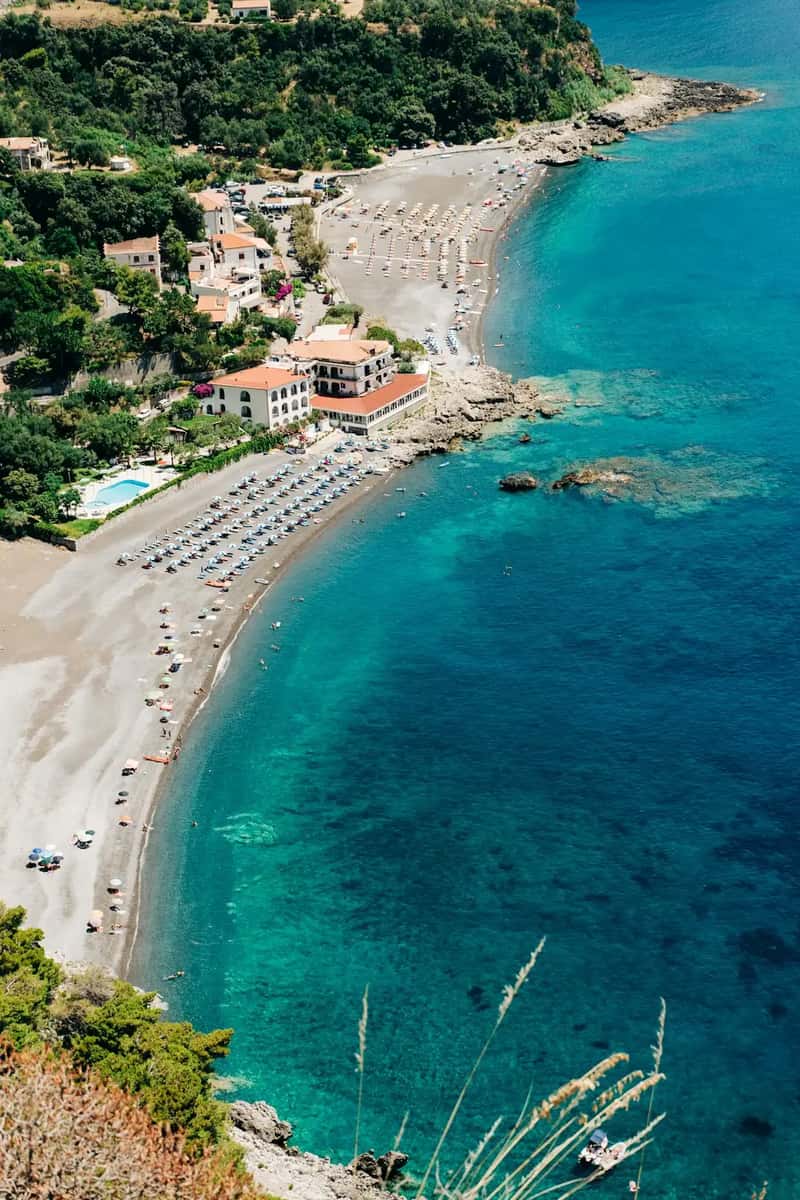
Nothing surprises American visitors quite like discovering that much of Italy’s coastline isn’t a free-for-all. Over half of Italy’s coastline is now managed by private beach clubs, and in some regions, especially along the popular Tuscan and Adriatic coasts, the percentage is much higher. In towns like Forte dei Marmi, nearly the entire shoreline belongs to these operations, known as stabilimenti balneari.
Renting a spot isn’t cheap either. Expect to pay roughly 15 to 25 euros for a sun lounger and 20 to 40 euros for an umbrella plus two loungers for the day. Free public beaches, called spiagge libere, do exist by law, and a five-meter strip along the waterline must remain freely accessible on all Italian beaches, even in front of private concessions, though enforcement varies wildly from town to town. The system has become so contentious that beach operators staged protests in 2024 over new licensing reforms tied to EU competition law, a dispute that is still reshaping how Italy manages its shoreline heading into the 2026 season.
Greece’s Crackdown on Sunbed Sprawl
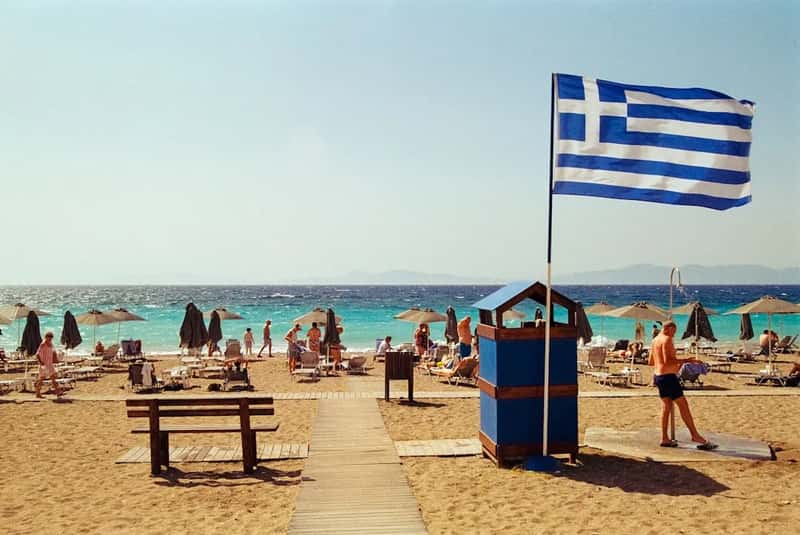
Greece passed sweeping legislation in 2024 aimed at reclaiming its beaches from wall-to-wall umbrella rows. Under the new rules, in protected areas, 85 percent of beach space needs to be clear of sunbeds, and a minimum distance of four meters between sunbeds and the shoreline is enforced to ensure easy access to the water. On ordinary beaches, the limit is looser but still meaningful, since the law also states that at least half of the beaches remain open to the public rather than being swallowed by rental umbrellas and bars.
Greece has also designated a growing list of protected coves as entirely off-limits to commercial development. By 2026, the number of Untrodden Beaches has risen to 251, locations where the installation of sunbeds, umbrellas or any construction is strictly banned to protect fragile dunes and habitats. Enforcement now includes drones and satellite monitoring, and fines for obstructing the public’s free access range from 2,000 to 60,000 euros, a signal that Athens is serious about the crackdown. For American travelers, this mostly means good news: more open sand and less pressure to rent a lounger just to sit down.
The Balearic Islands’ Alcohol Crackdown
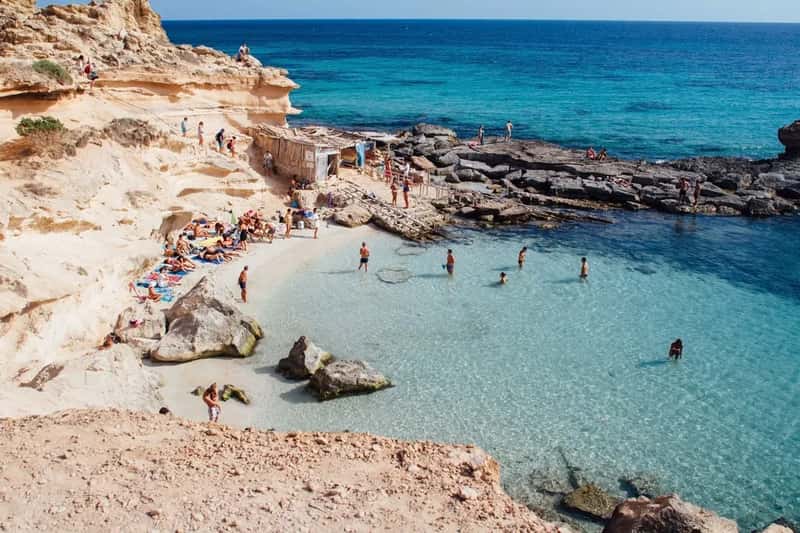
If Ibiza or Mallorca are on your itinerary, know that the party scene has changed considerably since 2024. Local authorities barred holidaymakers from buying alcohol in shops between 9:30pm and 8am in resort areas like Magaluf, Palma, Llucmajor and Sant Antoni, with the measure part of modifications to a 2020 decree designed to curb excess tourism. The restriction applies only to shops, so bars, restaurants and clubs still serve normally during their hours.
Street drinking is now off-limits too. Drinking in the streets in tourist hotspots on Ibiza and Mallorca, with an exception for terraces and other licensed areas, is prohibited, and violators face real financial consequences. Holidaymakers are prohibited from drinking alcohol on streets and beaches, with penalties ranging from 750 to 3,000 euros for those caught flouting the regulations. Even all-inclusive resorts are affected, since guests at certain properties are limited to six alcoholic drinks per day as part of their package, split between meals rather than consumed freely throughout the day.
France’s Topless Norms and Its Surprising Town Rules
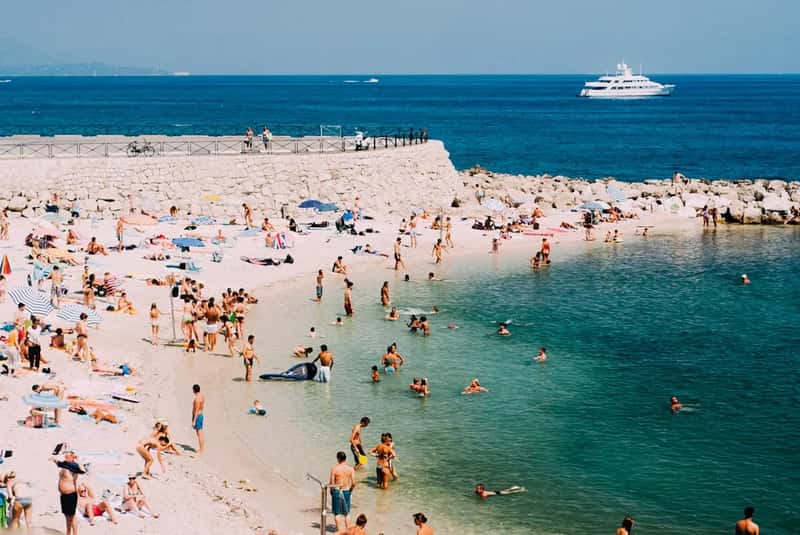
France has a reputation for relaxed beach culture, and much of that holds true. For women, going topless is generally okay on the beach, although municipalities may have their own local rules. Complete nudity is a different matter entirely, since Article 222-32 of France’s Criminal Procedure Code stipulates that sexual exhibitionism taking place within view of others in an accessible public place is punishable by one year’s imprisonment and a 15,000 euro fine, meaning full nudity outside designated naturist beaches can carry serious legal risk.
What genuinely surprises American visitors is what happens once you leave the sand. Several French seaside towns have introduced fines for wandering around in swimwear or shirtless once you’re back in the town center. Narbonne, on the south coast, introduced a 150 euro fine for being topless, wearing swimwear or walking in bare feet in the town centre. Other coastal towns, including Les Sables d’Olonne, have adopted similar rules since 2024. The etiquette is simple, even if it isn’t intuitive to visitors from American beach towns: cover up before grabbing lunch off the beach.
Spain’s Nighttime Swimming Curfews
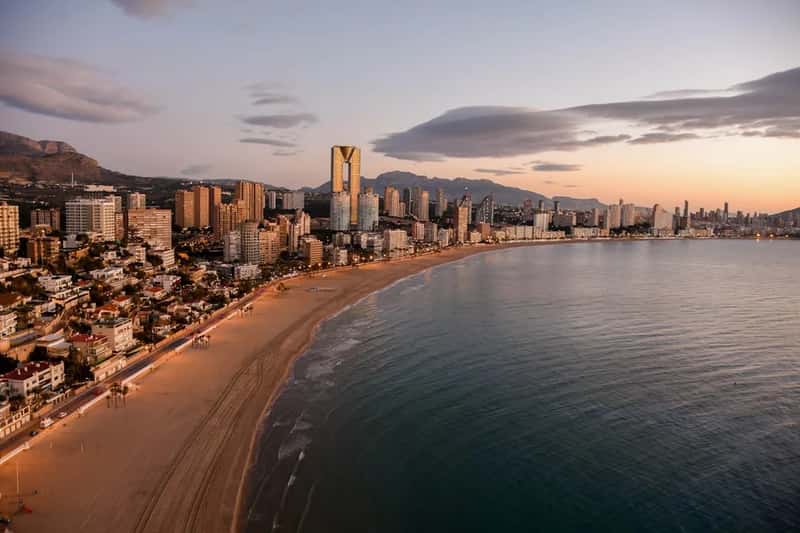
Few American travelers expect a beach to have closing hours, but several Spanish coastal towns enforce exactly that. In Benidorm, one of the country’s most visited resort destinations, tourists have been warned about a rule that bans them from swimming in the sea at certain hours, with anyone entering the beach between midnight and 7am facing a fine between 750 and 1,200 euros.
The restriction is generally framed as a safety measure, since lifeguards and emergency services aren’t stationed on beaches overnight, making late-night swims genuinely dangerous rather than merely against the rules. Local ordinances like this vary by municipality, so what applies in Benidorm may not apply in a neighboring town, which is exactly why checking posted signage on arrival matters more in Spain than it would back home.
The Fine Print: Noise, Barbecues, Drones and Beach Gear
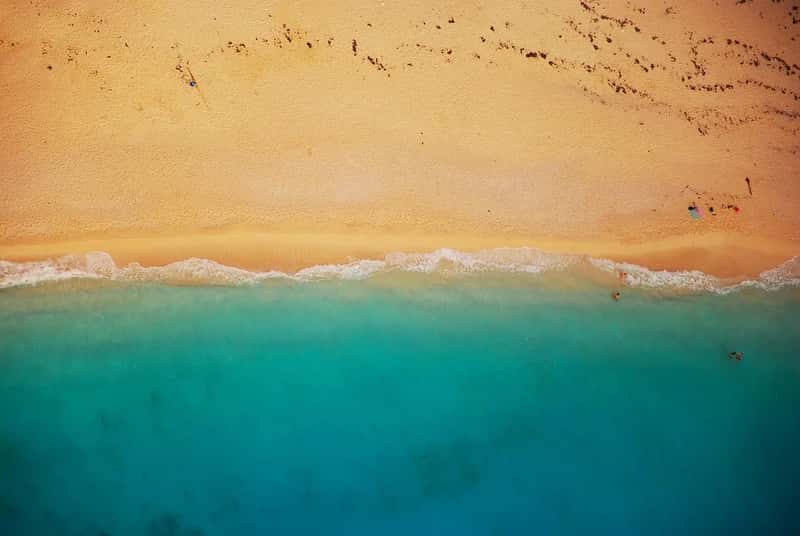
Spain’s beach bylaws extend well beyond smoking and swimming hours, covering a surprising range of everyday habits. Grilling food on the sand, for instance, is heavily restricted, since lighting a barbecue without authorisation can lead to massive fines, and in Salobreña, Granada, fines can reach 3,000 euros. Music and noise are regulated too, with loudspeakers or musical instruments incurring fines of up to 300 euros in some towns, and disturbing beachgoers during rest hours potentially resulting in penalties up to 900 euros.
Even the equipment you bring can land you in trouble. Inflatables, large umbrellas, tents, and personal sunbeds may be banned or restricted depending on the municipality, and in Barcelona and the Balearics, unauthorised sunbed rentals or large personal setups in crowded areas can be fined up to 1,500 euros. Drone footage for social media isn’t exempt from oversight either, since many coastal towns require authorisation for filming, including influencer content, or flying drones, and unauthorized commercial content or drone flights near people can result in fines starting from 601 euros under Spain’s drone laws.
Nudity and Sunbathing Rules Vary Far More Than You’d Expect

Italy takes a notably different legal approach to nudity than its neighbors, since there is no single national rule governing it. Full nudity is regulated by local municipal ordinances rather than a single national law, meaning the rules change by municipality and sometimes by specific beach. Generally speaking, topless sunbathing for women is legally tolerated in most Italian regions and is common on many beaches, particularly in Sardinia, Sicily and the south, but the same behavior in an urban beach setting near residential areas can trigger a different response entirely.
Full nudity outside designated zones carries real consequences almost everywhere in Southern Europe. In Italy, it can result in fines of 100 to 300 euros under the provision against acts contrary to public decency in urban beach settings and near residential areas. France, by contrast, has built an entire cultural infrastructure around it, since nudist beaches are split into those recognised by local authorities through a prefectoral permit and those that have simply become nudist because so many nudists use them. The safest approach anywhere in Europe is the same: assume clothing is required until signage or clear local custom tells you otherwise.
Why It Pays to Check Before You Pack Your Towel
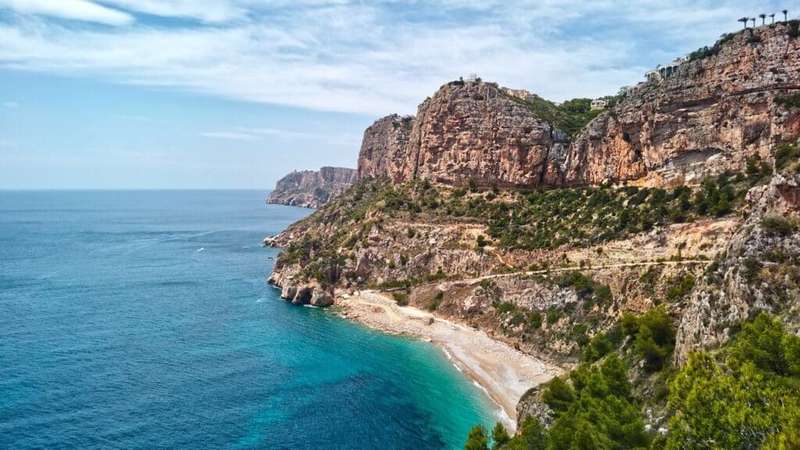
Taken together, these rules reveal something important about European beach culture in 2026: it is far more locally governed than most Americans expect. A rule that applies on one stretch of sand in Mallorca might not exist twenty minutes down the coast, and a fine that seems shockingly high in Spain might be entirely absent in neighboring Portugal. The safest habit any traveler can build is a simple one, look for posted signage the moment you arrive, and when in doubt, ask a lifeguard or beach attendant rather than guessing.
None of this should discourage anyone from booking a European beach vacation this summer. If anything, understanding these quirks in advance turns potential embarrassment into genuine cultural insight, the kind that makes a trip memorable for the right reasons. Pack sunscreen, pack patience, and pack a little curiosity about how the rest of the world does beach days differently than we do.