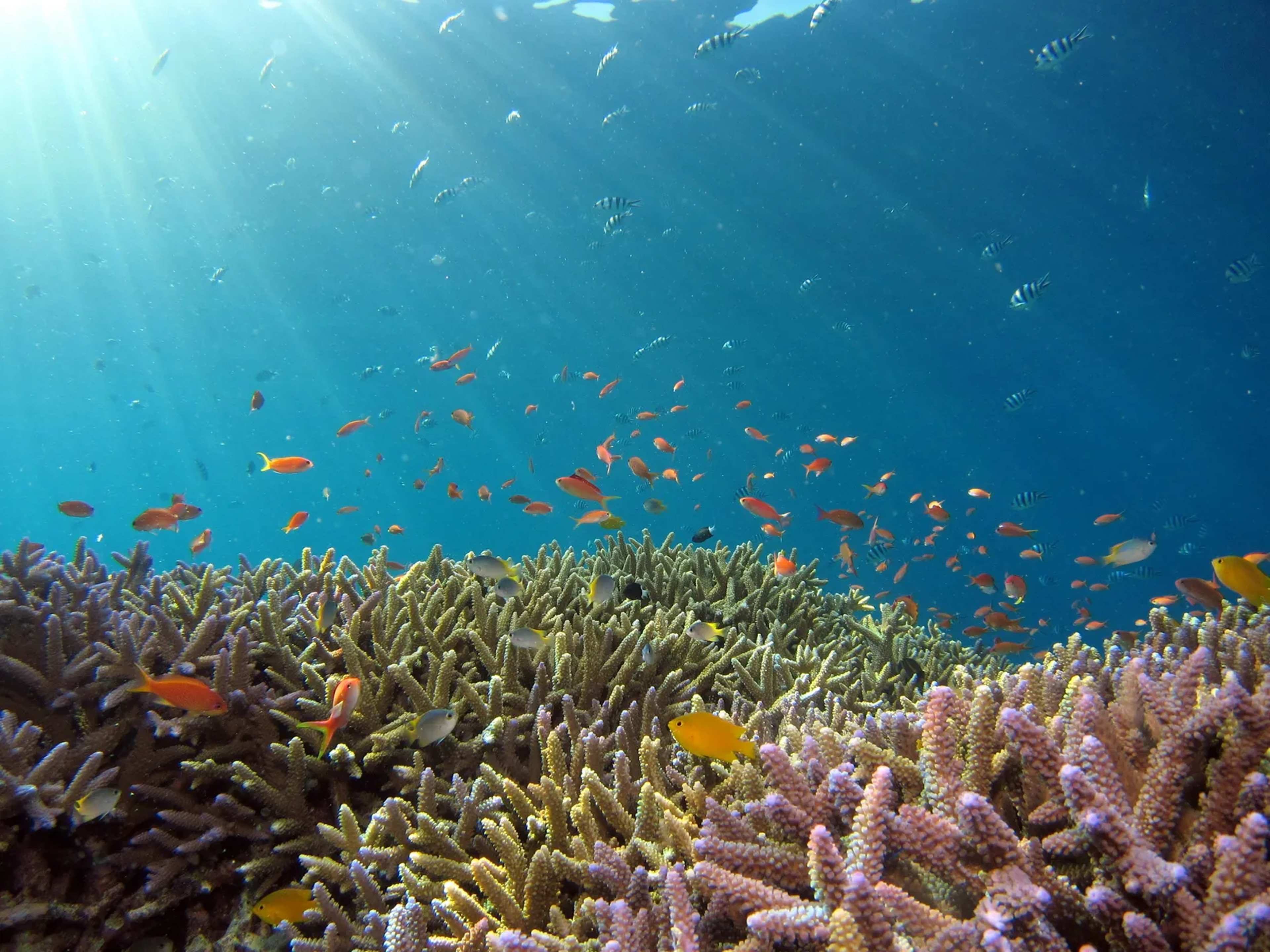
Maui – an island in Hawaii’s remote archipelago – is far from the world’s most industrialized coastlines. Still, a new analysis shows that corals there have absorbed traces of everyday human products and runoff directly into their tissues. The findings, published in July in Nature Communications, suggest that coral metabolomes could serve as a longer-term archive of local pollution than water samples alone. ([1])
Corals as living archives
Researchers examined coral tissue from multiple reef sites around Maui. They detected 25 different contaminants linked to cosmetics, pharmaceuticals, and agricultural sources. Levels were consistently higher at locations closer to human activity, even though Maui’s reefs are not considered heavily developed by global standards.
Unlike a single water sample that captures conditions at one moment, coral tissue integrates exposure over time. The corals cannot swim away from stressors, so the molecules that accumulate inside them reflect the cumulative pressure on each site.
Metabolomics offers a new lens
The team focused on the metabolome – the set of small molecules such as sugars, lipids, and amino acids inside the coral. This approach differs from traditional genetic or protein studies because it reveals how the organism is actually responding to its environment at a biochemical level.
By mapping these changes across sites, the scientists could distinguish reefs experiencing greater human influence from those that remain more isolated. The method is among the first to apply metabolomics directly to wild corals for this purpose.
Why the distinction matters
Coral reefs worldwide face multiple threats, yet local pollution remains one of the few stressors that coastal managers can address directly. A tool that records chronic exposure could help prioritize which reefs need the most immediate attention.
Lead author Zachary Quinlan noted that the technique may allow researchers to evaluate the scale of human impact at different locations more precisely than snapshot sampling permits.
Next steps and remaining questions
Further work is needed to determine how widely the method can be applied beyond Maui and which specific contaminants drive the strongest metabolic signals. Seasonal changes, water temperature, and other natural variables could also influence the results.
If validated across more regions, coral-tissue metabolomics could complement existing monitoring programs rather than replace them. The approach adds a time-integrated perspective that water chemistry alone cannot provide.