Summer travel season is in full swing, yet the geopolitical map looks nothing like it did even six months ago. Between renewed conflict advisories, a fast-moving Ebola outbreak, and a wave of country-level downgrades across the Caribbean and Gulf, the usual “check the weather and pack your bags” routine feels almost quaint this year. If you have a trip on the calendar, or you’re still deciding where to go, a quick pass through the current advisories could save you from a very unpleasant surprise at the airport.
A Renewed Worldwide Caution Is Now in Effect

The State Department did not ease off its global alert as summer arrived. Instead, it renewed the Worldwide Caution on July 20, 2026, telling Americans everywhere, not just in conflict zones, to exercise caution and heightened vigilance due to a complex security environment with the potential for unforeseen escalation. The advisory specifically notes that Americans outside the Middle East should reconsider travel to and through the region.
What makes this update notable is the language about targets far from any battlefield. U.S. diplomatic facilities, including outside the Middle East, have been targeted, and Iran and groups supportive of Iran may target other U.S. interests overseas. Airport disruptions are part of the package too, with the alert warning that Americans currently in the Middle East should be prepared for possible flight cancellations, periodic airspace closures, and potential travel disruptions.
The “Do Not Travel” List Has Grown to 23 Countries

The State Department’s four-tier system, running from routine caution at Level 1 up to an outright warning at Level 4, has seen real movement this year. As of mid-July 2026, 23 countries are currently designated Level 4 “Do Not Travel” worldwide. The list spans Afghanistan, Belarus, Burkina Faso, Burma (Myanmar), Central African Republic, Chad, Democratic Republic of the Congo, Haiti, Iran, Iraq, Lebanon, Libya, Mali, Niger, North Korea, Russia, Somalia, South Sudan, Sudan, Syria, Uganda, Ukraine and Yemen.
Grouping these by region helps make sense of the pattern. One analysis breaks the list into war and its neighbours: Ukraine, Russia and Belarus, and the Middle East: Iran, Iraq, Syria, Lebanon, Yemen, Libya and Afghanistan. A third cluster covers the Sahel and Horn of Africa: Mali, Niger, Burkina Faso, Chad, the Central African Republic, the Democratic Republic of the Congo, Sudan, South Sudan, Somalia and Uganda. Three countries sit apart from any cluster, including Haiti, gripped by gang violence, Burma (Myanmar) after its civil war, and North Korea, where US passports are not even valid for travel without a special validation.
The Gulf’s Surprising Downgrade

Few regions expected to land on a heightened advisory list this year, yet Dubai and its neighbors did exactly that. Analysts note that Dubai is usually considered one of the safest, most stable luxury hubs in the world, the kind of place where tourists leave designer bags on tables to reserve their seats. Still, the early 2026 conflict in the Middle East completely shifted the official risk assessment for the entire region.
The United Arab Emirates was bumped up specifically because of aviation-related risk rather than street crime. The advisory reflects that while ground safety in Dubai is incredible, the UAE was recently bumped to Level 3 due to increased regional tensions and the potential risk of drone or missile strikes targeting aviation hubs. Travelers heading through the region should expect periodic, unannounced flight disruptions. Qatar, another major transit hub for American travelers, followed a similar trajectory around the same time.
Cyprus and the Eastern Mediterranean

Cyprus has traditionally been treated as a low-key, low-risk holiday spot, more known for beaches than headlines. That changed when on March 3, 2026, the advisory was raised to Level 3 following regional hostilities. The shift caught many travel planners off guard, since the island itself hasn’t been a flashpoint historically.
The broader pattern across the eastern Mediterranean mirrors what’s happening in the Gulf: proximity to conflict, not necessarily direct danger, is driving the changes. Travel analysts have described 2026 as a year in which surprising safety downgrades in the Caribbean and sudden alerts in the Middle East have reshaped the advisory map. For anyone booking a Mediterranean itinerary, it’s worth checking the specific advisory language rather than assuming regional stability based on past years.
Caribbean Shifts: Trinidad, Jamaica, and Belize

The Caribbean has delivered its own share of surprises this year, in both directions. Trinidad and Tobago saw its advisory reissued at Level 3 in April 2026, with officials noting that a nationwide State of Emergency was declared in March due to a spike in violent crime. The State Department went further, designating specific “no-go” areas in Port of Spain, including Laventille and Beetham.
Not every Caribbean update has been a downgrade, though. Jamaica and Grenada were actually lowered to Level 2 in early 2026, offering a bit of good news for travelers eyeing those islands. Belize, meanwhile, held steady, with its advisory updated on March 12, 2026, keeping the country at Level 2, where most visitors will have a pristine experience in Caye Caulker or San Pedro.
Colombia’s Warning About Drink Spiking and Dating Apps

Colombia remains a hugely popular destination for American travelers, and its advisory level hasn’t changed dramatically. What has changed is the specificity of the warning language. The country’s advisory, reissued March 31, 2026, keeps it at Level 3, and notes that beyond street crime, the State Department has issued a specific warning about the use of sedative drugs to incapacitate tourists in bars or through dating apps.
This isn’t a vague caution about “being careful.” It’s a targeted warning tied to a documented pattern of incidents in nightlife districts, particularly involving drinks and app-based meetups. The practical takeaway from officials is straightforward: stay extra vigilant in nightlife districts. Anyone planning a trip to Medellín, Cartagena, or Bogotá this year should factor that guidance into their evening plans, not just their daytime sightseeing.
The Ebola Outbreak Reshaping Travel to Central and East Africa
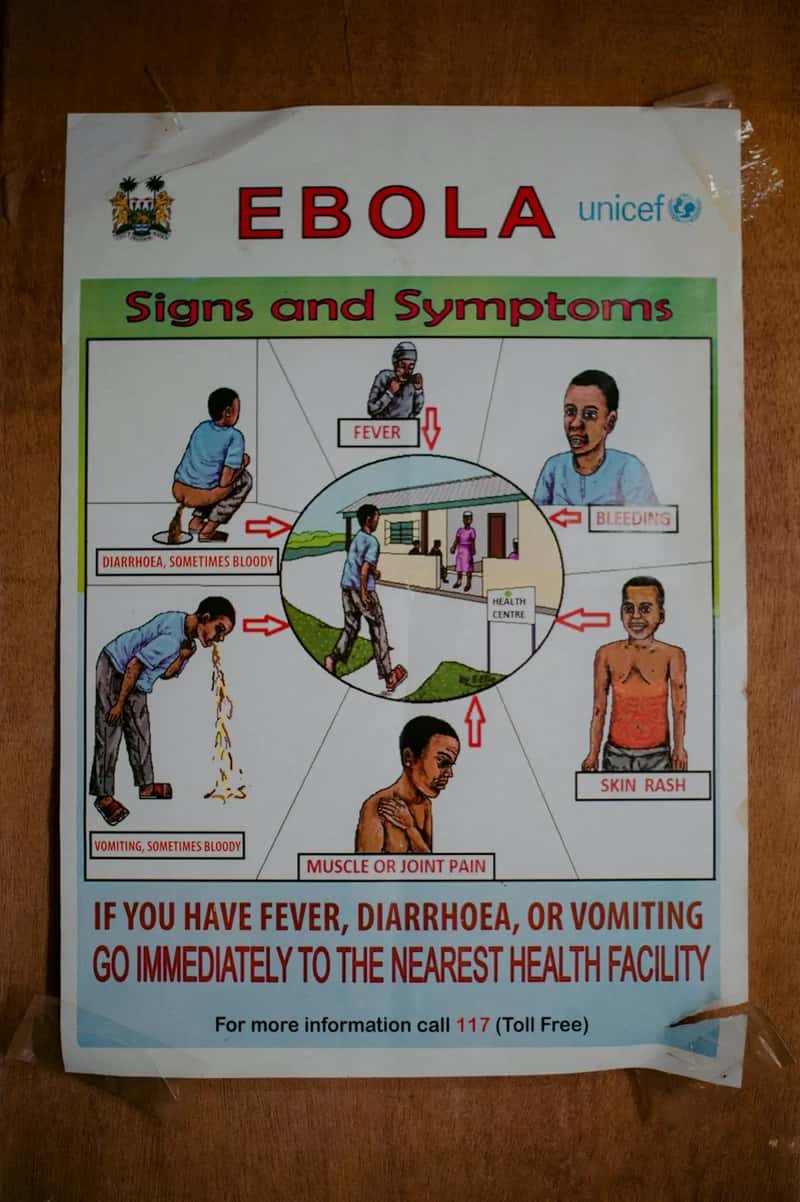
Health advisories have taken on unusual urgency in 2026 because of an Ebola outbreak that spread faster than previous ones on record. Confirmed in Ituri Province in northeastern DRC in mid-May, the outbreak surpassed 1,000 confirmed cases within 40 days of response activation, compared to roughly 235 days for the 2018 outbreak in North Kivu. By early July, the toll had climbed further, with more than 100 fatalities reported in the first week of July alone.
The CDC responded with a Level 3 Travel Health Notice for DRC and currently recommends avoiding non-essential travel to Haut-Uele, Ituri, Nord-Kivu (North Kivu), and Tshopo provinces in DRC. Uganda’s situation looks somewhat more contained, since all cases in Uganda so far have been diagnosed in its capital of Kampala, with no community spread reported, and the country’s last case was linked to travel from DRC. Anyone with travel plans touching this region should check both the CDC notice and the underlying case counts before departure.
New Entry Restrictions for Travelers Coming From Affected Countries
The Ebola outbreak has also triggered concrete entry restrictions into the United States, not just advisory language. Since May 2026, U.S. citizens and nationals who were in DRC, South Sudan, or Uganda within the past 21 days may still enter but will undergo enhanced public health screening. For non-citizens, the rules are stricter, since the CDC extended a travel ban to green card holders who have been in those countries in the previous 21 days.
Screening isn’t happening at every airport, either, so routing matters. Enhanced checks are currently set up at Washington Dulles International Airport for flights departing after May 21, Hartsfield-Jackson Atlanta International Airport for flights after May 22, and George Bush Intercontinental Airport in Houston for flights departing after May 26. This restriction has been renewed multiple times already, and the most recent order continuing the suspension was issued again on July 13, 2026, and will remain in effect for 30 days. Anyone transiting through Central or East Africa should build in extra time and check the current airport list before booking a connecting flight home.
Other Health Notices Worth Checking Before You Pack
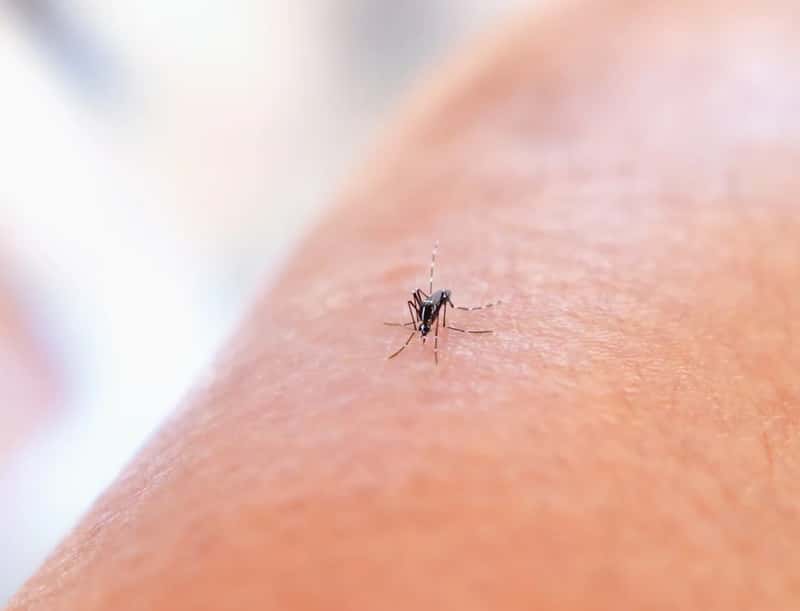
Ebola isn’t the only health story shaping 2026 travel planning. Dengue fever remains a persistent seasonal risk, with the CDC noting that outbreaks are ongoing across a long list of destinations, including Colombia, Samoa, Mali, Vietnam, New Caledonia, Timor-Leste, Guyana, Maldives, Bolivia, Tonga, and Cambodia. Since dengue is a year-round risk in many parts of the world, travelers to risk areas should focus on preventing mosquito bites rather than assuming any single season is safer than another.
Haiti is also dealing with a diphtheria outbreak that predates and runs alongside its security crisis, and health officials stress that vaccination against diphtheria is essential to protect against the disease. Malaria has ticked upward in specific pockets too, with the CDC flagging that increased cases of malaria have been reported in Mayotte, spread by the bite of infected mosquitoes. None of these notices should cancel a trip on their own, but they’re worth a five-minute check against your itinerary, especially if you’re headed somewhere off the usual tourist track.
How to Actually Track These Updates in Real Time
Given how quickly conditions have shifted this year, checking an advisory once before booking isn’t really enough anymore. The State Department’s own guidance repeatedly points travelers toward its Smart Traveler Enrollment Program, urging Americans to enroll at step.state.gov to receive the latest security alerts and follow the “U.S. Department of State – Security Updates for U.S. Citizens” channel on WhatsApp or @TravelGov on X. That single step puts embassy-level alerts directly in your pocket instead of relying on news coverage days later.
It’s also worth remembering that a country-wide rating can obscure a lot of local nuance. As one risk-tracking service puts it, Levels 3 and 4 usually reflect armed conflict, terrorism risk, civil unrest, violent crime, wrongful detention, or collapsed health infrastructure, but a country-wide level can hide large regional differences, so it always pays to read the full advisory text. Before finalizing any 2026 itinerary, it’s worth spending a few minutes on the official travel.state.gov page for your specific destination, not just the general headline level.
Final Thoughts

Travel in 2026 isn’t necessarily riskier across the board, but it is harder to predict than it’s been in years. A destination that felt rock solid in January might carry a fresh advisory by July, and a health notice halfway across the world can suddenly affect which airport you’re allowed to land at. The safest approach right now isn’t avoiding travel altogether; it’s simply checking the specific, current advisory for your exact destination before you finalize plans, and again a few days before you leave.