
Worldwide, men are slightly ahead in the headcount. There are about 42.3 million more men than women in 2026, a sex ratio of 101 to 100.[1] The global picture leans male largely because of a few very large populations.
Look at individual countries and the pattern flips in a good number of places. Several of the clearest examples sit in Eastern Europe, where the gap between women and men is wide enough to show up in every major dataset. The six countries below show how it plays out, and why the exact numbers shift depending on who is counting.
Latvia
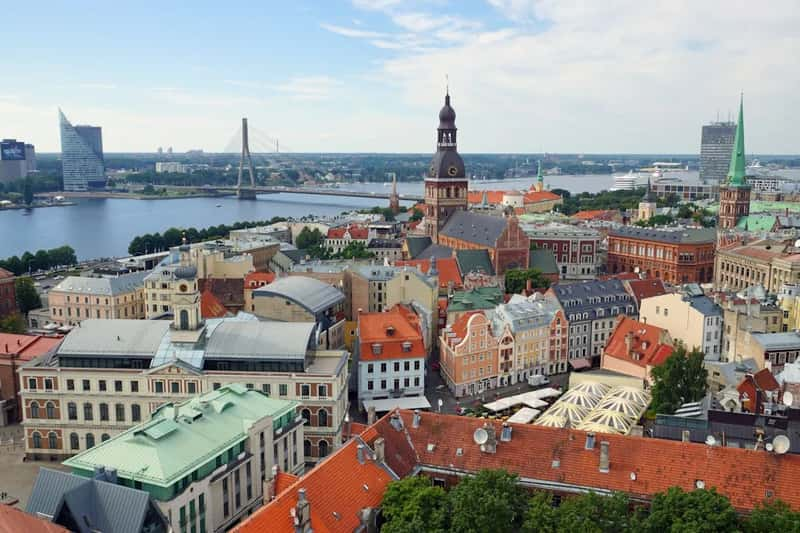
Latvia holds the widest gap in Europe. Eurostat statistics published on May 20, 2025 showed the gap between the proportions of women and men was larger in Latvia than anywhere else in Europe.[2] The country had 15.5% more women than men, more than three times the EU average rate.[2]
Part of the explanation is survival. One estimate puts Latvian women’s life expectancy at 79.6 years, against 70.1 for men.[3] Population trends add to it, since Latvia’s population has been in significant decline since 1990 because of low birth rates, high death rates and heavy emigration.[4] Another dataset lists the country at 86.8 males per 100 females.[5]
Lithuania
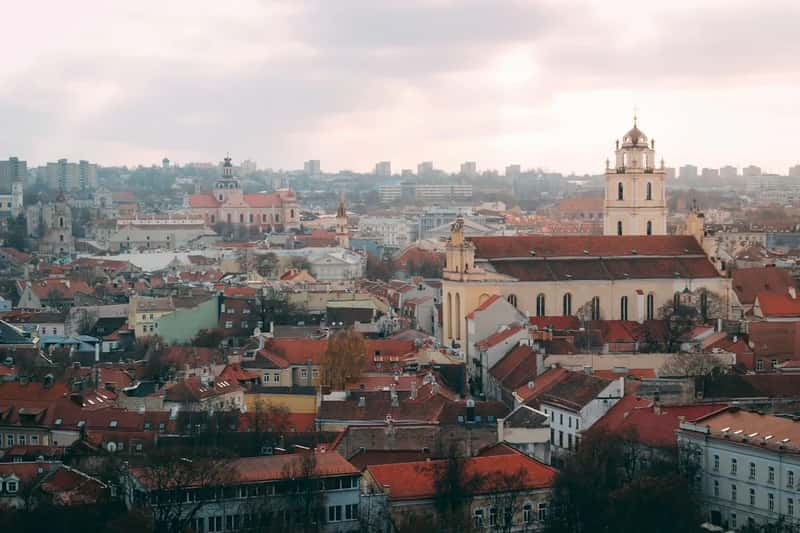
Lithuania’s female majority is almost as pronounced as its neighbor’s. Reporting from the Latvian public broadcaster LSM noted that Lithuania had 14% more women than men in 2021, the second highest rate in the EU.[6] A 2026 style ranking of sex ratios puts the country at 89.6 males per 100 females.[5]
The gap tracks the same life expectancy divide seen across the region. One compilation puts women at about 81 years and men close to 71.[3] Lithuania’s overall headcount has been steadier than some neighbors, as there have been signs of stabilization around 2.8 million since 2019.[7]
Russia

Russia is the biggest example by raw numbers. One 2025 tally found Russia with 10.4 million more females than males.[8] Based on 2023 data, there were just 87 males for every 100 females, with women making up about 53.48% of the population.[9]
The gap grows with age. Statista notes that women outlive men by almost 10 years on average in Russia.[6] One source adds that in the 65 and over group, women can outnumber men by more than 2 to 1.[3] Higher male mortality, especially from health issues and lifestyle factors, is the usual explanation.
Ukraine

Ukraine has long had more women than men. A 2025 comparison found women outnumbering men by about 2.66 million.[8] The population declined between 2000 and 2022, yet women continued to outnumber men.[6]
Ratios vary by source. One ranking lists 87.1 males per 100 females,[5] while another puts it nearer 86 men per 100 women.[3] The same compilation notes that economic migration has reduced the male population, as men of working age often seek employment abroad.[3] The war since 2022 makes any current estimate harder to pin down, so these figures are best read as approximate.
Belarus

Belarus sits right alongside Russia in the data. It reports 87 males for every 100 females based on 2023 estimates, with women accounting for approximately 53.48% of the population.[9] Another ranking shows a very similar 87.2 males per 100 females.[5]
Belarus tends to get less attention than its larger neighbor, yet the demographic story is much the same. A longer female lifespan and a smaller share of older men account for most of the imbalance. The gap is a feature of the whole post-Soviet region more than of any single country.
Moldova
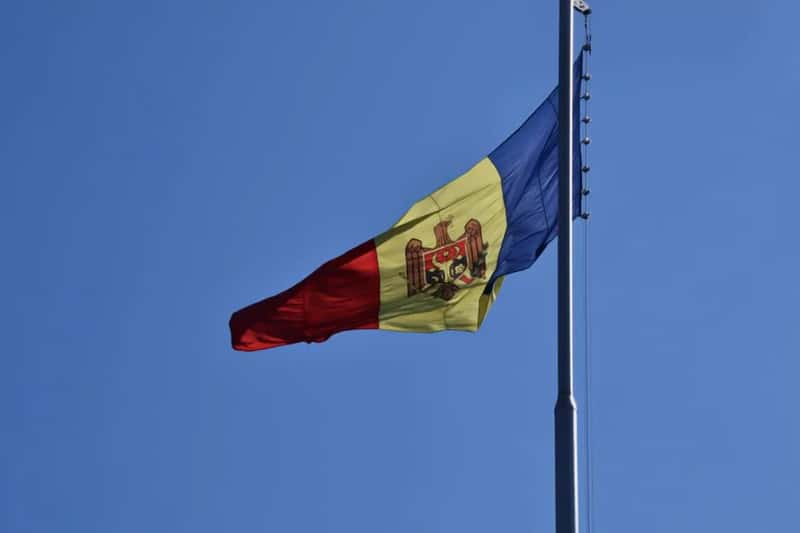
Moldova shows how much the source matters. One ranking has it at 85.1 males per 100 females,[5] placing it fourth in the world in that list. Another reports 89 males per 100 females based on 2023 estimates, with women at about 52.88% of the population.[9]
Both agree on the direction, and neither suggests a close call. Differences like these usually come from the reference year, how emigrants are counted, and whether the estimate comes from a census or a UN model. Moldova’s numbers are a good reminder to read sex ratios as ranges rather than exact figures.
Where the Numbers Land

Across these six countries, most estimates fall between roughly 85 and 90 men for every 100 women. The main drivers cited are longer female life expectancy, higher male mortality and men leaving to work abroad. For comparison, the UN world estimate for 2026 is about 105.3 boys born per 100 girls,[10] so the female majority in these countries builds up over a lifetime.