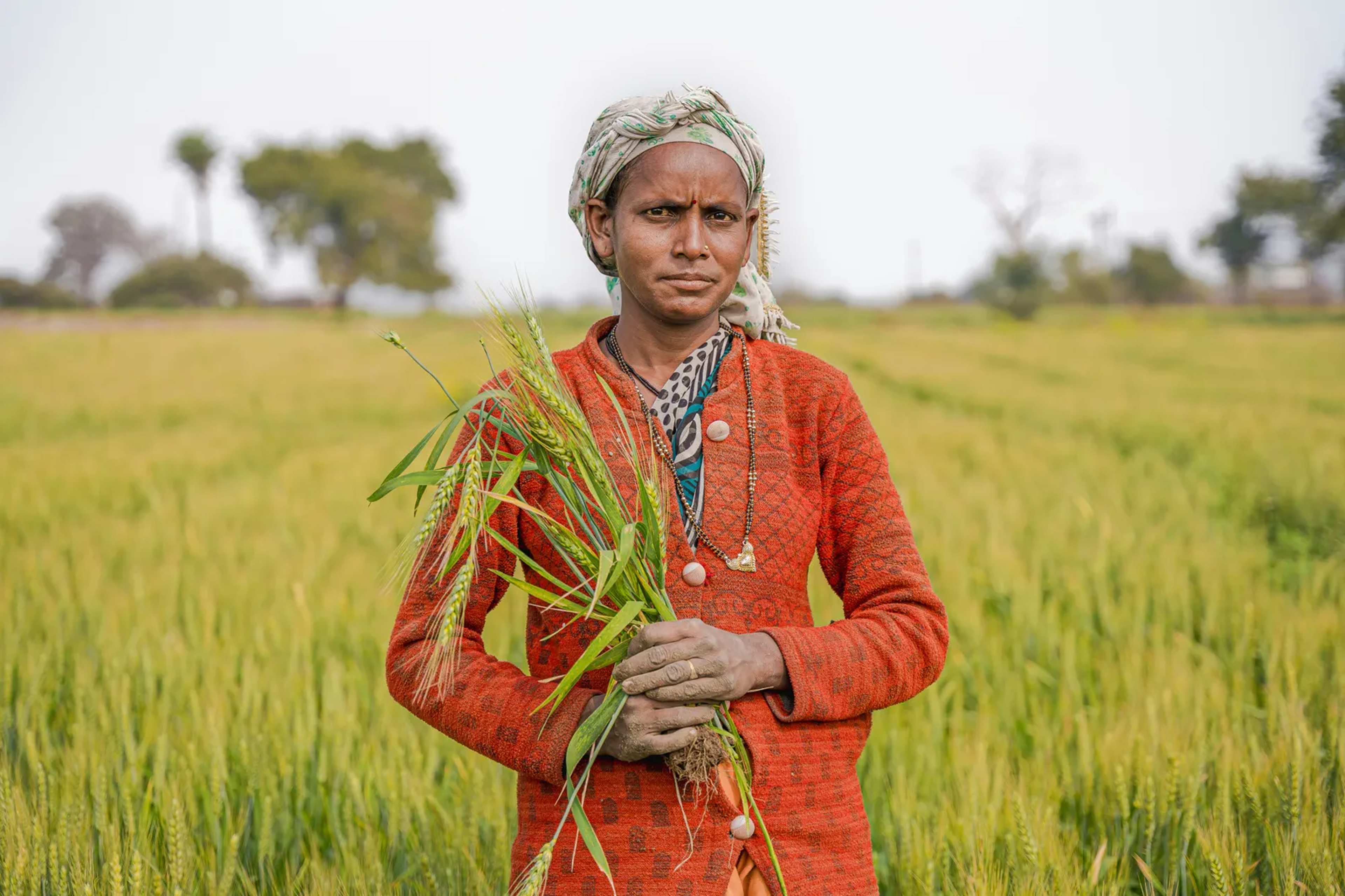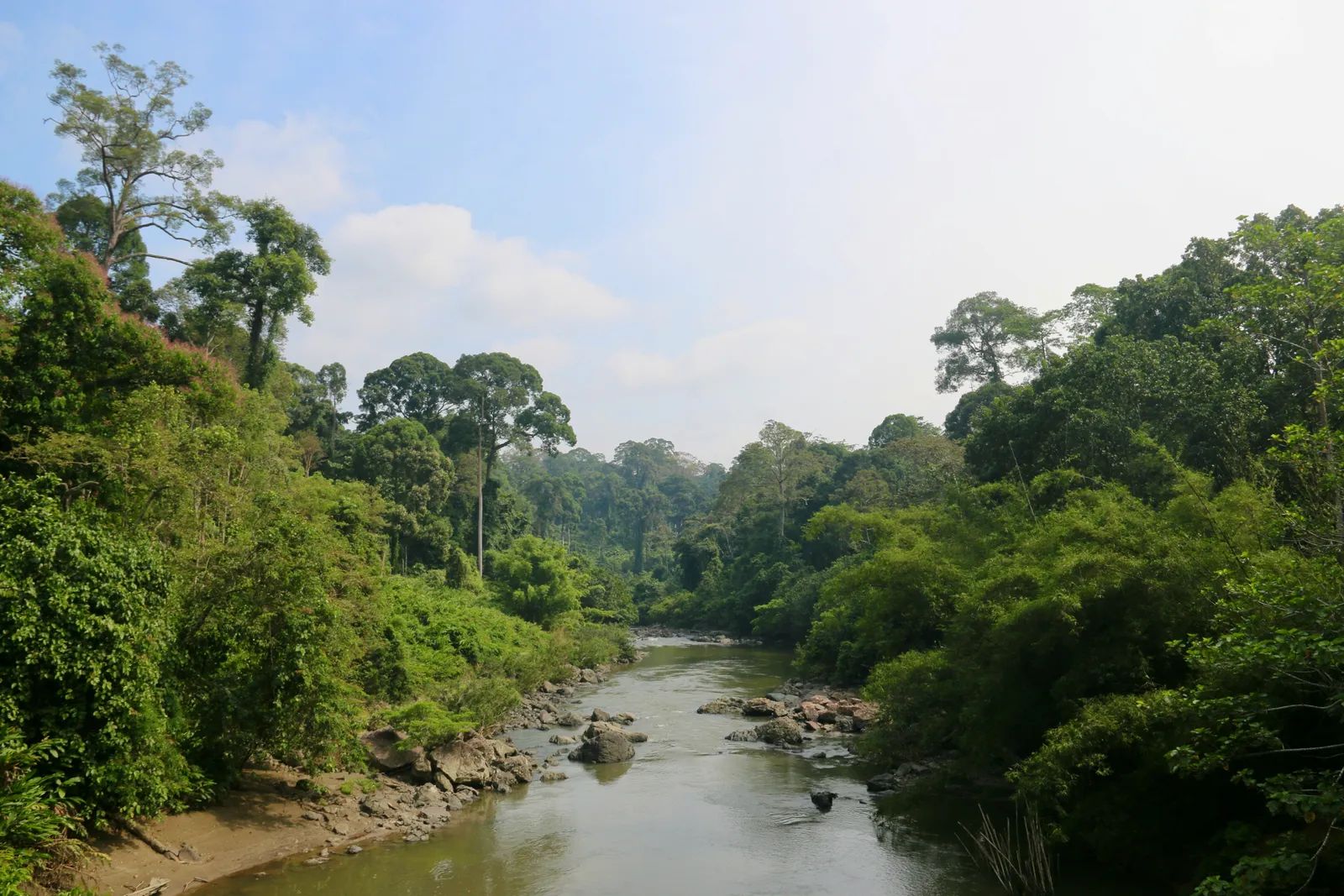
Logging and palm oil have produced large fortunes in Malaysian Borneo, but the forest’s worth looks different from the villages that depend on it. For Indigenous families, the forests, rivers and mountains supply food, medicine and income, and they hold knowledge passed down for generations. ([1])As industrial demands on these landscapes grow, many communities are working harder than ever to defend them.
A value that does not appear on a balance sheet
For many Indigenous residents, the land does not operate as a set of separate resources. Rivers, slopes and forest floors form one connected system, and a loss in one area often shows up in another. A single patch of forest can be a source of meals, a store of healing plants and a place where cultural practices continue.
The value of this system tends to rest on four things:
- Food gathered from forest and river
- Plants used as medicine
- Livelihoods tied directly to the land
- Traditions and knowledge handed from one generation to the next
When one of these pillars weakens, the others feel the strain. That is why communities often describe the forest as home rather than as an asset to be sold.
What happens when clearing begins
Clearing for timber and plantations has consequences that reach far beyond the cut area. According to The Borneo Project, industrial logging and plantation development have polluted rivers and degraded fragile ecosystems, making it harder for communities to find the forest products they rely on to survive. ([2])
The same group links forest destruction to declining bird, fish and mammal populations, along with the loss of medicinal plants, rattan and palm species. For a village that gathers its household supplies from the surrounding forest, these losses translate into empty shelves and longer journeys to find what was once close at hand.
Communities pushing back, with some results
Resistance has taken several forms, including blockades, court filings and sustained campaigns. In 2022, the Sarawak government withdrew the permit for a 4,400-hectare oil palm plantation held by Radiant Lagoon, which threatened community land and a UNESCO-listed national park. The government did not publicly explain the decision, which followed years of blockades, social media campaigns and a lawsuit by the Berawan, Penan and Tering communities. Those groups gathered in early November to place a memorial stone at the site.
Logging interests have also retreated in some areas. A Samling representative told village leaders in February 2025 that the company had abandoned logging in the area, a decision that followed sustained opposition from communities and NGOs. ([3])Communities and advocates have since called on the state to return the land to Indigenous residents and to require full consent before other companies enter their territories.
Related Stories From Travelbinger



Measuring what the forest is worth
The question of what the forest is really worth does not have a single answer. Commercial timber and oil palm produce revenue that is easy to total, while the value of clean rivers, medicinal plants and inherited knowledge is harder to put into figures. Communities in Malaysian Borneo have spent years making that second kind of value visible in court, in petitions and at the blockade line.
Whether those efforts will protect the forests over the long term remains unclear. What is clear is that for the people who live beside these rivers and under these canopies, the most important wealth is the one they still have to defend.