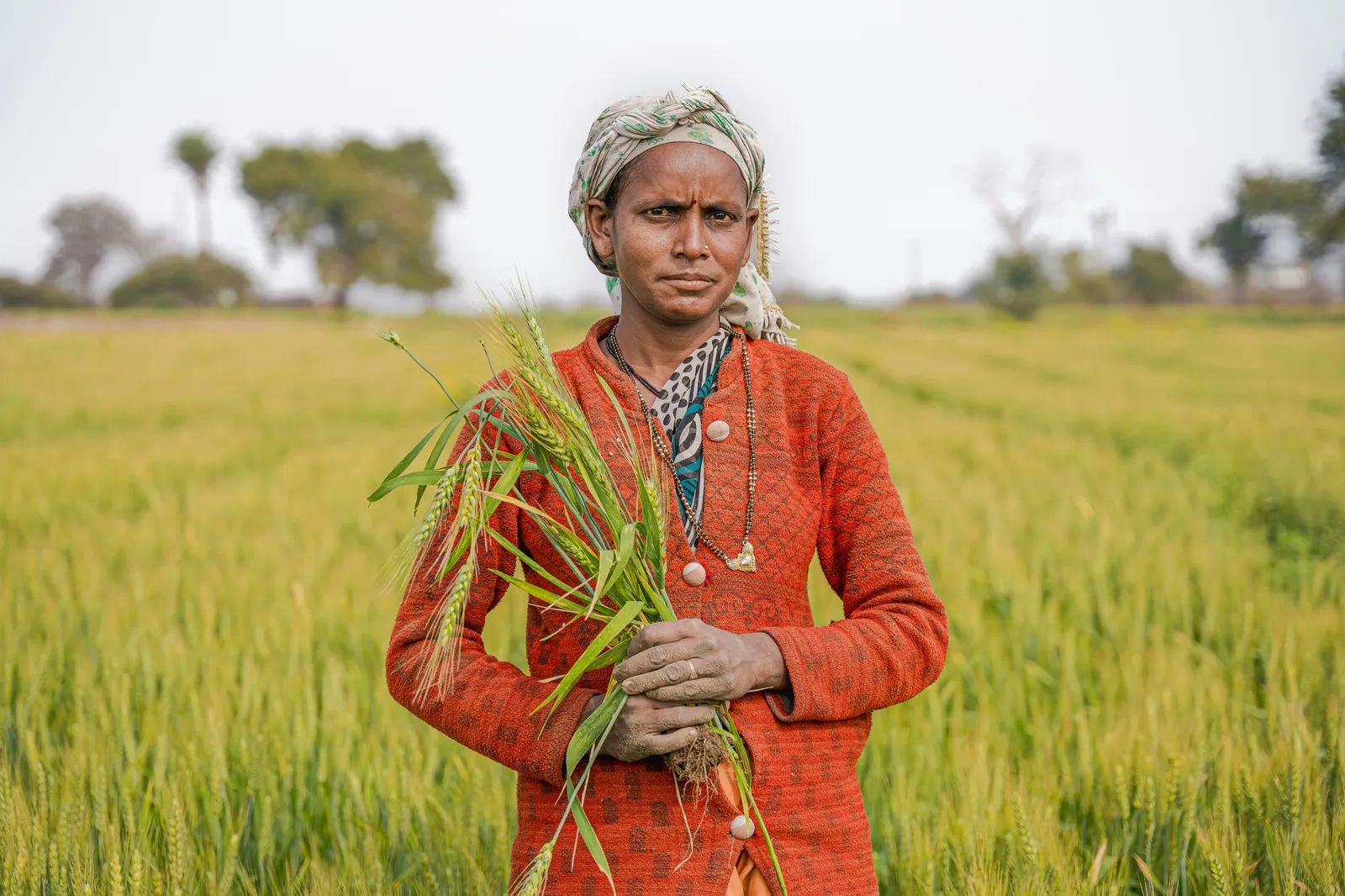
Roshid Ahamed Bin, a 47-year-old Rohingya farmer, describes life in the camp this way: “It is like a jail, but it isn’t a jail.” He fled Myanmar eight years ago and now lives in Kutupalong, which houses over 1.1 million Rohingya people who fled persecution in Myanmar. The settlement is far from the farmland he knew, and its hillsides have borne the cost of the crowding. Across the camp, refugee families are now working on that damaged ground, using traditional methods to grow food while they rebuild the land. ([1])
Cleared hillsides and a growing risk
Before 2017, Kutupalong was a forest. The Bangladeshi government set aside roughly 2,500 hectares of protected forest to expand the settlement after the influx, and lacking alternative cooking fuels, refugees cut many of the remaining trees for firewood. The result was a landscape that quickly became a bare, hilly tract of bamboo and plastic-roofed shelters that was prone to flooding and landslides in the monsoon season.
The loss has had a human cost beyond the view. Researchers who studied the camp linked deforestation and hill cutting to weakened soils that had previously been held together by vegetation, making them fragile and increasingly susceptible to landslides. In a 2021 event, landslides in one part of the camp killed five Rohingya people, according to a study of the disaster.
Ration cuts change the household math
The farming push is closely tied to the shrinking food budget. The World Food Programme is the sole provider of monthly food assistance for the Rohingya in the Cox’s Bazar camps, and the agency has struggled to keep funding levels steady. Rations were cut once before, in 2023, when the monthly amount fell to $8, and a previous round of ration cuts in 2023 that reduced the amount to $8 monthly led to a sharp increase in hunger and malnutrition, according to the United Nations.
The next round took effect in April 2025. Refugees were moved into different categories based on their food security, and the payments changed accordingly:
- Households considered lower risk received about $7 a month.
- A middle category received about $10 a month.
- Only those deemed extremely food insecure, around a third of recipients, kept the full $12.
Those figures came from reporting on the change, which also noted that Bangladesh’s Refugee Relief and Repatriation Commissioner acknowledged that aid agencies are facing a funding crisis. For families, a smaller ration means that a plot of vegetables or a few fruit trees can matter far more than it once did.
Growing food among the trees
Agroforestry, in simple terms, means raising crops alongside trees on the same ground. In the camp, families blend NGO-funded farming projects with methods their parents and grandparents used in Myanmar. Rohingya refugees are using traditional agroecology techniques on agroforestry plots, such as multi-layered intercropping, organic composting, and seed saving, which helps the soil hold water while producing food.
The plots bring practical benefits. They supply fresh food at a time when international food aid has been severely cut, giving families a critical source of nutrition and even a small income from selling surplus produce. Amina Khatun, 58, who lives in Camp 1W, has no land of her own, yet she said that growing these crops reminds her of the life her family had in Myanmar. She described the present as difficult, and her words capture why the work matters to people beyond its agricultural value.
What the restoration has achieved so far
The scale of the work is significant, though the figures vary by source. Aid-backed projects are reported to have planted nearly one million seedlings and restored 200 hectares of camp land, including with native and fruit trees. Another assessment put the combined effect of several measures at approximately 258 hectares of degraded forest within the camps and 2,000 hectares in surrounding areas. Because these numbers come from different accounts and methods, they are best read as broad indicators rather than precise totals.
Related Stories From Travelbinger



Scientific work supports the direction of the change. One study of Kutupalong found recovery capacity, in terms of EVI, in the reforested areas of Kutupalong refugee camps that experienced severe deforestation. The same research suggested that soil restoration at high-elevation degraded sites could accelerate recovery. Gardens and plots have also reached a wide group of residents. Reports say more than 159,000 refugees participate in gardening around their homes.
What matters now
- Refugee-run agroforestry is helping stabilize slopes and provide food in the camp.
- Ration cuts since 2023 have pushed families to find more of their own food.
- The gardens supplement aid, but they do not replace it.
That final point is the one most likely to shape what comes next. Reports on the camp make clear that those gardens supplement food assistance and help stabilize damaged hillsides, but they do not replace the outside aid on which the camps still depend. The replanted slopes may soften the next monsoon, and the plots may feed a few more households. Whether the work can keep pace with the land it is meant to heal will depend on funding, on access to land and tools, and on whether the camp remains the only home these farmers have. For now, Kutupalong’s hills are slowly turning green again, and the families tending them are doing it on ground they did not choose.