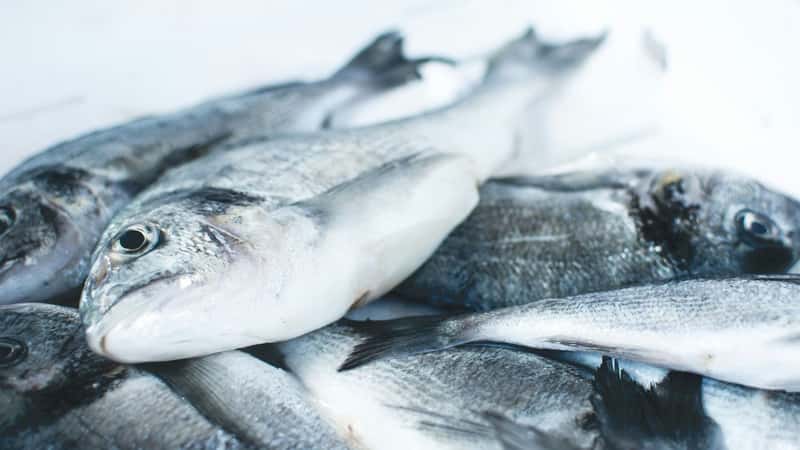
Aquatic animal and terrestrial meat trades now almost on par, FAO report finds – Image for illustrative purposes only (Image credits: Unsplash)
Mombasa, Kenya – The United Nations Food and Agriculture Organization released its latest biennial assessment of global fisheries and aquaculture on June 16. The 2026 edition of the State of World Fisheries and Aquaculture report shows that production of farmed aquatic animals has crossed 100 million metric tons in a single year for the first time. This surge has lifted the total trade value of aquatic animal products to nearly the same level as the international trade in meat from land animals.
A Milestone Driven by Rapid Expansion
Aquaculture now supplies more than half of the aquatic animals consumed worldwide. The sector has grown steadily for decades, yet the latest figures mark a clear acceleration. Production volumes have reached levels that capture fisheries alone never attained. Officials note that this growth reflects both technological advances in farming systems and rising demand for protein in many regions. The report places the new output figure in context with broader food-system trends. Global population projections point to roughly 10 billion people within a few decades. Meeting that demand will require contributions from every major protein source, including both wild capture and farmed aquatic species.
Trade Value Approaches Parity With Meat
Aquatic animal products now generate trade revenue almost equal to that of terrestrial meat. The narrowing gap stems directly from higher volumes of farmed fish, shrimp, and other species entering international markets. While capture fisheries remain important, their output has been relatively stable, so the increase in overall trade value comes largely from aquaculture. This shift carries implications for supply chains that serve restaurants and markets around the world. Travelers who seek seafood abroad are increasingly likely to encounter products from farms rather than wild stocks. The report does not specify exact percentages of farmed versus wild items on any particular menu, but the overall production trend makes such encounters more common.
Connecting Data to Policy Decisions
The FAO report is valued for its role in linking scientific measurements with government planning. At the launch event in Mombasa, Kenyan fisheries researcher Paul Orina described the document as one of the most authoritative sources available for understanding sector trends. Its strength lies in presenting consistent, comparable data that policymakers can use when setting harvest rules or investment priorities. Manuel Barange, who leads the FAO’s Fisheries and Aquaculture Division, emphasized the pace of change. He noted that aquaculture is achieving production levels fisheries never reached and that continued growth will be necessary to support food security for a larger global population. The report itself stops short of forecasting exact future volumes, leaving room for variables such as feed availability, disease management, and regulatory frameworks.
Remaining Questions and Next Steps
The 2026 assessment confirms the 100-million-ton threshold but leaves several areas open for further study. These include the long-term environmental footprint of different farming methods and the resilience of supply chains under changing ocean conditions. Future editions of the report are expected to track whether the current growth rate continues or levels off. For now, the central finding stands: aquaculture has moved from a supplementary source to a dominant contributor in the global seafood economy. The data provide a clear benchmark against which progress in the coming years can be measured.