Most people pick a seat by legroom or by price and hope the sleep part works itself out. Flight attendants spend whole nights walking the aisles of overnight flights. They see which passengers doze off easily and which ones give up around hour three.
Their advice isn’t complicated, though it does run against a few common habits. Here’s what crew members and aviation trainers have been saying about where to sit when the goal is real rest.
Five Rows From the Front or Back of Economy
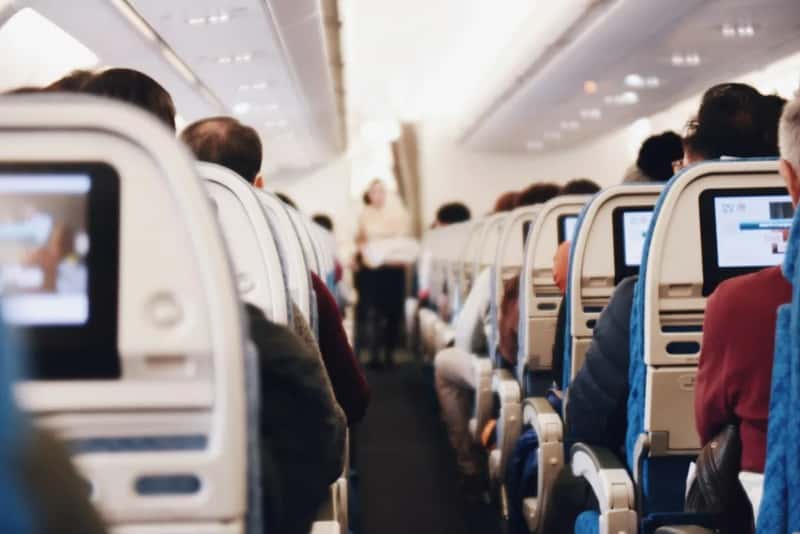
A Virgin Atlantic flight attendant told Travel + Leisure that the sweet spot in long haul economy is about five rows from the front of the cabin or five rows from the back. Those rows tend to be quieter because they sit far enough from the crowds gathering around bathrooms, galleys, bulkheads and emergency exits.[1]
She also pointed out a practical perk of the front option. Crews often start service at both ends of economy, so sitting about five rows from the front usually means you get your first choice of meal.[1] Being nearer the front also helps you get off the plane a bit sooner.
Over the Wing for the Smoothest Ride
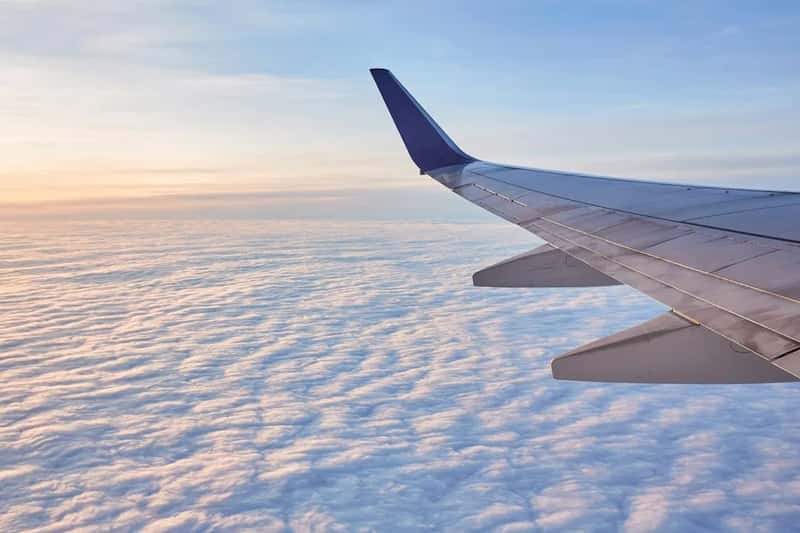
Turbulence is one of the main things that pulls people out of sleep. The same flight attendant recommended a seat over the wings, since you feel bumps less there.[2] If those seats are taken, she suggested moving toward the front of the aircraft.[2]
The reasoning is about physics. Seats closest to the aircraft’s centre of gravity tend to feel less movement and vibration than seats further back.[2] A separate seat guide agrees that over wing windows are good for sleep, because the reduced turbulence means fewer jolts during cruise.[3]
Why the Window Seat Usually Wins
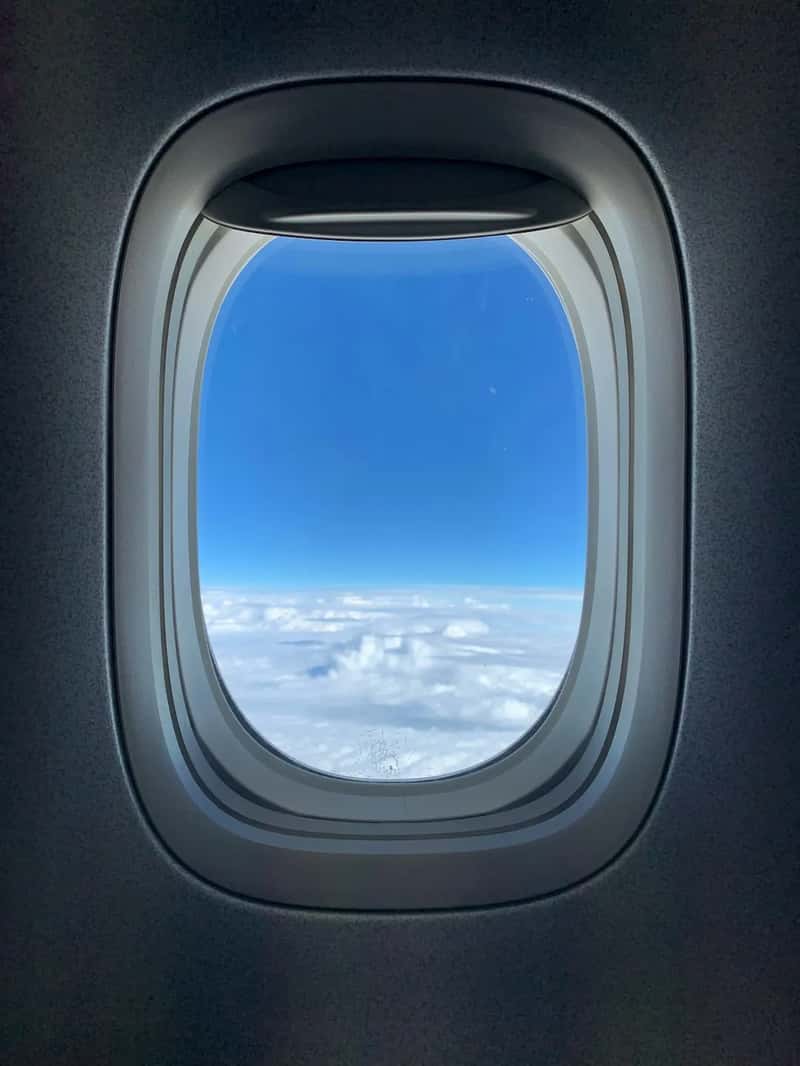
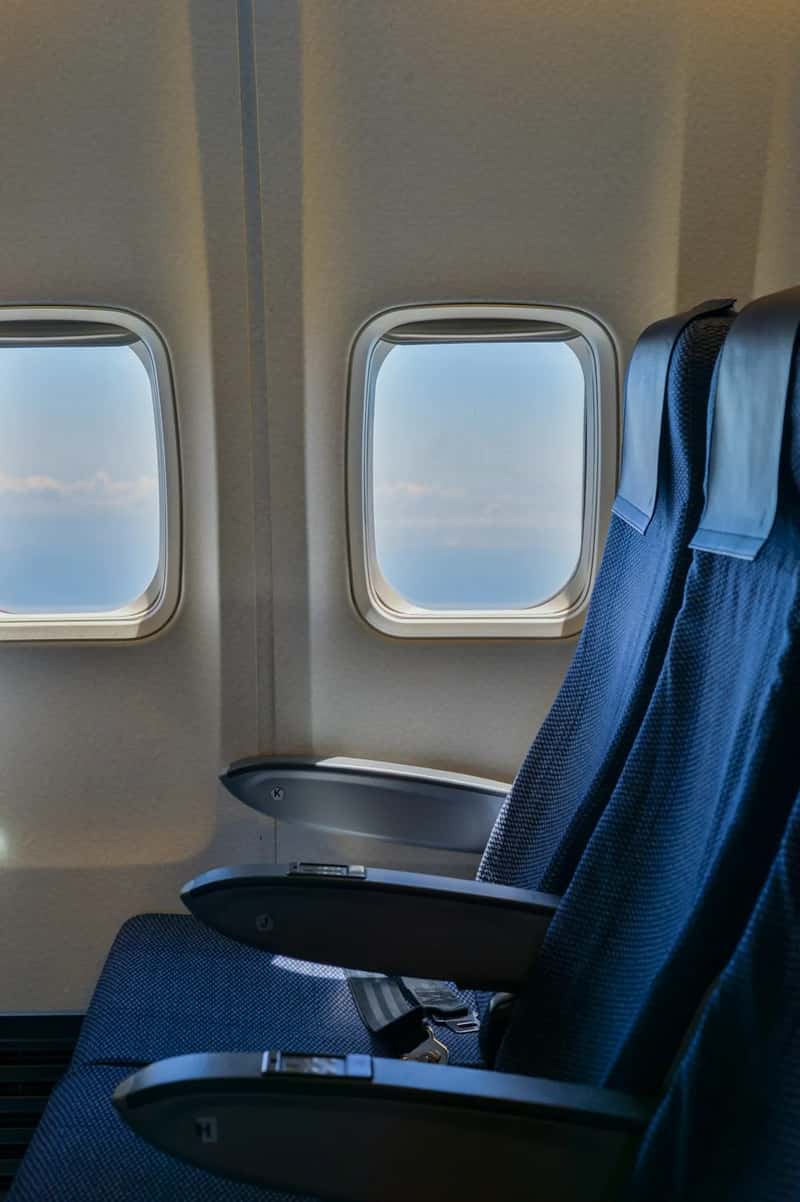
Ask around and the window comes up again and again. One aviation trainer with a VIP flight attendant background told Tom’s Guide that window seats are best for sleeping. You can lean, control the shade, and avoid being disturbed by seatmates who need to get up.[4]
That wall to lean against matters more than most people expect. One 2026 seat guide calls it the single most underrated factor for sleep in economy.[3] Another says most experienced long haul travelers prefer window seats on overnight transatlantic or transpacific flights of over eight hours.[5]
The Catch With Window Seats
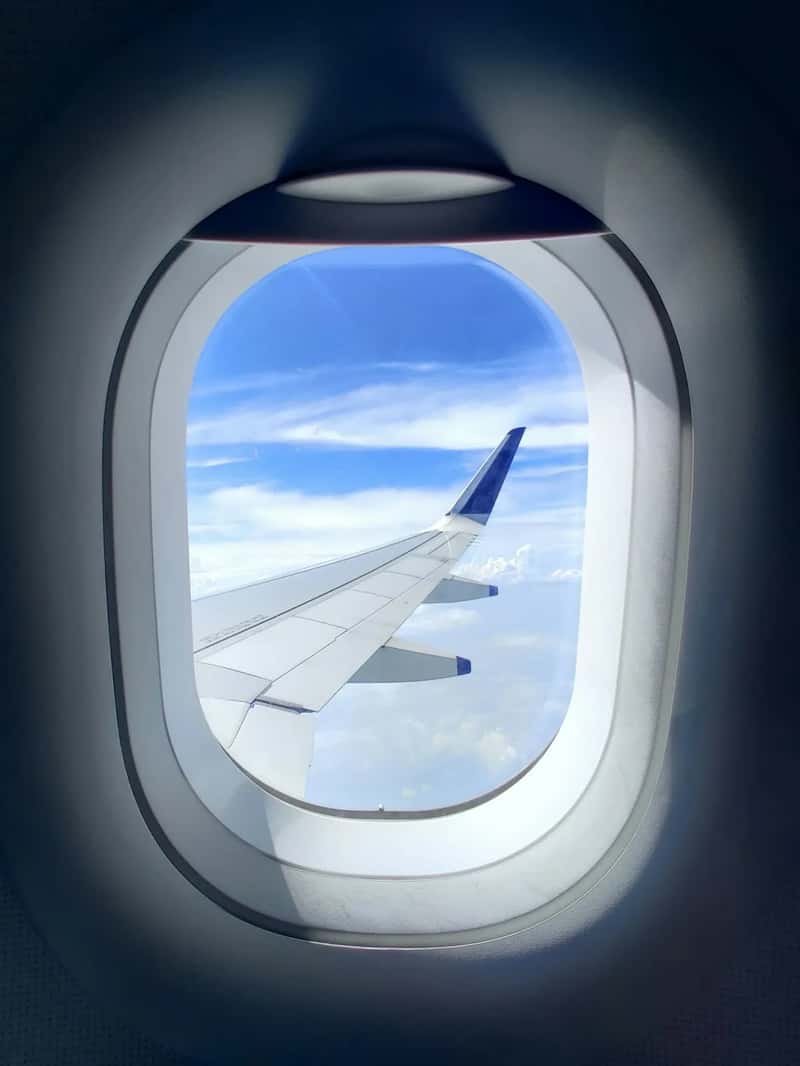
A window seat isn’t free of trade-offs. You’ll have to wake your row mates whenever you need the bathroom, and the fuselage wall can feel slightly colder at altitude.[5] If you fall into deep sleep around hour seven, you’re also effectively stuck.
Plan around that before you settle in. Go to the bathroom before you put on the eye mask, and keep a light layer within reach. For overnight flights, window often wins, while aisle tends to be more practical on shorter daytime trips.[6]
Exit Rows Aren’t Always the Dream
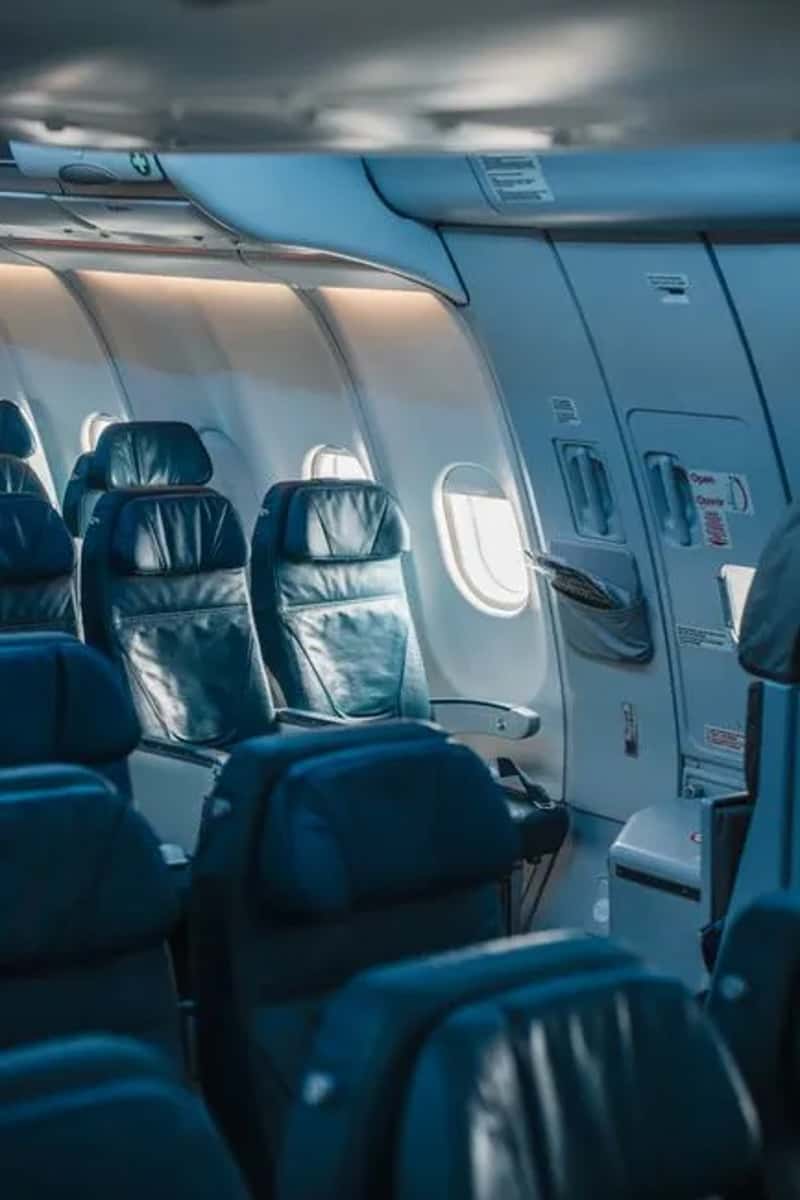
Extra legroom makes the emergency exit row sound like the obvious answer. The Virgin Atlantic crew member warned that these seats can get colder and attract more foot traffic from passengers waiting for the toilets.[2] She said she would usually avoid them for sleeping.
Recline is another issue. One long haul guide advises skipping the first exit row because it doesn’t recline.[5] The same guide suggests the second exit row as a way to get legroom without upgrading, since that one still reclines.[5]
Bulkhead Seats and Their Quirks
Bulkhead rows appeal to people who dislike having someone recline into their space. They’re popular for exactly that reason.[6] They can also offer extra room to stretch your legs.
For a solo traveler trying to sleep, though, they come with a couple of catches. Bassinet placement at some bulkheads can bring infant noise on overnight routes.[5] Bulkheads and exit areas can also run cooler, so it helps to bring layers.[7]
Keeping Away From Galleys and Lavatories
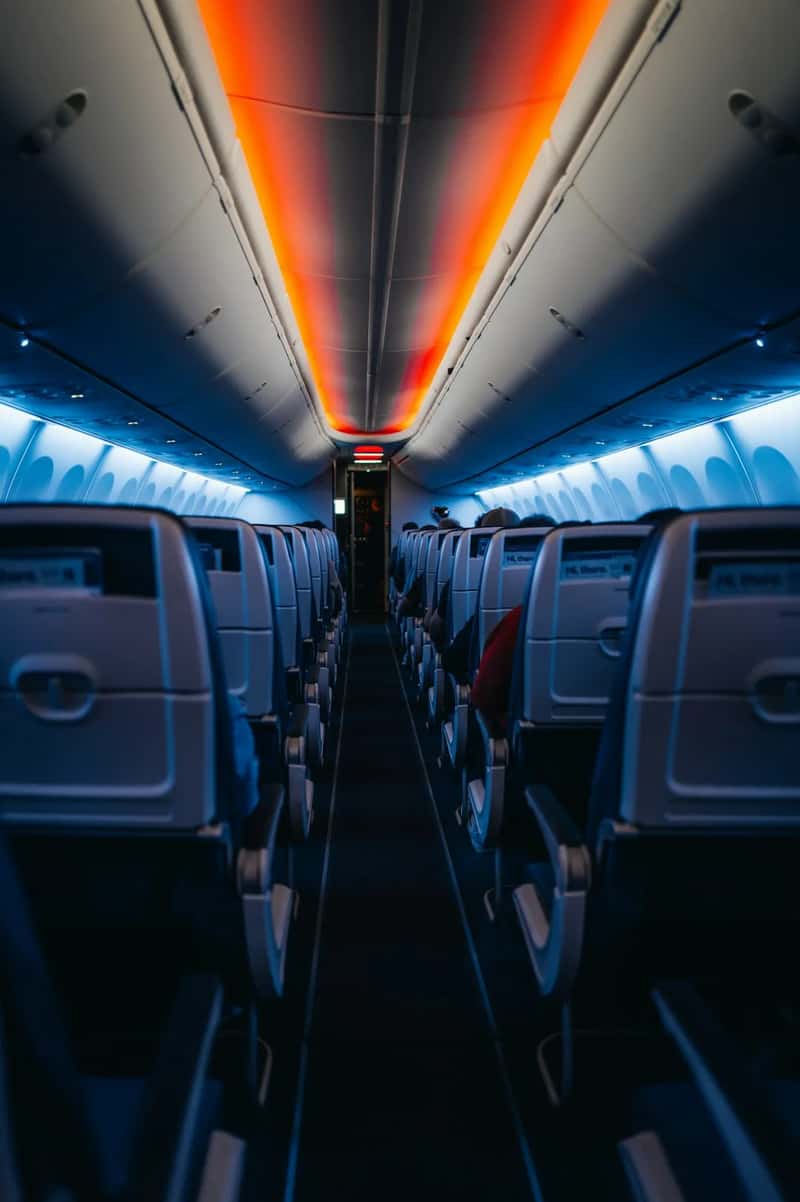
Noise and light travel further than you’d think. For light sleepers, one guide suggests a mid cabin seat away from galleys and lavatories to avoid noise, light and foot traffic on overnight flights.[8] The rear rows near the toilets are a common trap for that reason.
Engines matter too. Engine noise is loudest behind the wing, so the ideal spot is far enough forward to avoid it but distant from galley chatter and service carts.[3] That’s why the window seat in a forward or middle section keeps coming up.
Making the Best of a Middle or Aisle Seat
Sometimes the window is gone by the time you check in. If you’re stuck in the middle, the aviation trainer suggests bringing a pillow or soft item for either side of your neck, because most complaints come from having nowhere to lean.[4] A small travel pillow can make a real difference.
The aisle has its own case, particularly for longer trips. Aisle seats suit daytime flights, tall passengers, and anyone worried about deep vein thrombosis.[5] One popular trick, booking the aisle and window and hoping the middle stays empty, rarely works in 2026 because most flights are so full.[6]
Check the Aircraft and Your Sleep Setup
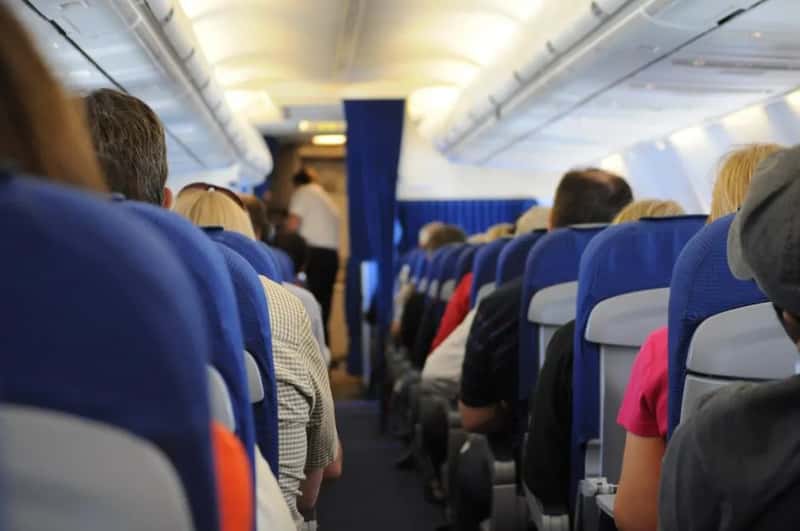
The plane itself changes the answer. An aisle seat on a 787 Dreamliner, which has a three, three, three layout, is very different from one on a 777 with three, four, three seating.[9] Seat maps on SeatGuru or SeatMaps can also help you avoid window seats that are misaligned with the actual window.[9]
Then there’s what you do once you’re seated. The Virgin Atlantic flight attendant’s advice includes avoiding heavy meals before sleep, packing ear plugs and an eye mask, and matching your normal sleep duration, since oversleeping can leave you groggy.[1] The seat helps, but the routine finishes the job.
Quick Seat Picks by Situation
For a smooth ride, choose a window over the wing. For a quiet one, aim for roughly five rows from the front or back of economy, away from galleys and toilets. If legroom matters most, the second exit row is the one that reclines.