Most travelers over 60 board a plane the same way they always have: ticket in hand, moving at their own pace, hoping nobody notices if they’re a step slower than the person behind them. What a lot of people in that age group never realize is that airline staff have a long list of accommodations they’re either legally required to offer or simply choose to extend quietly, without anyone announcing it over the intercom.
None of this shows up on a boarding pass or a seat map. It lives in gate agent training, in flight attendant instincts built from years of watching people struggle, and in a patchwork of federal rules most passengers have never read. Here’s a closer look at the requests crews tend to honor most often for travelers over 60, and why a simple, polite ask at the right moment can change an entire trip.
1. Extra Time to Board Before the Rush
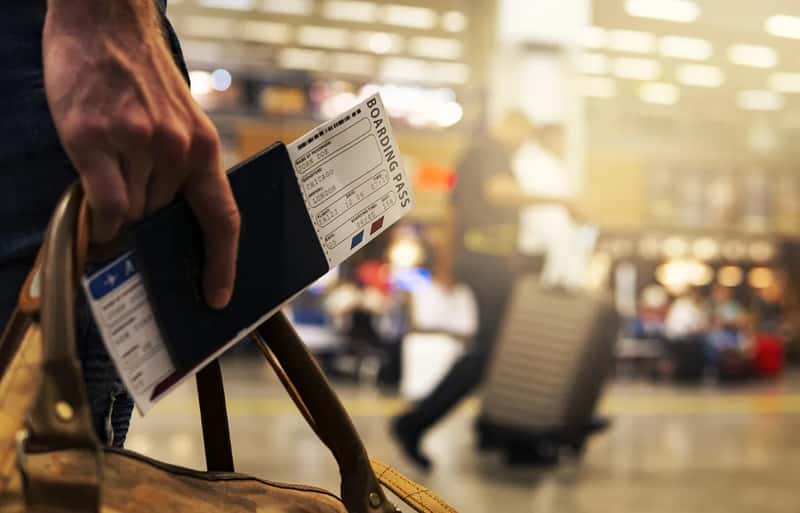
Preboarding is one of the most consistent courtesies in the industry, and it costs the airline almost nothing to grant. Airlines actively encourage seniors to pre-board because it keeps the aisle from turning into a traffic jam, and that early boarding window opens the moment a passenger self-identifies to a gate agent before boarding starts.[1] There’s no form to fill out and no medical proof required, just a word to the person scanning boarding passes.
This isn’t only about comfort. This isn’t about singling anyone out; it’s built into how crews prepare for emergencies, since flight attendants stay aware throughout the flight of who might need extra help during an evacuation, including elderly travelers and anyone with reduced mobility, and that quick glance during boarding is really a safety calculation happening in real time.[1] A passenger who boards early and settles in calmly is one less variable for the crew to track later.
2. Aisle Seats and Movable Armrests
Seating requests are some of the easiest accommodations for an airline to grant, and they matter more than they might sound. Seating is one of the easier accommodations for airlines to grant, and it makes a real difference for anyone dealing with stiff knees or a bad hip, since passengers may request aisle seats, movable armrests, seats with greater legroom, and adjoining seats for traveling companions who are providing assistance.[2] None of these require a doctor’s note, just a request when booking or checking in.
Circulation and mobility are the real reasons behind the request. For seniors recovering from surgery or dealing with circulation issues, aisle seats can also make it easier to stand, stretch, and move around during longer flights, since regular movement may help reduce stiffness and swelling, and flight attendants who notice a passenger shifting uncomfortably will often quietly offer to help find a better spot if one opens up.[2] That last part rarely gets announced. It just happens.
3. A Quiet Hand With the Overhead Bin
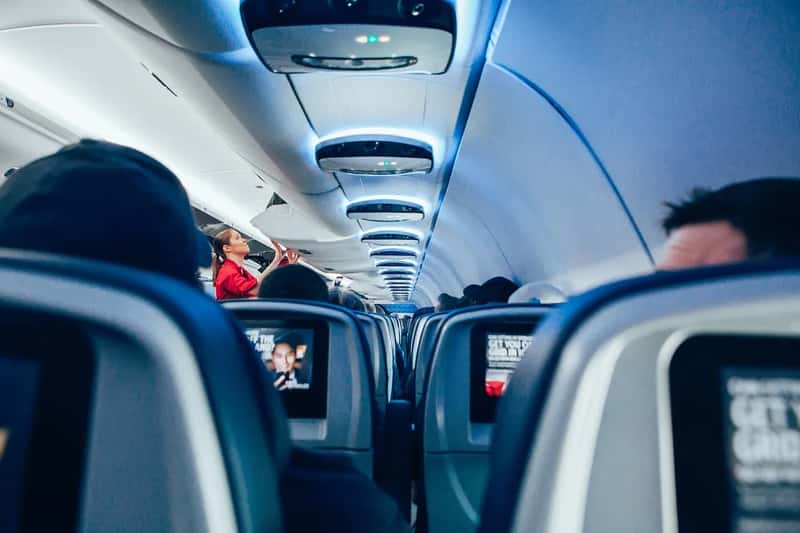
Lifting bags into overhead bins isn’t technically part of a flight attendant’s job description, yet crews step in constantly. Flight attendants are not obligated to lift every bag for every passenger, but in practice many quietly step in when they see someone struggling, particularly during boarding for older travelers who requested assistance in advance.[3] A short heads-up at the gate makes this far more likely than hoping someone notices mid-struggle.
Etiquette experts who study cabin behavior say ignoring a struggling older passenger is one of the more frowned-upon things a fellow traveler can do, let alone a crew member. One flight attendant explains that one of the rudest behaviors is failing to offer assistance when someone needs help, adding that being impatient with someone who is clearly struggling trying to get their aging parents out of their seat is another common complaint.[4] Crews tend to hold themselves to a higher standard than that.
4. Skipping Shoe Removal at Security

For years, this was one of the most useful unwritten perks for older travelers, and it has actually expanded recently. Passengers 75 and older can receive some form of expedited screening through risk-based intelligence-driven security, and they may leave on their shoes, though removal of light jackets is still required for Advanced Imaging Technology screening.[5] That rule remains formally on the books at TSA checkpoints nationwide.
What’s changed by 2026 is that the benefit is no longer exclusive to seniors. As of a major policy shift in July 2025, the TSA officially ended the mandatory shoe-removal rule for all passengers in the United States, regardless of age, a change made possible by the nationwide rollout of advanced CT scanners and AI-assisted screening technology.[6] Even so, travelers 75 and up still get the added courtesy of keeping light jackets on more often and skipping extra scrutiny that younger flyers might face.
5. A Seat During Extra Screening
Standing for long stretches at a checkpoint isn’t realistic for everyone, and TSA has quietly built in a workaround. Passengers can request to be seated during additional screening, and those 75 and older who are unable to stand for screening will be screened through other security methods entirely.[5] Officers don’t advertise this loudly, but they’ll honor it the moment it’s mentioned.
Medication and mobility aids get similarly flexible treatment when a traveler simply speaks up. Officers may open containers and transfer pills to another container for testing, but if a passenger does not want medication screened by X-ray or opened, letting the officer know prompts them to take alternative steps to clear these items.[7] It’s a small ask that avoids a lot of unnecessary hassle.
6. Wheelchair and Mobility Assistance, Gate to Gate
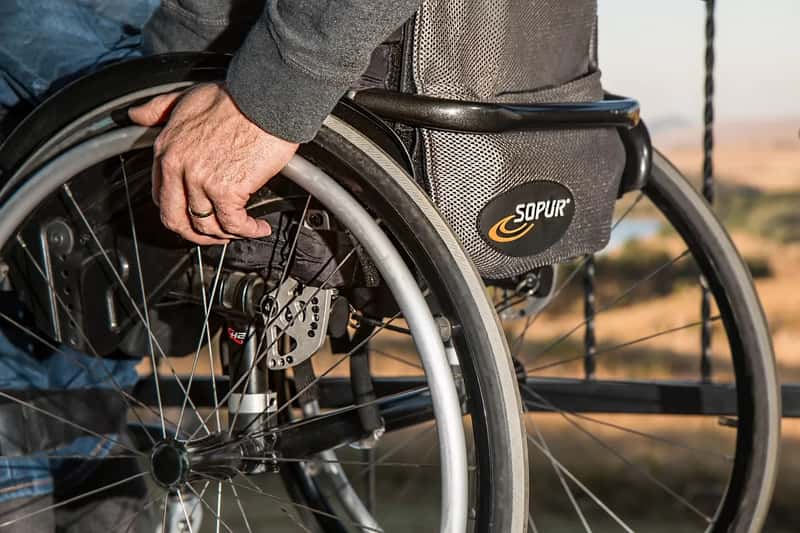
This is one of the few accommodations with real legal teeth behind it, not just crew goodwill. Airlines shall provide assistance in enplaning and deplaning, and the delivering carrier is responsible for assistance in making flight connections and transportation between gates, including the services of personnel and the use of ground wheelchairs, accessible motorized carts, boarding wheelchairs, and ramps or mechanical lifts.[9] None of this requires a formal diagnosis, just a request.
The federal government has also cracked down harder on airlines that mishandle these requests. DOT has made improving air travel for people with disabilities a priority, and in October 2024 it issued a landmark fifty million dollar penalty against American Airlines for serious violations, including cases of unsafe physical assistance that at times resulted in injuries and undignified treatment of wheelchair users.[10] That kind of enforcement has pushed carriers to take these requests more seriously across the board.
7. An Adjoining Seat for a Traveling Companion
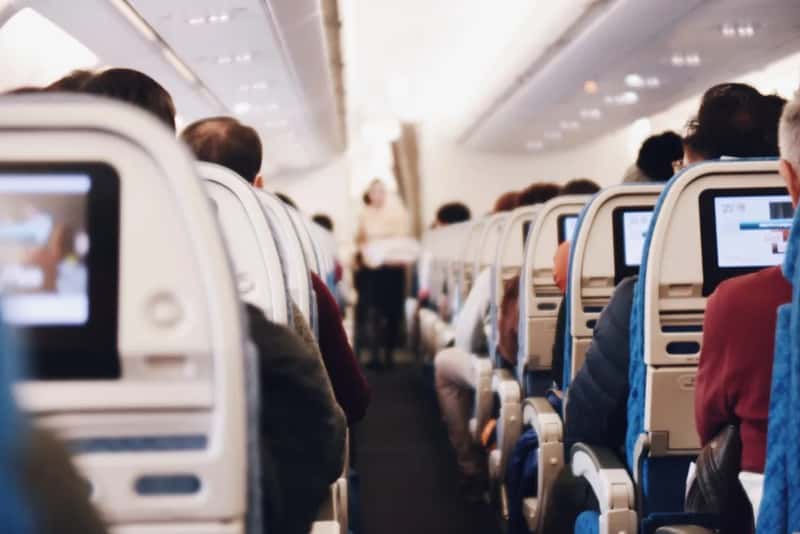
Airlines generally try to keep families and caregivers together, and this becomes especially important for older travelers who rely on someone nearby. Adjoining seats for traveling companions who are providing assistance are part of the standard seating accommodations airlines try to honor, subject to availability.[2] It’s rarely guaranteed in writing, but gate agents will usually try to make it work when asked directly.
The reasoning behind it is more practical than sentimental. This isn’t just about convenience, it’s often the difference between a passenger managing independently and needing crew intervention mid-flight.[2] A companion seated one row away instead of ten rows back can mean the difference between a quiet, uneventful flight and a stressful one.
8. Water and Hydration Checks Without Being Asked

Cabin air is notoriously dry, and crews have quietly built habits around keeping older passengers hydrated. On long flights, because of the cabin’s low humidity, flight attendants will do water walks to hand out complimentary cups of water, one of the few services offered proactively, without a call button ever being pressed.[11] It’s a small gesture that costs the airline nothing.
Mentioning a specific concern tends to get even more attention during these rounds. Passengers over 60 who mention dehydration concerns, joint stiffness, or medication timing tend to get extra attention during these rounds, and crews say a quiet, direct request for water almost never gets refused, even outside the scheduled walk.[11] A simple “could I get a bit of extra water, I’m managing my blood pressure medication” tends to work better than waiting silently.
9. Advance Notice for Special Equipment or Situations
Passengers traveling with oxygen, needing a stretcher, or requiring other special equipment have protections built directly into federal aviation regulation, though airlines can ask for a short lead time. An airline may require up to 48 hours advance notice for special situations such as oxygen, incubator, hook-up for a respirator, or accommodation for a passenger who must travel by stretcher.[12] Calling ahead rather than mentioning it at the gate makes the whole process smoother.
Even without advance notice, airlines are still expected to make a reasonable effort. If advance notice is not given, air carriers shall provide the service if they are able to do so with reasonable efforts and without delaying the flight.[12] It’s not a guarantee, but crews will usually try rather than simply refuse outright.
10. Priority Handling When a Mobility Device Is Delayed or Damaged
Wheelchairs and scooters occasionally get mishandled in transit, and federal rules now require airlines to respond quickly rather than leave a passenger stranded. The rule requires airlines to offer to disembark passengers and rebook them on the next available flight at no additional cost when a wheelchair or scooter is not loaded on the scheduled flight, and it applies whenever the airline becomes aware the device does not fit.[10] This is one of the newer protections layered onto existing accommodations for older and disabled travelers alike.
Enforcement of parts of this rule has shifted timelines somewhat, but the core protection remains active. The Department published a notice stating it will not enforce the 2024 Wheelchair Rule before August 1, 2025, and a later notice temporarily delayed enforcement of certain provisions while not impacting enforcement of the majority of requirements, including this rebooking requirement.[8] In practice, that means the rebooking protection for damaged or delayed mobility devices is still very much in effect for travelers today.
None of these eleven accommodations require a special ticket class or a hidden fee. Most of them simply require a passenger, or someone traveling with them, to ask early, ask specifically, and ask calmly. Crews genuinely do watch for older travelers who might need a little extra help, whether that’s rooted in federal regulation, airline policy, or plain human decency built over years of working the aisle. The passengers who benefit most from these quiet accommodations tend to be the ones who stopped assuming they had to manage everything alone.