Hurricane Nolo never made landfall in Hawaii, yet it still brought flooding. Forecasters said the storm could cause life-threatening flooding and mudslides, with parts of the Big Island expected to see rainfall totals up to 20 inches.[1] The rain landed on an island chain that was already worn down by a rough year.
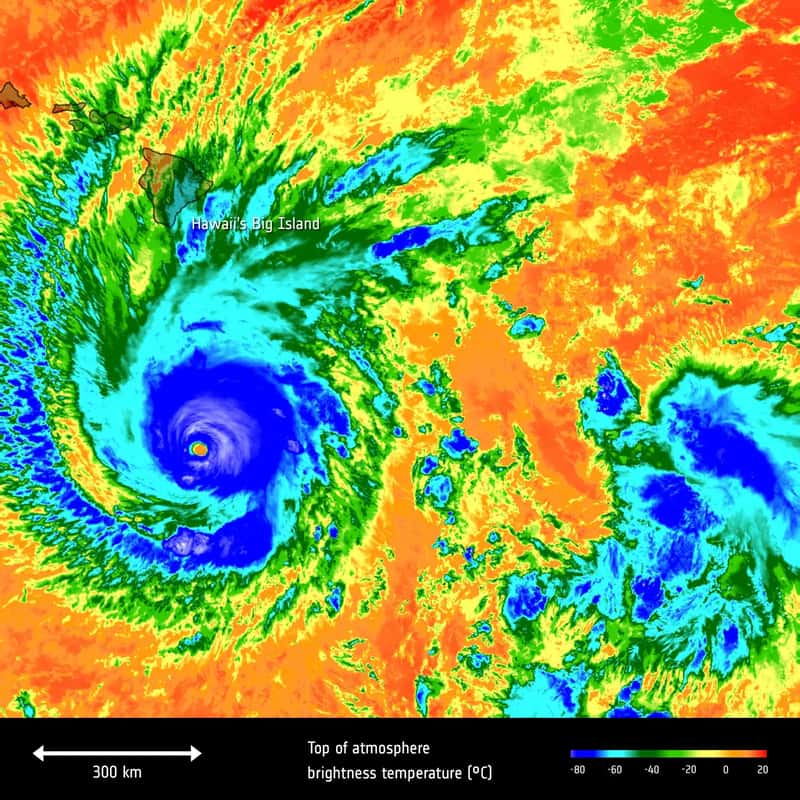
While the rain fell, the hurricane kept intensifying over open water to the south. Fox Weather described Nolo as a Category 4 storm tracking several hundred miles south of Hawaii.[2] The picture is mixed. The storm has strengthened a lot, but the worst flooding forecasts didn’t fully come true.
Flooding Reaches the Big Island
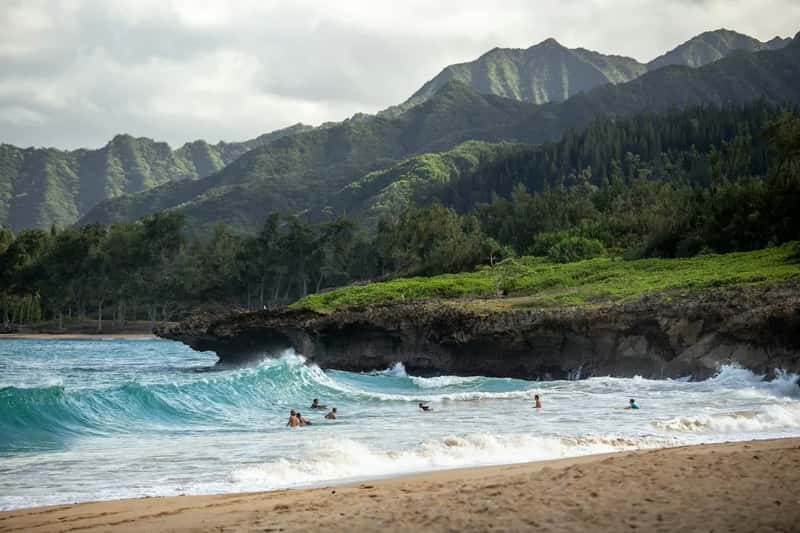
The first serious effects showed up on the Big Island’s roads. Fox Weather’s Robert Ray reported that Highway 11 near Waiohinu, in the southern part of the island, was closed because of flooding.[2] The same report noted that the island dodged the widespread catastrophic flooding that had initially been expected.
Recovery on the roads was fairly quick. Hawaii County Civil Defense later said Highway 11 had reopened to all traffic from Hilo to South Kona.[3] Localized flooding still happened, and it hit an island with little room for more water.
A Zig-Zagging Storm That Stalled Offshore
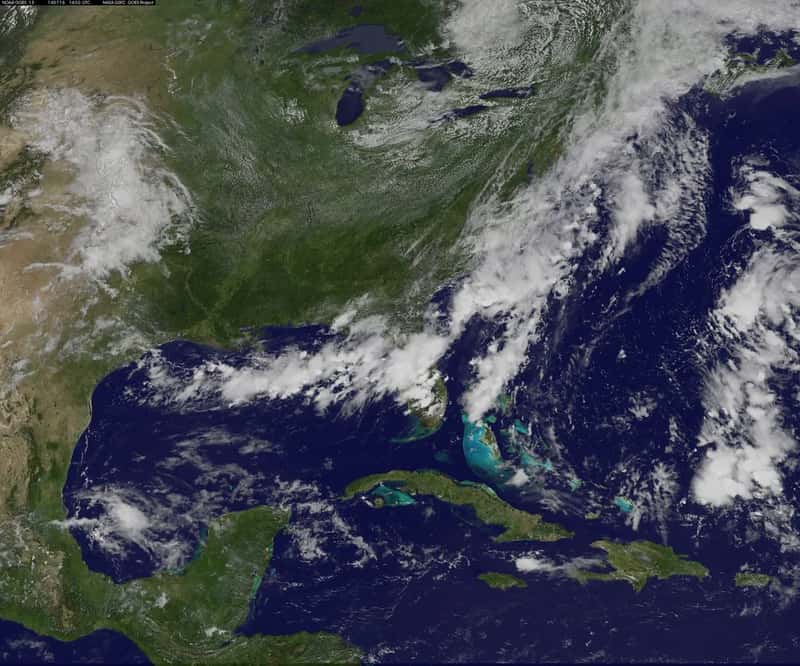
Nolo’s track made it hard to forecast. NPR called it a storm that would slow down as it neared the Big Island[4], and that slowdown drove much of the concern. On Saturday morning the center of the high-end Category 2 hurricane was 145 miles south of the Big Island, with 105 mph winds.[5] The Washington Post noted the storm was essentially parked there.
A stalled storm is bad news for rainfall totals. It can feed bands of moisture into the same slopes for hours. A hurricane watch was canceled and direct landfall by the storm’s center was not expected[1], but the outer bands still mattered.
How Much Rain Actually Fell

Early forecasts were alarming, with some projections calling for 30 to 40 inches or more. The FOX Forecast Center said those totals did not come to fruition because the storm stayed farther away.[2] The Big Island still took a real soaking.
The northeast side of the Big Island led the way, recording nearly 18 inches of rain over three days.[2] The Weather Channel reported totals over 14 inches at the highest elevations.[6] Those are big numbers, though below the worst case some models suggested.
Maui and the Rest of the State
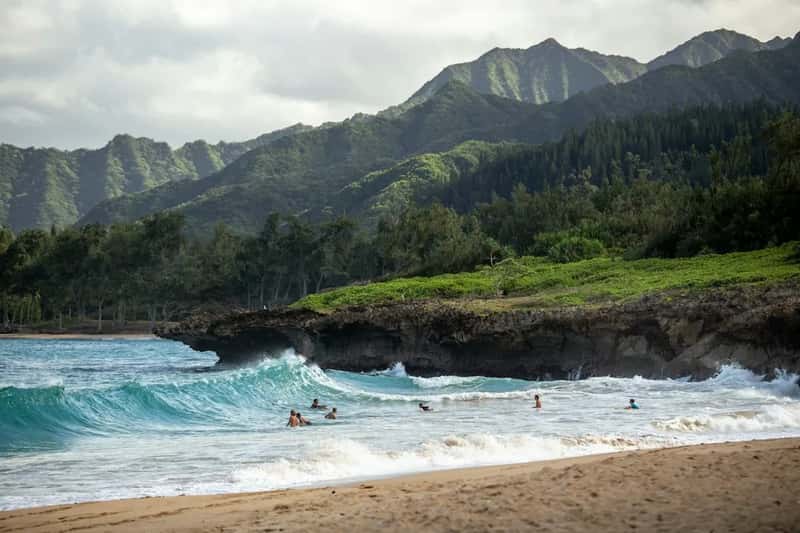
Other islands were expected to see much less rain. For Maui, 4 to 8 inches were possible, and the rest of Hawaii was likely to get 1 to 3 inches, with 5 at most.[7] Forecasters said that was still enough to trigger isolated flooding.
Officials also closed some public areas as a precaution. The Department of Land and Natural Resources closed all state parks on the Big Island and on Maui.[7] Separately, a brush fire on Maui’s west side on Saturday prompted mandatory evacuations for some residents.[1]
Dangerous Surf Along South-Facing Shores
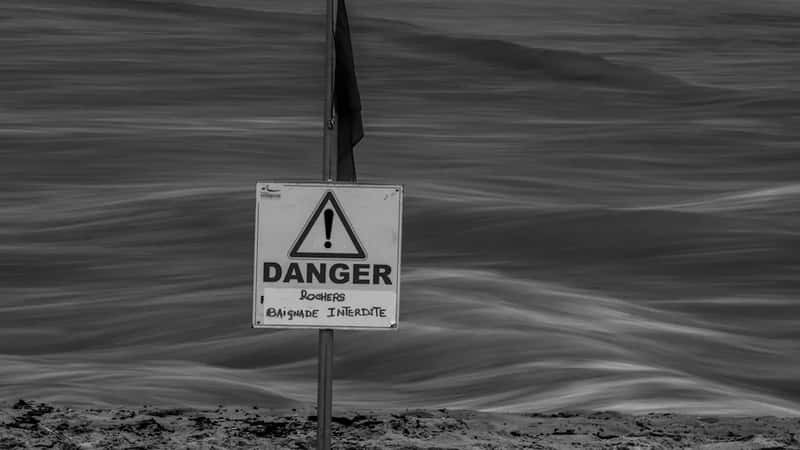
Water from the sea has been a hazard alongside the rain. The National Hurricane Center said Nolo’s swells would affect south-facing shores of the main Hawaiian Islands for days, likely causing life-threatening surf and rip currents.[7] Fox Weather shared images of massive swells at South Point on September 27.
The Weather Channel echoed the warning. It said larger swells were producing dangerous surf and rip currents across the island chain, and that this should last a few more days.[6] Anyone near the south shores should treat the ocean as a serious risk even when the sky looks calm.
Loose Soil After a Brutal Year
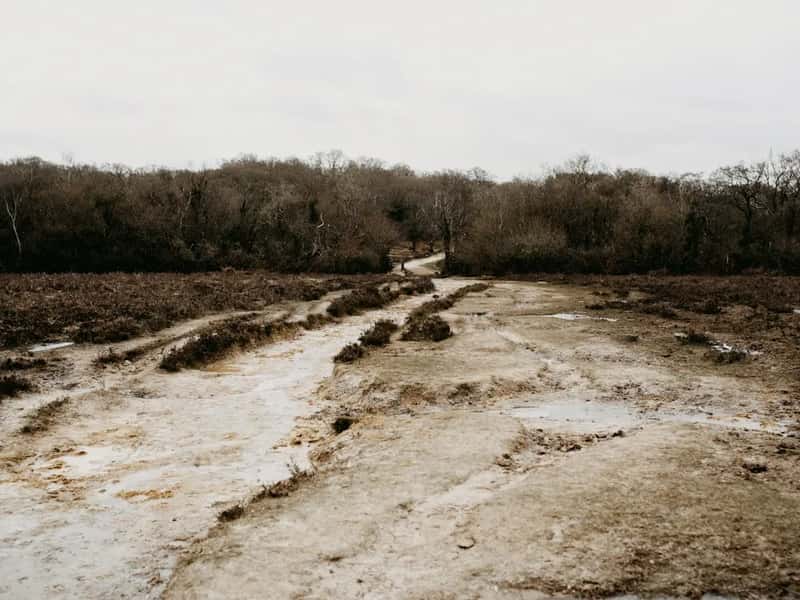
Even as the rain pulled back, the ground remained a worry. The Weather Channel said mudslides and flooding could still be a concern because soil is loose on steep terrain.[6] The Big Island had little time to dry out between storms.
The Post noted that the Big Island received a widespread 20 to 30 inches of rain from Hurricane Lala just last month.[5] Some places had only recently gotten power restored after Lala.[6] That backlog of damage is a big reason Nolo drew so much attention.
A String of Disasters Across Hawaii
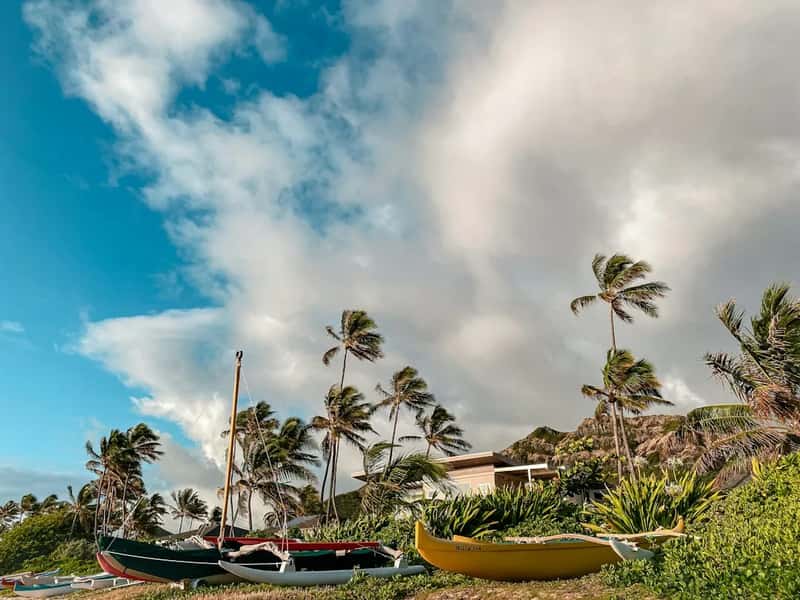
Nolo arrives after several major events. In March, a Kona low caused the worst flooding in Hawaii in over two decades, and in May a 6.0 magnitude earthquake shook the Big Island.[4] Hurricane Lala raked the islands in August, and Hurricane Lowell pummeled Kauai and other areas earlier this month.[4]
The human toll is significant. Gov. Josh Green said those four major disasters alone have damaged or destroyed about 1,290 homes.[4] Hawaiian Electric said crews that had been restoring power on Kauai after Lowell returned to Oahu, Maui and the Big Island in response to Nolo.[1]
Why the Pacific Is So Active
Nolo is part of an unusually busy season. NPR said warm water is feeding a powerful El Niño that is sparking storms and reshaping weather patterns around the world.[4] The Pacific has already seen three Category 5 hurricanes: Genevieve, Lowell and Polo.[4]
Nolo’s own history is unusual too. Only one other major hurricane, 1959’s Hurricane Dot, has tracked within 150 miles of the Big Island, according to NOAA’s database.[6] The Weather Channel called Nolo the strongest Big Island impact from a hurricane in 67 years.[6]
Federal Help and What Comes Next
Federal support is already in motion. President Trump approved an emergency declaration for Hawaii on Friday, providing federal resources and assistance for the state’s recovery from Nolo.[7] That step helps the state respond while the storm’s effects are still being measured.
The storm itself is expected to move on. Nolo could peak as a Category 5 hurricane on Monday, and it should begin to weaken after that.[6] I couldn’t confirm its latest official intensity, so check the National Hurricane Center for current advisories.
Conclusion
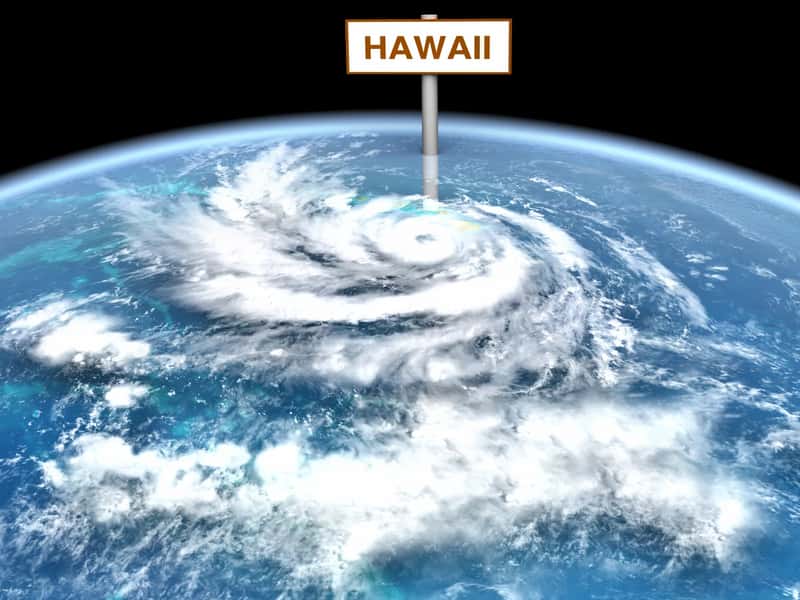
Nolo’s story so far is one of near misses and lingering strain. The storm stayed offshore, and the Big Island avoided the extreme rainfall some forecasts suggested. Even so, flooded roads, heavy rain, dangerous surf and loose soil are real problems for communities still repairing earlier damage.
A hurricane can be a distant threat and a local one at the same time. Hawaii’s challenge now is that it has had little time to recover between storms.