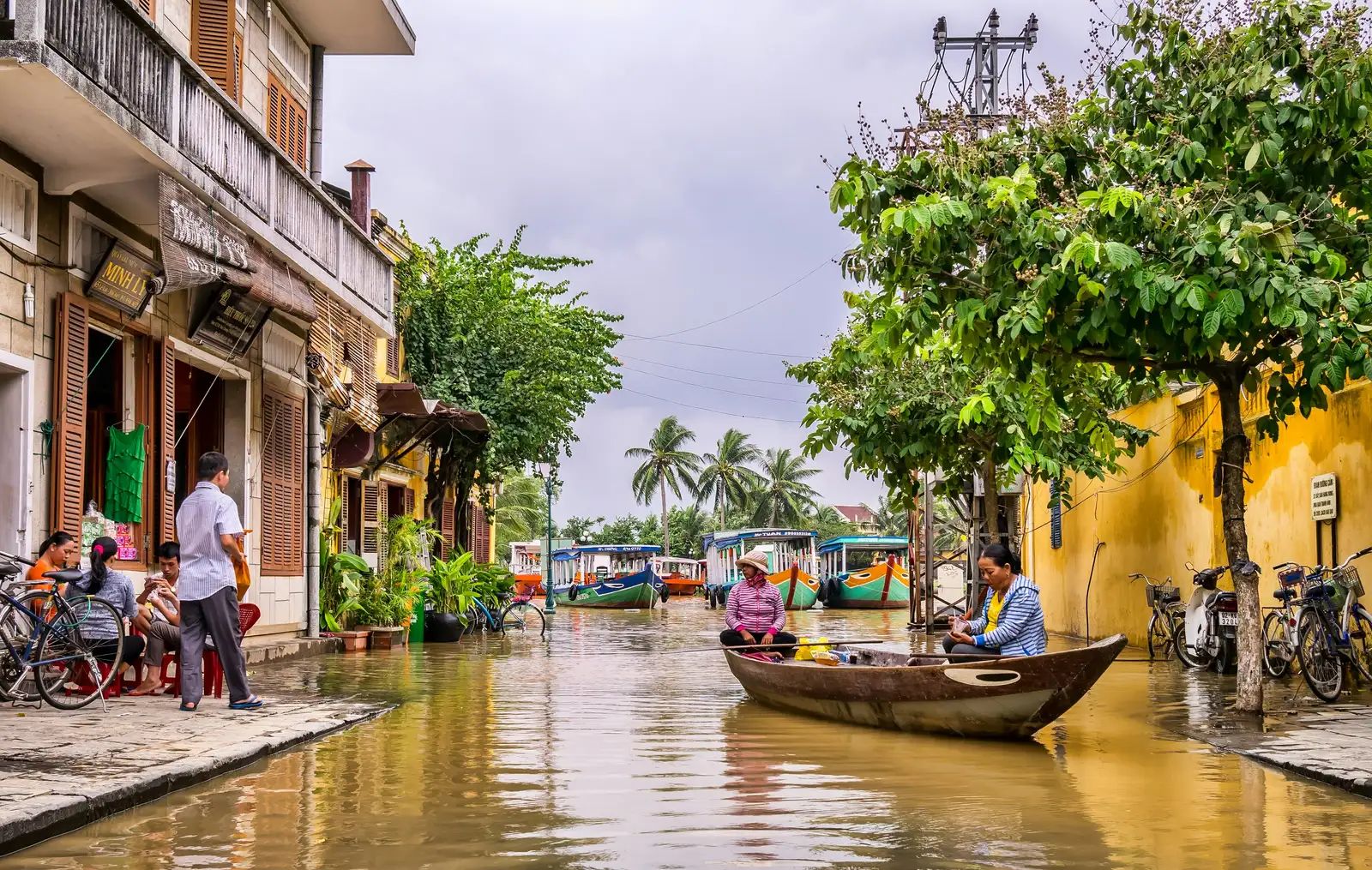
Heavy rainfall triggered widespread flooding across northern Vietnam on Thursday, cutting off roads, submerging homes and pushing several rivers past danger levels. The downpours, which dumped more than 50 centimeters in some areas, left more than 2,000 homes underwater and isolated over 1,000 households. Travelers and residents alike faced blocked routes and hazardous conditions as authorities issued warnings and closed schools in the hardest-hit provinces. ([1])
Immediate Effects on Daily Life
Many streets in the capital Hanoi stood under nearly a meter of water by Thursday morning, turning routine commutes into slow, difficult treks. Residents waded through deep pools or waited for clearer paths, while parents struggled to move children safely through the inundated neighborhoods. The sudden rise in water caught some areas off guard despite annual flood patterns.
Local officials urged caution and limited movement where possible. In affected districts, families stocked basic supplies of food and clean water as a precaution. The scene reflected the recurring challenge of seasonal rains in a region already familiar with such events.
Hardest-Hit Provinces
Ninh Binh and Thanh Hoa provinces, located south of Hanoi in a mix of lowland and hilly terrain, bore the brunt of the flooding. Authorities there directed students to remain home after floodwaters made school routes unsafe. More than 10,000 hectares of rice and other crops suffered damage or submersion across these areas and neighboring Nghe An province.
Thousands of livestock and poultry were lost in the same zones. The combination of crop losses and animal deaths added immediate pressure on local economies already navigating recovery from prior storms. Officials continued to monitor river levels as waters remained elevated.
Travel and Infrastructure Strain
Key transportation routes became impassable, stranding vehicles and complicating movement between towns. More than 1,000 households found themselves cut off from regular access to supplies and services. The disruptions extended beyond local roads to affect broader connectivity in the region.
State media reported ongoing assessments of blocked paths and isolated communities. Travelers planning routes through northern Vietnam encountered delays or detours as crews worked to clear debris and restore access. Conditions remained fluid with additional rain possible in the coming days.
Preparedness and Outlook
One Ninh Binh resident, Tran Ngoc Tai, noted that the flood occurs every year and that people had prepared with fresh water and food. Vietnam ranks among the countries most vulnerable to climate impacts, prompting recent efforts to improve flood management after a series of severe storms the previous year.
Authorities continued to track river gauges and issue updates. The focus remained on safety and restoring basic services while residents adapted to the temporary changes in their surroundings. Recovery work is expected to begin once waters recede.