Summer gets all the credit along the Eastern Seaboard, but anyone who has actually stuck around past Labor Day knows the real secret. The crowds thin, the light turns gold instead of harsh, and restaurants stop making you wait forty minutes for a table. Add in migrating whales, storm-driven surf, and festivals built around apple cider instead of sunscreen, and autumn starts to look like the smarter season to book.
From Maine’s rocky coastline to the barrier islands further south, these ten towns trade beach-blanket chaos for something quieter and, in many cases, more interesting. Here is where fall genuinely outshines summer, and why.
Cape May, New Jersey
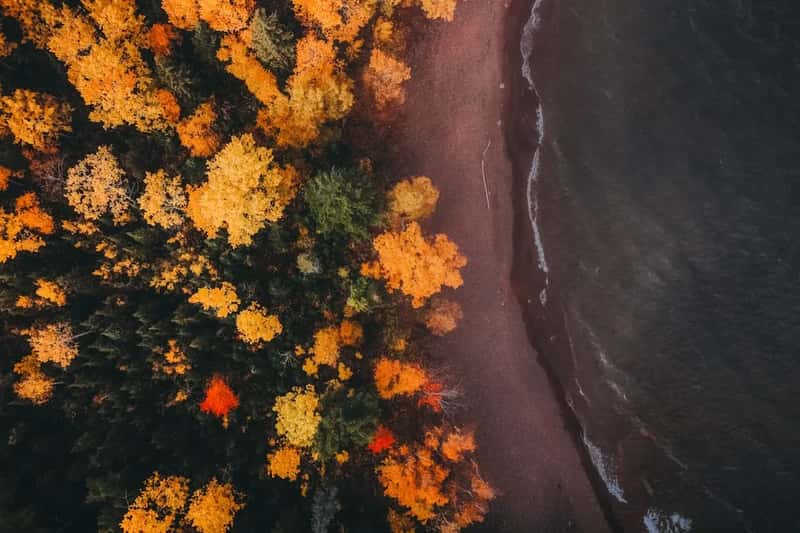
Cape May turns into one of the best birdwatching spots in North America once autumn arrives, and that’s not exaggeration. The legendary fall bird migration reaches its peak in late September and October, alongside the Harvest Brew Fest and Oktoberfest in September and the Lima Bean Festival in October.[1] The town’s Victorian architecture, already the largest such collection outside San Francisco, looks even better under low autumn light than it does at midday in July.
Fall light is arguably the best time to see it, since lower autumn sun angles catch the porches and cupolas in a way that flattens out under the harsher midday light of July.[2] Birders aren’t the only ones who benefit either. Fall is considered Cape May’s shoulder season, meaning easy parking, no wait times at top restaurants, and peaceful beaches compared to July and August.[3]
Bar Harbor, Maine
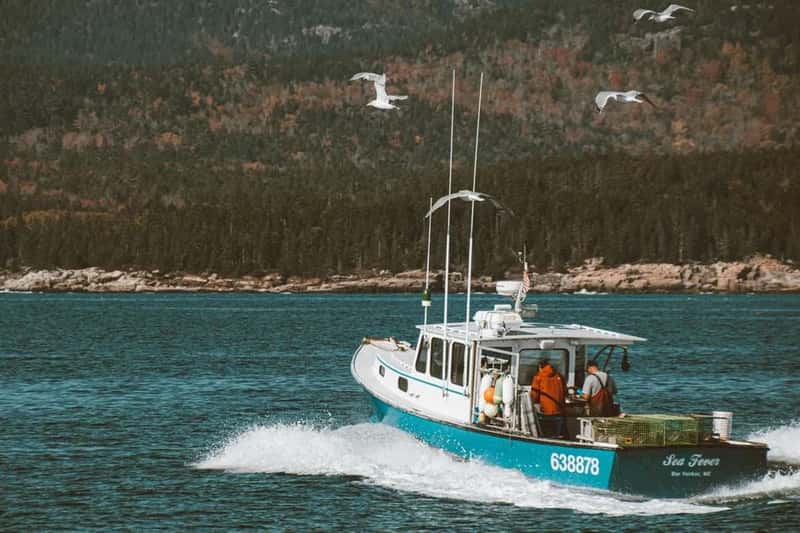
Bar Harbor’s summer crowds are legendary, and so are its parking headaches. Autumn solves both problems while delivering the scenery visitors actually came for. Bar Harbor and Acadia’s peak foliage runs mid-October through late October, occasionally stretching into early November in mild years.[4] Cadillac Mountain, Jordan Pond, and the Park Loop Road all become a different kind of postcard once the maples turn.
Whale watching stays strong into the season too, with operators reporting sightings of humpbacks, fin whales, and other marine life well into fall. Average highs settle around 57°F with lows near 41°F, cool enough for layers but still comfortable for hiking.[5] Just know the town empties out fast after Columbus Day, so early-to-mid October is the sweet spot before things start closing for winter.
Outer Banks, North Carolina
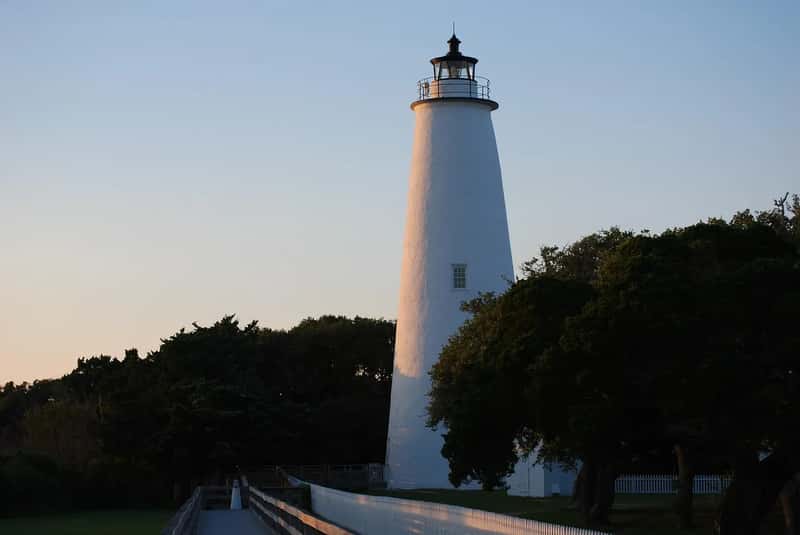
Surfers already know this one. Fall is considered the best time for surf in the Outer Banks, as crowds thin out, winds go offshore, and the water stays warm into October.[6] That combination of warm water and bigger swells doesn’t happen in summer, when the waves are smaller and the lineups are packed.
Beyond surfing, the whole vibe shifts once school starts back up. Spring and summer bring families and students, while fall is when couples and empty-nesters arrive for a quieter kind of break.[7] With thinner crowds, fall is an excellent time to visit the iconic lighthouses, like Cape Hatteras Light Station and Currituck Beach Lighthouse, without fighting for parking.[8]
Rehoboth Beach, Delaware
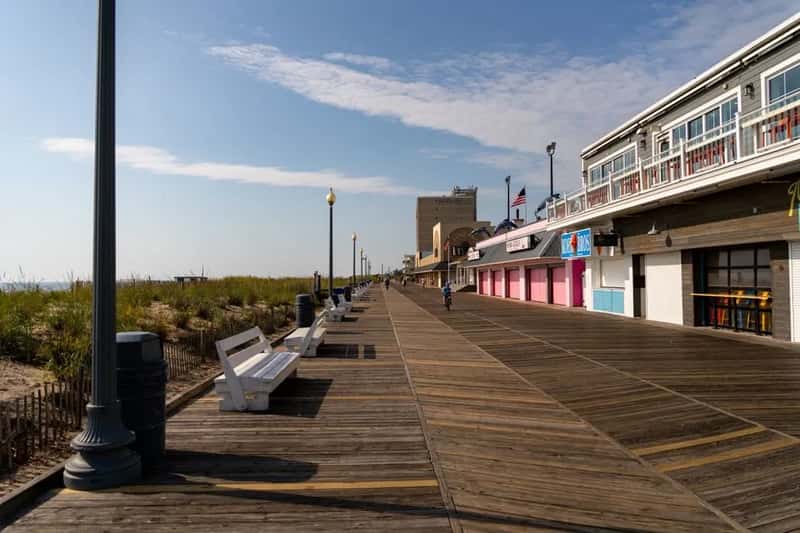
Rehoboth is a Mid-Atlantic institution in summer, but locals openly call the shoulder season the better half of the year. September still feels like summer, with highs averaging around 70°F and the ocean warm enough for swimming into early October, while the weekly farmers market continues and the boardwalk stays walkable.[9] The Sea Witch Festival, a Halloween-themed weekend that takes over the boardwalk, has become as much of a draw as anything in July.
What makes Rehoboth stand out from other shore towns is how little actually shuts down. Nearly every shop and restaurant stays open year round, and the towns keep the tourism economy going through fall with almost weekly festivals and events.[10] Add free parking after mid-September and half-price seafood specials at local restaurants, and the math clearly favors an autumn trip over a July one.
Provincetown, Massachusetts
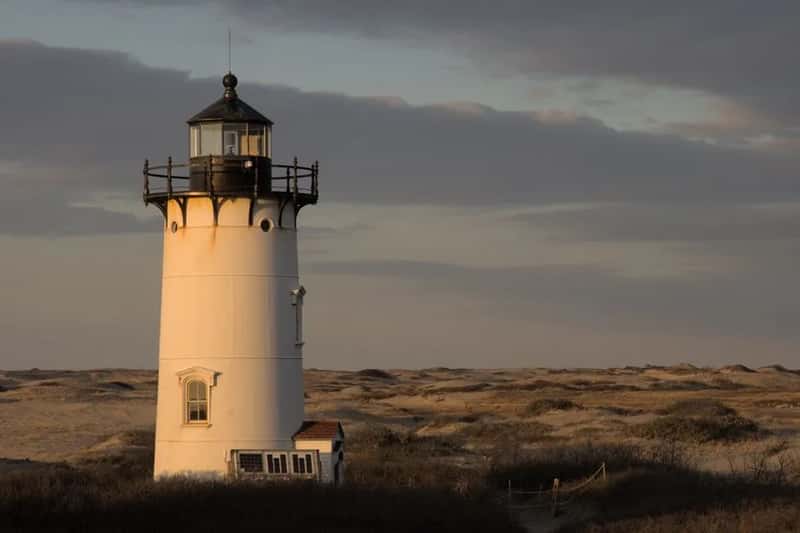
At the tip of Cape Cod, Provincetown swaps its packed summer sidewalks for something more contemplative once September rolls around. The town’s art galleries and dune shacks, subjects for painters going back generations, feel less like tourist stops and more like actual working studios when the crowds recede. Whale watching boats continue running well into fall, timed to the humpback and finback migrations that pass through Stellwagen Bank offshore.
Restaurants that required reservations weeks out in August suddenly have tables available the same night. The harbor light, always a draw for photographers, takes on a sharper clarity once the summer haze burns off. For a town built around slow mornings and long dinners, autumn simply suits the pace better than a crowded Fourth of July weekend ever could.
Chincoteague, Virginia
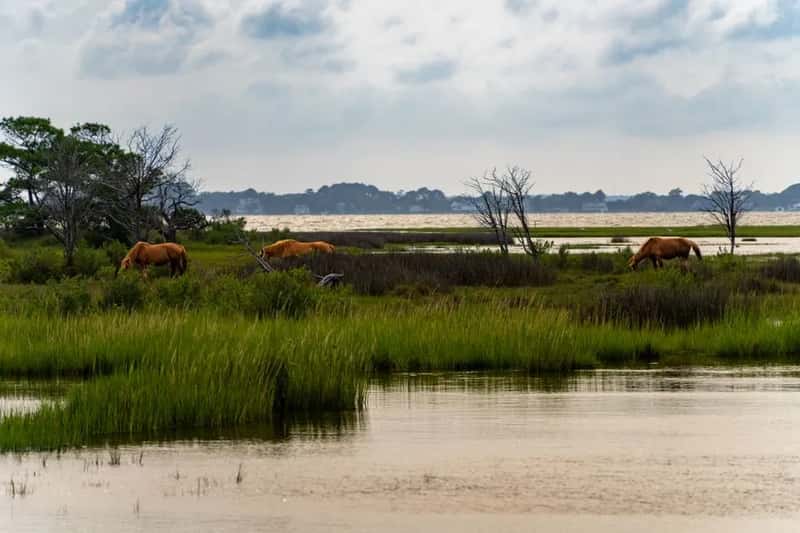
Chincoteague is best known for its wild ponies, but the island’s real charm in autumn is how empty the beaches become. Assateague Island National Seashore, which shares the barrier island, sees a dramatic drop in visitors once families head back to school, leaving miles of shoreline to birdwatchers and quiet walkers. Migratory waterfowl pass through the refuge in large numbers, making fall a strong season for anyone with binoculars rather than a beach umbrella.
The town itself leans into its slower rhythm, with local seafood shacks serving up blue crab and oysters that are genuinely at their best in cooler months. Fewer boat tours and kayak rentals mean the ones that do run in fall often feel more personal, less like a shuttle service. It’s a town built around nature rather than nightlife, and nature simply looks better without the summer traffic.
Folly Beach, South Carolina
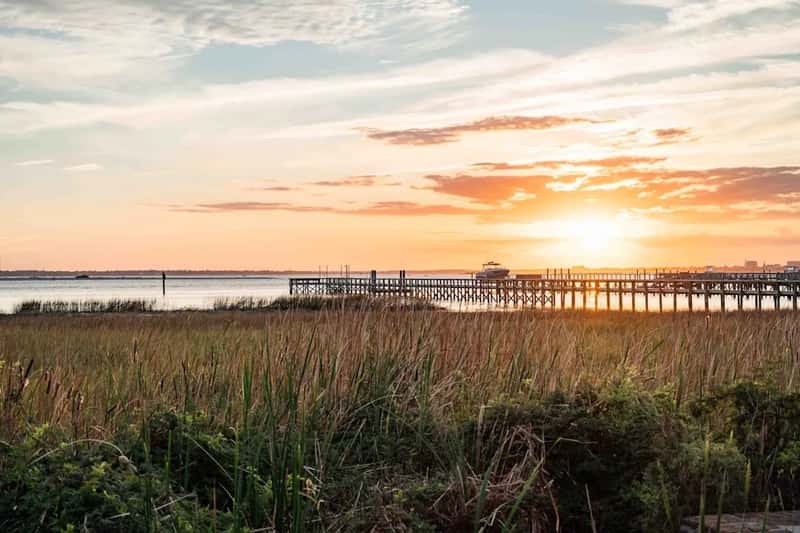
Just outside Charleston, Folly Beach trades its summer surf crowds for a more manageable version of the same appeal. Water temperatures stay comfortable well into October along this stretch of coast, letting visitors get in a swim without the peak-season parking wars near the pier. The town’s laid-back surf shops and seafood stands stay open, just with noticeably shorter lines.
Charleston itself, a short drive away, becomes far easier to enjoy once the punishing summer humidity breaks. Historic home tours and horse-drawn carriage rides through downtown feel far less miserable at seventy degrees than at ninety-five with full humidity. Pairing a beach afternoon in Folly with an evening in Charleston’s restaurant scene is a combination that works much better once fall temperatures settle in.
Tybee Island, Georgia

Tybee Island near Savannah holds onto warm water later into the year than most East Coast beach towns, making it a genuine extension of the swimming season rather than just a scenic fall visit. Shrimping season peaks in the fall months, which means the seafood on offer at local restaurants is arguably better than what’s available at the height of summer. The lighthouse and historic fort at the island’s edge draw a fraction of their peak-season visitors, letting people actually explore without a crowd.
Savannah’s Spanish moss and oak-lined squares, just a twenty-minute drive inland, take on their own kind of appeal once the summer heat index drops. Combining a Tybee beach morning with a Savannah walking tour in the afternoon is a pairing that’s far more pleasant without the oppressive heat of July. Fall also tends to bring fewer tropical storm scares by late October, once hurricane season starts to wind down.
St. Augustine, Florida
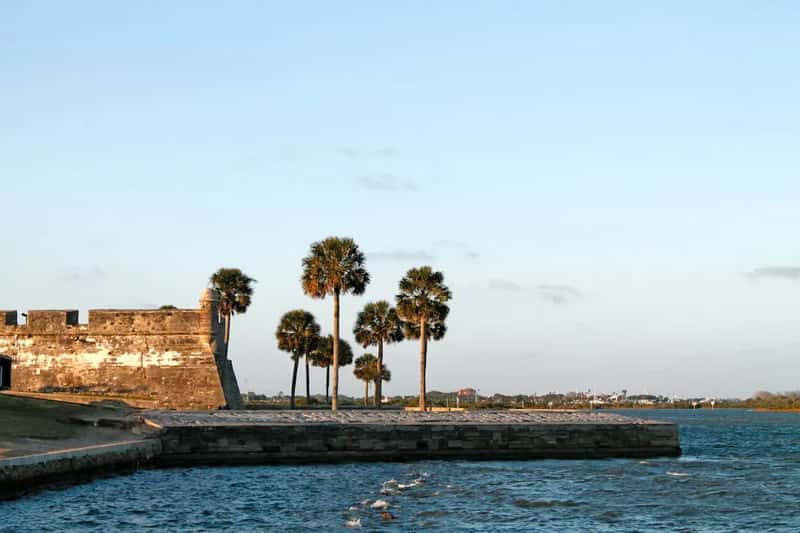
As the oldest continuously occupied European-established city in the United States, St. Augustine carries a historic weight that gets overshadowed by beach chairs in summer. Autumn brings noticeably lower humidity and more comfortable daytime temperatures, making it easier to actually walk the cobblestone streets of the historic district without wilting. The Castillo de San Marcos, the old Spanish fort at the heart of downtown, is far more enjoyable to tour when it isn’t a sweaty slog.
St. Augustine Beach itself stays warm enough for swimming well into the fall, since Florida’s coastal water temperatures lag behind the calendar by a month or more. Hotel rates typically drop once the summer family crowd clears out, which makes a fall trip noticeably cheaper than the same stay in July. Ghost tours and Gilded Age mansion visits, both signature St. Augustine activities, feel more atmospheric once the evenings turn cooler.
Block Island, Rhode Island
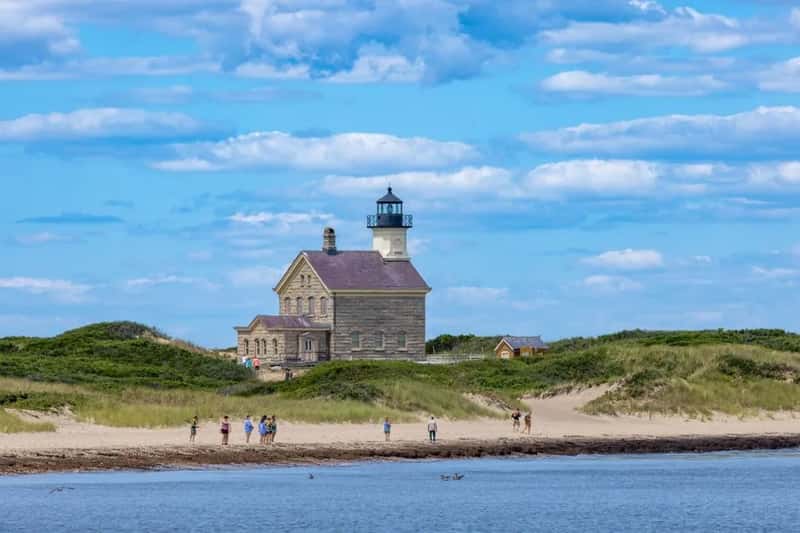
Block Island’s summer ferry lines and packed bike rental shops give way to something far more peaceful once September arrives. The bluffs at Mohegan and the island’s dramatic coastal cliffs look their best under the softer autumn light, without the haze that settles over Rhode Island Sound in midsummer. Fewer day-trippers means the island’s network of hiking trails, most of which wind through the Nature Conservancy’s protected land, become genuinely quiet again.
Local restaurants that packed people in during July suddenly have room to breathe, and prices on ferry tickets and lodging tend to soften. Fishing charters targeting striped bass and bluefish see some of their best action in the fall run, drawing anglers rather than sunbathers. For a thirteen-square-mile island that can feel overwhelmed in August, autumn restores something closer to its original, unhurried character.