It sounds like such a small thing. Flip the switch before you walk in. Who would ever think twice about that? Yet seasoned hotel workers – people who have checked in thousands of guests, cleaned hundreds of rooms, and seen things that would genuinely surprise you – swear by this one quiet ritual. It’s not superstition. It’s street-smart travel wisdom, and once you understand the reasoning, you’ll never forget it.
There’s actually a lot more going on inside a hotel room than most guests realize. From privacy threats and security gaps to fire hazards and hygiene surprises, that cozy temporary home of yours can hide a few uncomfortable secrets. Let’s dive in.
1. Turning Off the Lights Reveals What Shouldn’t Be There
Here’s the thing most travelers never think about: darkness is your best friend when you first walk into a room. One of the first ways to check for hidden devices is to turn off all the lights and turn on a flashlight, then shine the light at all surfaces to see if there are any reflections that shouldn’t be there. If a camera lens is present anywhere in that room, light will give it away with a tiny but unmistakable glint.
Hidden cameras are often disguised as everyday objects and easily blend in with their environment. Think alarm clocks, picture frames, decorative lamps. Tiny cameras may be smartly hidden inside clocks, lights, USB chargers, smoke detectors, and decorative items placed in the room. The darkness sweep takes about sixty seconds and could save you from a serious privacy violation.
2. The Hidden Camera Problem Is More Real Than You Think
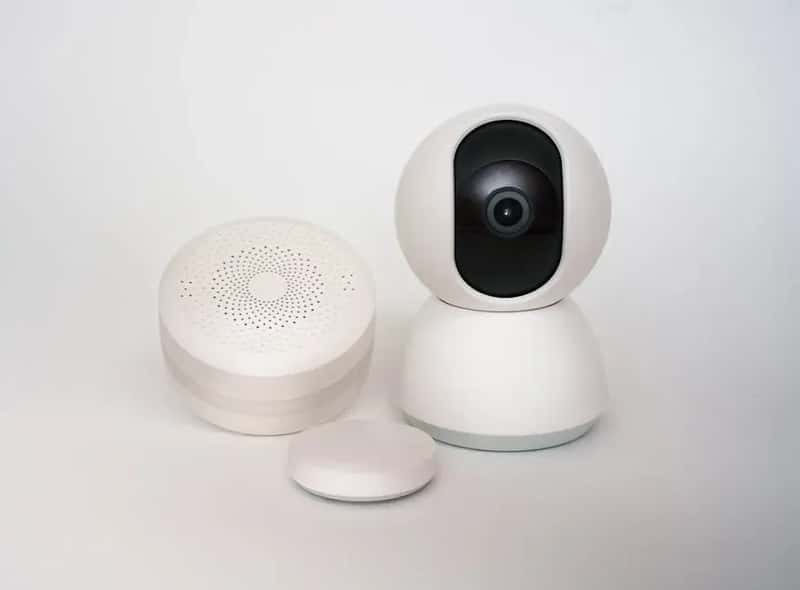
About nearly two thirds of travelers are wary of hidden cameras in hotels and rental properties, and roughly one in ten have actually discovered one. That’s a startling number. With the rise of surveillance technology, cameras have simply gotten cheaper and easier to install, enabling bad actors.
In March 2024, a family on vacation in Arizona allegedly found a hidden camera disguised as a smoke detector in the bedroom and filed a lawsuit over it. These are not isolated cases of paranoia. In the U.S., recording hotel guests in private spaces without their consent is illegal, including video and audio recordings. Knowing that, the dark-room sweep becomes less of an oddity and more of a standard practice.
3. Darkness Helps You Spot Suspicious Light Sources
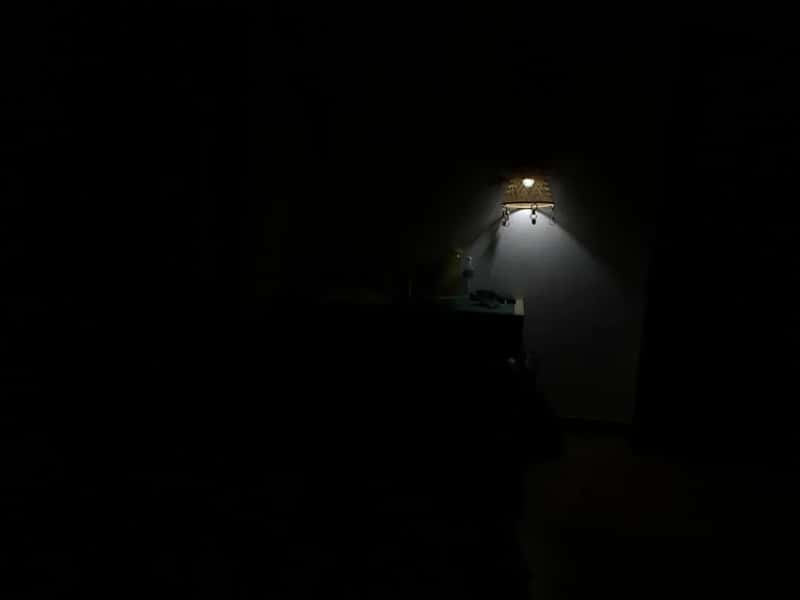
This one surprises people. When you turn off the lights before entering, your eyes immediately adjust and any unexpected light source in the room becomes obvious. A flashlight is a practical approach for finding hidden cameras – spy camera lenses can reflect light with just a tiny glimmer. Close the curtains, turn off all the lights, and slowly shine a flashlight across objects, shelves, vents, and suspicious corners. Watch for any glint or shine, as a small flash of reflection might be a hidden lens.
Honestly, it is like hunting for a coin in the dark. You’d never spot it under bright overhead lighting, but a single beam aimed at the right angle tells you everything. Some hidden cameras may even emit faint buzzing or clicking sounds when in operation, so it’s worth listening carefully for any unusual sounds in the room while doing your sweep. The quietness that comes with stepping into a dark room heightens both your vision and your hearing at once.
4. Check for Visibility Gaps From the Outside
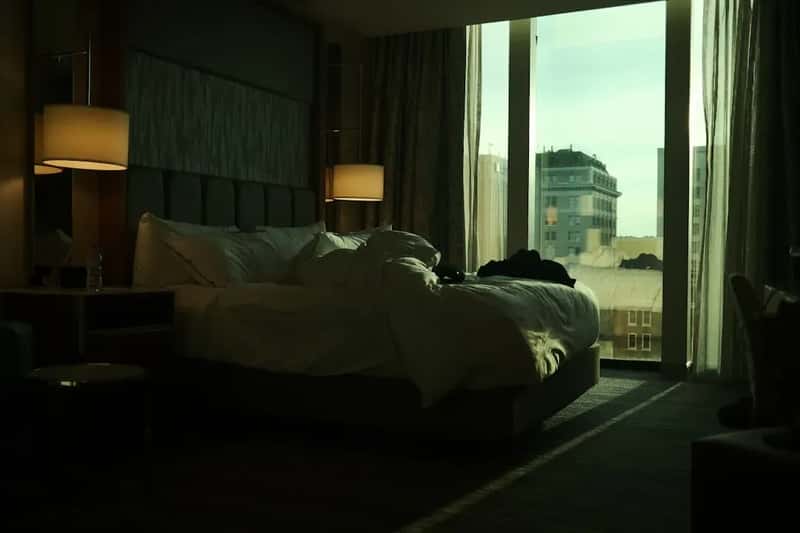
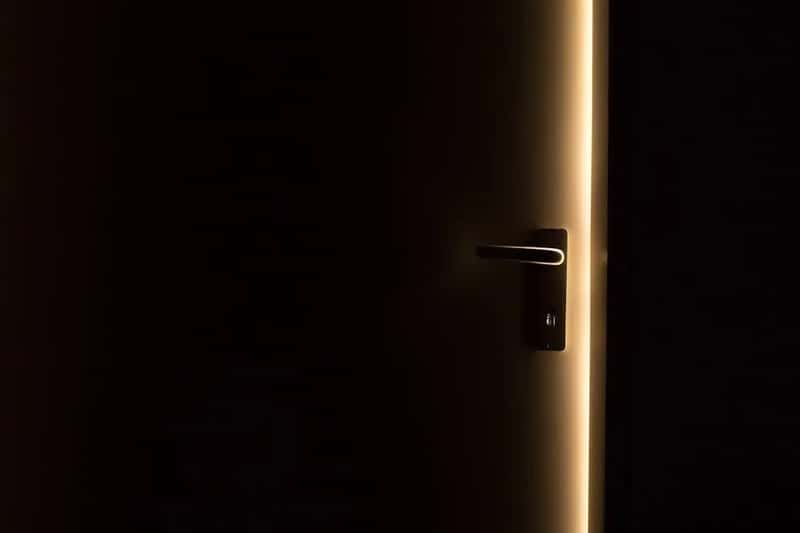
Former hotel staff also use the lights-off trick from the opposite direction. To check for visibility gaps, turn off the lights inside the room and close the curtains or blinds. Then, stand outside the room and look for any light coming through the door. If you notice any gaps, it is advisable to use a towel or cloth to cover them. This prevents anyone in the hallway from peering into your room at night.
When traveling alone, keeping the curtains closed at all times – even during the day, especially when you’re not there – ensures that anything in your room can’t be seen from outside. It sounds simple, but most people never think about it. A gap in the curtains might seem harmless, but to someone with bad intentions in the corridor, it’s an open invitation to observe your routines.
5. It’s a Smart Security Read Before You Settle In
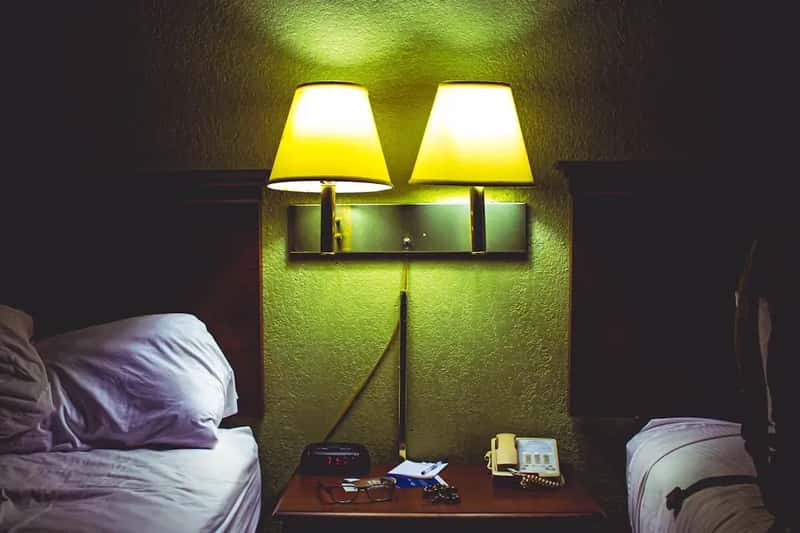
Think of the moment you enter a new hotel room like stepping onto unfamiliar ground. You want information before you commit. When you get to your room, you should check inside to ensure no one is hiding – it sounds extreme, but there are cases where an intruder has hidden in a room until the person falls asleep and then assaulted them. A quick sweep in semi-darkness makes any presence far more detectable than you’d expect.
When you arrive, check behind curtains, under the bed, and around the room to ensure it is safe. This is actually advice from the U.S. State Department’s official lodging safety guidance. It’s not paranoia – it’s protocol. One of the first things you should do when entering your room is to familiarize yourself with the security features. Doing it in limited light forces you to be deliberate, not rushed.
6. The Energy-Saving Keycard System and What It Tells You
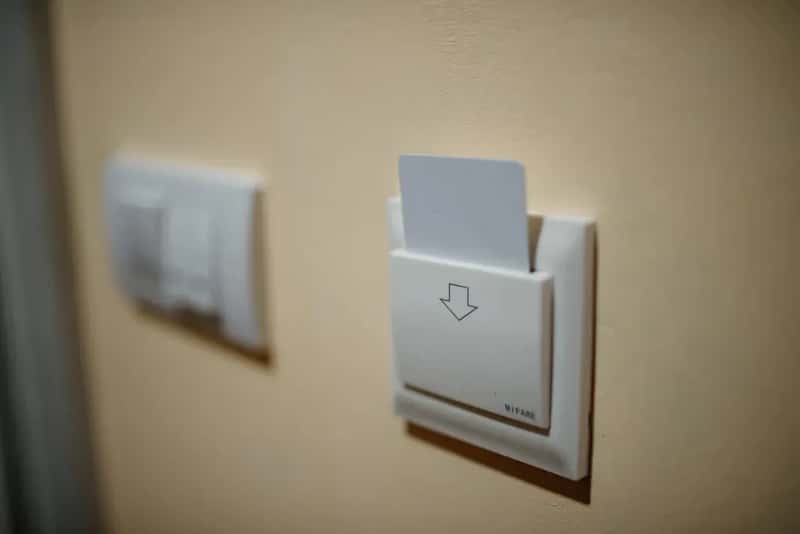
Here’s an interesting behind-the-scenes fact that most guests never think about. In some hotels, when the guest leaves the room and takes out the room card, the system will automatically turn off all lights after a set time to save energy. This means hotel rooms are specifically designed around a darkness default when unoccupied. The system assumes lights off equals safe and unoccupied.
Some keycard systems are designed to turn off the lights in the room and cycle the HVAC unit when the guest removes the card key from the controller. So there’s a built-in logic embedded in hotel design: lights on means someone is in the room. When you flip off the lights deliberately upon entering, you’re essentially resetting that logic and giving yourself a clean, honest read of the space before you accept it as yours.
7. Fire Safety Awareness Starts in the Dark
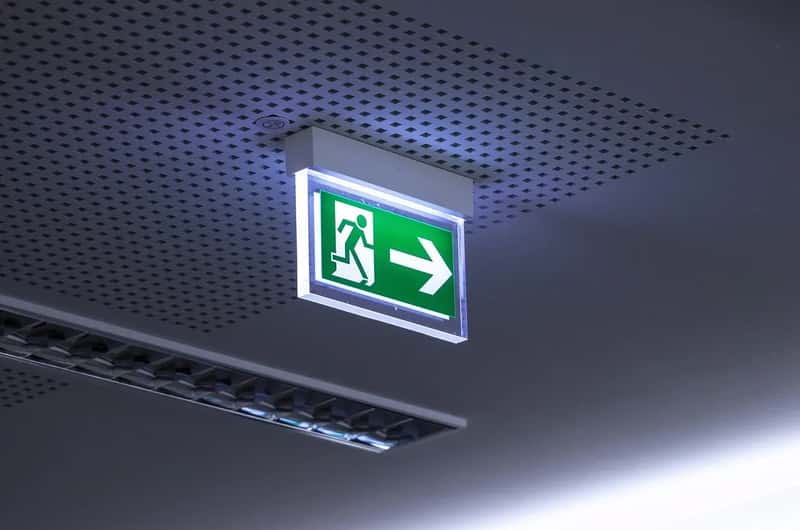
Each year, there are almost 4,000 hotel and motel fires reported in the U.S. The U.S. Fire Administration advises studying the hotel’s evacuation plan carefully, and counting the number of doors between your room and the nearest exits, so that you can safely navigate an escape in the dark. That last part is key – “in the dark.” If you’ve never practiced navigating the space in low light, a fire at 3 a.m. becomes terrifying.
Entering with the lights off and briefly orienting yourself in darkness is a way to make that mental map. On arrival at the hotel, walk to the nearest fire exit from your room, check it looks in good working order, and then memorize your route to the fire exit. If there were a fire and there was smoke, you might not be able to see anything and might have to feel your way along. A few seconds of darkness when you first enter can genuinely prepare you for that worst-case scenario.
8. Darkness Exposes Unexpected Electronic Signals
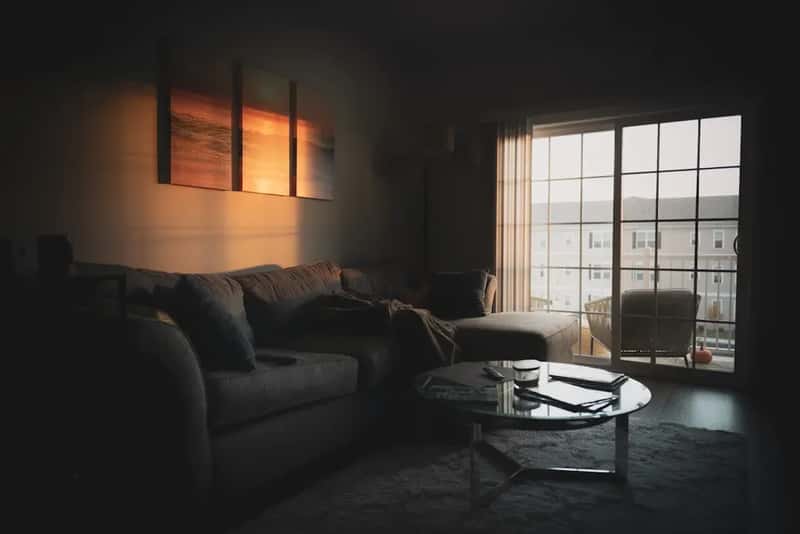
Modern hotel rooms are full of electronic devices, and not all of them belong to you. Electric devices are one of the main spots to focus on – small hidden cameras typically do not have long-lasting batteries and usually need a power source to operate. In the dark, active electronic devices often emit subtle glow indicators, LED pulses, or faint indicator lights that are invisible under normal room lighting.
Since a hidden camera needs a power source to work, check for unnecessary wires in the room and follow them to find the connection. Inspect thoroughly to see if they seem connected to suspicious objects such as toys or unusual gadgets. It’s harder than it sounds in a bright room. Darkness strips away the visual noise and forces suspicious things to stand out. Think of it like stargazing – you can’t see faint stars in daylight.
9. It Reduces the Risk of Missing What’s Right in Front of You
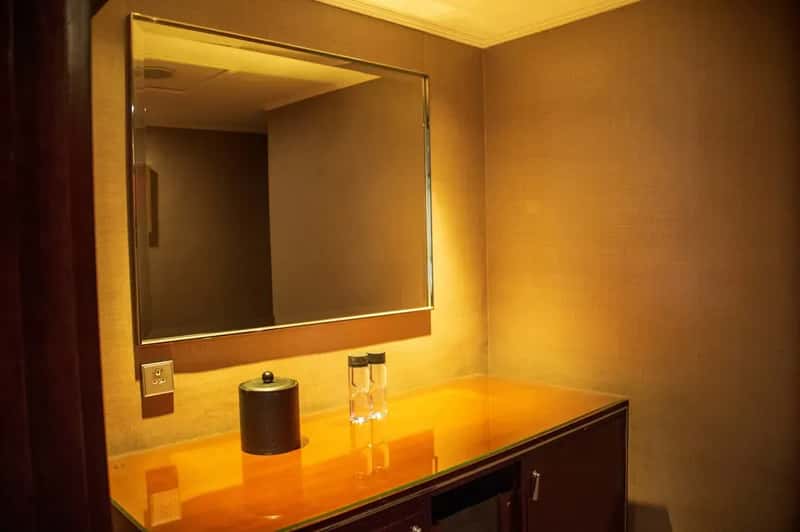
I think part of the reason the lights-off trick works so well is psychological. Walking into a bright hotel room fires off a cascade of distractions. The view, the bed, the mini-fridge, your phone buzzing. Upon checking in, you should check the room for unusual electronics. That’s hard to do when everything looks glossy and normal under warm lighting. Darkness removes the aesthetic comfort and forces genuine observation.
You should check around for any suspicious-looking devices or lights that could be a camera. The most common places for hiding cameras are in mirrors, picture frames, light bulbs, smoke detectors, clocks, lamps, plants, and plug sockets. In a darkened room, a blinking LED you would have mentally dismissed suddenly becomes very interesting. Former hotel staff know this. They’ve seen too many things that went unnoticed because guests were too comfortable too quickly.
10. Combine It With These Practical Safety Steps

The lights-off habit works best as part of a broader entry routine. Check for carbon monoxide detectors, fire alarms, and fire extinguishers. Ensure all doors and windows, including the bathroom door, lock properly. These are not dramatic measures. They take under three minutes and make a meaningful difference.
If someone comes to your door unexpectedly and claims to be hotel staff, call the front desk to make sure the visit was actually authorized. Never open your door to someone until you’re sure of their identity; use the peephole instead. Pair that habit with the dark-room check on arrival and you’ve already done more than most hotel guests ever do. A common hotel safety hack also includes carrying your own rubber door stop and placing it behind the hotel room door – if someone gains unexpected access, the rubber door stopper adds an extra layer of security and is almost impossible to move. Small habits, stacked together, build real protection.
Conclusion

It sounds almost too simple. Turn off the lights, pause, look around. Yet that single habit distills decades of insider knowledge from people who have seen hotel rooms at their best and worst. It gives you back something that busy, distracted travel tends to take away: your attention.
Hotels are overwhelmingly safe, and the vast majority of stays go perfectly. Still, the travelers who stay consistently protected are the ones who don’t wait for something to go wrong before they start paying attention.
Next time you slide the keycard into the door and hear that click, try it. Stand in the dim light for just a moment before you reach for the switch. See what you notice. Would you have spotted it with the lights blazing?