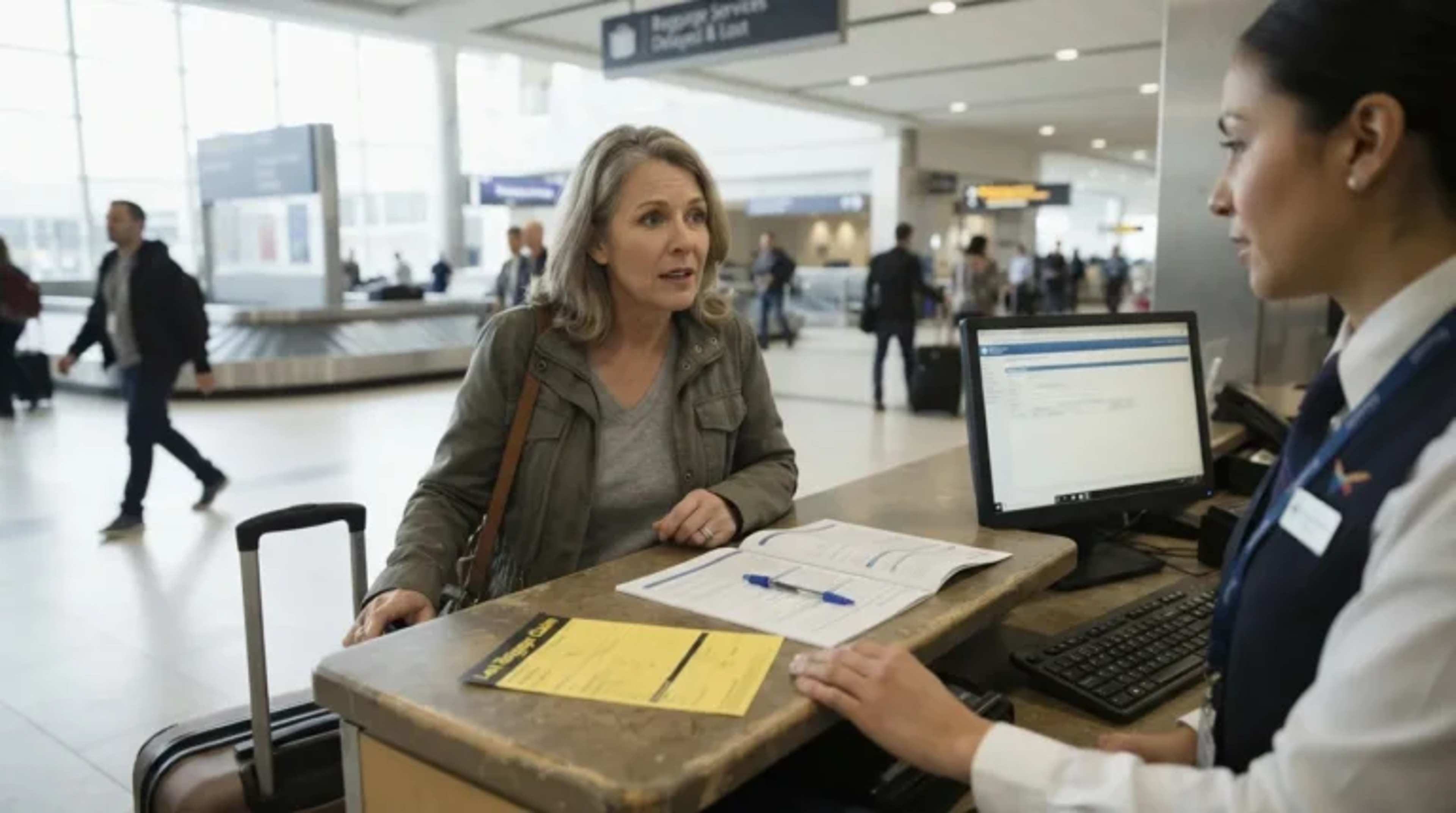
Most people think business travel is about status perks and comfy seats. It isn’t. It’s about survival math – shaving minutes off every step so a 6 a.m. flight doesn’t wreck a 9 a.m. pitch meeting three time zones away. The travelers who fly every single week don’t wing it. They follow rules, and most of those rules go against everything the average vacationer has ever been told.
Some of these habits sound almost paranoid until you’ve missed one connection that cost a client meeting. Others are so simple you’ll wonder why nobody told you sooner. Here’s what actual road warriors – the ones logging over 100 flights a year – actually do differently.
27. Book the First Flight of the Day, Never the Cheapest
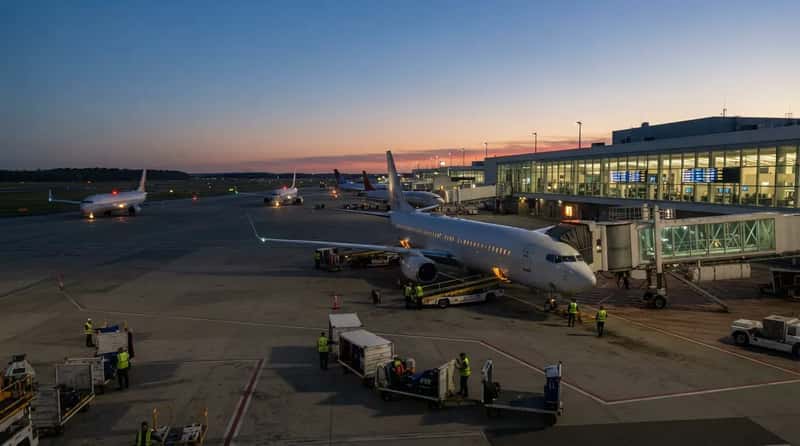
Frequent flyers almost never book the cheapest fare on a busy travel day. They book the earliest one instead, because early flights rarely get cancelled and any delay still leaves room to rebook before the day is lost. A 6 a.m. departure that goes wrong at 7 a.m. still has ten more flights behind it to fix the problem.
A 9 p.m. flight that gets cancelled leaves you stranded overnight with no options and a missed meeting the next morning. This single scheduling trick is the quiet reason some travelers seem to “never” get stuck, while others get stranded constantly. It has nothing to do with luck.
26. Never Check a Bag, Period
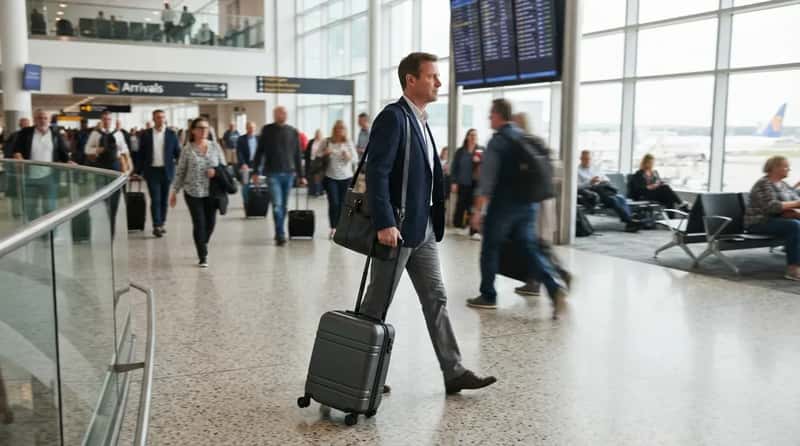
Checked-bag fees have become one of the most resented costs in travel, and frequent flyers have simply opted out entirely. U.S. airlines brought in more than $7.4 billion in passenger baggage fees in 2025, up 162 percent over five years. That number alone explains why seasoned travelers treat carry-on-only as a non-negotiable rule rather than a preference.
Beyond the cost, a checked bag is a single point of failure. If it’s lost, delayed, or simply slow to hit the carousel, an entire trip’s timeline can collapse in the first ten minutes after landing. Fees have only climbed further, with most major domestic carriers raising them by another $10 in early 2026 to offset rising fuel costs. Frequent flyers see that trend and pack lighter every year, not heavier.
Fast Facts
- U.S. airlines collected more than $7.4 billion in baggage fees in 2025
- That figure is up 162 percent over the past five years
- Many major carriers added another $10 fee hike in early 2026
- A lost or delayed checked bag can derail an entire trip’s first hour
25. Keep a Permanently Packed “Go Bag”

The best-kept secret among people who travel for work constantly is that they never actually pack from scratch. A dedicated bag stays half-loaded at all times – toiletries, chargers, a spare charging brick, even a folded blazer – ready to go with 45 minutes’ notice.
This isn’t about being obsessive; it’s about removing decision fatigue on the one day it matters most. The travelers who never look rushed at the gate are usually the ones who packed nothing that morning at all. Everything was already sitting by the door from the last trip. It sounds excessive until a same-day client call turns into a same-night flight.
24. Screenshot Everything Before Leaving Wi-Fi
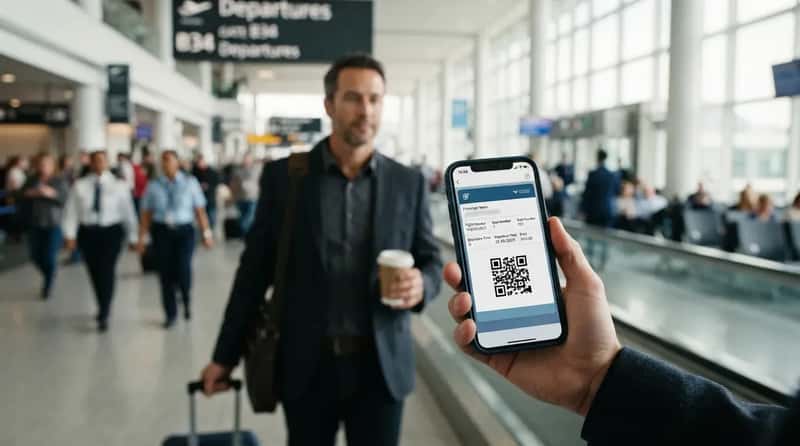
Boarding passes, hotel confirmations, rental car codes – frequent travelers screenshot all of it before they ever leave a reliable connection. Airport Wi-Fi is unreliable, and cellular data dies fast in underground terminals or overseas SIM gaps.
A screenshot doesn’t buffer, doesn’t require login, and doesn’t care if the airline’s app crashes at the worst possible moment. It’s a small habit that solves a surprisingly common travel-day disaster. Most delays at security aren’t about the line – they’re about someone frantically trying to reload a boarding pass that never loads.
23. Ignore the Airline’s “Minimum Connection Time”
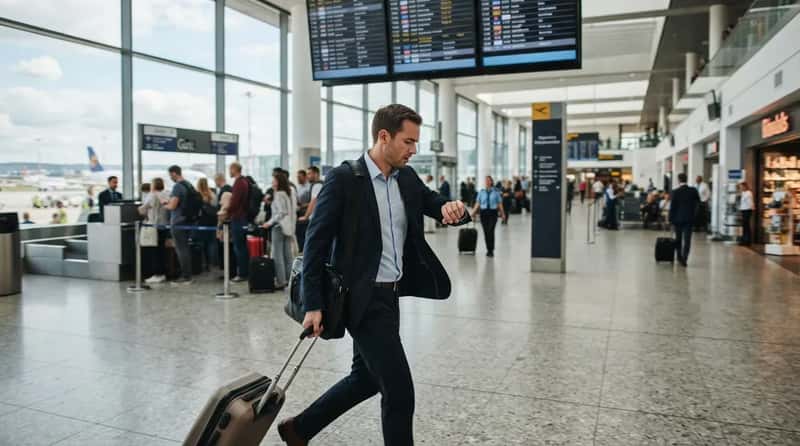
Airlines publish a legal minimum connection window, and frequent flyers largely ignore it as a real planning number. That 35-minute minimum assumes a perfect on-time gate, no taxi delay, and no terminal change – a combination that rarely happens during peak travel hours.
Veteran travelers instead build their own personal buffer, often doubling the airline’s number for anything involving a terminal switch. It feels overly cautious right up until the one time it saves an entire trip. The people who “never” miss connections aren’t lucky – they simply never trusted the number printed on the ticket.
22. Wear the Blazer Instead of Packing It

Wrinkle-free travel isn’t about a better folding technique – it’s about wearing the item that wrinkles the most. Frequent flyers wear blazers, structured jackets, and dress shoes on the plane instead of stuffing them into a suitcase.
It frees up packing space and guarantees a presentable arrival even if luggage handling gets rough. A recent survey found that 65% of business travelers highlight garment bags as their preferred method for transporting the formal pieces they can’t wear on the plane. Between the two habits, road warriors rarely show up looking like they just got off a red-eye.
21. Get TSA PreCheck – Then Actually Use It
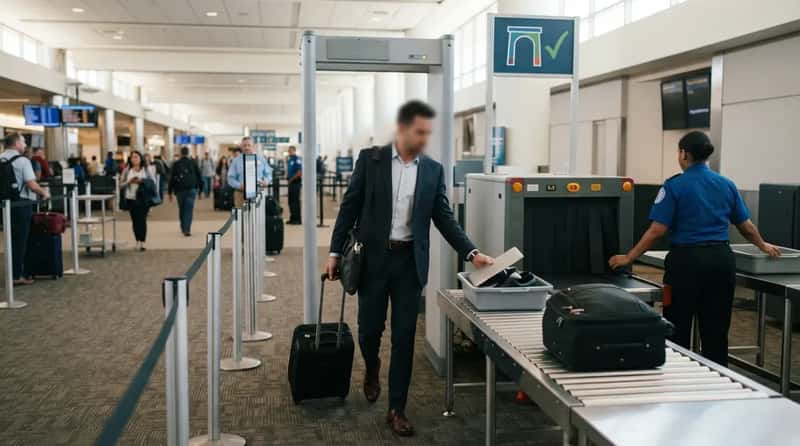
This one sounds obvious, but the number of enrolled travelers who never link it to their bookings is surprisingly high. As of February 2025, TSA PreCheck reached a milestone of 20 million members, with the biggest jumps in sign-ups happening at major hubs like Los Angeles, New York, and Chicago.
Frequent flyers treat their Known Traveler Number the same way they treat a passport number – saved in every profile, every booking app, every calendar invite. CLEAR separately claims to have over 22 million members, and plenty of road warriors stack both for redundancy. When one line is backed up, the other one usually isn’t.
Quick Compare
- TSA PreCheck: 20 million members as of February 2025, speeds up standard security screening
- CLEAR: Over 22 million members, verifies identity before you reach the screening line
- Best combo: Many road warriors stack both so one line always stays open
20. Charge Everything the Night Before – And Bring a Backup Anyway

Phones, laptops, headphones, even the portable charger itself – all of it gets plugged in the night before, without exception. Frequent travelers treat a dead phone at the gate as one of the most preventable disasters in travel, because a dead phone means no boarding pass, no rideshare, and no way to rebook.
They still carry a second battery pack anyway, because outlets at gates are notoriously scarce and often already claimed. The travelers who never panic about battery life are the ones who assume the outlet won’t be available before they even land. It’s a low-effort habit with an outsized payoff.
19. Use the Exact Same Carry-On, Every Single Trip

Frequent flyers don’t rotate luggage. They pick one bag that fits every airline’s sizer, memorize exactly how it packs, and use it for years. Familiarity means packing takes minutes instead of twenty, because muscle memory replaces decision-making.
It also means knowing instantly whether a bag will fit in a regional jet’s smaller overhead bins before even boarding. Swapping bags might sound harmless, but seasoned travelers know a new bag on a tight layover is asking for trouble. One unfamiliar zipper or an extra inch of depth can cost real time at the gate.
18. Book Aisle Seats Near the Front, Not Wherever’s Cheapest
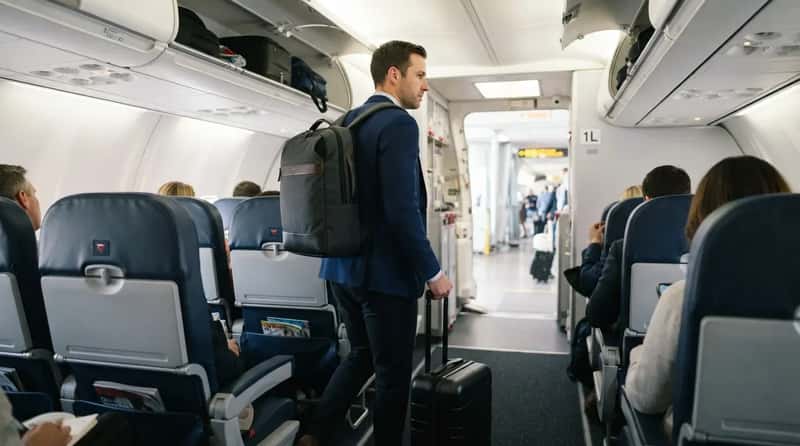
Seat selection is treated as a scheduling tool, not a comfort upgrade. Frequent flyers pick aisle seats as close to the front as possible so they’re first off the plane and first in line for the next connection or rideshare.
A window seat in row 34 might look identical on the map, but it can cost eight or nine extra minutes just getting off the aircraft. On a tight layover, that gap is often the entire difference between making a connection and sprinting through a terminal. It’s a small fee that frequent flyers consider one of the smartest they’ll spend.
17. Set Two Alarms and Book a Wake-Up Call

Redundancy isn’t paranoia to a frequent business traveler – it’s standard operating procedure. Phone alarm, backup alarm on a second device, and a hotel wake-up call layered on top for anything before 6 a.m.
Hotel Wi-Fi occasionally interferes with phone syncing overnight, and time zone auto-adjustment errors are more common than most people realize. Missing one 5 a.m. flight because a phone silently failed to switch time zones is one of the most common – and most avoidable – travel disasters out there. Three redundant alarms cost nothing and remove that risk entirely.
16. Learn the Airport’s Fastest Checkpoint, Not the Closest One
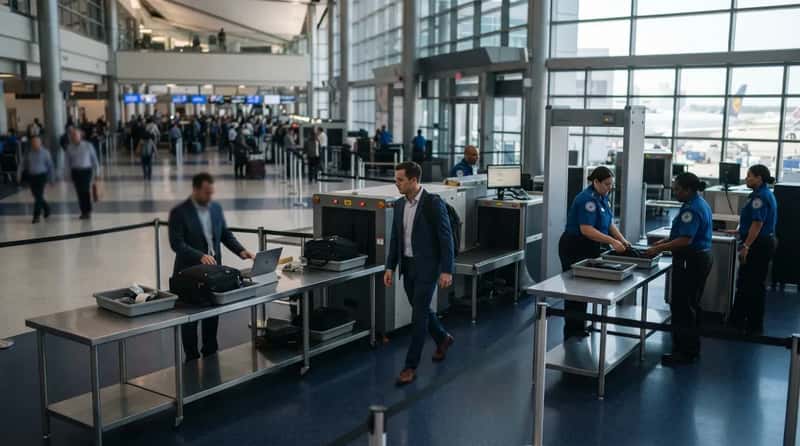
The security line closest to the entrance is rarely the fastest one, and frequent flyers know exactly which checkpoint in their home airport moves quickest at any given hour. That knowledge comes from repetition, not luck.
Frequent travelers even choose parking structures based on which checkpoint they’re aiming for, ignoring the shortest walk in favor of the shortest wait. It’s the kind of hyper-local knowledge that never shows up in a travel guide but saves ten minutes on nearly every single trip through a home hub.
15. Log Every Expense the Same Day It Happens

Waiting until the end of a trip to submit expenses is one of the biggest time-wasters frequent travelers have eliminated entirely. Receipts get photographed and logged the moment they’re handed over – at the register, not back at the hotel.
This habit matters more than it sounds, because U.S.-based business travelers typically spend $1,771 per trip, with that figure rising to $1,986 for decision makers. Reconstructing that many receipts from memory a week later is nearly impossible. Same-day logging turns a dreaded task into a thirty-second habit.
At a Glance
- Average business trip cost: $1,771
- Average cost for decision-makers: $1,986
- Logging a receipt same-day: about 30 seconds
- Reconstructing a week’s worth of receipts from memory: nearly impossible
14. Pick One Loyalty Program and Never Split Miles

Chasing the cheapest fare across five different airlines feels smart until status resets to zero every year. Frequent travelers commit to one primary airline and one primary hotel chain, even when it occasionally costs a little more per ticket.
Status isn’t just about lounges – it’s about priority rebooking when things go wrong, which happens far more often on a packed schedule than most people expect. Loyalty status is one of the only travel perks that actively protects a tight schedule instead of just making it more comfortable. It’s the difference between waiting in a rebooking line and getting handled first.
13. Download Everything Before Boarding, Not During
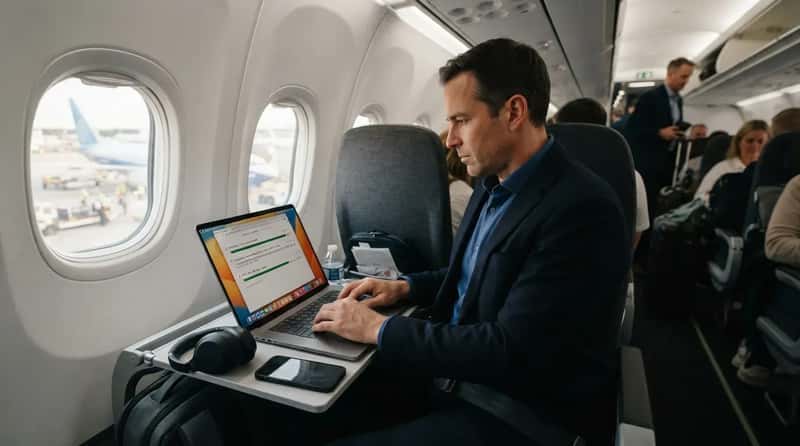
In-flight Wi-Fi is treated as a bonus, never a plan. Frequent flyers download documents, podcasts, and entertainment before the boarding door closes, assuming connectivity will fail the second the seatbelt sign turns on.
This matters more than ever as travel goes increasingly digital. A recent Accenture survey found that 80% of travelers use generative AI tools to research, book, and manage trip itineraries, but most of those tools are useless mid-flight without a saved, offline copy. The travelers who look calmest at 30,000 feet usually prepared for zero connectivity, not for perfect Wi-Fi.
12. Never Book Back-to-Back Meetings Without a Buffer

Scheduling two meetings back-to-back across a city sounds efficient on paper and disastrous in practice. Frequent travelers build in at least fifteen to twenty minutes between any two in-person meetings, no exceptions, regardless of how short the trip looks.
Traffic, elevator waits, and building security checks eat time in ways a calendar app never accounts for. Given that time management ranks as the leading challenge for 72 percent of business travelers, this single buffer rule is one of the most repeated pieces of advice among people who travel constantly for work.
11. Text the Client an ETA Before Wheels Down
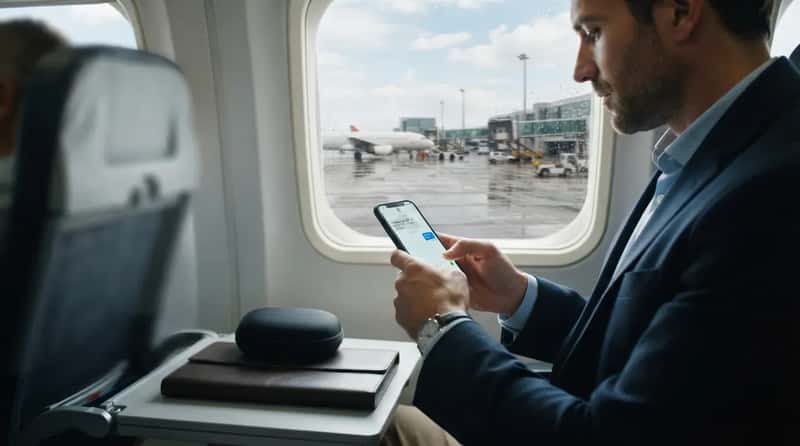
The moment Wi-Fi becomes available in flight, frequent travelers send one message: an updated arrival estimate. It costs nothing and buys enormous goodwill, because clients remember being kept in the loop far more than they remember a flight running a few minutes late.
This habit also creates a paper trail if something does go wrong later in the day. A short “landing at 2:10, will be there by 2:45” message removes the anxiety of silence on both ends. It’s a thirty-second habit that frequent flyers treat as mandatory, not optional.
10. Keep a Dedicated Pouch for Cables and Adapters
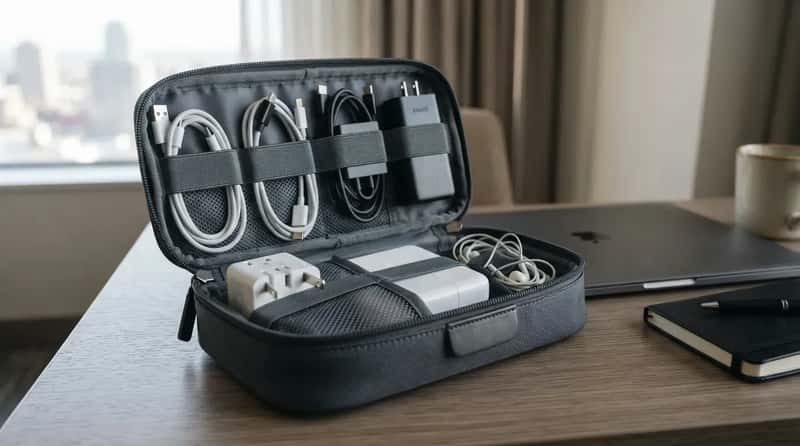
Loose chargers tangled at the bottom of a bag are treated as a rookie mistake among frequent travelers. Everything – international adapters, USB cables, a spare charging brick – lives in one small, dedicated pouch that never gets unpacked between trips.
This single habit removes one of the most common causes of a rushed, disorganized morning: digging through a bag at 5 a.m. looking for a charger that isn’t there. Frequent flyers treat their cable pouch with the same seriousness as their passport, because a dead laptop mid-meeting is its own kind of disaster. It stays packed permanently, trip after trip.
9. Use the Hotel App to Skip the Front Desk Entirely
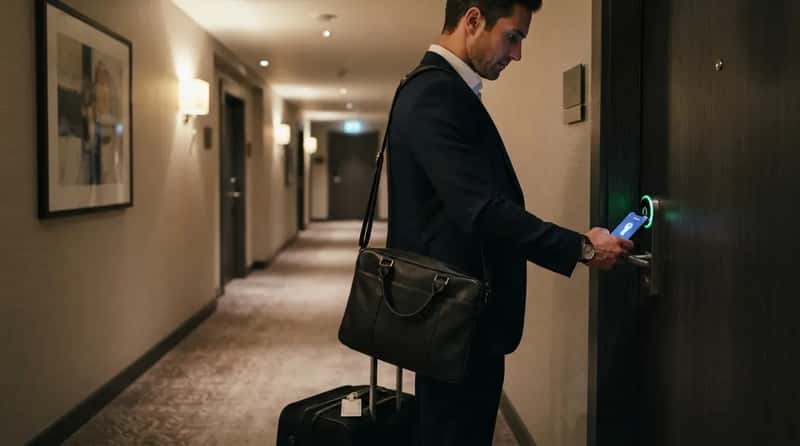
Mobile-first travel isn’t a trend anymore – it’s standard behavior. Mobile-first apps are essential in 2025, with 40% of business travelers booking hotels via their smartphones, and many of those same travelers use the same app for digital key check-in on arrival.
Skipping the front desk line after a late flight can save fifteen minutes that matter far more at 11 p.m. than at noon. Frequent travelers set this up before they even leave the airport, so the only thing standing between them and a bed is an elevator ride. Standing in a check-in line after a red-eye is considered an avoidable mistake, not bad luck.
8. Treat Every Layover Like a Working Session, Not a Break

Airport lounges and gate areas are treated as extensions of the office, not downtime. Frequent travelers use layovers to knock out emails, prep for the next meeting, or make calls – not to browse duty-free shops.
This mindset shift matters because business travel has grown enough that idle time adds up fast. US travelers took an estimated 470 million domestic business trips in 2025, with business travelers typically taking about 1.8 trips per month. At that pace, wasted layover time compounds into real lost productivity across a year, which is exactly why seasoned travelers refuse to waste it.
Worth Knowing
- US travelers took an estimated 470 million domestic business trips in 2025
- Business travelers average about 1.8 trips per month
- That pace adds up to more than 20 trips a year for frequent flyers
- Idle layover time is one of the most avoidable productivity leaks in business travel
7. Always Carry One Full Change of Clothes On the Body Bag
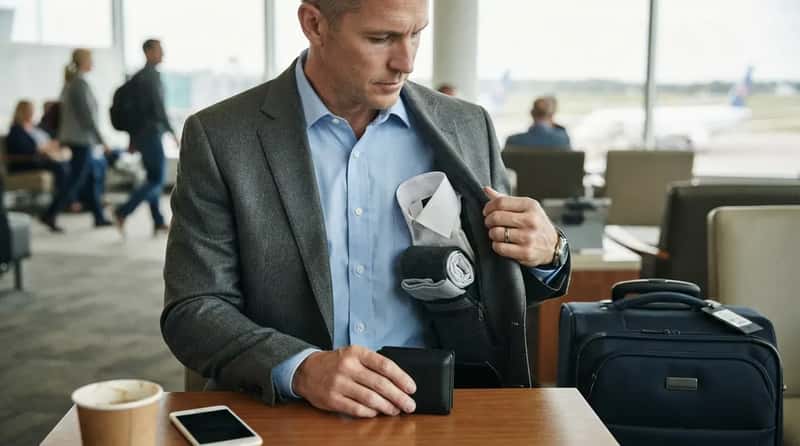
Checked bags aside, even the carry-on carries a hidden rule: one complete outfit – shirt, underwear, socks – gets packed separately in case the main bag is somehow delayed, gate-checked unexpectedly, or damaged in transit.
This isn’t a rare occurrence for people flying every week. Frequent travelers have all had at least one trip where a gate-checked bag didn’t reappear before a meeting the next morning. Having one backup outfit accessible at all times is considered non-negotiable, not extra caution. It’s the rule that gets adopted only after the first time it’s needed and missing.
6. Build In a Backup Flight Before Boarding the First One
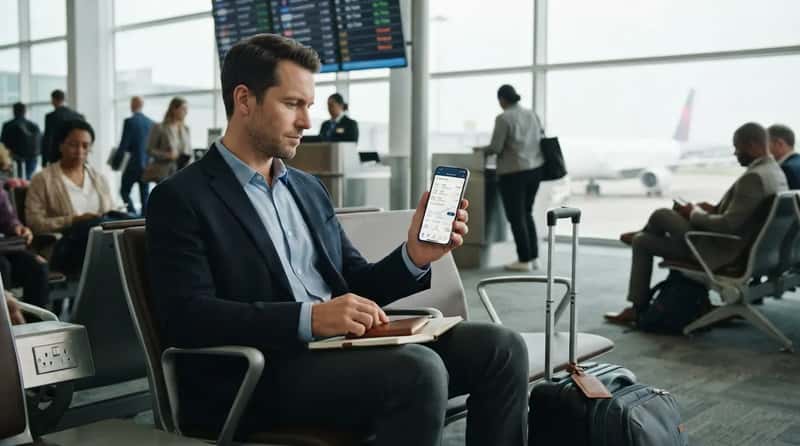
Before even boarding, frequent travelers already know the next two or three flight options if something goes wrong. This isn’t obsessive planning – it’s recognizing that rebooking decisions made in a panic at the gate are almost always worse than ones made calmly in advance.
Knowing the backup route means the moment a delay is announced, there’s already a plan instead of a scramble. Given that the top reasons business travelers skip or cancel trips are total flight time and the risk of delays or cancellations, having a mental backup route isn’t overkill – it’s basic risk management for anyone flying regularly.
5. Skip the Airline App – Call the Airline Directly When Things Break
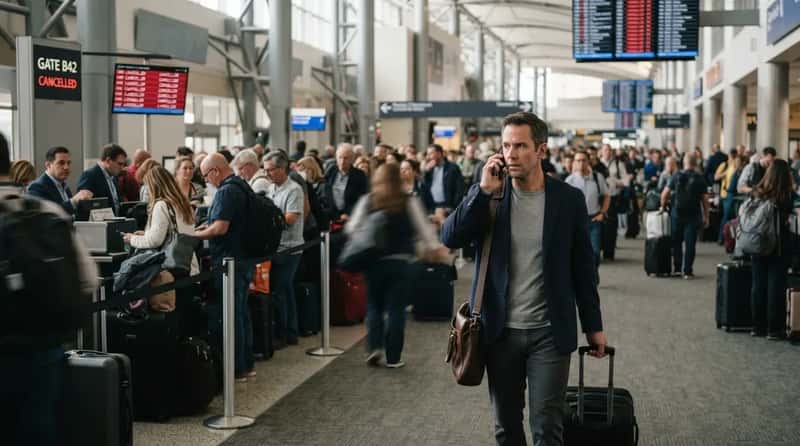
When a flight actually cancels, frequent travelers don’t wait in the app’s rebooking queue. They call the airline’s premium or elite phone line immediately, often while still walking toward the gate agent line, because phone rebooking is frequently faster than either option.
This is one of the more controversial habits among casual travelers, who assume the app is always fastest. Seasoned flyers disagree – they’ve learned that during a mass cancellation event, hundreds of people are refreshing the same app simultaneously, while phone lines dedicated to elite status members stay comparatively quiet.
4. Choose Direct Flights Even When They Cost More
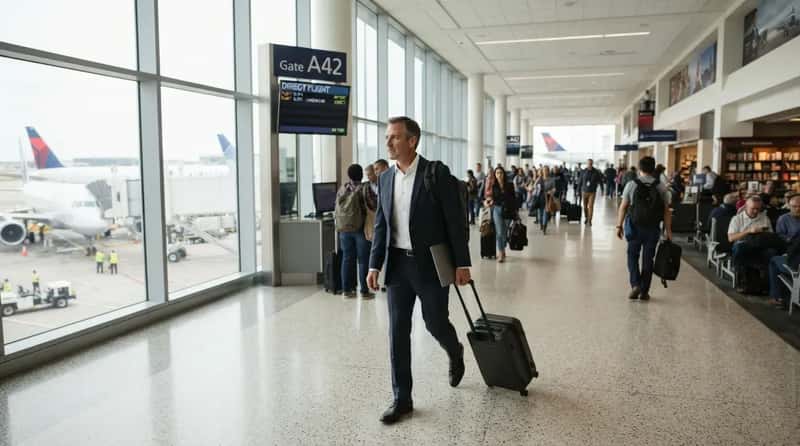
Saving $80 on a connecting flight sounds appealing until one leg gets delayed and the whole day unravels. Frequent business travelers treat direct flights as a scheduling insurance policy, not a luxury, especially on any trip with a same-day meeting attached.
This preference lines up with broader travel behavior. Most business trips are under 250 miles, and fewer than 7% of work trips exceed 1,000 miles, meaning a direct option is usually available even if it costs slightly more. The extra fee is treated as the price of a predictable schedule, not an unnecessary splurge.
Why It Stands Out
- Most business trips cover fewer than 250 miles
- Fewer than 7% of work trips exceed 1,000 miles
- A direct option is usually available even on short notice
- One missed connection can erase any savings from a cheaper fare
3. Never Rely on the Hotel Alarm Clock – Or the Front Desk Wake-Up Call Alone

Hotel alarm clocks are notoriously unreliable, often left on the wrong time from the previous guest. Frequent travelers treat any hotel-provided wake-up system as a backup at best, never the primary plan for an early departure.
This is one of the more openly debated habits among travelers – some insist hotel wake-up calls are perfectly fine, while veteran road warriors argue they’ve been burned too many times to trust a system they don’t control. Redundant personal alarms remain the rule that never gets skipped, no matter how reliable a hotel seems.
2. Treat In-Person Meetings as Non-Negotiable, Even With Tighter Schedules

Despite constant predictions that video calls would replace business travel, frequent travelers still prioritize face-to-face meetings whenever a deal or relationship matters. 83% of executives view business travel as essential, and that number hasn’t meaningfully shifted despite years of remote-work tools improving.
This is one of the sharper points of disagreement in corporate travel circles. Some argue video conferencing has made in-person trips wasteful; frequent flyers overwhelmingly disagree, insisting that trust and rapport still get built in person far faster than over a screen, tight schedule or not.
1. Assume Every Number the Industry Gives You Is Optimistic

The single rule that ties every other one together: frequent business travelers stop trusting official estimates as literal promises. Connection times, security wait estimates, hotel check-in windows – all treated as best-case scenarios, not guarantees.
This mindset explains almost everything else on this list, from padded layovers to backup alarms to pre-downloaded documents. The travelers who seem to glide through impossible schedules aren’t luckier than everyone else – they simply stopped believing the timeline printed on the ticket. Once that shift happens, every other habit on this list falls into place naturally.
None of these rules require expensive gear or elite status to start using tomorrow. They’re built from repetition – the kind that only comes from missing a connection once and refusing to let it happen again. The travelers who make it look effortless simply stopped leaving anything to chance.
What’s the one travel rule you’d never break, no matter how tight the schedule gets? Drop it in the comments – the road warriors reading this will probably back you up.