A frequent flyer with a specific skincare allergy found standard airline amenity kits unreliable for long-haul trips, especially in economy class where such perks are rare. The decision to assemble a personal kit addressed recurring issues like cabin dryness, germ exposure, and inconsistent product safety. This approach allows travelers to maintain comfort regardless of cabin class or airline partnerships. The original account of this method appears on The Points Guy.
Practical Limits of Standard Airline Kits
Many premium cabins feature branded skincare items from partners like Sisley or Kiehl’s, yet these often include ingredients that trigger reactions for some passengers. One traveler noted repeated encounters with aloe vera in kits, which caused skin irritation despite the soothing reputation of the ingredient for most users. Economy passengers rarely receive any kit at all, leaving them to manage extended flights without support for hydration or rest. The result is a gap between advertised luxury and real-world needs on flights lasting many hours. Travelers in the back of the plane face the same dry air and lighting challenges as those upfront, but without the small comforts that might ease them. Building an independent kit removes dependence on airline stock and route-specific offerings.
Core Items for Cleanliness and Rest
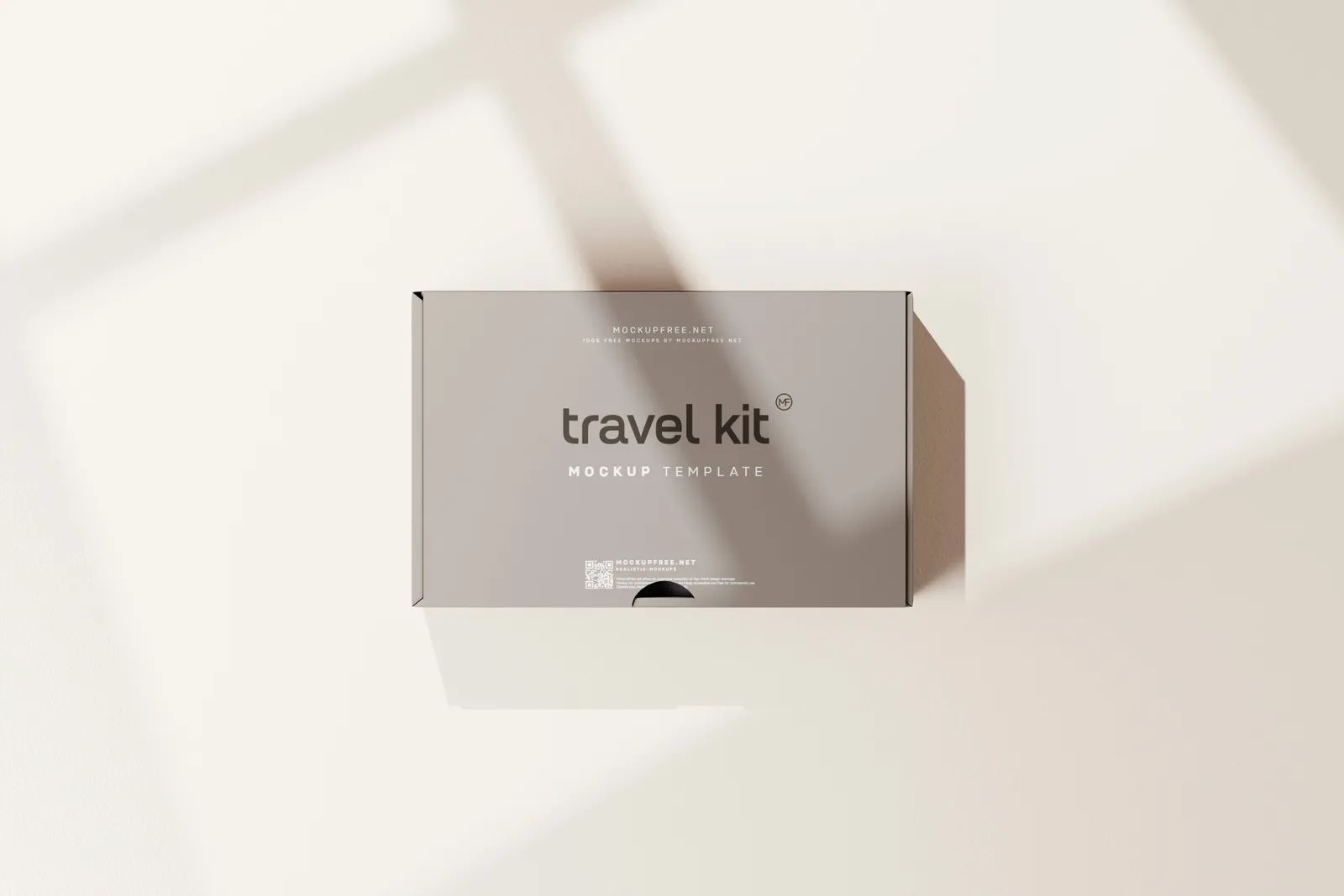
A reusable clear pouch serves as the foundation, complying with liquid rules while keeping everything organized. Sanitizing wipes address surface concerns around the seat area, a habit formed after reading reports on airplane cleanliness. Hand sanitizer provides an extra layer of protection, with formulations chosen to avoid common irritants. Earplugs and an eye mask help block cabin noise and overhead lighting that persists even during overnight segments. Silicone options often outperform provided foam versions for light sleepers, while breathable masks reduce discomfort compared with airline-supplied alternatives. Tissues cover unexpected needs, from personal use to sharing with seatmates.
Hydration and Skin Care Essentials
Saline nasal spray counters the drying effect of recirculated air that can lead to sinus issues or increased illness risk. Lubricating eye drops, used sparingly on longer segments, maintain eye comfort without overuse. Chewing gum assists with ear pressure during ascent and descent while also addressing mouth dryness. Hand cream and face lotion combat the impact of low humidity on skin, particularly after repeated sanitizing. Lip balm with SPF protection adds another layer for arrival in varying climates. These selections focus on unscented or gentle formulas that travel well in small sizes.
Final Practical Additions
A compact toothbrush and toothpaste support freshening up before landing on extended economy flights. Deodorant handles the physical demands of airport movement and variable cabin temperatures. A travel pill organizer keeps daily supplements and basic pain relief accessible without carrying full bottles. A pen proves useful for immigration forms or notes, often becoming a shared resource among passengers. Together these items create a self-contained system that functions across flight lengths and classes. The approach demonstrates how small, targeted preparations can shift the experience of long-distance travel from endurance to manageable routine.