Travel in 2026 rewards people who pay attention to the small print. Whether someone is heading through a jet bridge or pulling off an interstate for gas, the difference between a smooth trip and a stressful one usually comes down to details that rarely make it into the glossy travel brochures.
This piece walks through the practical realities of both worlds, air and road, and the specific things that actually change how a journey unfolds. Some of these details are new rules travelers may not have caught yet. Others are just habits worth building before the next departure.
The REAL ID rule now applies at every airport
Federal enforcement of REAL ID has been in effect since the spring of 2025, and it changed how airport security checkpoints operate nationwide. Starting on May 7, only state-issued driver’s licenses and identification cards that meet the security requirements established by the REAL ID Act are allowed for official purposes, including boarding commercial aircraft.[1] That means a standard, non-compliant license is no longer enough on its own for domestic flights.
For travelers who show up without a compliant credential, there is now a formal backup option, though it comes at a cost. Effective February 1, 2026, individuals who do not present an acceptable form of REAL ID at TSA checkpoints may use TSA ConfirmID to attempt to verify their identity for a 45 dollar fee.[2] It works, but it is not a system anyone wants to rely on when a flight is boarding in twenty minutes.
Arrival windows are not just a suggestion
Airports differ slightly on their recommended arrival times, but the general guidance has held steady. It’s recommended to arrive at least 90 minutes prior to departure for domestic travel and two hours prior to departure for international travel.[3] Some larger hubs push that further, with certain airports advising travelers to arrive two hours before domestic flights and three hours before international ones.
The reasoning behind the buffer becomes obvious once you account for parking, bag drop, and the walk to the gate. Factoring in the time needed to travel from parking or drop-offs to the terminal matters because more than one-third of some airports’ daily passenger volume arrives before 9 a.m., causing busy conditions at checkpoints and on airport drives.[4] Arriving with a cushion is less about anxiety and more about basic logistics.
Security wait times are unpredictable by design
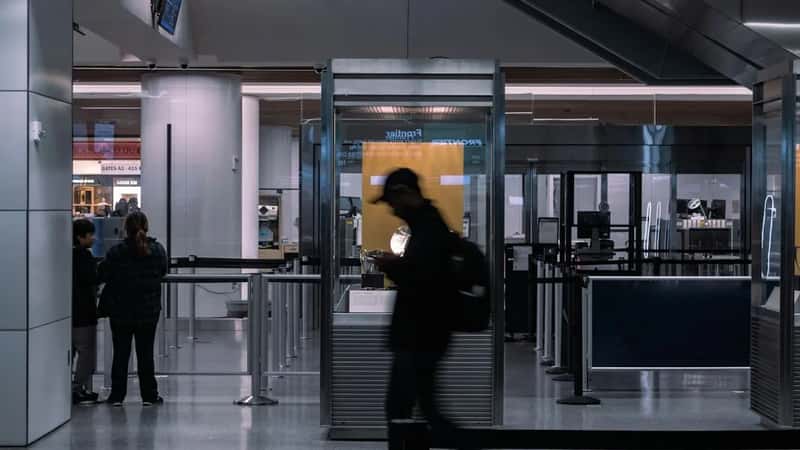
There is no single, reliable number for how long a security line will take, and that inconsistency is the real story of 2026 travel. Reports indicate that airport security waits in early 2026 are a patchwork, with many travelers clearing TSA in 15 to 30 minutes at off-peak times while others face much longer queues at large hubs or during holidays and Monday morning business waves.[5] The same checkpoint can feel completely different two hours apart.
Seasonal spikes make this even more pronounced. TSA reported record screening totals over the 2025 Labor Day weekend and projected the busiest summer on record for U.S. airports, and during these peak periods even well-staffed checkpoints can experience rolling backups when banks of flights converge or severe weather disrupts schedules.[5] Checking real-time wait estimates through an airport’s own site or the MyTSA app before leaving home is a small habit that pays off often.
PreCheck and CLEAR solve different problems
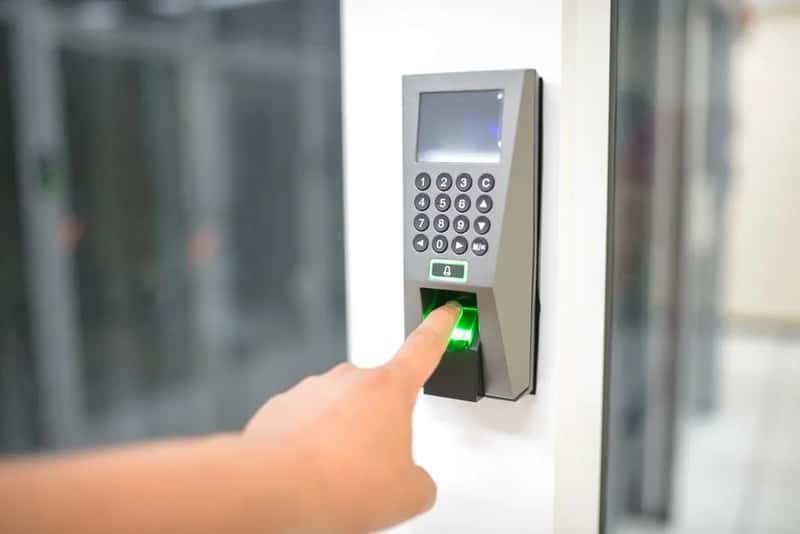
These two programs get lumped together constantly, but they are not interchangeable. Travelers enrolled in TSA PreCheck typically experience much shorter security lines than those using standard screening lanes, and according to the TSA, the vast majority of PreCheck passengers wait less than 10 minutes at security checkpoints nationwide.[6] CLEAR, on the other hand, speeds up the identity verification step itself rather than the screening lane.
Using biometrics to identify travelers, CLEAR offers a touchless way to get through security.[3] Staffing shortages have complicated things recently, since airports have begun to close dedicated PreCheck lanes because of the staffing shortage, and travelers with PreCheck are instead being told to show their ticket in the standard security line to receive expedited screening.[6] Checking the app before arrival avoids a confusing moment at the checkpoint.
Boarding groups reward patience more than speed
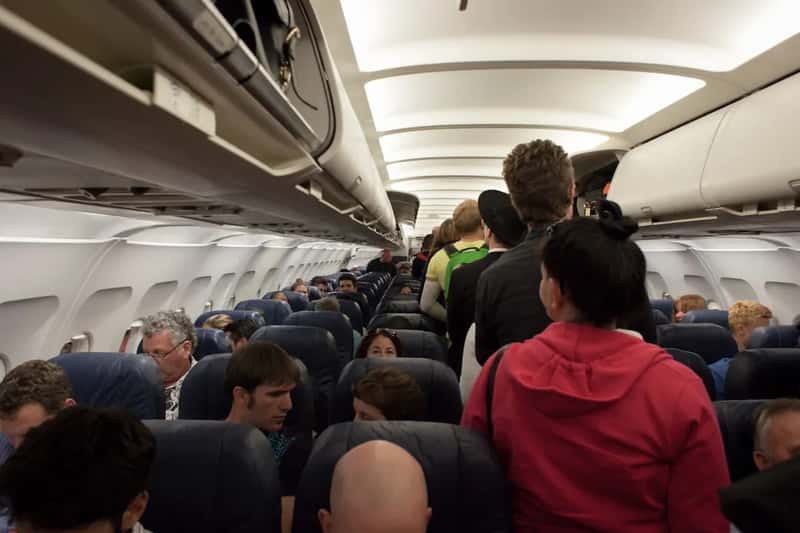
Airlines have refined their boarding sequences over the past few years, generally moving from families and premium cabins through numbered or lettered zones tied to fare class and loyalty status. Rushing the gate area the moment an announcement starts rarely changes anything, since seat assignments are already locked in. The real advantage goes to passengers who know their group number ahead of time and stay out of the crowd until it is actually called.
Overhead bin space is the one variable boarding order genuinely affects. Passengers in later groups sometimes get asked to check a bag at the gate simply because bins fill up fast on full flights. Knowing this in advance, and packing essentials in a bag that fits under the seat, avoids the awkward gate-side scramble entirely.
Carry-on rules still trip people up
The 3-1-1 liquids rule, containers of 3.4 ounces or less inside a single quart-sized bag, has been standard for years, yet it remains one of the most common reasons for a bag to get pulled aside. Electronics, food items brought as gifts, and oversized toiletries purchased right before a trip cause more delays than most travelers expect. A quick mental check of the bag’s contents before leaving the house saves the awkward repacking session at the bin.
Battery packs and certain lithium items also draw extra scrutiny, particularly larger power banks meant for laptops or camera gear. Airlines and TSA have tightened guidance around these in recent years as more travelers carry backup power for phones and tablets. Keeping such items in a carry-on rather than checked luggage is not just a courtesy, it is often a requirement.
Layover buffers deserve more respect than they get
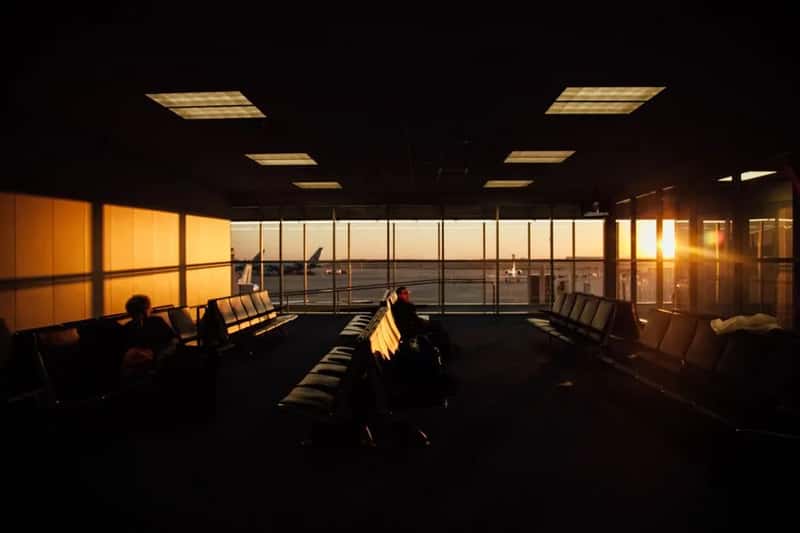
A tight forty-minute connection might look fine on a booking screen, but it ignores the reality of terminal distances, gate changes, and the occasional late pushback from the first flight. Airports with multiple terminals connected by trains or long walkways can eat up more time than travelers assume. Building in an extra thirty to sixty minutes of buffer, especially on the first flight of a multi-leg itinerary, is one of the simplest ways to protect an entire day’s schedule.
International connections carry their own wrinkle, since re-clearing security or customs can add unpredictable time even when both flights are on schedule. Travelers who book connections through hubs they have never used before benefit from checking the airport’s layout in advance. It is a small bit of homework that prevents a full sprint through an unfamiliar concourse.
Choosing the right stop on a long drive
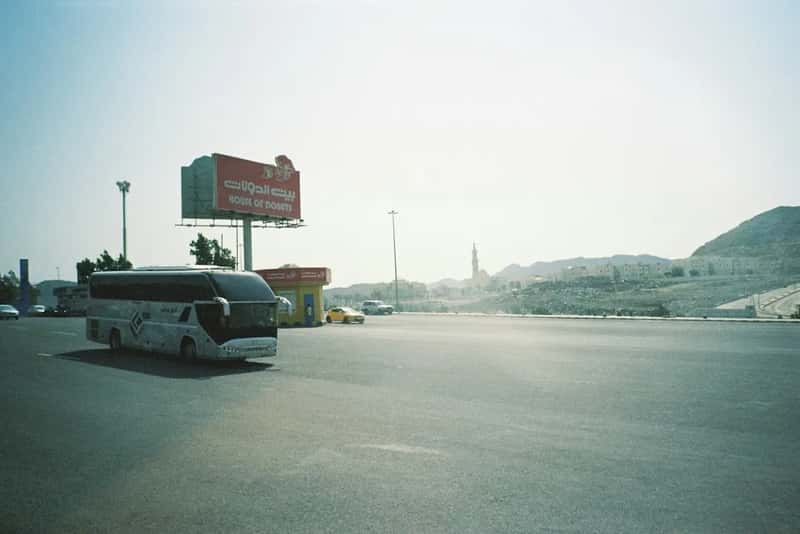
Not all road stops are created equal, and the difference often comes down to visibility and activity rather than brand names. Well-lit stations near highway exits with steady traffic tend to feel safer than isolated stops down a dark access road, particularly late at night. Checking reviews or ratings through a mapping app before pulling off can help travelers avoid locations with a history of break-ins or poor lighting.
Timing matters almost as much as location. Stopping during daylight hours whenever a route allows, rather than pushing through unfamiliar territory after dark, reduces both fatigue risk and exposure to less-monitored areas. A short break every couple of hours also keeps drivers sharper than one long stretch followed by a rushed final push.
Fuel planning is more than watching the gauge
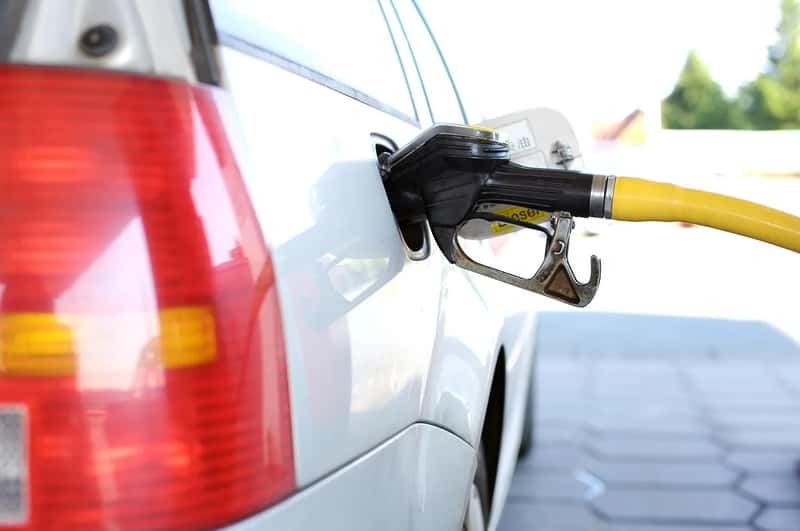
Long stretches of rural highway can go many miles between gas stations, and running the tank down to empty before checking a map is a common but avoidable mistake. Planning fuel stops around known towns or marked rest areas, rather than waiting for the low fuel light, gives drivers more flexibility if a station turns out to be closed or the pumps are down. This matters even more for electric vehicles, where charging stations remain unevenly distributed compared to traditional gas stations in many rural corridors.
Price also varies more than most drivers expect, sometimes by a noticeable margin within just a few miles of a highway exit. Apps that compare nearby fuel prices in real time can turn a routine stop into a small savings opportunity, especially on longer trips where the difference adds up over multiple fill-ups. It is a minor habit, but one that consistently pays for itself.
Overnight parking and rest area safety
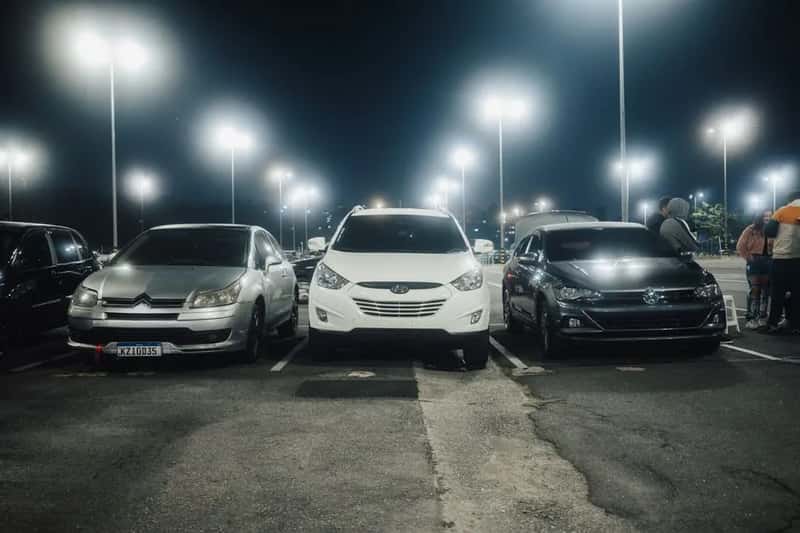
Sleeping in a car at a rest stop is common enough on long hauls, but not every rest area is designed with overnight safety in mind. Stops with visible security patrols, ample lighting, and a steady flow of truck traffic generally feel more secure than smaller, quieter pull-offs. Locking doors, parking near other occupied vehicles, and avoiding areas set apart from the main lot are simple precautions that make a real difference.
State-run rest areas typically post hours and amenities clearly, while some private truck stops allow overnight parking as a matter of course for long-haul drivers. Checking ahead through a route-planning app can reveal which stops along a given highway have restrooms open around the clock versus ones that close after a certain hour. That kind of small research prevents an unpleasant surprise at two in the morning.