Most flyers assume the difference between a forgettable flight and a genuinely great one comes down to luck: an empty seat, a friendly crew, a good day at the airline. But cabin crews will tell you it’s rarely random. Behind that narrow galley curtain, flight attendants are constantly making small, deliberate decisions about who gets a little extra – and who doesn’t.
It turns out the passengers who get treated like VIPs aren’t paying more or flying fancier. They’re just doing a handful of quiet, easy-to-miss things that crews notice instantly. Here’s what actually happens behind that curtain, according to the people who work it every single flight.
#25 – The Extra Snack Packet Nobody Announces
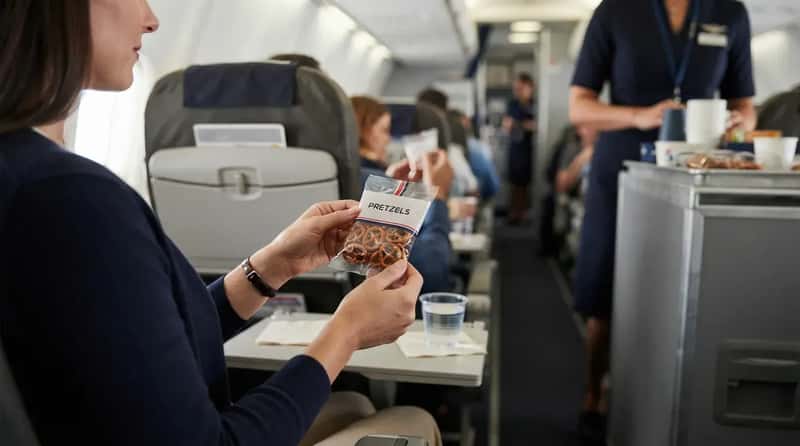
Not every passenger wants the pretzels or cookies handed out during beverage service, and that leaves a small surplus crews don’t always mention out loud. When the cart comes around, you can quietly ask if there’s an extra packet or two, since there are almost always a few leftovers that would otherwise just roll over to the next flight.
Crews say the passengers who ask politely, rather than digging through the seatback pocket hoping for a miracle, are the ones who get the extra bag. It’s not written in any manual – it’s just easier to say yes to someone who’s paying attention. The surplus exists on almost every flight; most people just never think to ask.
#24 – The Full Can Instead of the Half-Poured Cup
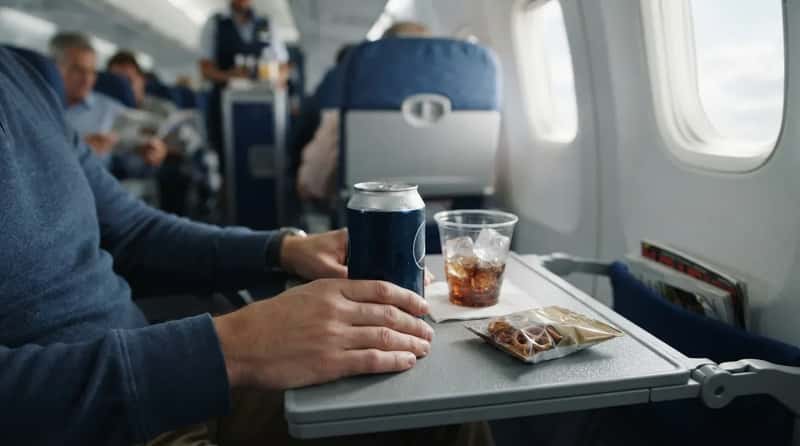
There was an era when soda came in full cans as a matter of course, and some crews still quietly bring that back for the right passenger. Older flyers remember the days when attendants handed out entire cans instead of a splash over ice.
Today it’s more the exception than the rule, but it still happens on flights that aren’t packed to capacity. A polite ask, especially late in the beverage run when carts are lighter, often gets a full can instead of a half-empty cup. It’s one of the easiest “extras” in the entire cabin, and almost nobody requests it.
#23 – China Mugs Swapped In for Economy Tea Drinkers
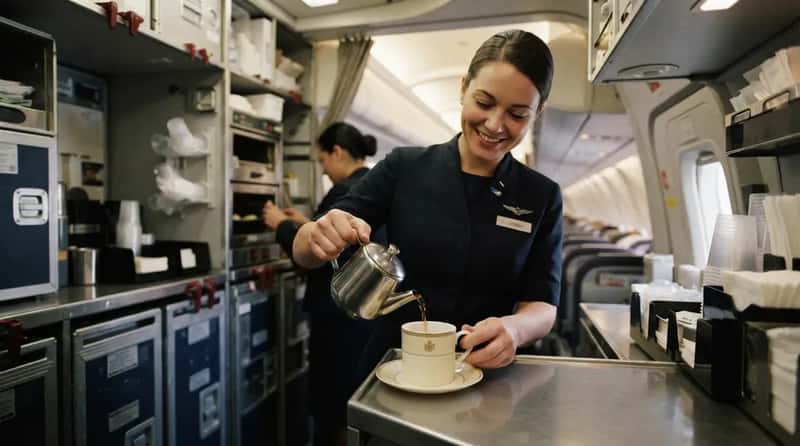
On some carriers, the paper cup isn’t actually the only option, even in the back of the plane. A small gesture of extra care can mean serving tea or coffee in a real china mug instead of the usual paper cup in economy.
Crews reserve this for passengers who ask calmly and clearly, rather than snapping fingers or waving down the cart. It sounds minor, but flight attendants say it’s one of the fastest ways to make a long economy flight feel noticeably nicer. The china mug swap costs the airline nothing – it just requires someone behind the curtain willing to grab it.
#22 – A Spare Meal Quietly Rerouted From Business Class
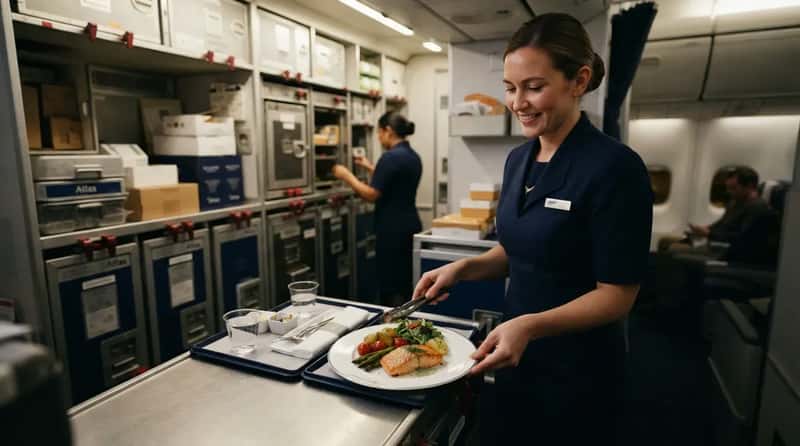
When the preferred meal choice runs out before it reaches your row, crews sometimes have a fix that never gets announced over the PA. A former Emirates crew member admitted that if a passenger missed out on their meal choice and raised it calmly, the crew would sometimes bring them a meal from business class instead to soften the blow.
It isn’t guaranteed, and it depends entirely on who’s working the galley that day. This kind of quiet upgrade can also happen simply because there’s a spare meal from another cabin sitting unused, not because of any complaint at all. A calm complaint, delivered without an attitude, works far better than an angry one.
#21 – The Empty-Row Reshuffle They Save for Calm Fliers
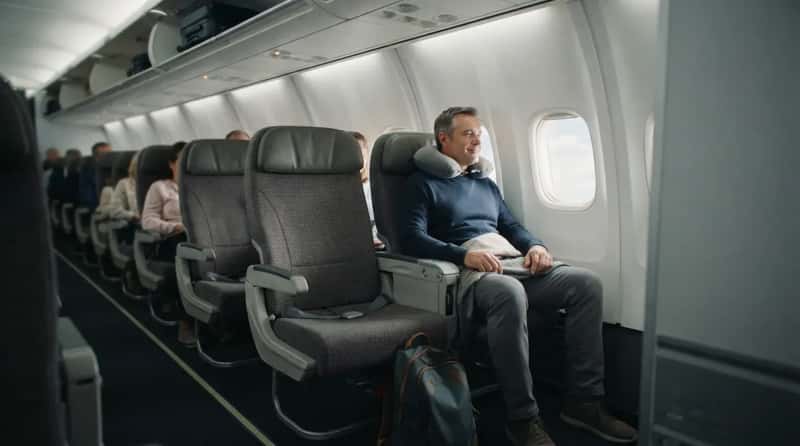
On flights that aren’t full, crews often have discretion over who gets moved to a quieter, roomier row after boarding wraps up. One frequent flyer described exactly this kind of unofficial upgrade: bumped not to a different class, but to a closer, roomier row that was empty aside from them.
It’s not a first-class seat, but for a long flight, an empty row might as well be one. Crews say they tend to offer it to passengers who’ve been easygoing during boarding rather than the ones who complained about their assigned seat the entire time. This perk depends entirely on load factor, so it disappears the moment a flight sells out.
#20 – The Drink Top-Up Nobody Has to Ask for Twice
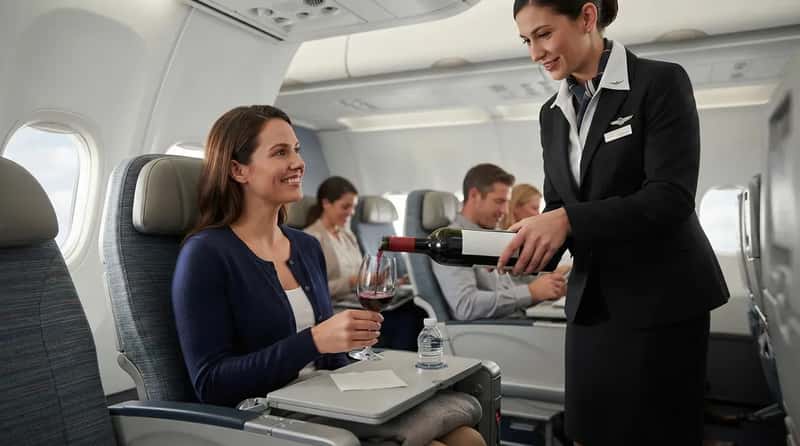
A lot of passengers assume a second glass of wine costs extra or requires a formal request, but that’s often not the case on full-service carriers. Water, juice, soft drinks, and often wine, beer, and liquor are already included in the ticket price.
Crews say the passengers who get a second pour without asking twice are usually the ones who said a genuine thank you the first time. Most economy flyers never even ask, assuming it’s a paid extra – and the answer is more often yes than they’d expect. Most economy flyers never even ask, assuming it’s a paid extra.
Fast Facts
- Many full-service airlines already include wine, beer, and liquor in the ticket price, not just soft drinks.
- Second pours often go unrequested simply because passengers assume alcohol costs extra.
- A genuine “thank you” after the first pour is one of the easiest ways to get an unprompted refill.
#19 – Blankets Normally Locked Away for First Class
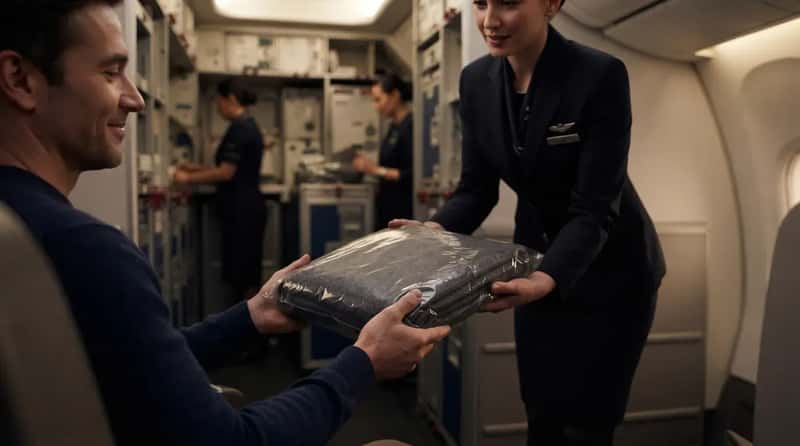
Blankets have quietly become one of the most restricted items on a plane, and crews know exactly which cabin they’re supposed to stay in. Some flight attendants will admit blankets are technically meant for first class only, and on certain airlines pillows and blankets appear solely on international routes.
That said, crews with a spare stash sometimes bend the rule for a passenger who’s cold, polite, and hasn’t been demanding about anything else all flight. One traveler who built a rapport with regular crew over years of flying the same route said they were regularly given meals, cookies, and blankets – specifically described as clean ones. The word “clean” matters – it means it came from a real stash, not a used pile.
#18 – The “Tea Here, Coffee Here” Trick That Keeps Your Order Straight
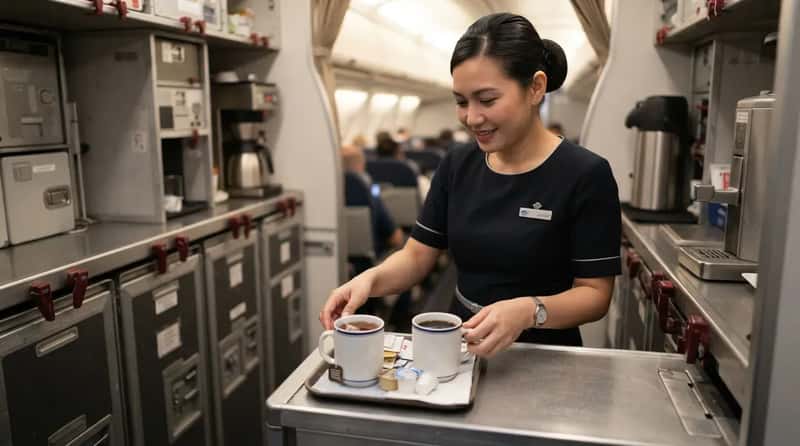
Behind the scenes, crews use surprisingly simple memory tricks to make sure your drink order actually comes out right. One flight attendant explained that crew sometimes say “Tom Cruise” to themselves as a trick for remembering where tea and coffee go – tea here, coffee here.
It sounds silly, but it’s exactly the kind of small system that keeps a beverage cart moving through thirty rows without mixing up who ordered what. Passengers who state their order clearly the first time – “coffee, no sugar, please” instead of a vague mumble – make that whole system work faster. Crews genuinely remember specific, clearly stated orders more than vague ones.
#17 – The Boarding-Door Read That Decides Who Gets Extra Care
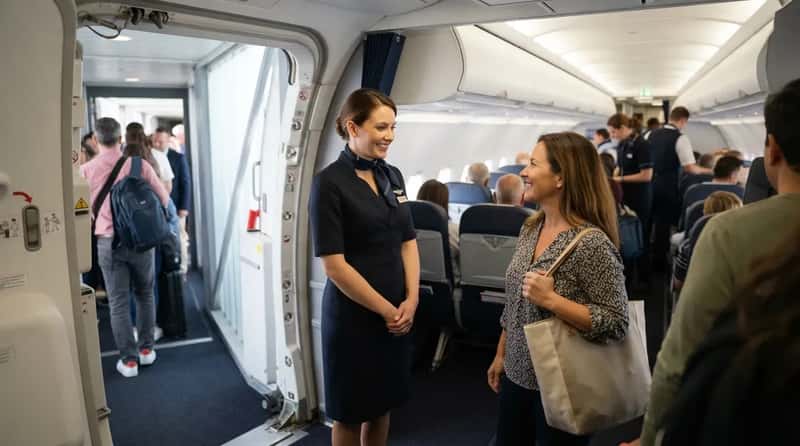
That smile at the aircraft door isn’t just a greeting – it’s a fast, practiced assessment. Flight attendants are quietly scanning every face that walks past, and it has almost nothing to do with courtesy.
They’re watching for passengers who might need extra help, including children, people wearing sunflower lanyards signaling hidden disabilities, or anyone who appears unwell. Passengers who make eye contact and greet crew back tend to register immediately as easy, low-stress fliers. That first ten-second interaction shapes how crew treat you for the entire flight.
#16 – “Special Occasion” Treats That Aren’t Official Policy
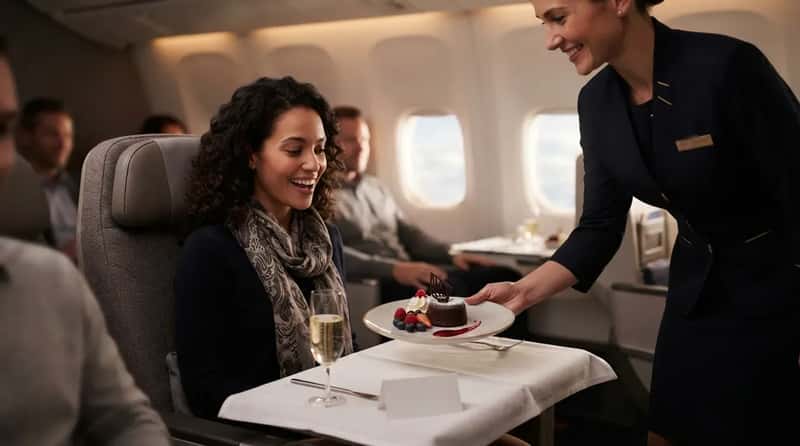
Mentioning a birthday or anniversary doesn’t automatically get you a free upgrade, no matter what social media says. Airlines rarely bump passengers to a better cabin just because they’re celebrating something.
But it’s not nothing, either. Broadcasting happy news to the crew tends to lead to small good things, even when a full upgrade isn’t in the cards. The realistic outcome is a free dessert-level gesture, not a seat change – but crews say the passengers who share the news warmly, without expecting anything, are the ones who actually get something extra.
#15 – The Cookie Stash Cracked Open for Calm Babies
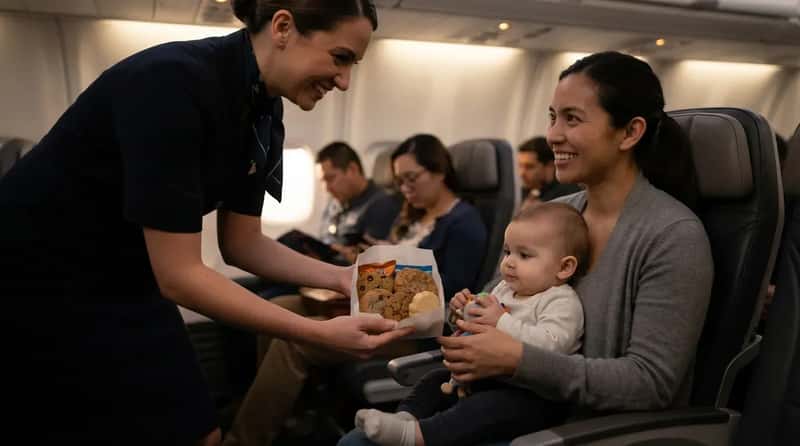
Traveling with an infant has a reputation for dirty looks from other passengers, but crews often see it completely differently. One traveler flying with a calm, quiet baby said flight attendants showered them with cookies and snacks the entire flight.
The unofficial reward system runs on relief as much as affection – a calm baby means a calmer cabin for everyone, and crews notice which parents are working hard to keep it that way. A parent who stays apologetic and proactive gets rewarded far more than one who assumes the crew owes them help.
#14 – Gate-Agent Goodwill That Follows You Onto the Plane
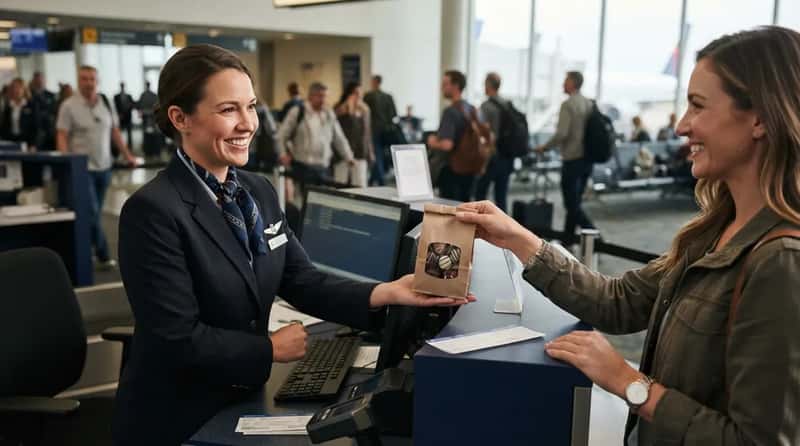
The kindness you show before you even board can quietly travel with you into the cabin. One flight attendant recommended bringing gate agents chocolate or snacks to lighten their mood, since gate agents handle seating arrangements and tend to remember who brightened their day.
Crews say they deal with rude, sometimes overtly hostile passengers constantly, so genuine kindness stands out immediately. A five-dollar bag of chocolate at the gate has reportedly turned into free upgrades and free drinks on the plane.
Worth Knowing
- Gate agents, not just flight attendants, often control day-of seat changes and upgrades.
- A small gesture like sharing a snack takes seconds but can be remembered for the rest of the trip.
- Kindness shown before boarding has a way of quietly following a passenger onto the plane.
#13 – A Doodle or Story Swapped With a Favorite Flier
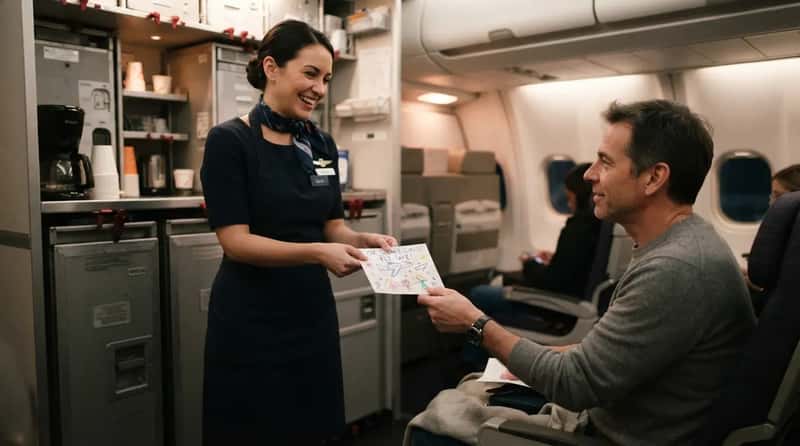
Some of the best “perks” aren’t food or seats at all – they’re the relationships that build over repeated flights. One traveler described exactly this kind of moment, saying they had an extended conversation with an attendant, learned about her family, and even drew a doodle for her daughters.
Crews say these moments happen almost exclusively with passengers who treat them like people instead of a service button. It’s not transactional – the passengers who ask crew genuine questions about their day are remembered long after the flight lands.
#12 – Champagne Poured That Was Never on the Menu
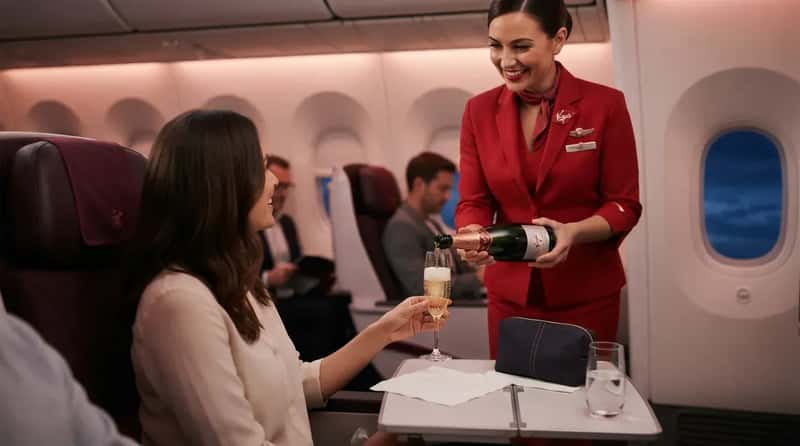
Champagne isn’t standard in economy on most airlines, which is exactly why it stands out when it appears. One international flyer recalled being handed a free glass of champagne, meal plates pulled from first class, and a gift pack near the end of a Virgin Atlantic flight.
These gestures tend to cluster together – once a crew member decides to treat someone well, the small perks stack on top of each other for the rest of the flight. It rarely starts with a request; it starts with the crew simply deciding they like you.
#11 – A Full Gift Pack Assembled After Landing
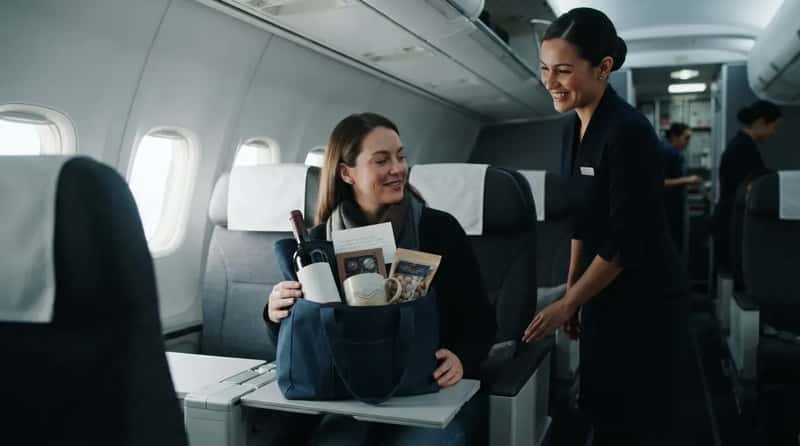
Occasionally the generosity extends past drinks and snacks into an actual parting gift. That same Virgin flight story ended with a gift pack containing a bottle of wine, assorted goodies, and a branded mug.
Crews describe this as rare, reserved almost entirely for long-haul flights where they’ve had hours to build rapport with a passenger. These gift packs are never listed on any menu or amenity guide – they exist purely at crew discretion.
#10 – Bar Access Quietly Offered to the Calmest Passenger Onboard
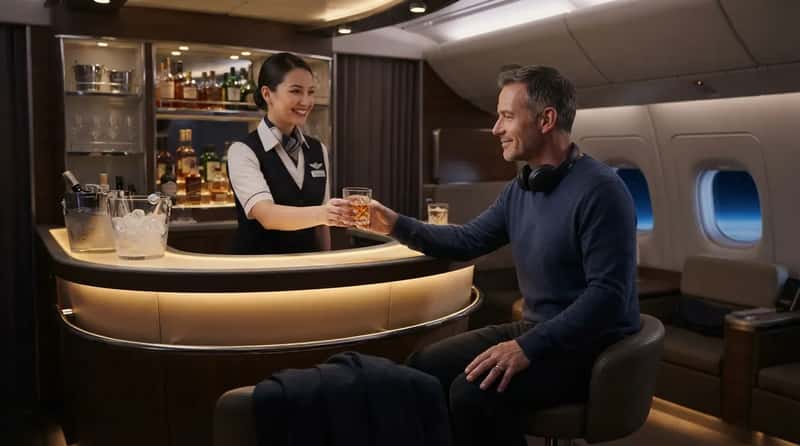
On some premium long-haul flights, crews have been known to open up more than a passenger technically paid for. That same traveler was told they could visit the bar for whatever they wanted, even something they wouldn’t normally order.
It’s one of the more surprising perks crews can offer, and it’s almost never advertised because it isn’t official policy. The offer tends to go to passengers who’ve been easy to work with the entire flight, not the ones who’ve made the most requests.
#9 – A Mini Bottle of Baileys for the Traveler Who Orders Clearly
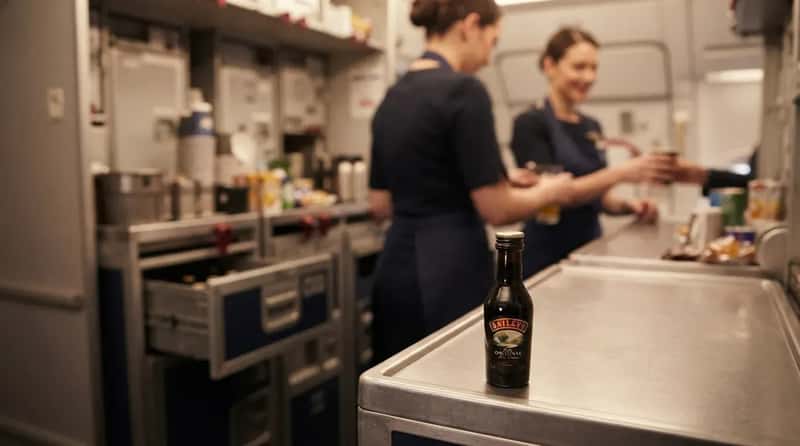
Clarity, it turns out, is its own kind of currency in the galley. A veteran flight attendant joked that ordering with total precision is appreciated enough that crew might just slip you a mini bottle of Baileys as a quiet reward.
It’s a small thing, but crews say vague or confusing orders slow down an entire beverage run, while a clear, specific request keeps the whole cabin moving. Precision, not politeness alone, is apparently its own reward at 35,000 feet.
#8 – Priority Attention Triggered by a Hidden Badge or Lanyard
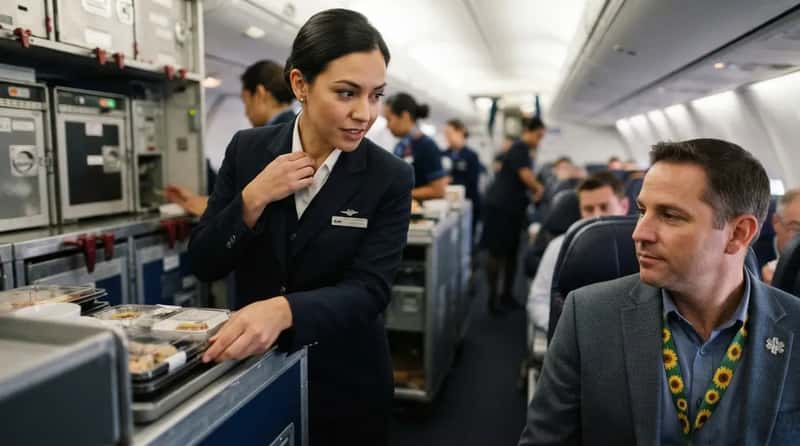
Some of the most attentive service on a plane is triggered by something most passengers never notice. Crews specifically watch for sunflower lanyards signaling hidden disabilities, and one traveler mentioned wearing an EMT pin on their lapel – multiple flight attendants told them it was genuinely helpful to know.
Sharing that kind of information upfront isn’t oversharing – crews say it changes how they plan the flight, from seating awareness to knowing who to call on in an emergency. A tiny pin or lanyard can quietly reshape an entire crew’s mental map of the cabin.
#7 – The Greeting You Return That Crew Actually Remembers
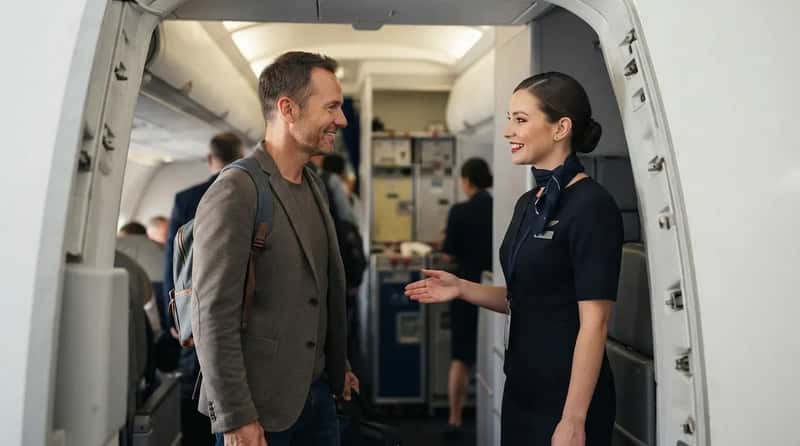
It sounds almost too simple, but crews say it genuinely registers. Most passengers file past like they’re walking through a turnstile, barely lifting their eyes from a phone, so a real smile and hello back stands out immediately.
It sets a positive tone for the entire flight, and after greeting hundreds of people who walk by like zombies, a genuine response can brighten a crew member’s whole shift. This costs nothing and takes two seconds, yet almost nobody does it.
#6 – The “Please and Thank You” Tally Crew Keep in Their Heads
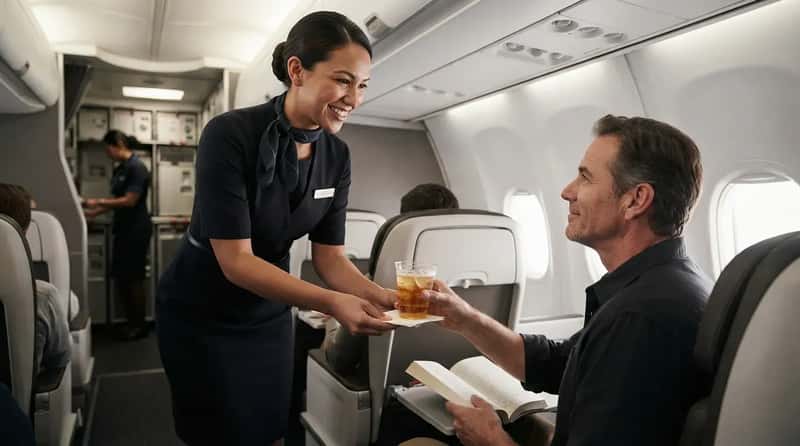
Basic manners have quietly become rare enough that crews notice them immediately. Flight attendants say they light up when a passenger says “Can I have a ginger ale, please” instead of just barking out “ginger ale.”
Basic politeness is apparently now notable, which says everything about how rare it has become at 35,000 feet. A single “please” can put you ahead of most of the cabin without you even realizing it.
Why It Stands Out
- A simple “please” costs nothing but instantly separates a passenger from the rest of the cabin.
- Crews interact with hundreds of passengers per shift, so basic courtesy has become the exception rather than the norm.
- Small verbal habits, not big gestures, are what crews say they remember most after the flight ends.
#5 – The One “Polite” Habit That Quietly Backfires
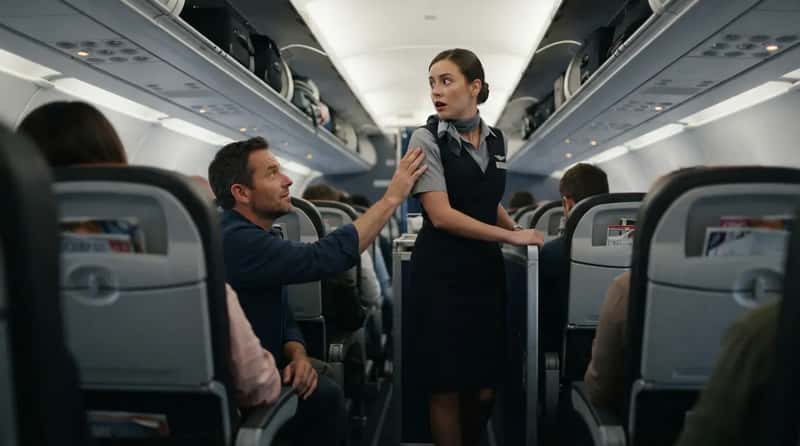
Not every gesture that feels considerate actually lands that way. Offering to lift a stranger’s heavy suitcase can seem gentlemanly, yet attendants are trained to avoid handling heavy bags themselves to prevent back injuries, and airlines expect passengers to manage their own luggage.
A tap on the shoulder to get attention might seem harmless, but crews spend hours moving through narrow aisles focused on safety, and being touched unexpectedly while working can be startling. Many travelers assume these gestures earn goodwill – crews say they often do the opposite. The proper move is simply waiting for eye contact or pressing the call button.
#4 – The Unspoken Shorthand Crew Use for Their Favorite Fliers
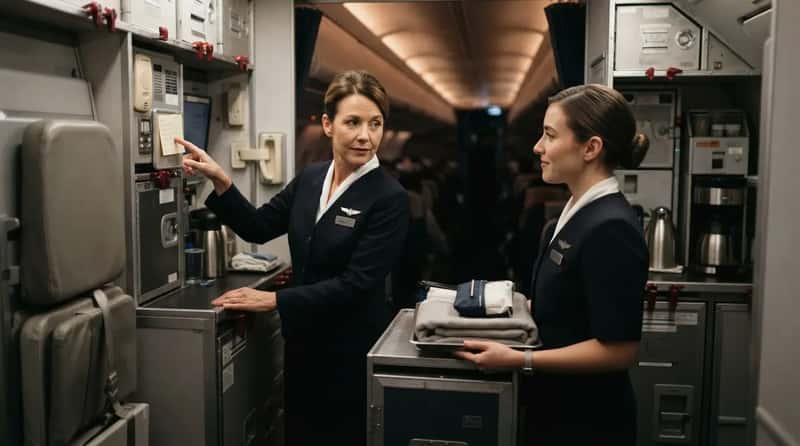
Cabin crews run on a private vocabulary most passengers never decode. Coded phrases and different chime patterns let crew communicate specific statuses and requests quickly, without alarming anyone nearby.
This subtle communication keeps everything calm and professional while still coordinating service smoothly. Some of that shorthand exists purely to flag a passenger the crew has decided to look after a little extra – a quiet heads-up passed from one galley to the next. You’ll never hear the code, but it’s very often working in your favor.
#3 – A Meal Upgrade Earned By a Calm, Polite Complaint
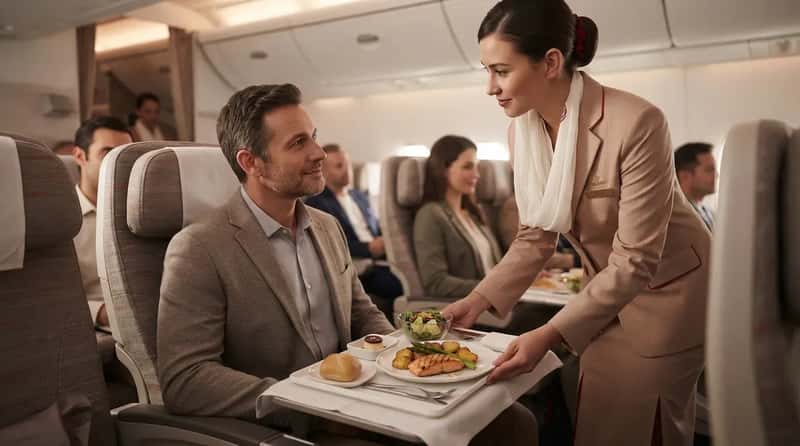
There’s a real difference between complaining and complaining well, and crews say it changes the outcome entirely. That same former Emirates crew member said if a passenger politely raised an issue about a missed meal choice, the crew would sometimes quietly bring a business-class meal to smooth things over.
Crews always try their best to get passengers their preferred meal choice, but sometimes it just isn’t possible – and how a passenger reacts to that shapes what happens next. A calm, specific complaint gets results far more often than a loud one – and crews openly admit it.
#2 – The Fare-Code Whisper Some Gate Teams Will Mention
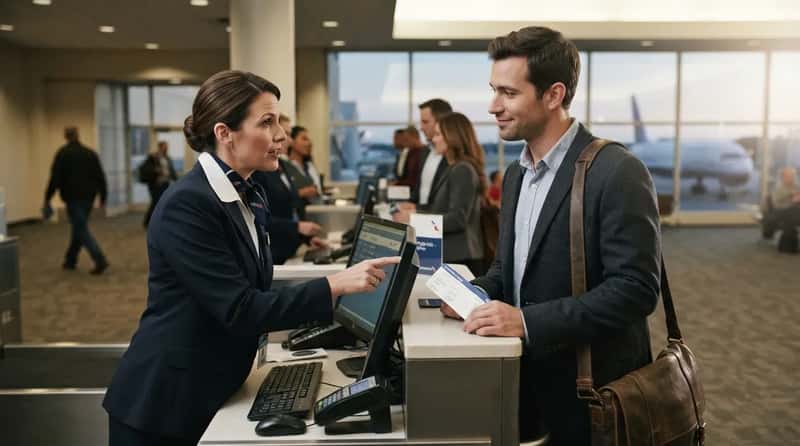
Not every upgrade comes from a smile in the galley – some come from fare codes most travelers have never heard of. Certain unpublicized upgrade codes, known as Y-Ups and Q-Ups in the U.S. and Z-fares elsewhere, are used to move eligible travelers from economy into business or first class.
Gate and airline staff generally won’t mention these codes to just anyone, but frequent, easygoing fliers who’ve built a relationship with staff sometimes get the tip. It’s one of the least-known upgrade paths in the entire industry, and it has nothing to do with loyalty points.
Quick Compare
- Y-Ups: An unpublicized U.S. fare code used to move eligible economy passengers into a higher cabin.
- Q-Ups: A similar U.S. code used for the same type of behind-the-scenes upgrade.
- Z-fares: The rough international equivalent used by some airlines outside the U.S.
#1 – A Regular’s Free Ride to the Front of the Plane
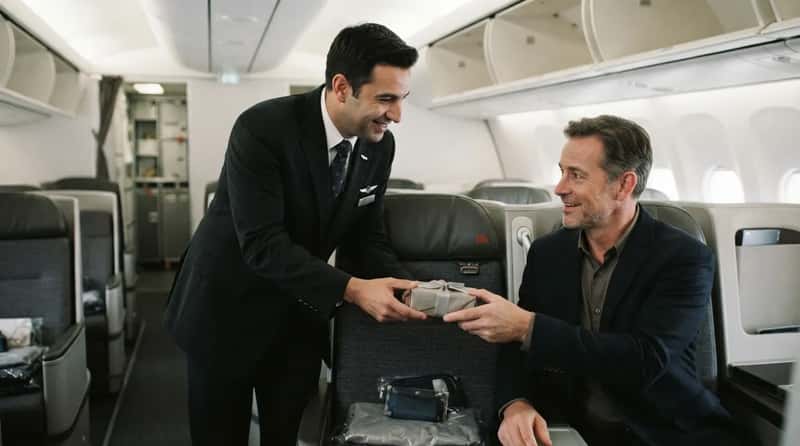
The single biggest reward crews describe isn’t a snack or a blanket – it’s years of consistency paying off all at once. One flyer who worked the same transatlantic route repeatedly explained that flying it so often meant getting to know many of the flight attendants and crew personally over time.
The payoff was significant. Several times, those attendants brought that traveler up to business or first class, simply because they always said thank you and occasionally offered small gift cards or trinkets in return – proof that being decent to a flight crew can pay dividends down the road. There was no program, no form, no request filed anywhere – just years of quiet decency, remembered by the same faces flight after flight.
None of these 25 things show up in any airline’s official amenities list, and that’s exactly the point. Every single one comes down to crew discretion, built quietly over the course of a flight, a boarding line, or years of the same route. The passengers who get treated the best usually aren’t asking for anything at all – they’re just the ones the galley team actually enjoys taking care of.
What’s the best “off-the-books” treatment you’ve ever gotten from a flight crew? Tell us in the comments.