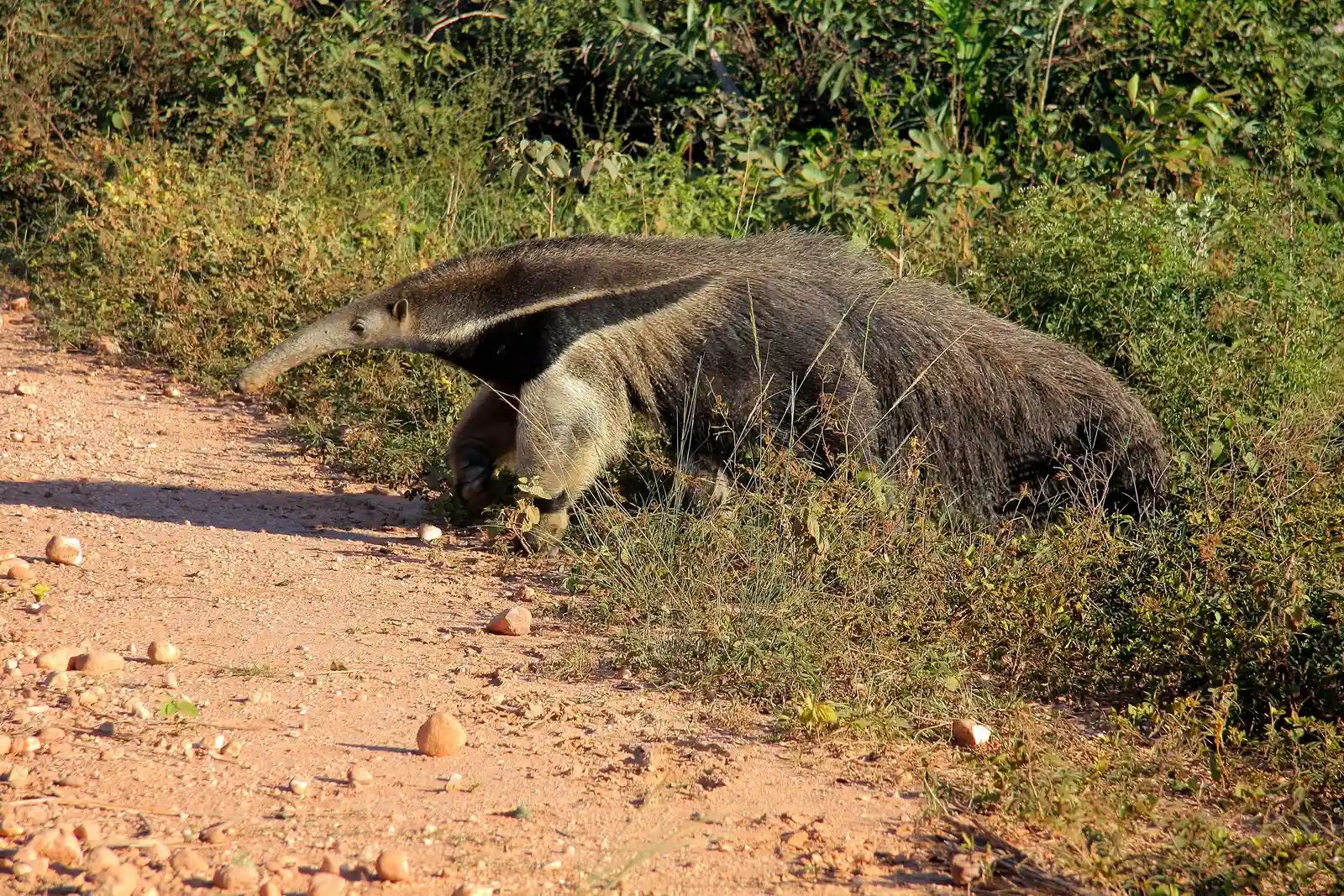
Corrientes Province, Argentina – A single giant anteater sighting in 2025 at the Alma Guaraní reserve has drawn attention to the potential of targeted habitat recovery in the Gran Chaco region. The animal marked the first confirmed presence of the species in the province since 1986, ending a gap of nearly 40 years. Observers link the return to restoration measures that began in the reserve four years earlier. The development carries practical weight for conservation planning across South America’s dry forests, where agricultural expansion continues to fragment suitable habitat.
Why the Timing Matters
The 2025 record arrived amid broader efforts to reverse biodiversity losses in the Gran Chaco, a region that has lost substantial forest cover to soy and cattle operations. Passive restoration, which allows natural regrowth with limited direct intervention, appears to have created conditions that supported the anteater’s settlement. Stakeholders including local universities, reserve managers, and regional governments now face questions about scaling similar approaches without large new budgets. The sighting also coincides with unusually low water levels in the Paraná River during 2024, which may have facilitated movement from adjacent areas in Chaco province. Such events underscore how incremental land management decisions can produce measurable wildlife responses within a few years.
Details of the 2025 Record
Researchers documented the individual, believed to be a male, through camera traps and field verification at Alma Guaraní. Co-author Rosario Montiel noted that the animal appeared to have located sufficient food resources and shelter to remain in the area. The record was described as spontaneous rather than the result of any reintroduction program. No prior signs of the species had been recorded in Corrientes province for four decades, making the event a clear benchmark for monitoring teams. The precise origin remains unknown, though the low river levels offered a plausible corridor from neighboring jurisdictions.
Pressures on Giant Anteater Populations
Giant anteaters are listed as vulnerable by the IUCN, with habitat conversion for farming and ranching identified as the primary driver of decline across Argentina and the wider Gran Chaco. Expanding road networks increase collision risks, while hunting pressure and incidental capture for the pet trade add further strain. These factors have reduced the species’ range and isolated remaining groups, complicating natural recolonization. In Corrientes, the combination of past land-use changes and ongoing fragmentation had left the province without resident anteaters for an extended period.
Practical Lessons for Land Managers
The Alma Guaraní case illustrates that protecting core areas and allowing vegetation recovery can yield results on a human timescale, even for wide-ranging mammals. Reserve staff and partner organizations have focused on reducing immediate threats while letting secondary forest develop, an approach that requires sustained enforcement rather than repeated planting campaigns. Similar strategies could be evaluated in other parts of the Gran Chaco where anteater populations persist at low densities. Monitoring programs will need to track whether additional individuals follow and whether breeding occurs locally. The episode provides a concrete reference point for weighing the costs and timelines of different restoration methods in policy discussions.