For the first time in history, the world’s fish farms have produced more than 100 million tonnes of aquatic animals in a single year. That threshold, long anticipated by industry watchers and researchers alike, was confirmed in the newest edition of the United Nations’ flagship fisheries report, and it marks a genuine turning point for how humanity feeds itself from the water.
The figure comes from the Food and Agriculture Organization’s State of World Fisheries and Aquaculture 2026 report, which was unveiled at the Our Ocean Conference in Mombasa, Kenya. Global aquaculture production reached a record 103 million tonnes in 2024, confirming its role as the world’s fastest-growing food production system, according to the new FAO report. It’s not a dramatic overnight leap either. Aquaculture has been building toward this moment for decades, and the milestone reflects a slow, steady climb rather than a sudden burst.
A Milestone Decades in the Making
The 100 million tonne mark did not appear out of nowhere. While wild fisheries have largely stabilized, reflecting ecological limits and effective management of some fishery stocks, aquatic animal production has continued to grow, averaging 3.2 percent annually since the 1950s. That kind of sustained growth, decade after decade, is rare for any food production system, and it explains why aquaculture now sits at the center of conversations about global food security.
Just two years earlier, in the 2024 edition of the same report, the milestone hadn’t quite been reached, though the trajectory was already unmistakable. The biennial FAO report, The State of World Fisheries and Aquaculture 2024, showed that aquaculture production exceeded fisheries for the first time in 2022. At that time, aquaculture surpassed capture fisheries in aquatic animal production with 94.4 million tonnes, representing 51 percent of the world total. Crossing from 94 million to 103 million tonnes in just two years shows how quickly the sector keeps expanding.
Why Wild Catch Has Hit a Ceiling
While farmed seafood keeps climbing, the ocean’s wild catch has essentially flatlined, and that contrast is central to understanding this story. Capture fisheries production remained broadly stable at 92 million tonnes of aquatic animals in 2024, continuing a long-term pattern of fluctuation between 86 million tonnes and 94 million tonnes since the late 1980s. That’s nearly four decades of essentially treading water while aquaculture has surged.
Most researchers agree this stagnation isn’t a coincidence. This stability suggests that natural limits on wild fish populations have largely been reached, at least under current management practices. There was, however, one bright spot within the wild catch numbers. Marine capture fisheries accounted for around 80 million tonnes, while inland fisheries reached a record 12.3 million tonnes. Inland fisheries actually grew, even as ocean fishing plateaued, which is a small but interesting exception to the broader pattern.
Asia’s Overwhelming Dominance
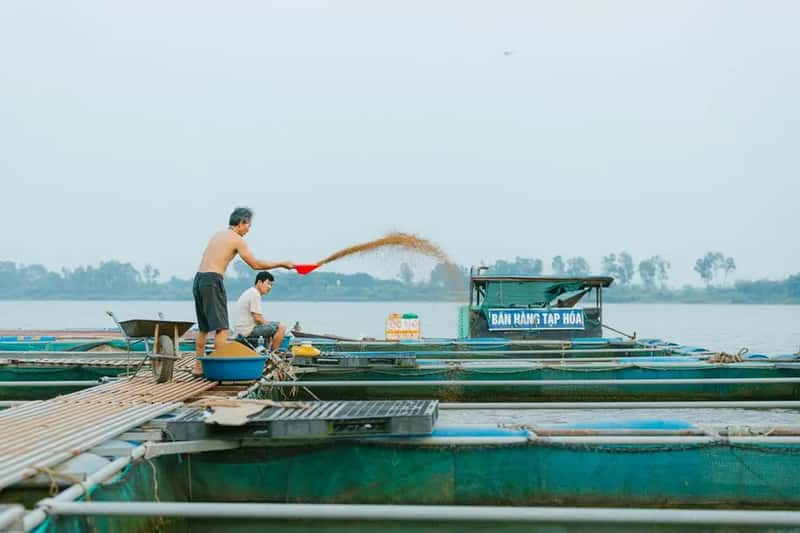
If there’s one region driving this entire global story, it’s Asia. The continent doesn’t just lead in aquaculture, it defines the sector almost entirely. Asia remains by far the dominant aquaculture region, accounting for around 89% of global aquatic animal aquaculture production, and the top five producing countries, China, India, Indonesia, Viet Nam and Bangladesh, together accounted for 82% of total farmed aquatic output. That kind of concentration in just five countries is striking for an industry that spans nearly every coastline and freshwater system on the planet.
This dominance isn’t new, but it has deepened over time. Earlier FAO data already showed a similar pattern, with China alone contributing to more than half of global aquatic animal production in recent years. The persistence of this concentration raises real questions about how other regions, particularly Africa and Latin America, might eventually tap into their own aquaculture potential rather than relying almost entirely on Asian supply chains.
Freshwater Ponds Outweigh the Ocean
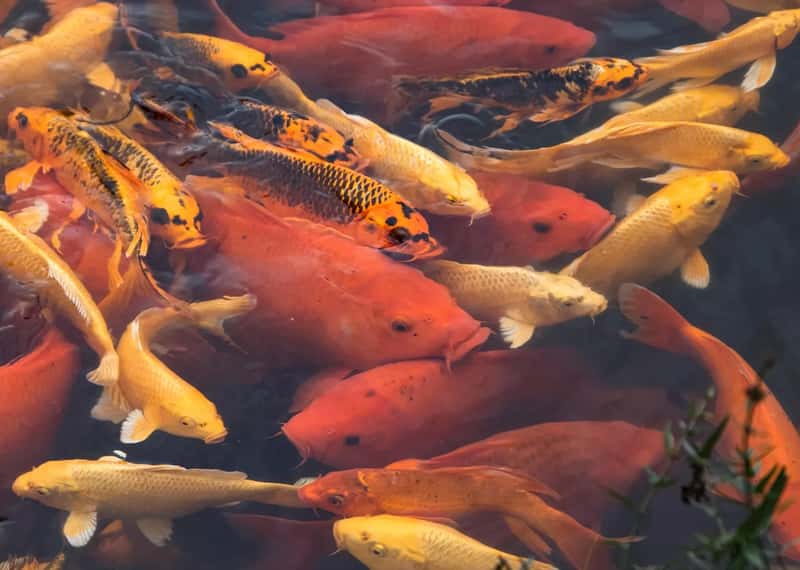
One detail that often surprises people outside the industry is where most farmed seafood actually comes from. It’s not offshore ocean cages, as many might assume, but inland freshwater systems. Freshwater systems are the main source of aquaculture production of aquatic animals, accounting for 64 million tonnes, or 63% of the total, while marine and coastal aquaculture produced 38 million tonnes. Ponds, lakes, and rice paddies quietly do most of the heavy lifting.
This freshwater bias has deep historical roots. Carp farming in Asian ponds dates back thousands of years, and the infrastructure and expertise built around it has simply scaled up over generations. Marine aquaculture, by contrast, tends to be more capital intensive and technically demanding, which helps explain why it still trails freshwater farming by a wide margin despite occupying more public attention through high profile salmon and shrimp operations.
The Species Behind the Statistics
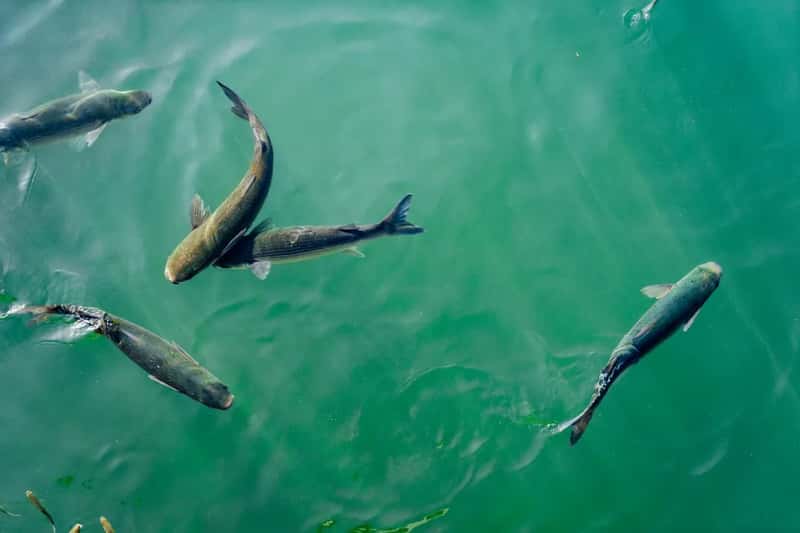
Behind the aggregate tonnage figures sits a surprisingly narrow list of species doing most of the work. At the species level, whiteleg shrimp, with 6.8 million tonnes, was the top species produced, closely followed by cupped oysters at 6.2 million tonnes, grass carp also at 6.2 million tonnes, Nile tilapia at 5.3 million tonnes, silver carp at 5.1 million tonnes and anchoveta at 4.9 million tonnes. These half dozen species alone account for a huge share of what ends up on dinner plates worldwide.
Carp in particular remains the backbone of global aquaculture by volume. Carps, barbels and other cyprinids represented the main group of species produced, with a share of 18 percent of the production of aquatic animals, followed by miscellaneous freshwater species at 11 percent and clupeiforms such as herrings, sardines and anchovies at 10 percent. Tilapia and shrimp get more international attention because they travel well and dominate export markets, but carp quietly feeds far more people at home in Asia than any headline species ever could.
A Trade Worth Nearly 200 Billion Dollars
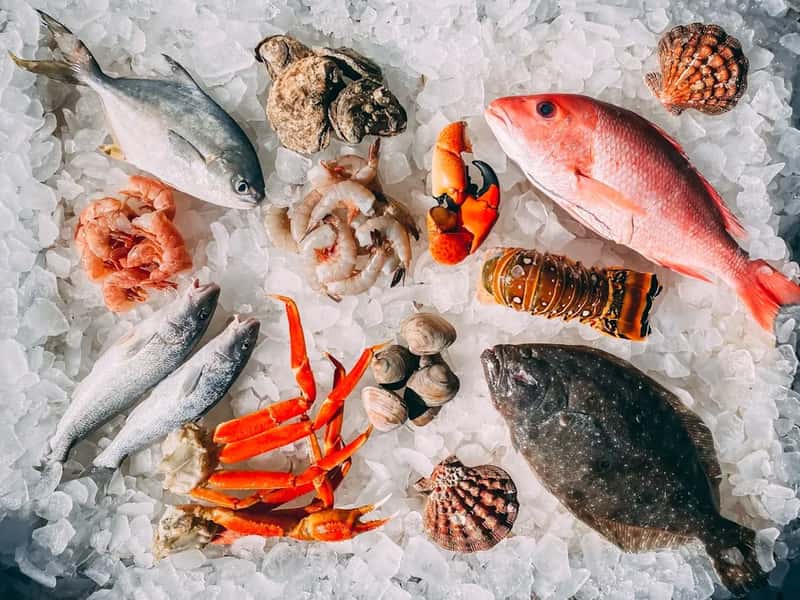
The financial scale of this industry now rivals some of the largest food sectors on earth. Trade in aquatic animal products continues to hit record highs at 184 billion dollars, and now rivals the terrestrial meat trade in value. That comparison alone says a lot about how central seafood has become to global commerce, not just nutrition.
At the farm gate, the value of aquaculture output specifically has also reached new heights. In 2024, aquaculture production surpassed 100 million tonnes for the first time, valued at 371 billion dollars at farm gate. That figure covers the raw value of what farmers produce before it even enters processing, export, or retail markets, meaning the true economic footprint of the sector, once you count downstream activity, is considerably larger still.
Feed, Fishmeal, and the Sustainability Question
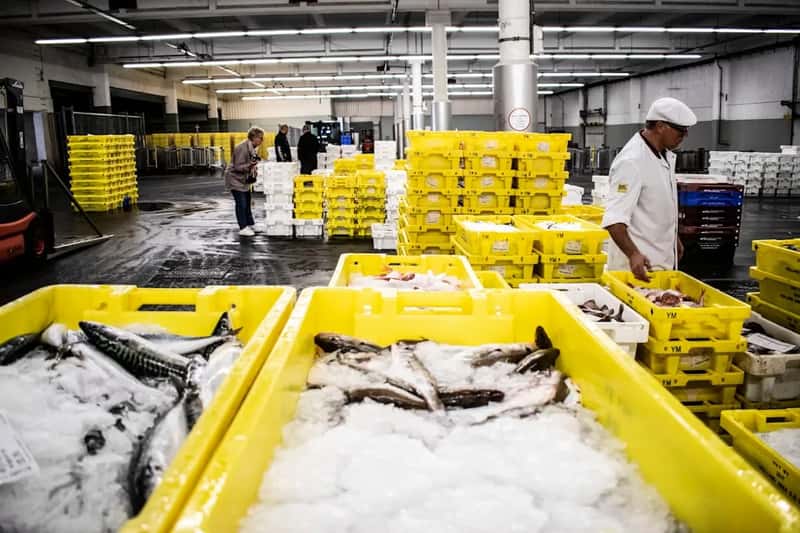
Feeding all these farmed fish sustainably has long been one of aquaculture’s thorniest challenges, particularly around the use of wild caught fish to make fishmeal and fish oil. Encouragingly, the latest data suggests this pressure hasn’t grown in step with production. Aquaculture absorbs over 90% of fishmeal and 64% of fish oil production, yet global production of these marine ingredients has remained stable since the mid-2000s, averaging roughly 5 million tonnes of fishmeal and 1 million tonnes of fish oil. That stability, even as farmed output has roughly doubled since the mid-2000s, is a meaningful sign of improved efficiency.
Part of the reason lies in smarter use of what used to be considered waste. The sector has optimized efficiency by recycling processing by-products, offal and trimmings, which accounted for 34% of fishmeal and 54% of fish oil production. Looking ahead, that trend is expected to accelerate further as formulators lean more heavily on plant based and even microbial proteins, gradually reducing the industry’s historic reliance on wild reduction fisheries.
Uneven Access Despite Record Supply
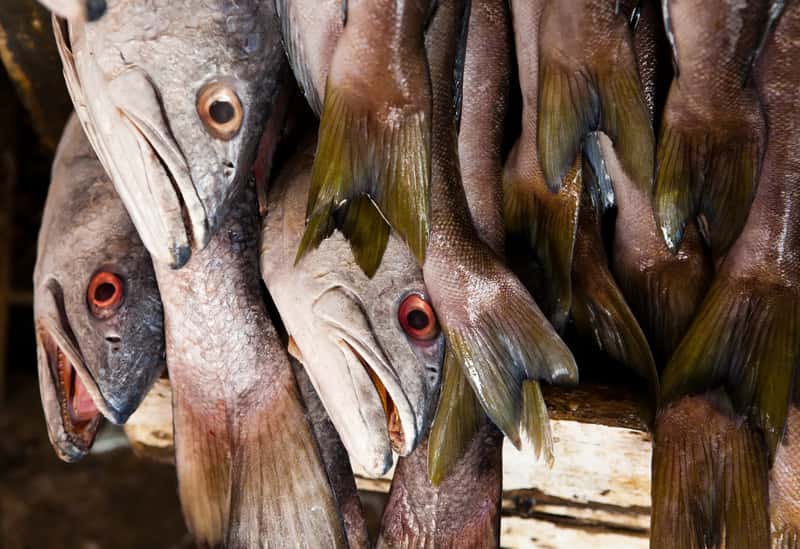
Record global production doesn’t automatically translate into equal access, and the data makes that gap clear. Despite rising global availability, access to aquatic animal foods remains uneven, per capita availability came in at an average of 21.1 kg in 2023 and rose only slightly to a preliminary estimate of 21.3 kg in 2024. That’s barely any movement year over year, even as total output climbed by millions of tonnes.
The regional disparities are even starker. In 2023, FAO found that availability ranged from 26.3 kg per person in Asia to 9.1 kg in Africa. Yet aquatic foods still matter enormously for African nutrition. Africa nevertheless recorded the second-highest contribution from aquatic animal foods to animal protein availability, at around 19%, highlighting the importance of aquatic foods to nutrition in the region. Boosting local aquaculture capacity, rather than relying purely on imports, could be one of the more impactful ways to close that nutrition gap over the coming decade.
What Comes Next for the Industry
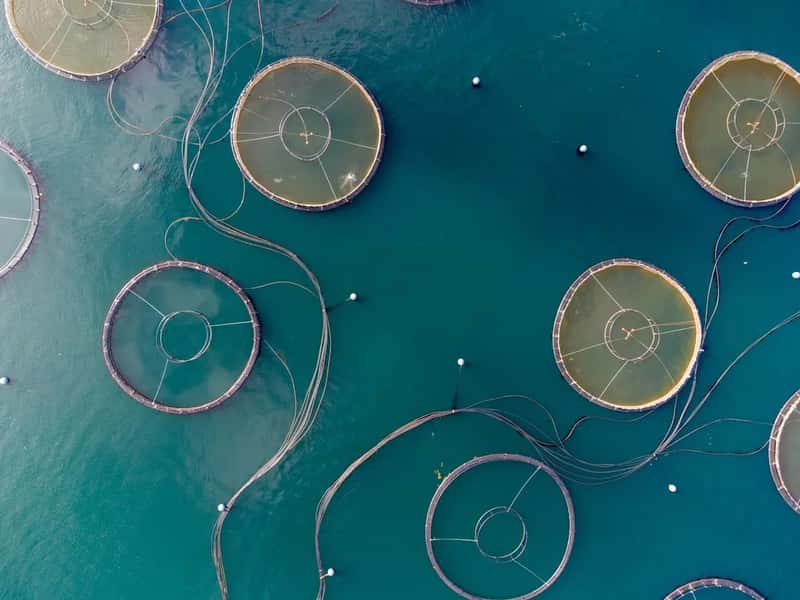
FAO’s forecasters don’t expect the growth story to end here, though they do expect it to slow from its historic pace. FAO projects continued growth in production, consumption and trade, with total aquatic animal production expected to reach 214 million tonnes by 2034, a meaningful jump from 2024 levels, though the annual growth rate is expected to be gentler than the breakneck pace seen in earlier decades. Aquaculture, rather than wild catch, is expected to account for essentially all of that additional growth.
Technology is likely to play a growing role in how that expansion unfolds responsibly. Industry experts anticipate that overall feed efficiency is expected to improve markedly, allowing producers to achieve the same biomass with less feed and a lower environmental footprint. Combined with FAO’s broader Blue Transformation agenda, which pushes for science based governance and climate smart farming systems, the next decade of aquaculture growth looks set to be measured less by raw tonnage alone and more by how sustainably that tonnage gets produced.
A Milestone With Strings Attached

Crossing the 100 million tonne threshold is undeniably a landmark achievement for global food production, and it deserves recognition as such. It shows that a food system barely a few decades old in its modern industrial form can now rival, and in many ways exceed, the productivity of oceans that humans have fished for millennia.
Still, the milestone comes with real caveats attached, from uneven nutritional access across regions to the ongoing challenge of scaling responsibly without repeating the environmental mistakes of other intensive farming sectors. The record number makes headlines, but the harder work, ensuring that growth is shared fairly and managed sustainably, is really just getting started.