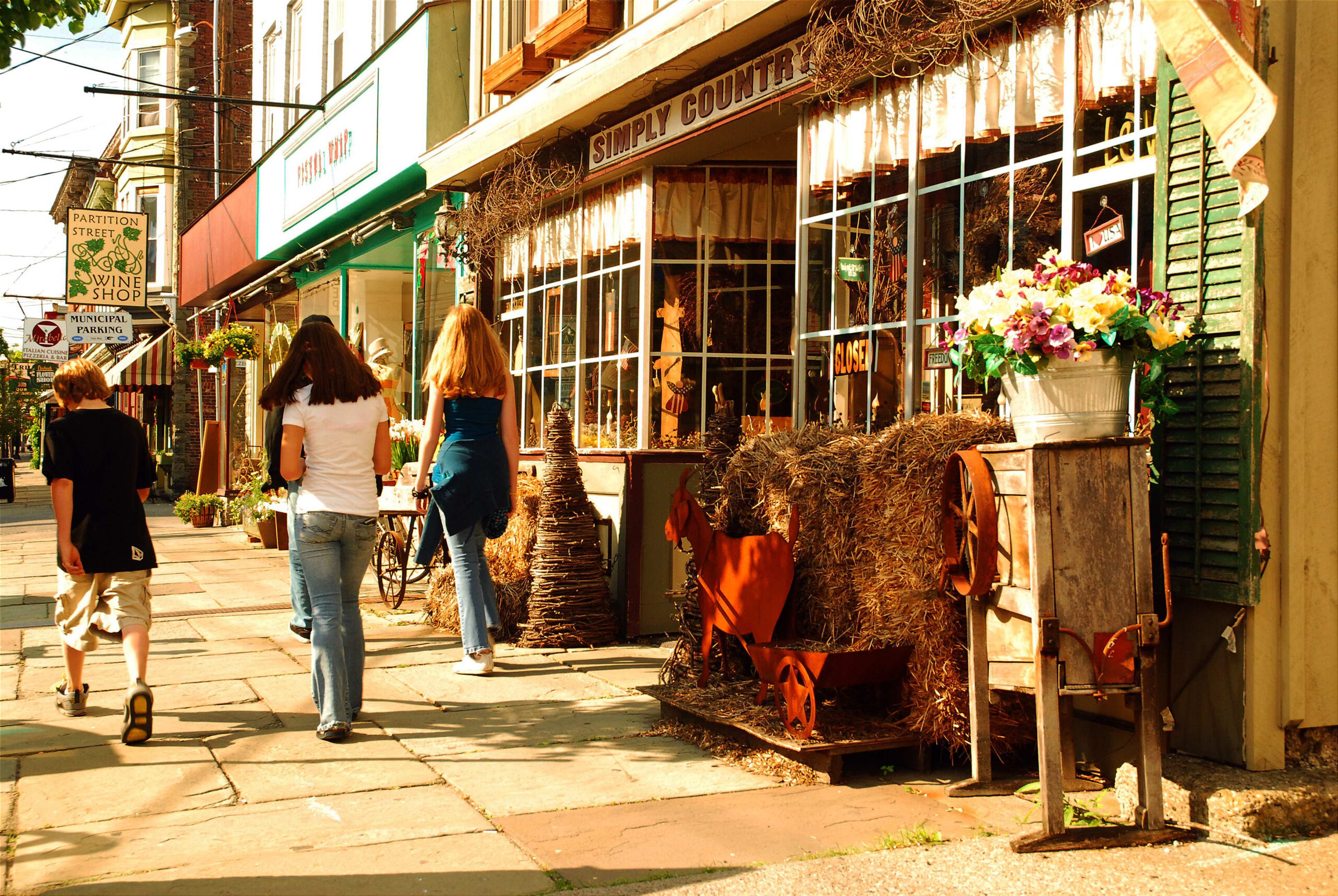
We’ve all been there. You scroll through vacation photos that look perfect on the surface but somehow leave you feeling hollow once you get back home. A week on the sand is great for relaxation, no question about it. Yet there’s something profoundly different about travel that changes you from the inside out, the kind that pulls you into rituals older than time and stories that have shaped entire civilizations.
Here’s the thing: 85% of travelers want to visit places where they can deeply explore local culture, according to recent research. We’re living in a moment where cultural immersion isn’t just trendy, it’s essential. So let’s talk about where you can truly disconnect from the ordinary and reconnect with something far more meaningful. Ready to see which destinations will reset your perspective in 2026?
Japan: Where Ancient Rituals Meet Modern Mindfulness
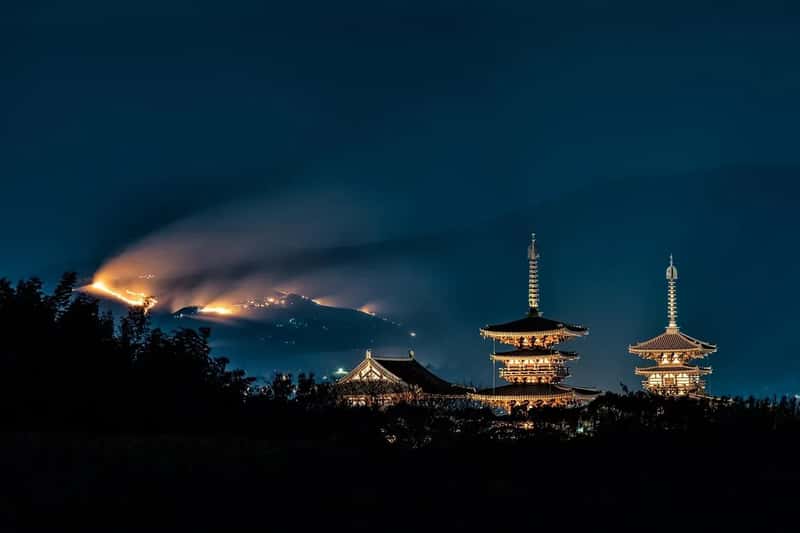
Japan welcomed a record 36.8 million tourists in 2024, and honestly, it’s hard to blame anyone for wanting a piece of what this country offers. Think about it: where else can you participate in a centuries-old tea ceremony in the morning and watch neon lights dance across Tokyo’s skyline by evening? Both domestic and international tourists are increasingly drawn to Japan’s rich historical sites, such as Kyoto’s temples, Nara’s ancient shrines, and the UNESCO-listed villages of Shirakawa-go and Gokayama. The real magic happens when you stay in a traditional ryokan, sleep on tatami mats, and wake to kaiseki meals that feel like edible art. In Japan, rugged mountains, ancient temples, and more make up the 25 UNESCO World Heritage sites here, giving you endless opportunities to step back in time while remaining firmly grounded in one of the world’s most technologically advanced nations.
Morocco: A Sensory Journey Through Time and Tradition
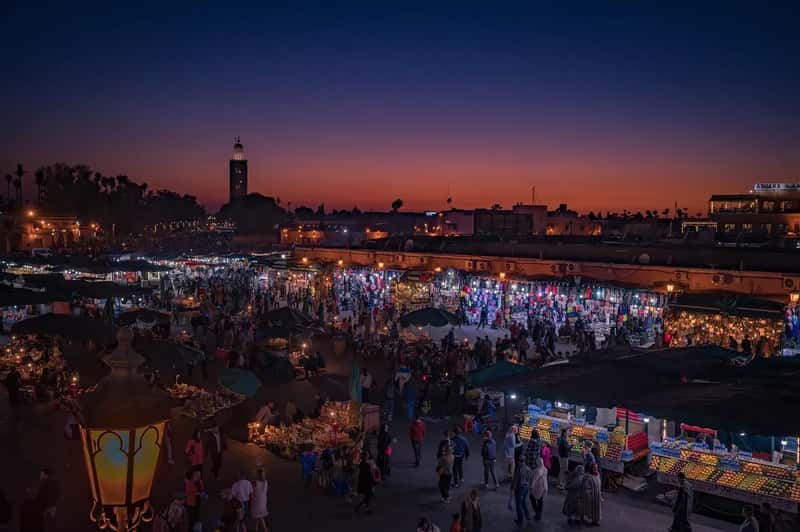
Let’s be real: Morocco hits different. Morocco’s historic medinas are the beating heart of its cities, encapsulating centuries of culture and tradition. The UNESCO-listed medina in Fes is a journey back in time, where the scent of exotic spices mingles with the echoes of ancient artisans’ workshops. I think what makes Morocco so special is how it forces you to slow down and engage all your senses at once. You can take a cooking class in Marrakech, share mint tea with a Berber family in the Atlas Mountains, or lose yourself completely in the labyrinth of souks where every corner reveals another artisan perfecting a craft passed down through generations. The country’s blend of Arab, Berber, and African influences creates something you won’t find anywhere else on Earth.
Peru: Walking in the Footsteps of Ancient Civilizations
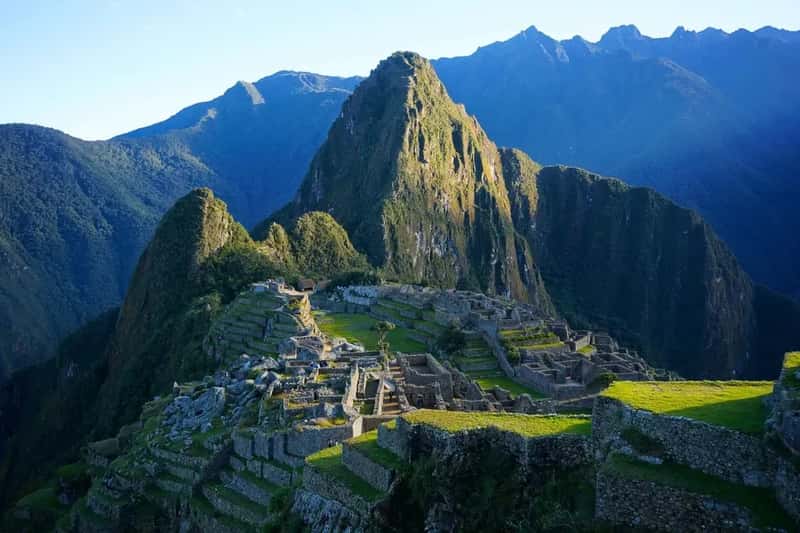
The country is known for its rich cultural scene, with over 3,000 official festivals happening throughout the year. Peru isn’t just about Machu Picchu, though that alone would justify the trip. Visit the traditional market in Pisac, where locals from nearby villages gather to sell handmade textiles, pottery, and silver jewelry. Many of these artisans use techniques passed down from their ancestors. Home stays provide an intimate view of daily life, from preparing meals to learning about traditional weaving techniques, which have been declared part of Peru’s national cultural heritage. The Sacred Valley offers something that guidebooks can’t fully capture: the chance to witness Quechua-speaking communities living traditions that predate European contact. You’ll find yourself sitting with families, learning weaving patterns that carry stories within their threads, tasting pachamanca cooked underground the way it’s been done for centuries.
India: Spiritual Awakening Across a Continent of Contrasts
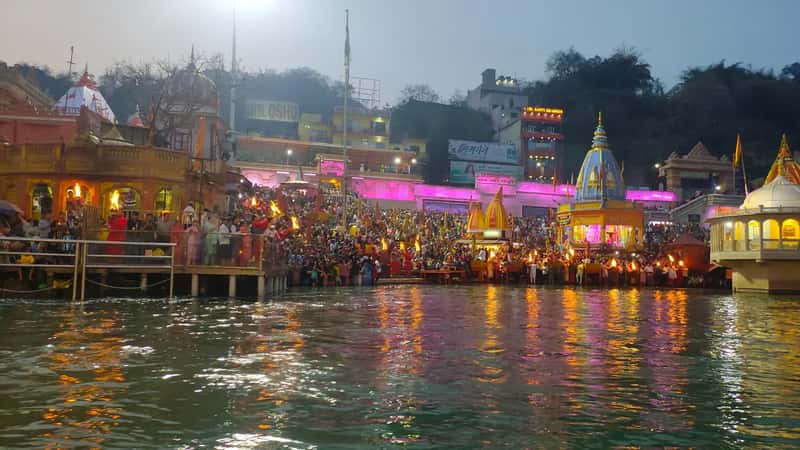
India doesn’t just invite you in; it completely envelops you. Beyond the bucket-list place of Taj Mahal are numerous UNESCO World Heritage Sites, excellent food and friendly people. Picture yourself in Varanasi at dawn, watching the Ganga Aarti ceremony unfold along the ghats as pilgrims perform rituals unchanged for millennia. Then contrast that with Rajasthan’s royal palaces where you can actually stay overnight, living like maharajas once did. The country offers nearly overwhelming diversity: from Kerala’s tranquil backwaters to Ladakh’s Buddhist monasteries perched at impossible altitudes. What strikes most visitors is the warmth of Indian hospitality and how seamlessly ancient spiritual practices exist alongside bustling modern cities. It’s hard to say for sure, but India might just offer the most transformative journey of any destination on this list.
Vietnam: Living History and Authentic Heritage
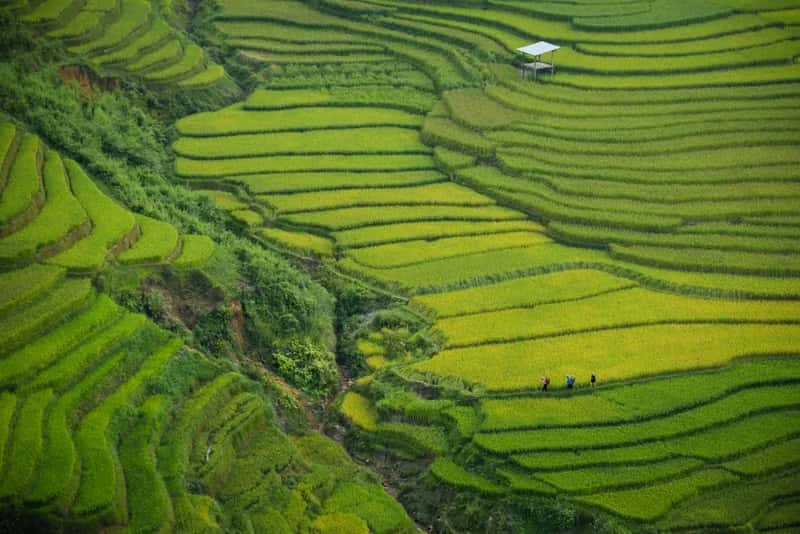
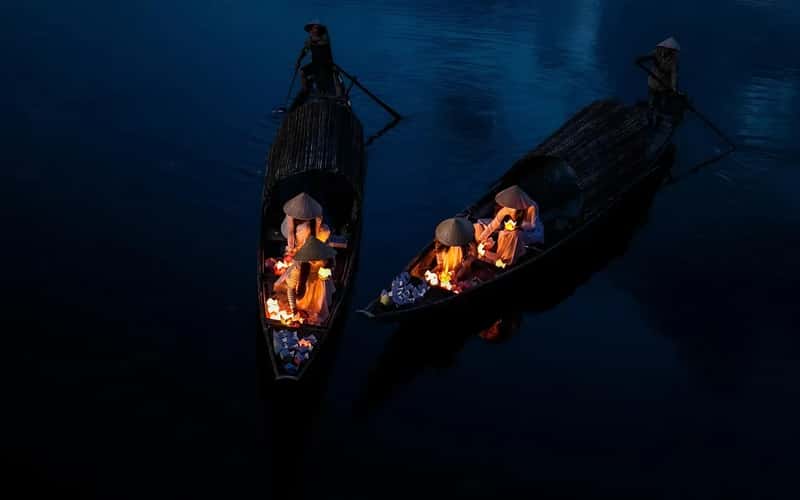
Vietnam has this incredible ability to blend its painful history with vibrant optimism in ways that feel both humbling and inspiring. The country’s cultural heritage runs deep, from Hanoi’s Old Quarter where narrow streets buzz with motorbike traffic and street food vendors, to Hoi An’s lantern-lit ancient town that UNESCO recognizes for its remarkably preserved architecture. What makes Vietnam special for cultural immersion is how accessible local life feels. You can join families in rural villages for home-cooked meals, learn about rice cultivation in the terraced fields of Sapa, or take cooking classes that reveal the complex flavors balancing Vietnamese cuisine. The markets alone tell stories: women in conical hats selling produce that changes with the seasons, fishermen bringing in catches that go straight from boat to bowl.
Jordan: Desert Kingdoms and Timeless Hospitality
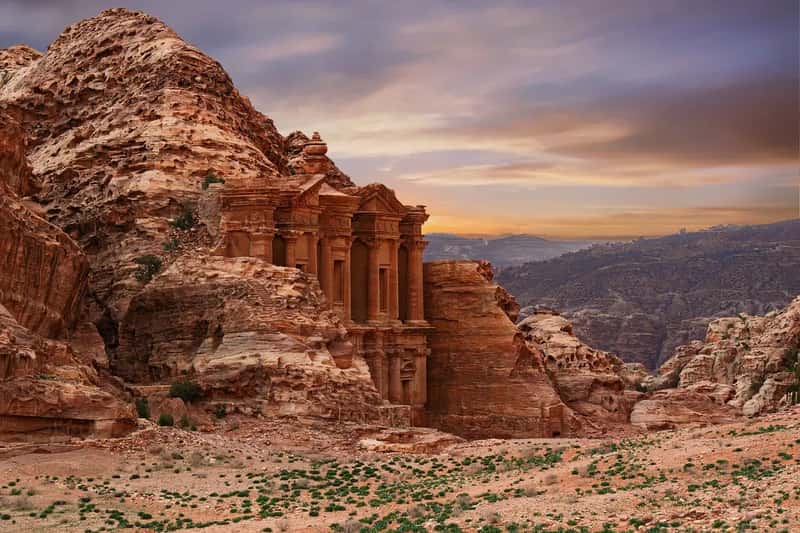
Jordan offers something quietly profound. Sure, Petra’s rose-red facades carved into cliffs by the Nabataeans are breathtaking, no argument there. Yet what lingers long after you leave is the hospitality, the Bedouin tradition of welcoming strangers that remains deeply embedded in Jordanian culture. Spend a night in Wadi Rum’s desert camps under stars so bright they feel close enough to touch, sharing sweet tea and stories around campfires with locals who’ve called these sands home for generations. The country’s Roman ruins at Jerash transport you back two millennia, while Amman’s modern cafes and art galleries show Jordan’s contemporary cultural pulse. Wander through the old alleys of Nizwa Fort, chat with local artisans at a village souk, or join a traditional dhow boat tour at sunset. Oman is subtle in its beauty, but deeply rewarding for those who take time to absorb its rhythm – and Jordan shares this same understated magnificence.
Ethiopia: Africa’s Ancient Christian Kingdom
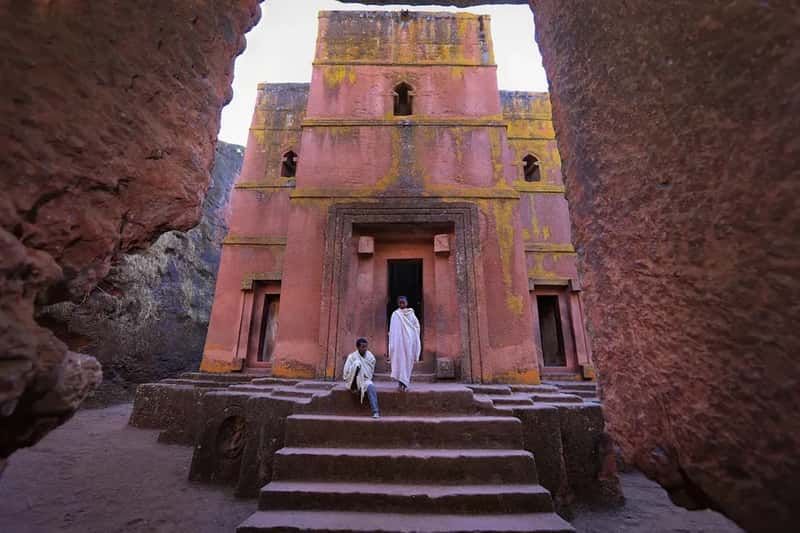
Home to remarkable rock-hewn churches carved into volcanic rock, Lalibela is a site of immense religious and historical significance. Pilgrims flock here for its spiritual atmosphere, especially during Ethiopian Orthodox celebrations like Timkat. Ethiopia stands apart from typical African tourism circuits, offering experiences that feel genuinely untouched by mass tourism. Visitors can engage with the local community, participate in traditional coffee ceremonies, and learn about Ethiopia’s deep-rooted history. The country’s ancient Christian traditions date back to the 4th century, creating a cultural landscape unlike anywhere else on the continent. From Addis Ababa’s bustling markets to the Simien Mountains’ dramatic landscapes, Ethiopia rewards travelers willing to venture off the beaten path. The traditional coffee ceremony alone becomes a meditation on patience and community, taking hours as beans are roasted, ground, and brewed while conversation flows.
Portugal: Soulful Traditions on Europe’s Western Edge
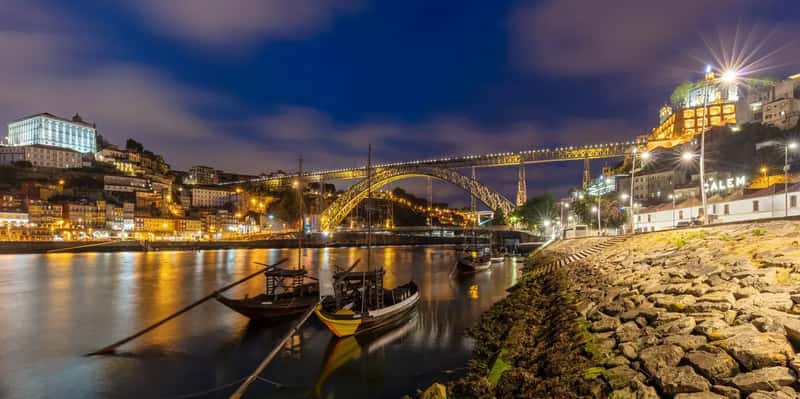
Portugal might surprise you with its depth. While Spain often steals the spotlight, Portugal offers cultural experiences that feel more intimate, less performative. Listen to fado music in Lisbon’s Alfama district, where singers pour centuries of saudade (a uniquely Portuguese longing) into melancholic melodies that seem to echo through cobblestone alleys. The country’s seafaring history comes alive in Porto’s historic center and the Algarve’s fishing villages where boat builders still practice traditional crafts. Portuguese cuisine tells stories of exploration and trade: spices from former colonies, seafood from Atlantic waters, pastéis de nata that monks perfected centuries ago. The country’s slower pace compared to other European destinations lets you genuinely connect with locals over long lunches and evening strolls through medieval towns practically unchanged since the Middle Ages.
Georgia: The Caucasus’ Hidden Cultural Treasure
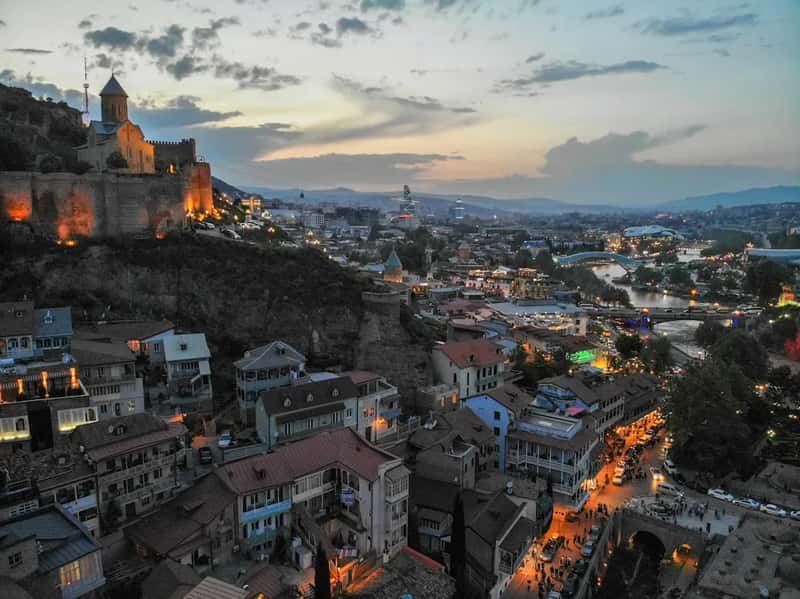
Tucked between the Black Sea and the Caucasus Mountains, Georgia offers an intriguing blend of Eastern European and Western Asian cultures. Its capital, Tbilisi, is a city of contrasts – ancient bathhouses sit beside trendy cafes, and centuries-old churches are just steps from buzzing street art. Georgia’s winemaking tradition stretches back 8,000 years, making it possibly the birthplace of wine itself. You can visit family vineyards where qvevri (large clay vessels) buried underground still ferment grapes using methods UNESCO recognizes as intangible cultural heritage. The country’s polyphonic singing traditions create harmonies that feel both ancient and otherworldly. Georgian hospitality revolves around the supra, elaborate feasts where a tamada (toastmaster) guides proceedings through countless toasts celebrating family, friendship, and life itself. From Tbilisi’s sulfur baths to Kazbegi’s mountain monasteries, Georgia offers cultural depth that most travelers never knew existed.
Conclusion: Your Next Chapter Starts Here
In 2024, 56% of all travel was focused on cultural heritage. This number is expected to grow as more travelers seek deeper, more meaningful experiences to learn about history, art, and traditions. The data confirms what many of us already feel: we’re craving something more substantial than superficial tourism. These eight countries offer genuine pathways to transformation through cultural immersion. Whether you’re watching the sun rise over Angkor Wat’s sister sites in Peru, learning traditional crafts from Moroccan artisans, or sharing meals with Japanese families in their homes, you’re participating in exchanges that benefit both travelers and host communities. The world’s cultural heritage needs our respectful engagement to survive and thrive. So here’s my question for you: which of these destinations will you choose for your own cultural reset? The experiences waiting for you go far deeper than any beach ever could.