Travel often comes with a strange contradiction: you arrive in a foreign country expecting danger around every corner, only to find yourself strolling through midnight streets feeling safer than you ever do at home. Meanwhile, the locals are clutching their bags tighter, avoiding certain neighborhoods, and sharing warnings you never heard in any guidebook. This curious gap between visitor perception and local reality reveals something fascinating about how we experience safety, and it’s more common than you might think.
In some of the world’s most celebrated destinations, tourists walk around with a carefree confidence that residents simply don’t share. The reasons vary wildly, from economic pressures invisible to short-term visitors to cultural anxieties that don’t translate across borders. What creates this perception divide says as much about human psychology as it does about actual crime statistics. Let’s explore twelve countries where this safety paradox plays out in surprising ways.
1. Iceland
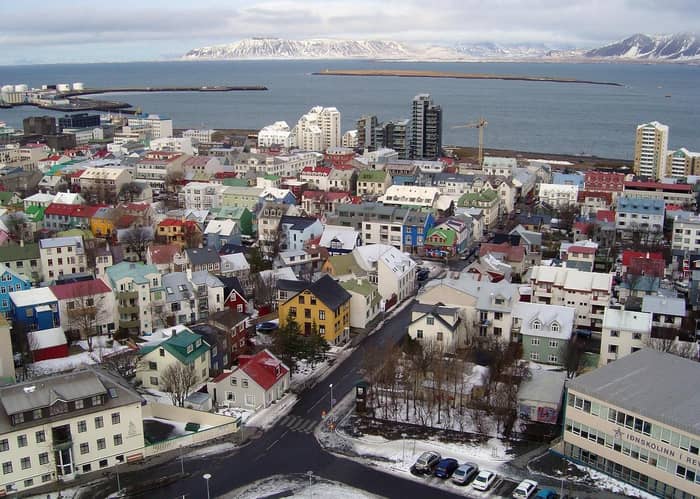
Iceland has consistently held the top spot on the Global Peace Index since 2008, maintaining its position as the safest country in the world. Yet here’s the paradox: when respondents were asked about how they felt public safety had changed in the last 10 years, those who answered that it had “worsened,” including “somewhat worsened,” came to 76.6% according to a National Police Agency survey conducted in October 2024. Eight homicides in 2024 were considered a crime wave, considering the country typically sees fewer than two murders annually. For visitors, though, the country remains pristine; the real concern locals have isn’t criminals but rather volcanoes, which can and do erupt, often somewhat unpredictably. Tourists exploring the dramatic glaciers and geysers feel remarkably secure, unaware that Icelanders themselves increasingly worry about their changing world.
2. Japan – The Safety Paradox of Asia
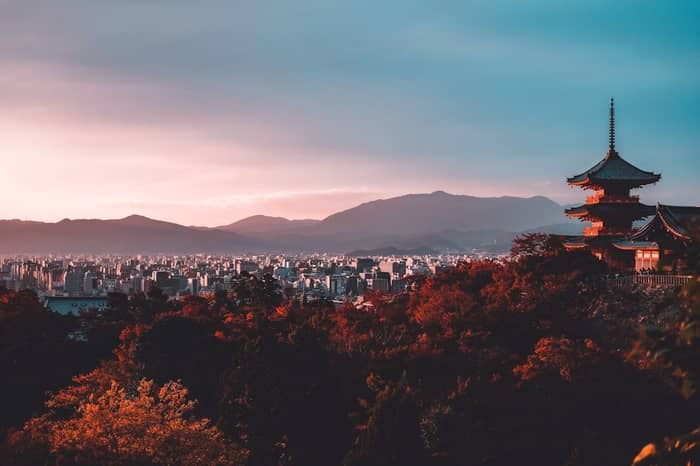
Japan’s rise from 12th place in 2024 to ninth in 2025 highlights an improvement in traveler confidence, with the country being the exception to the rule that only sparsely populated countries are safe. However, a survey conducted by Japan’s National Police Agency in October 2024 revealed that just 56.4% of respondents felt “Japan has good public safety,” the first time that the percentage had fallen below 60% since the survey began, while 76.6% believed safety had worsened over the past decade. According to the Japanese National Police Agency’s annual report released in early 2025, violent crimes posing direct threats to personal safety surged alarmingly in 2024, with recognized cases of “major crimes” – including homicide, robbery, rape, and sexual assault – totaling 14,614 incidents, marking an 18.1% year-over-year increase. Meanwhile, international tourists continue exploring Tokyo’s neon streets and Kyoto’s ancient temples, mostly oblivious to locals’ mounting anxieties about their changing security landscape.
3. Singapore – Strict Laws Create Unequal Peace of Mind

Singapore has the highest perceptions of safety in the world, supported by low crime rates and a high degree of law and order. Yet visitors experience this safety differently from residents. Tourists enjoy walking freely at midnight without fear, marveling at the pristine streets and efficiency. Locals, however, navigate an intricate web of regulations where everyday actions that might be harmless elsewhere can get you in trouble here, such as chewing gum, not flushing the toilet, and eating on public transport being illegal. The psychological weight of constant surveillance and strict enforcement creates a different lived experience for those who call Singapore home versus those just passing through.
4. Portugal – Economic Anxiety Beneath Tourist Paradise
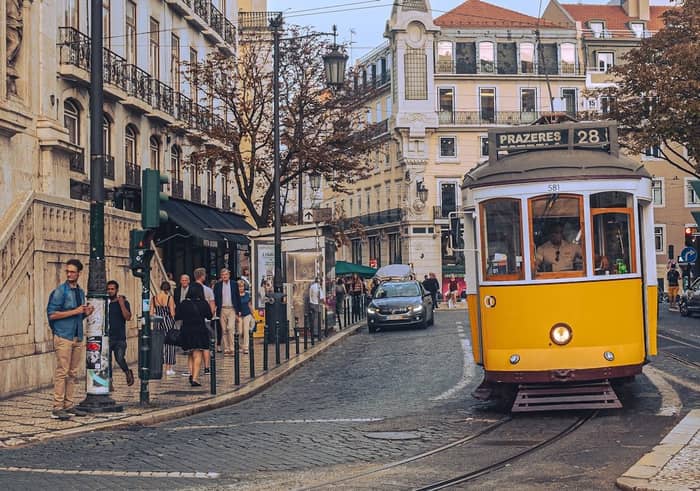
In 2014, Portugal was ranked 18th globally and has since made significant strides, with an increased police presence resulting in a decreased crime rate, and experienced an economic resurgence, decreasing its unemployment rate from over 17% to under 7%. The Global Peace Index confirms this, consistently ranking Portugal high for safety – in 2024, it came in at number seven. Tourists flock to Lisbon’s charming streets and the Algarve’s beaches, feeling remarkably secure. Yet Portuguese residents, having weathered economic crises and ongoing concerns about housing affordability and cost of living, view their country’s transformation with more nuanced anxiety. Visitors see picturesque cobblestone streets; locals see gentrification and displacement pressures that statistics don’t fully capture.
5. Denmark – High Trust Meets Growing Unease
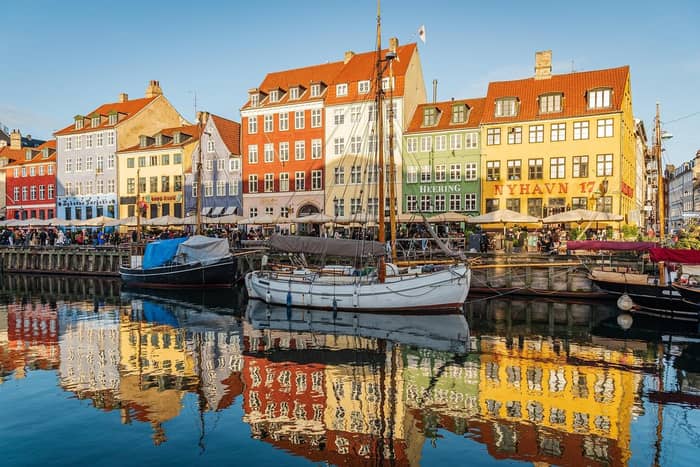
Denmark is ranked second on the World Population Review’s list of the safest countries in the world, with the country’s strong social system believed to foster a sense of overall security among locals, and the government’s tough stance on corruption helping reinforce citizens’ high levels of social trust, with 74% of Danes comfortable trusting each other. For international visitors, Denmark feels like a fairy tale of safety and contentment. Ranked second on the 2023 Global Peace Index, Denmark is another one of the safest and happiest countries in the world, being one of the few countries where people report feeling safe at any time of day or night, even children. Still, even in this Nordic haven, locals experience tensions around immigration debates and social cohesion that don’t immediately register with tourists cycling through Copenhagen’s organized streets.
6. Ireland – Post-Conflict Peace With Lingering Concerns
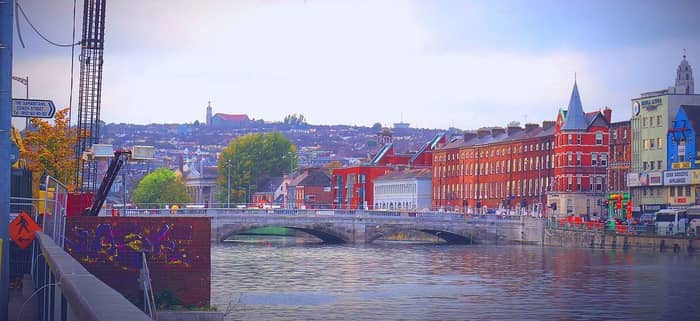
Tourists exploring the Wild Atlantic Way and Dublin’s cultural landmarks feel embraced by Irish hospitality and safety. Since the Good Friday Agreement in 1998, Ireland has experienced relatively low levels of violent crime. Yet locals maintain institutional memories of sectarian tensions and navigate contemporary concerns about urban crime and social issues that international visitors, enchanted by the Emerald Isle’s charm, rarely encounter. The lived experience of safety differs sharply between those with generational roots and those with round-trip tickets.
7. Austria – Alpine Serenity With Urban Realities
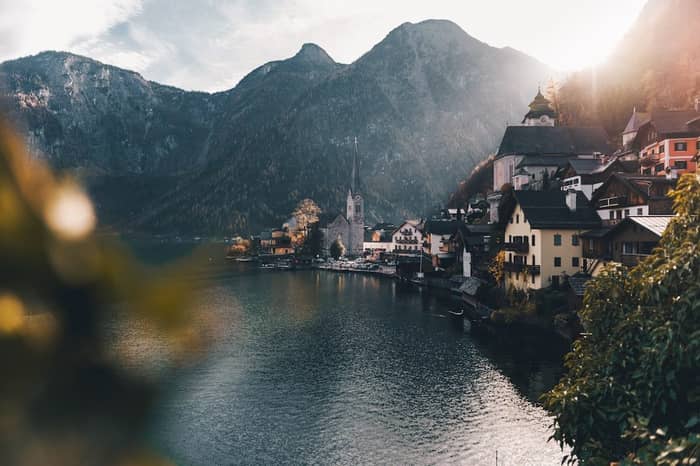
Austria ranked as the fifth-safest country in the world in 2023, with violent demonstrations in the wake of ongoing social unrest remaining a concern but relatively easy to avoid, and serious crimes being uncommon, with the usual caveat to watch for pickpockets and purse-snatchers, while the country has been spared any major acts of terrorism in recent years. Visitors exploring Vienna’s imperial palaces and Salzburg’s alpine villages feel cocooned in historic elegance and modern security. For Austrian residents, particularly in urban centers, concerns about social demonstrations, economic pressures, and integration challenges create a more complicated picture. Austria combines historic charm with modern safety, with its beautiful alpine villages and cultural cities like Vienna making it a top choice for travelers seeking a serene and secure experience, a perception locals view with more reservation.
8. New Zealand – Remote Paradise With Hidden Pressures
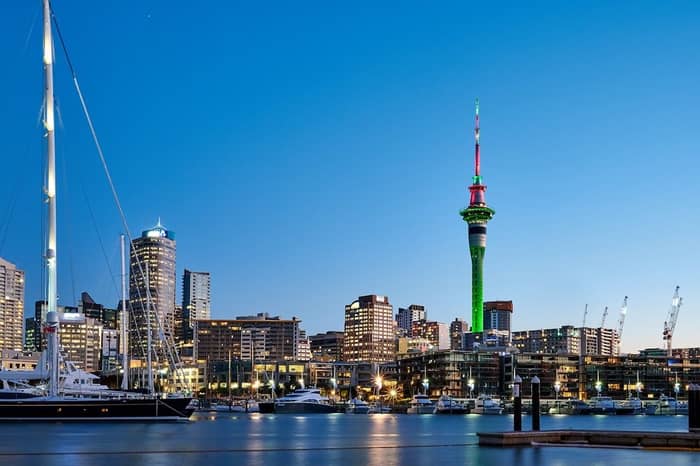
New Zealand ranks highly on the list thanks to its consistently low crime rate, transparent and community-oriented policing, and a strong emphasis on civil liberties, with its public healthcare system being well-funded and accessible, and the country benefiting from minimal political unrest and a high level of trust in public institutions, with its geographic isolation and effective emergency response systems enhancing its reputation. Adventure tourists hiking through Hobbiton film sets and bungee jumping in Queenstown perceive New Zealand as an untouchable sanctuary. Yet Kiwis themselves grapple with rising living costs, housing affordability crises, and concerns about infrastructure strains that tourists, dazzled by Middle-earth landscapes, rarely consider. The contrast between visitor bliss and resident reality remains stark.
9. Canada – Vast Safety With Regional Variations
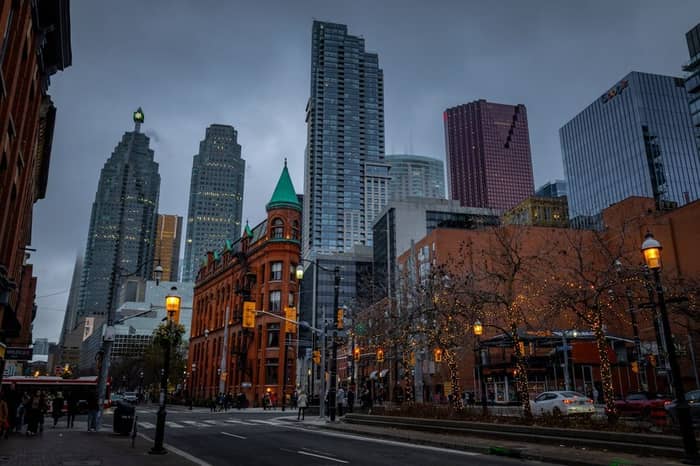
The Berkshire Hathaway Travel Protection insurance company listed Canada as the third safest country to visit in 2025, with the destination performing especially well under the categories of safety from violent crime, transportation safety, and Women’s/LGBTQIA+/People of Color Safety. ImmigCanada breaks down Canada’s safety into security with its low crime rate, counterterrorism measures, secure transportation, healthcare for all, diversity, and economic stability, and it’s also the top-rated North American country in the Global Peace Index. International visitors exploring Banff’s mountain majesty or Toronto’s multicultural vibrancy feel remarkably secure. Canadian residents, however, navigate concerns about crime in certain urban neighborhoods, Indigenous reconciliation challenges, and regional disparities that tourists on carefully planned itineraries rarely witness.
10. Slovenia – Hidden Gem With Local Complexities
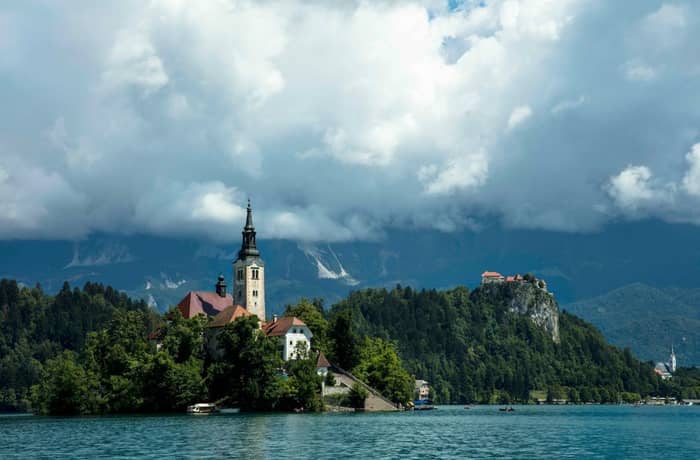
Slovenia stands out as one of the safest countries in the world due to its impressively low crime rate, well-organized law enforcement, and high-quality healthcare system, with excellent road conditions and environmental standards further enhancing public safety, excelling in all three critical aspects – security, medical safety, and road safety. Tourists discovering Lake Bled’s fairy tale beauty and Ljubljana’s charming architecture feel they’ve stumbled upon Europe’s best-kept secret. For Slovenians, life involves navigating economic transitions, concerns about the healthcare system pressures, and the complexities of a small nation in a changing Europe. The postcard-perfection tourist photograph doesn’t capture the full story locals live daily.
11. Norway – Natural Beauty Masking Social Shifts
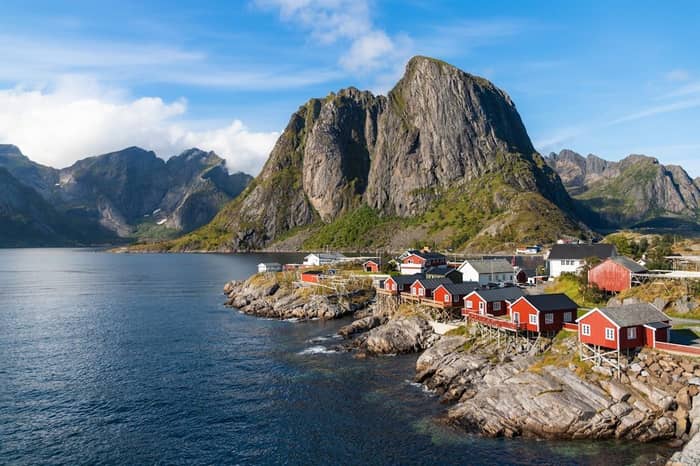
Known for its incredible fjords and outdoor activities, Norway is also one of the safest countries in the world, with excellent healthcare and infrastructure. Visitors cruising through dramatic fjords and chasing the Northern Lights experience Norway as an unspoiled wilderness sanctuary with impeccable order. Norwegian residents, meanwhile, confront debates about immigration integration, concerns about preserving their generous welfare state, and anxieties about climate change impacts on their beloved landscapes. The safety tourists experience feels absolute; the safety locals experience feels conditional on maintaining delicate social balances. This gap in perception stems from investment in the country’s future versus simply enjoying its present moment.
12. Switzerland – Precision Safety With Growing Tensions
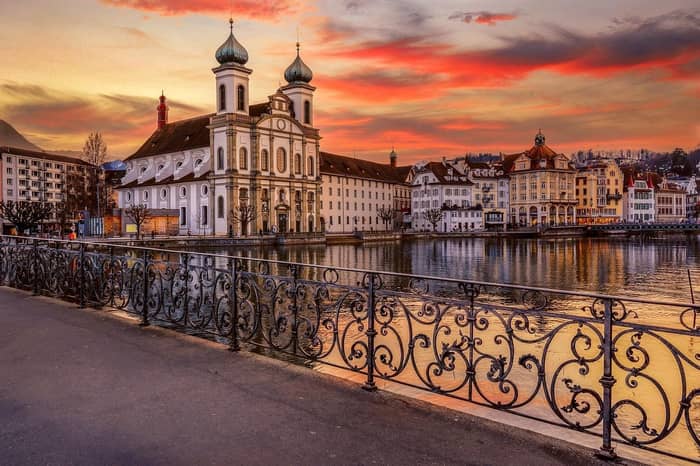
Switzerland consistently ranks among the world’s safest nations, with its legendary neutrality, efficient systems, and pristine cities creating an image of absolute security. Tourists exploring Zurich’s banking district and Lucerne’s lake feel surrounded by clockwork perfection and orderly calm. Swiss residents, however, navigate rising concerns about housing costs in cities, debates about immigration policy, and tensions about maintaining their traditional neutrality in an increasingly connected world. The picture-perfect safety tourists photograph represents decades of careful construction, but locals understand that maintaining this requires constant vigilance and compromise. The alpine idyll visitors experience in a week doesn’t capture the complex negotiations residents manage daily to preserve their renowned quality of life.
Conclusion
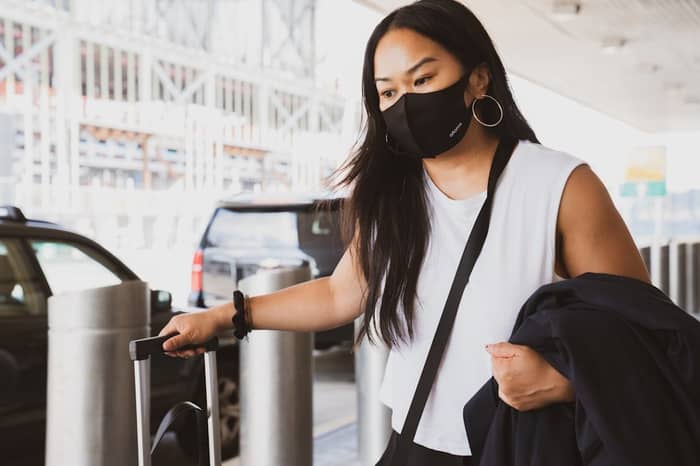
The gap between visitor perception and local reality reveals something fascinating about safety itself. It’s not just about crime statistics or peace indexes. It’s about context, history, and the weight of belonging. Tourists float through these countries experiencing the best-case scenario, insulated by itineraries, guidebooks, and the temporary nature of their visit. Locals carry institutional memories, navigate systemic challenges, and process daily news that shapes their perception in ways visitors never encounter.
What does this mean for travelers? Perhaps it’s a reminder that the safety we experience abroad is often a privilege of perspective. These countries remain genuinely safe by global standards, but understanding the disconnect helps us travel more thoughtfully. Did you expect that the world’s safest places might feel less safe to the people who actually live there?