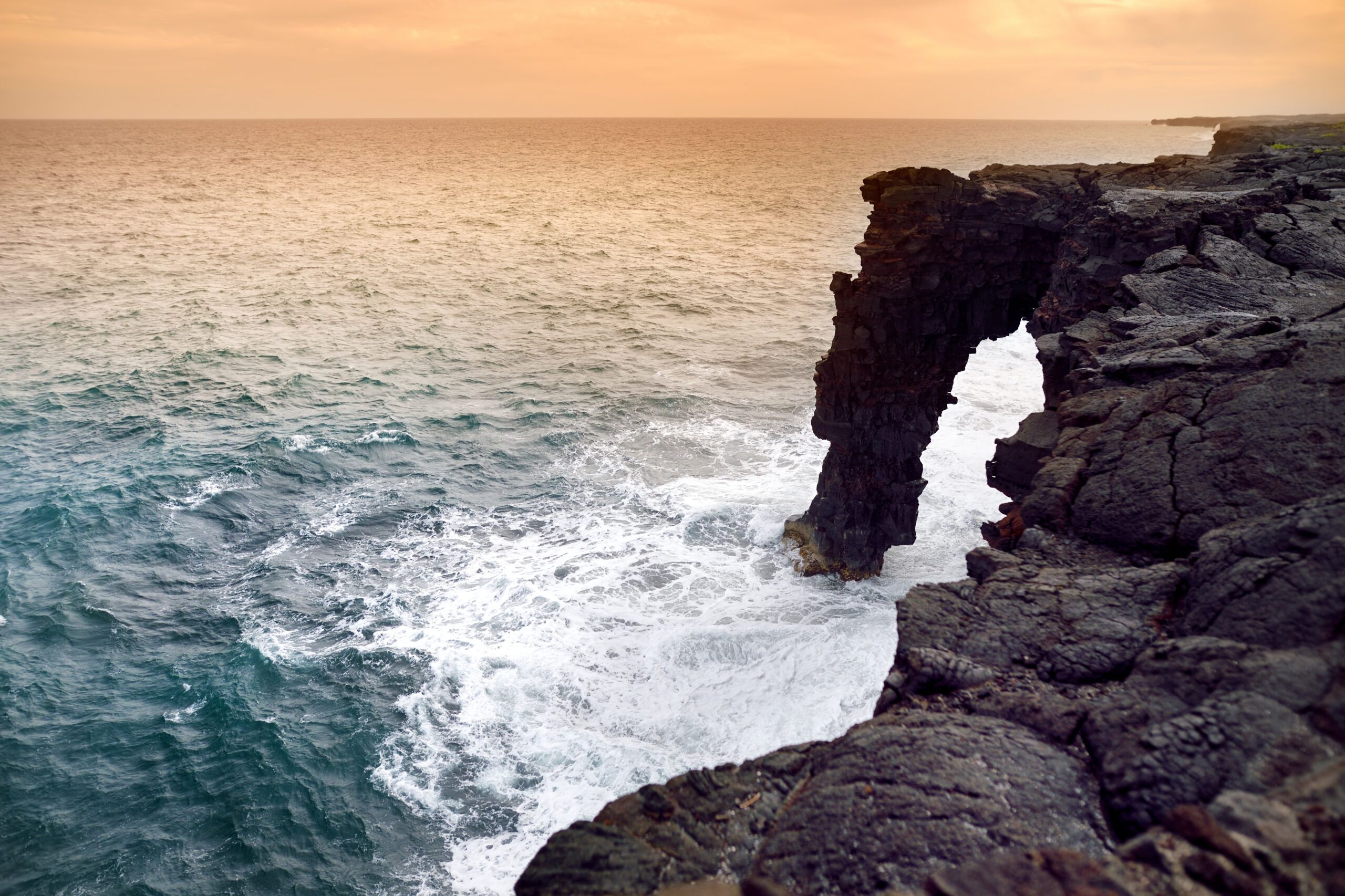
The Hōlei Sea Arch in Hawaiʻi Volcanoes National Park has collapsed into the Pacific Ocean.[1] It was one of the most photographed spots on the Big Island’s southern coast. Anyone planning a trip there will now find an empty stretch of cliff.
The loss isn’t a surprise to the people who manage the park, and it isn’t the result of a development decision or a closure order. This is nature doing what park staff said it eventually would. Here’s what happened, what led up to it, and what visitors should know.
A Famous Arch at the End of the Road
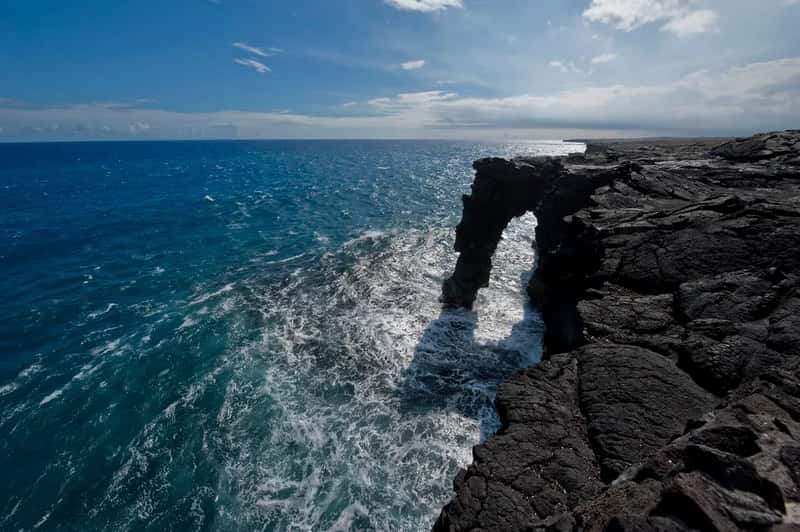
The arch was about 90 feet (27.4 meters) high and extended from steep sea cliffs into the Pacific.[2] It sat at the end of Chain of Craters Road and was one of the park’s most recognizable geological features.[3] For many visitors, it was the last stop on a long scenic drive down to the coast.
The park service pointed to the arch’s Hawaiian name in its own description. Hōlei is a small endemic plant in the milkweed family.[2] The name tied a dramatic rock formation to the native landscape around it. It’s a reminder that the site was part of a living ecosystem, not only a backdrop for photos.
The Timeline of the Collapse
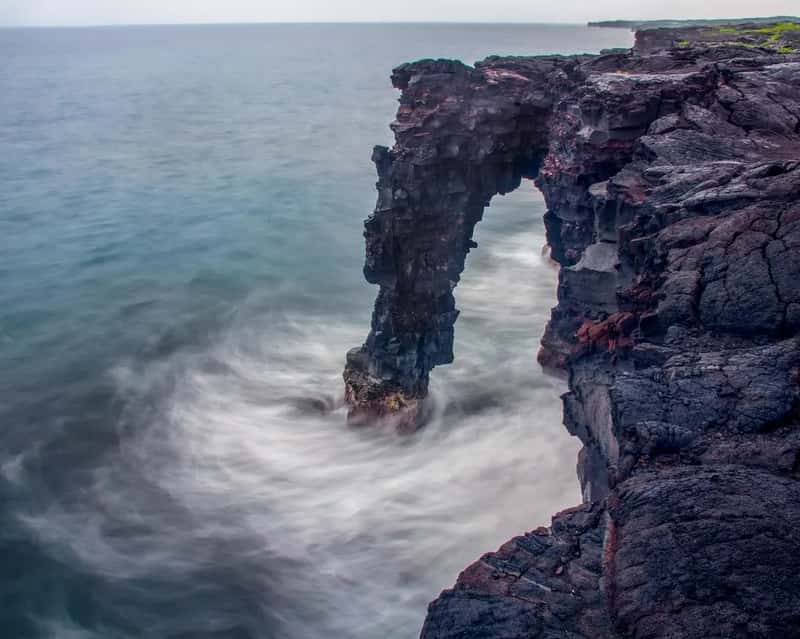
The National Park Service has narrowed the collapse to a short window. The arch was still standing on Wednesday, September 23, but had collapsed by Sunday night, September 27.[1] The exact time is unknown, and it could have happened while the park was temporarily closed for Tropical Storm Nolo.[1]
Word spread quickly once people returned to the coast. Claims that the arch was gone began circulating on social media after the park reopened on Sunday.[4] The park confirmed the collapse in a Facebook post on Wednesday, but it didn’t say whether storm conditions such as high surf contributed.[4] So the storm is a plausible factor, though the cause hasn’t been officially established.
How a Lava Flow Became a Sea Arch
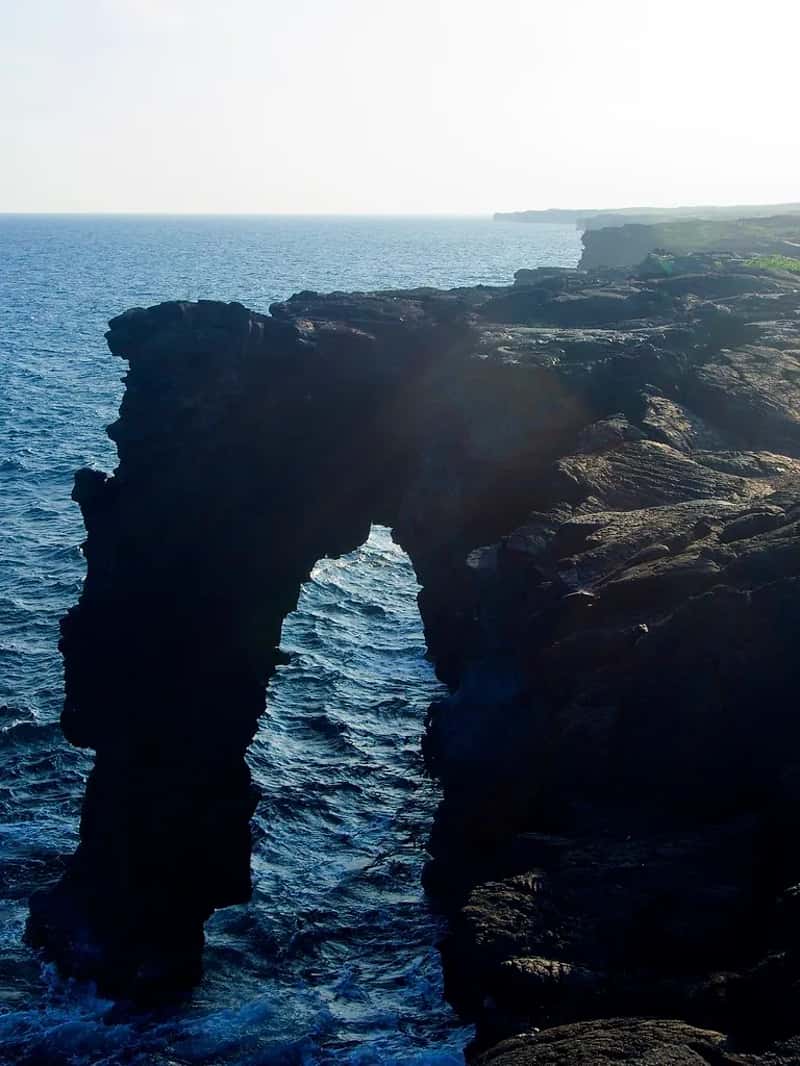
The arch was cut into the cliff of an ancient lava flow from about 550 years ago.[2] The park service attributes it to differential erosion, which refers to the varying hardness of different lava layers. In simple terms, softer rock wore away faster than the tougher rock around it.
Over centuries, waves carved a cave through the hardened rock, and that eventually formed the arch.[3] You’ll see slightly different ages in news coverage. CNN described it as more than 500 years old.[5] The park service’s figure of roughly 550 years is the one to rely on, and in geological terms it’s a short life.
Years of Warning Signs
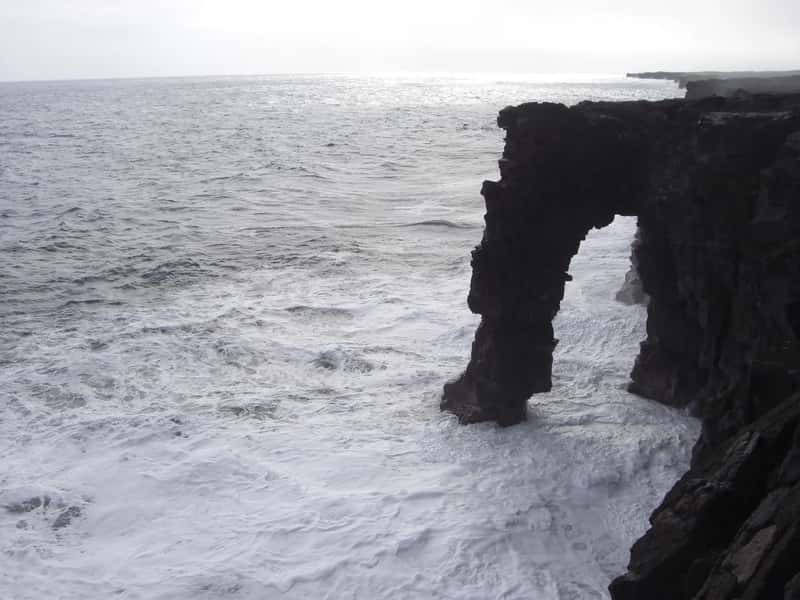
The cliffs around the arch had been weakening for a long time. Earthquakes during the 2018 Kīlauea eruption and summit collapse damaged the cliffs near the arch.[1] In January 2020, new cracks and instability led the park to close the original viewing area.[1]
The park responded with a safer option. A viewing area farther from the cliff edge opened in March 2020.[1] Later, massive surf from Tropical Storm Darby broke a chunk of rock off the lower part of the arch.[1] The park warned afterward that the arch could collapse completely at any time.[4]
What Visitors Will See Now
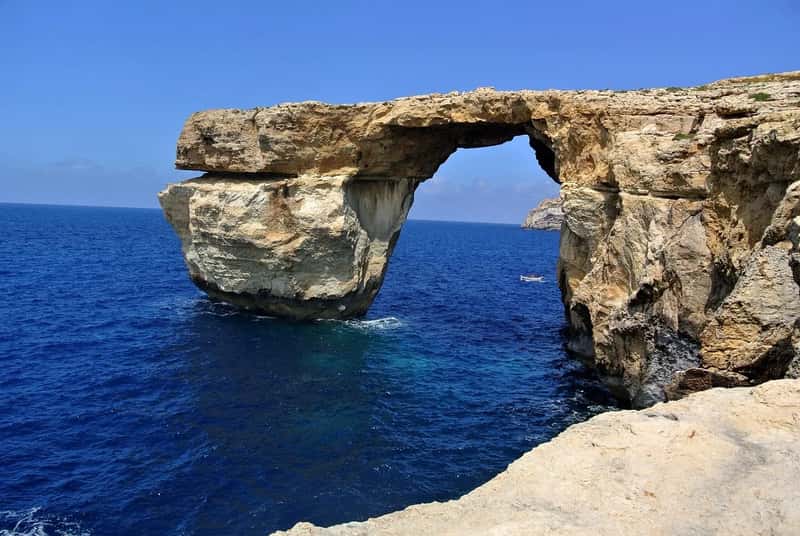
The scenery is still dramatic, but the focal point is gone. A photo taken September 30 shows empty space where the arch used to be.[5] The black lava cliffs and open ocean remain, and the road still leads to the coast.
Safety is the bigger issue right now. The park urges visitors to stay back from unstable cliff edges that drop vertically into the ocean and present a serious falling hazard.[1] Social media photos show people entering the closed area near where the arch stood, which puts them and first responders at great risk.[1] Respecting the barriers matters more than ever.
The Drive Is Still Worth Taking
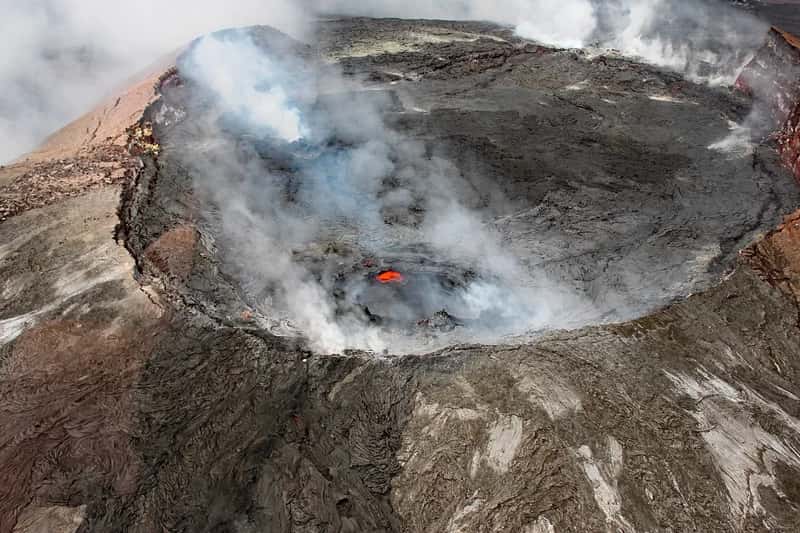
Chain of Craters Road is a destination in its own right. It stretches 19 miles from the summit of Kīlauea to sea level, a drop of about 3,700 feet.[6] Along the way there are lookouts for pit craters, lava flows, and lava trees.[6]
There’s also cultural history on the route. The Puʻu Loa Petroglyphs are near mile marker 16.[6] Check current conditions before you go, since the park has closed for storms and the coastline keeps changing. The park’s website is the best place for up-to-date access information.
Why Nature Never Promised Permanence
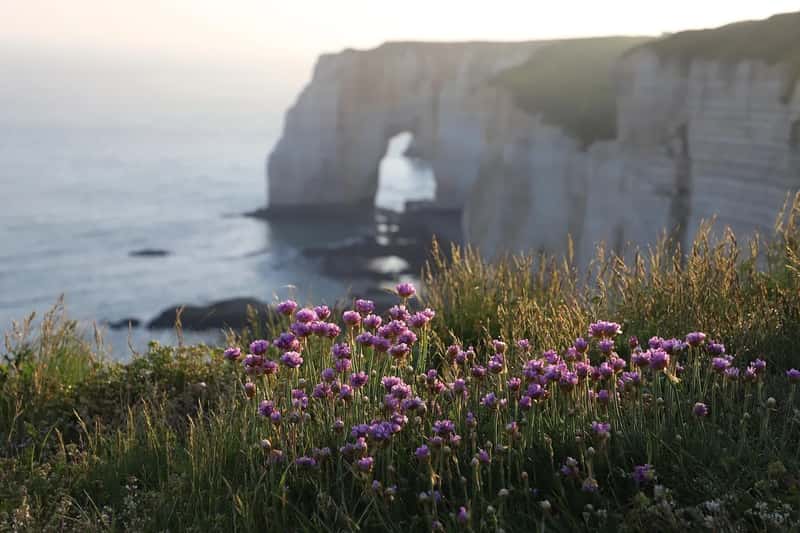
The park service had long been upfront about this. Its description called the formation beautiful but temporary, with a limited life span, and said it would eventually crumble into the sea.[2] A sign at the viewpoint even called the arch a “temporary display of nature’s handiwork.”[4]
The same page offers a bit of consolation. Other arches are expected to replace it as the cliff slowly migrates inland.[2] That could take a very long time. As a park interpretation manager said in 2022, the landscape there is constantly being created and changed.[7]