Ask ten mountain people to name their favorite range and you’ll probably get ten different answers. Some want a summit with a rope team at dawn. Others just want a hut, a view and a plate of something hot at the end of a long walk.
The ten countries below suit both camps. They’re chosen for the quality of their terrain, how easy it is to actually get out into it, and what has changed for visitors in recent years. Several have tightened rules or raised fees between 2024 and 2026, so those details are included where they matter.
Nepal: Home to the Biggest Names
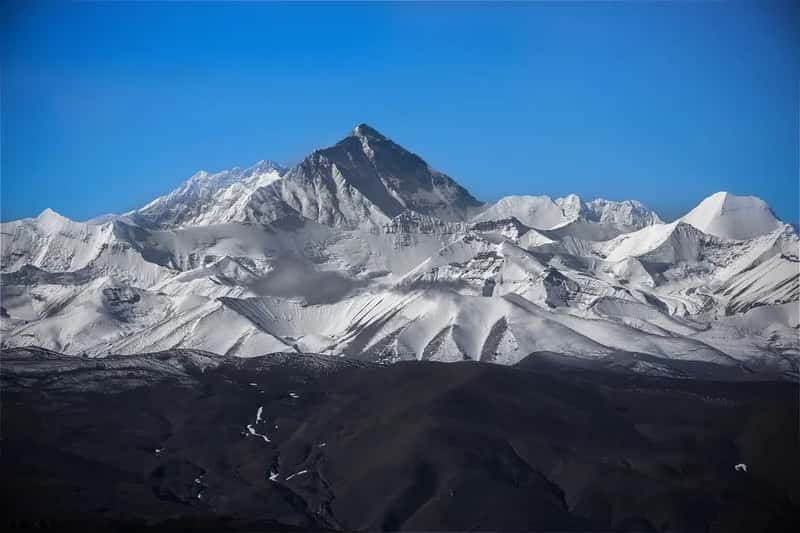
Nepal is the obvious starting point. It is home to eight of the world’s 14 highest mountains, including Mount Everest.[1] The trekking routes around Everest, Annapurna and Manaslu draw hikers who never touch a rope.
Climbing has become pricier and more regulated. From September 1, 2025, the spring permit fee for foreigners on the Southeast Ridge rose from $11,000 to $15,000.[2] Nepal also now requires at least one Sherpa or guide for every two foreign climbers.[2] To spread out the crowds, the country opened 97 peaks between 5,870 and 7,132 meters with no permit fee for two years.[2]
Switzerland: The Alps at Their Most Organized
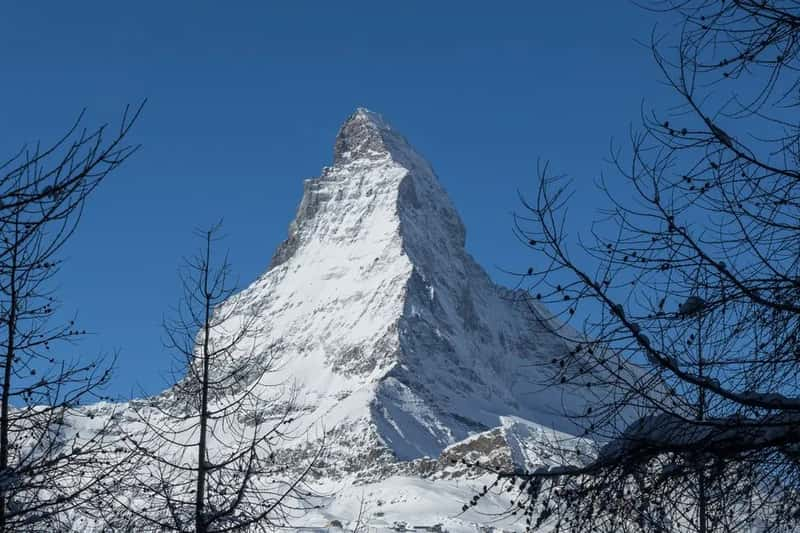
Switzerland makes big mountains feel approachable. The Alps cover about three fifths of the country’s surface area.[3] The Swiss Alps have 48 peaks of 4,000 meters or higher, a European record.[3]
Trains, cable cars and marked trails reach places that elsewhere would take days of effort. The highest point is the Dufourspitze, at 4,634 meters in the Monte Rosa massif.[3] Alpinists can reach 38 of the four thousand meter peaks from Zermatt alone,[4] and the Matterhorn is among them. The Jungfrau Aletsch area, a UNESCO World Heritage site, holds the largest glaciated region in the Alps.
Italy: Dolomite Spires and Quiet Valleys
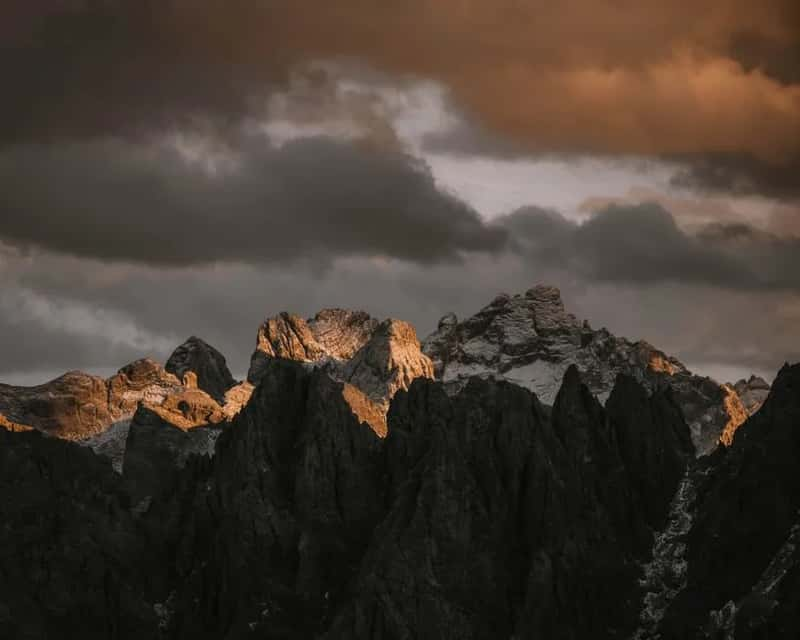
Italy’s mountains are as much about food and culture as altitude. The Dolomites, a UNESCO World Heritage site since 2009, rise in pale limestone towers that glow pink near sunset. Hikers move between valleys on the Alte Vie long distance routes, sleeping in mountain huts called rifugi.
The Tre Cime di Lavaredo, whose tallest summit sits just under 3,000 meters, are a favorite loop walk. Farther west, Gran Paradiso is the highest mountain lying entirely within Italy, at 4,061 meters. The surrounding national park was created in 1922, and the Alps also gave Italy a stage for the Milan Cortina Winter Olympics in February 2026.
Canada: Space, Wildlife and Big Alpine Scenery
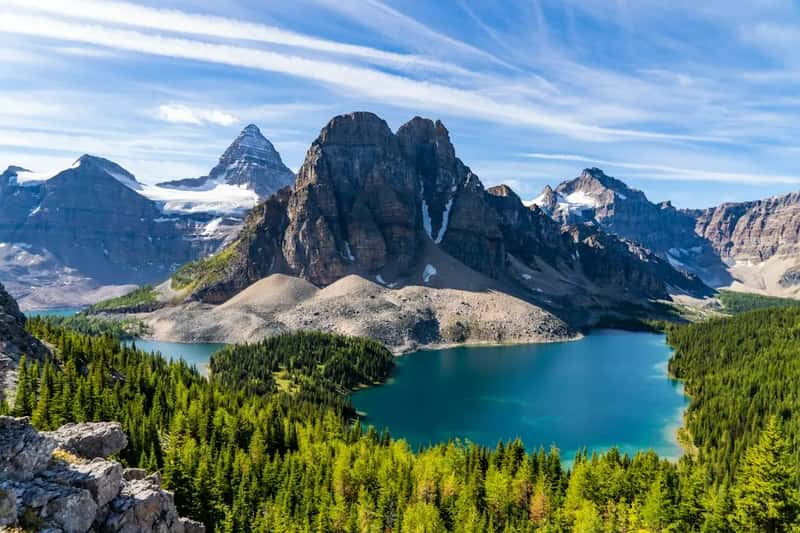
Canada offers mountains on a scale that takes a while to absorb. Banff National Park, founded in 1885, was the country’s first national park. Together with its neighbors, it forms the Canadian Rocky Mountain Parks UNESCO World Heritage site, listed in 1984.
Mount Robson, at 3,954 meters, is the highest peak in the Canadian Rockies. Mount Logan in the Yukon reaches 5,959 meters and is the tallest mountain in Canada. Wildlife is part of the draw too, so carrying bear spray and knowing how to use it is standard advice for backcountry trips.
New Zealand: Compact, Wild and Easy to Reach
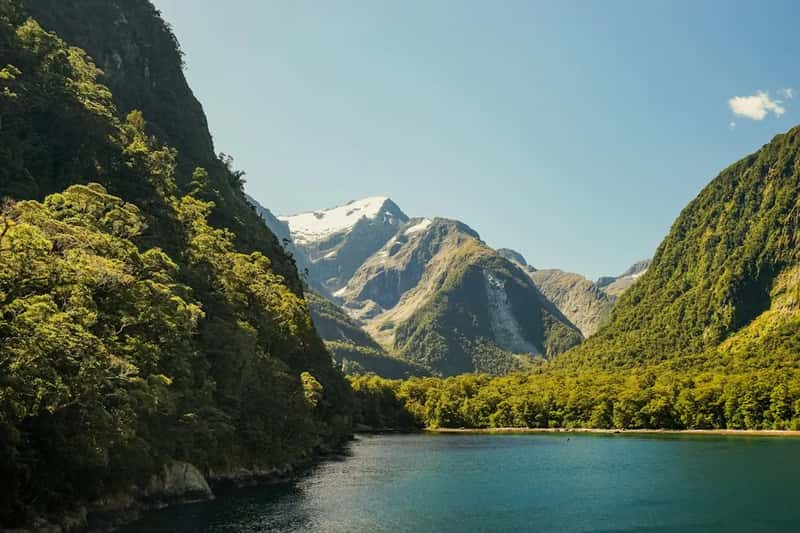
New Zealand packs glaciers, fjords and alpine passes into a country you can cross in a few days. The Southern Alps run down the South Island, topped by Aoraki, or Mount Cook, at 3,724 meters. The southwest corner forms Te Wahipounamu, a UNESCO World Heritage area covering Fiordland and the high country nearby.
The Great Walks, run by the Department of Conservation, include the Milford and Routeburn tracks. Huts and campsites on these routes generally need to be booked ahead during the busy summer season. Weather can turn fast, so the standard kit list includes proper waterproofs even in January.
Peru: The Tropical Andes
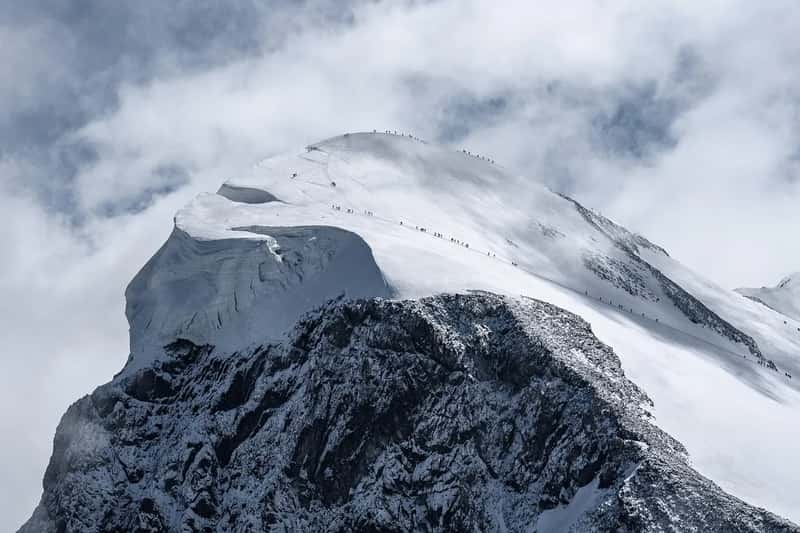
Peru is where mountain lovers go for altitude and ancient history together. The Cordillera Blanca is the most heavily glaciated tropical range on Earth, and Huascarán, at 6,768 meters, is its summit. Huascarán National Park has been a UNESCO World Heritage site since 1985.
The four day Santa Cruz trek crosses a high pass above 4,700 meters, and acclimatizing in Huaraz or Cusco first is wise. The Inca Trail to Machu Picchu is capped at roughly 500 people per day, including guides and porters, so permits sell out early. Glaciers across the Andes have been retreating, which is one reason to see them sooner rather than later.
Pakistan: Karakoram Giants
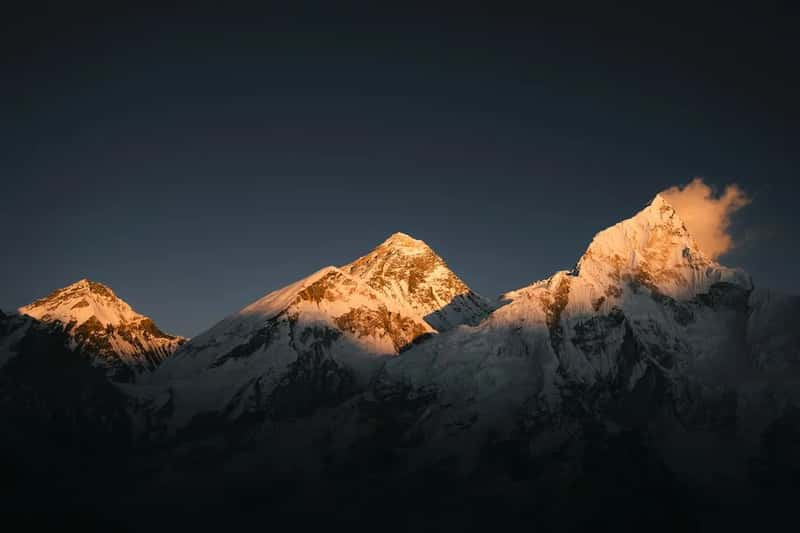
Pakistan holds one of the densest concentrations of high peaks anywhere. Five of the world’s 14 highest mountains stand there: K2, Nanga Parbat, Gasherbrum I, Gasherbrum II and Broad Peak. K2, at 8,611 meters, is the second highest mountain on Earth.
Most visitors come for trekking rather than climbing. The route up the Baltoro Glacier to Concordia gives a view of several giants at once, while the Hunza Valley offers gentler walking along the Karakoram Highway. Conditions and travel advisories vary by region, so checking current government guidance before booking is sensible.
Bhutan: Controlled Access, Untouched Peaks
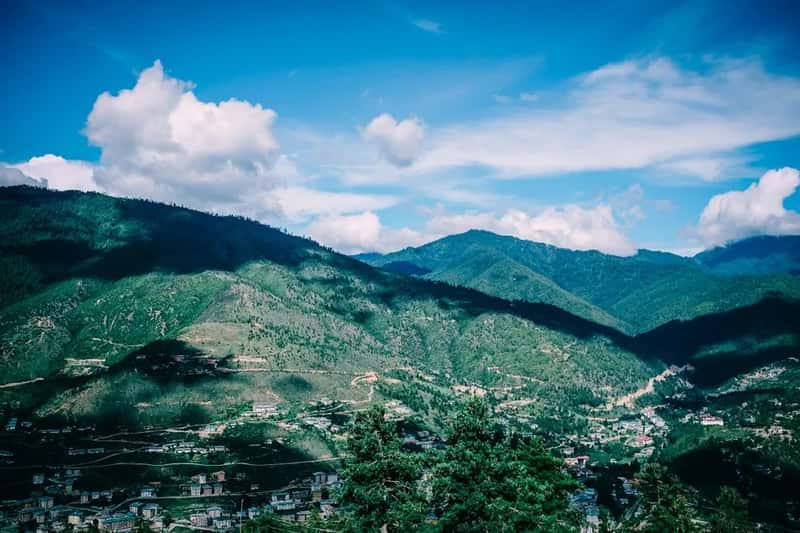
Bhutan keeps visitor numbers low on purpose. Most visitors pay a Sustainable Development Fee of USD 100 per night, half the rate written into law, for trips starting on or before 31 August 2027.[5] That fee comes on top of tour costs, and independent trekking is not allowed, so treks go through a licensed operator.
The five day Druk Path between Paro and Thimphu is the accessible entry route, while the Snowman Trek sits at the extreme end.[6] Bhutan prohibits mountaineering on its high peaks, which is why Gangkhar Puensum, at roughly 7,570 meters, is widely described as the highest unclimbed mountain in the world. For some travelers, that restraint is the appeal.
Norway: Fjord Country With a Right to Roam
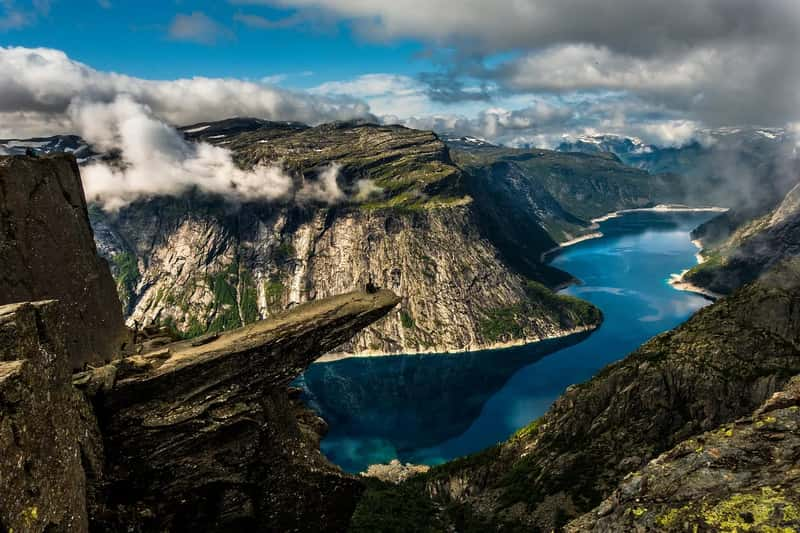
Norway’s mountains are lower than those of the Alps, but they rise straight from the sea, which changes how tall they feel. Galdhopiggen in Jotunheimen National Park is the highest peak in northern Europe at 2,469 meters. Trolltunga, Preikestolen and the Besseggen ridge are the best known day hikes.
The right to roam, called allemannsretten, lets people walk and camp on most uncultivated land, within sensible limits. The Norwegian Trekking Association maintains a wide network of marked trails and mountain huts. Summer is the main hiking window, and snow can linger on higher routes well into June.
Japan: Fuji, the Alps and Careful Rules
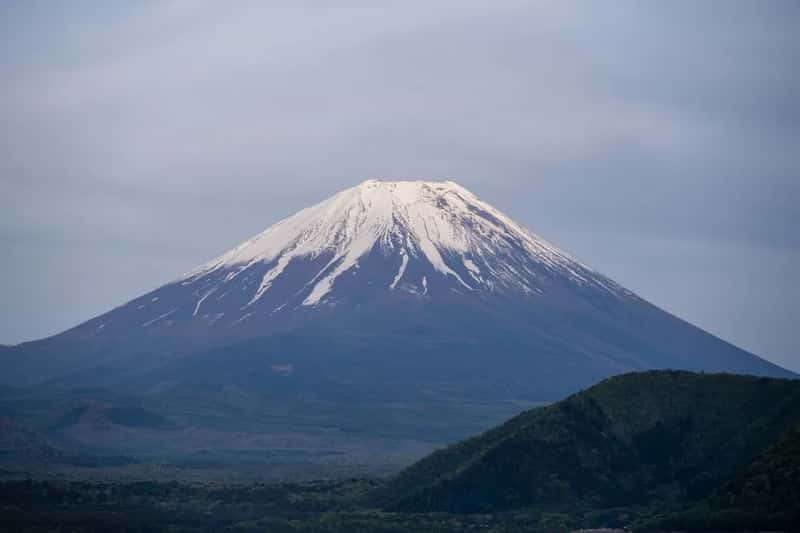
Japan surprises many visitors with how mountainous it is. Mount Fuji rises to 3,776 meters and was listed by UNESCO as a cultural site in 2013, while the Japanese Alps in central Honshu offer ridge walking, onsen and mountain huts. Kamikochi is a popular base for the Northern Alps.
Fuji now has firm rules. The 2026 season ran from July 1 to September 10, with a 4,000 yen fee on all four official trails.[7] The Yoshida Trail limits climbers to 4,000 per day, though the cap does not apply to those with mountain hut reservations.[8]
Before You Book

Fees, permits and access rules in places like Nepal, Bhutan and Japan have shifted in recent years and may change again. Check the official tourism or park authority for each destination before you commit to dates.