Housekeepers see more of your true self than almost anyone else you’ll encounter on a trip. They walk into a room that’s supposed to be private and, within seconds, form an impression based on what’s left behind. It isn’t about being nosy. It’s simply that a decade or two of cleaning thousands of rooms trains the eye to notice patterns most of us never think about.
Several former and current housekeepers, along with union surveys and hospitality researchers, have opened up about what actually earns a guest a reputation in the break room. The behaviors that come up again and again aren’t dramatic scandals. They’re small, everyday choices that reveal whether a guest sees the person cleaning up after them as, well, a person.
1. The “Suitcase Explosion” Level of Mess
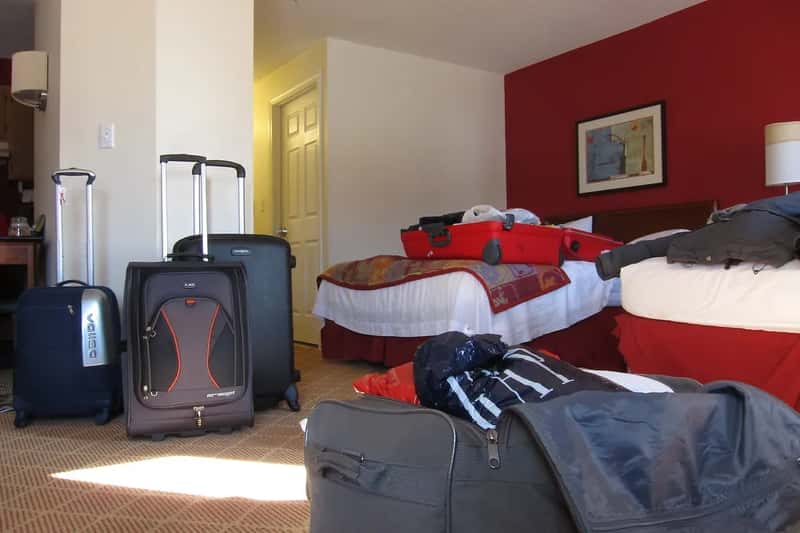
Housekeepers are used to some disorder. Nobody expects a guest to fold their clothes into origami shapes before heading out for the day. Still, there’s a clear line between a lived-in room and one where the rooms that bothered housekeepers looked like several suitcase explosions had occurred with items strewn about everywhere. That level of chaos changes the entire job for the person cleaning it.
The math behind this judgment is simple. The average hotel housekeeper is expected to clean between 12 and 20 rooms in an eight-hour shift, allowing only about 20 to 30 minutes per room, and leaving food ground into carpet or trash scattered instead of binned eats directly into that already thin window. One housekeeper put it plainly when describing her own preferences on the job, noting that the neater guests were her favorite because it made cleaning the room faster and easier. When a room crosses from messy into genuinely chaotic, it isn’t just an eyesore. It’s extra unpaid labor squeezed into a schedule that was already tight.
2. Leftover Food Rotting in the Room
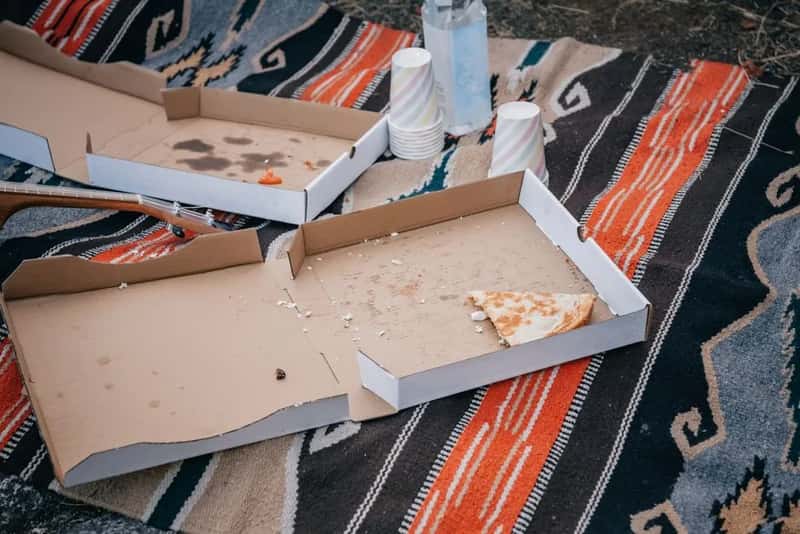
Room service and late-night takeout are part of the hotel experience, and housekeepers genuinely don’t mind that guests order in. What they do notice, and quietly resent, is food left to sit for days. According to housekeeping staff interviewed in Chicago, the habit isn’t really about the eating itself but rather the elaborate attempts to hide the evidence, as if housekeeping staff were food police rather than people who simply didn’t want to scrub sauce off the headboard. Seafood containers left behind are apparently the worst offenders, since the containers left in the room for days created a smell that permeated everything and required industrial strength fresheners to combat.
This isn’t just an aesthetic complaint either. Housekeeping staff explain that leftover pizza boxes stacked on the desk, half-eaten takeout on the nightstand, and room service trays parked by the TV are all immediate red flags because these items attract pests and create odors that soak into soft furnishings fast. Something as simple as placing trays in the hallway saves the next person a genuinely unpleasant task, and it’s one of the easiest ways to avoid becoming “that guest” in the daily debrief.
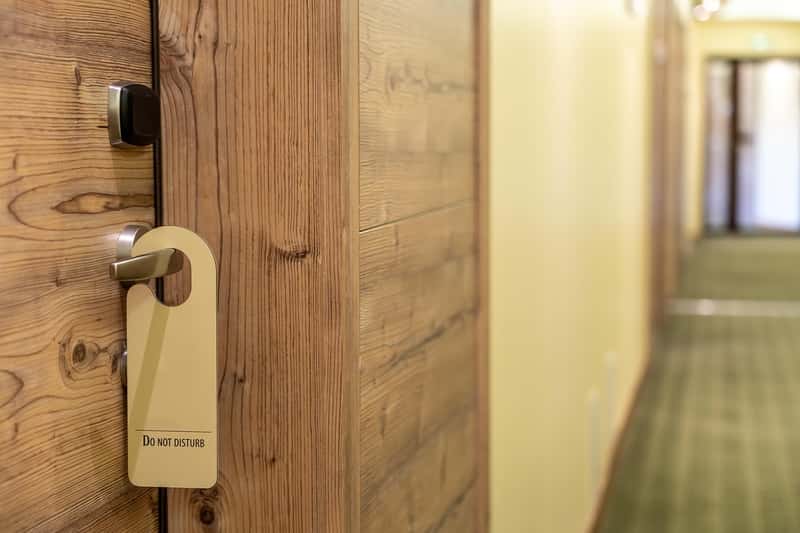
3. Hanging the Do Not Disturb Sign, Then Complaining the Room Wasn’t Cleaned
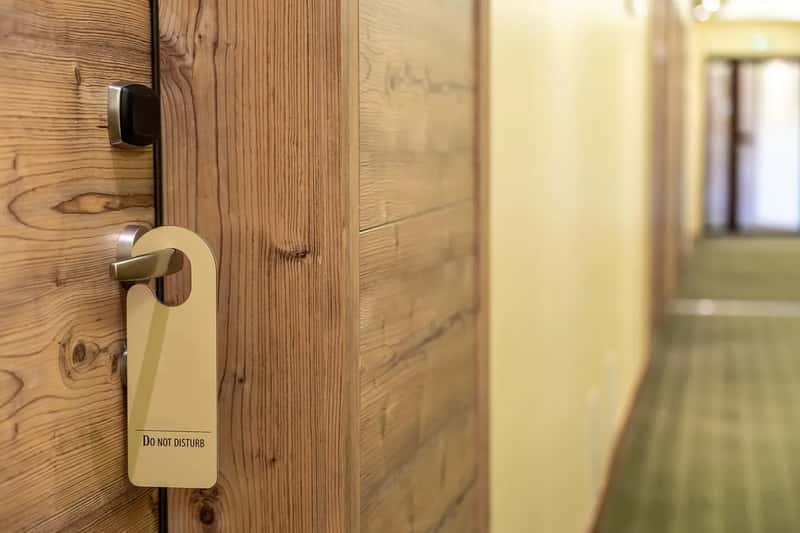
Few things frustrate hotel staff more than this particular contradiction, and it happens constantly across properties of every price point. Housekeepers describe guests who hang the sign at check-in and never take it down, only to complain later that nobody serviced the room. As one detailed account put it, some guests hang the sign at arrival and never remove it, letting trash and dirty towels accumulate until the room looks like it was abandoned mid-emergency, and when staff finally get in for a deep clean, they find pizza boxes stacked like towers and enough empty bottles to start a recycling drive.
There’s also a more calculated version of this behavior that staff have learned to spot. Some guests will hang the sign specifically when they see housekeeping approaching, like a game of hotel hide and seek, then remove it an hour later and complain that their room hadn’t been cleaned. Housekeepers can’t read minds, and a sign on the door is treated as a firm instruction. When that instruction gets used strategically rather than honestly, it doesn’t just create a scheduling headache. It also becomes one of the more talked about grievances among staff.
4. Leaving Intimate Items and Evidence Out in the Open
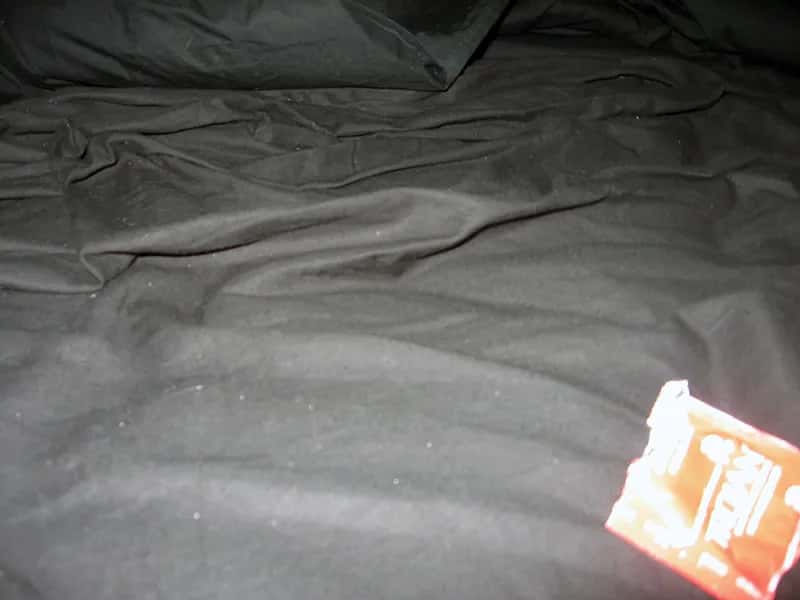
This one comes up in nearly every housekeeper interview, and it’s less about prudishness than basic courtesy. Former housekeeper Anaïs Lucia explained that she could usually tell if someone had a guest in their room overnight, with a messy bed, certain hairs on the sheets, and condom wrappers serving as the clearest giveaways. Her advice was straightforward: dispose of things properly, because she asked guests to please throw those away, since disposing of them herself was not fun, and yes, she thought guests who didn’t were gross.
The same goes for personal items left in plain view. She noted that she saw way too many items of underwear, bras, and bra inserts left out in the open, and she did not enjoy seeing guests’ undergarments strewn about. None of this ruins anyone’s day permanently, but it does shape the mental picture a housekeeper forms of a guest, and it’s one of the easiest judgments to avoid entirely with a two-minute tidy-up before heading out.
5. Treating Staff Like They’re Invisible
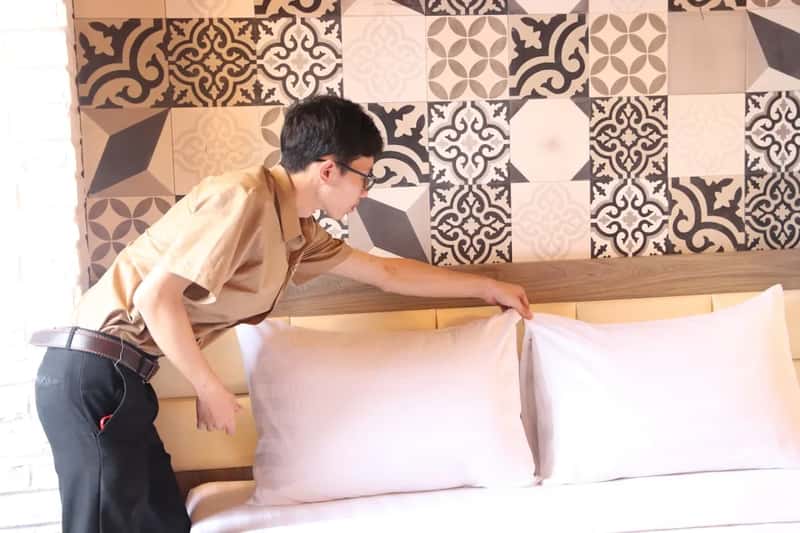
Perhaps the deepest cut isn’t a physical mess at all. It’s how guests behave toward the person doing the cleaning. One head housekeeper described being stepped over in a hallway while kneeling beside her cart, recalling that instead of the guest saying excuse me, they literally stepped over her as if she wasn’t there. That kind of dismissiveness tends to stick with staff far longer than a stained towel ever would.
Tipping, or the lack of it, factors into this same category of judgment. Housekeepers have noted that patterns vary widely by region and background, with one explaining that tipping is more of a cultural thing, since guests from certain regions of the world usually tipped, whereas guests from other parts of the world did not tip at all. It’s also worth remembering the physical toll behind the job itself. A union survey covering hundreds of workers found that 91% of housekeepers reported work-related pain, and 77% said that pain interfered with their ability to do their job. Recognizing the person behind the cart, even with a simple hello, tends to matter more than most guests realize.
None of these five habits are really about being a “perfect” guest. Housekeepers aren’t expecting hospital-corner tidiness or five-star tips from every traveler who checks in. What comes through in nearly every interview is something simpler: basic awareness that a real person, often working through physical pain on a tight schedule, is going to walk into that room after you leave. A little consideration, tossing the trash, taking down the sign honestly, and acknowledging the staff as people rather than furniture, goes a long way toward making sure you’re remembered for the right reasons.