Most people think valet parking is a simple transaction: hand over the keys, get a ticket, walk away. But talk to enough attendants and a different pattern emerges. Older drivers who slip a bill into their hand at drop-off, rather than waiting until pickup, tend to get treated differently for the rest of their stay.
It’s not written in any training manual, and no hotel will confirm it on the record. Yet ask valets themselves, and they’ll admit there’s a quiet, unofficial system that kicks in the moment an older guest tips early. Here’s what actually happens next, according to the people holding the keys.
#13 – They Remember Your Name Before You Ever Ask Them To
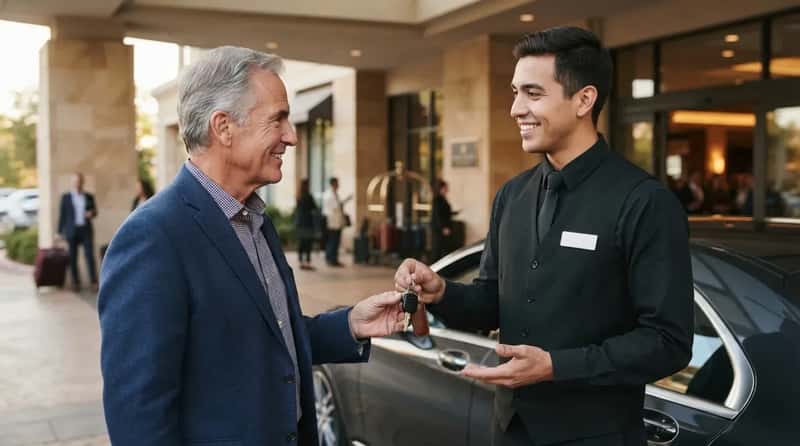
Valets are trained to notice details, but a tip at drop-off makes an older driver instantly memorable in a sea of identical sedans and SUVs. Attendants often glance at name tags or listen for a first name during check-in specifically so they can use it later. Etiquette expert Elaine Swann has said using a valet’s first name, when visible on a name tag, helps establish rapport almost instantly.
That connection works both ways. Once a valet knows your name, you stop being “the gray sedan in row three” and become a returning face they want to take care of. It’s a small psychological switch, but it changes how quickly and carefully your car gets handled for the rest of your stay.
#12 – They Quietly Move You to the Front of the Retrieval Line
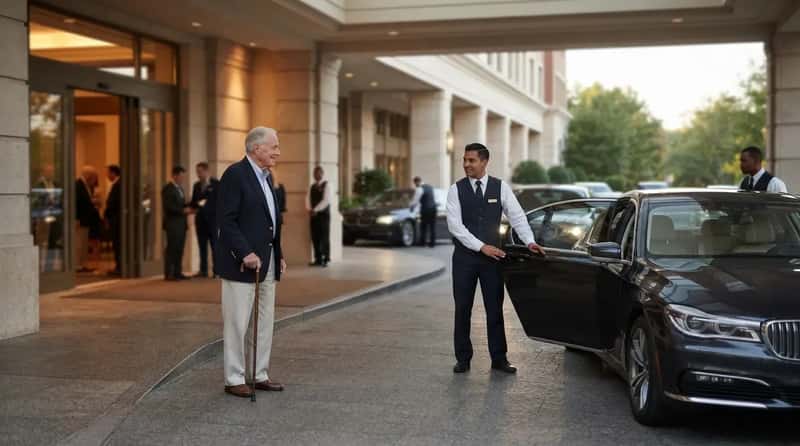
This is the one most guests never notice, and valets rarely admit to it directly. When someone tips at drop-off, attendants often remember who tipped upfront, which can lead to faster retrieval or a better parking spot once that guest calls down for their car.
For older drivers standing in a lobby with a cane or waiting near a warm entrance, this isn’t just convenience. It’s a genuine kindness. The early tip essentially buys a place near the front of an invisible queue, even when a dozen other cars were requested first.
Fast Facts
- Across most of the United States, people typically tip $2 to $5 USD for valet service, which follows the general rules of tipping etiquette.
- For luxury or five-star hotels, you can increase the amount to $5–$10 per interaction, especially if the valet opens doors, assists with luggage, or provides exceptional service.
- Tips are commonly pooled so you don’t usually have to worry about tipping twice if the person who parked your car is different than the one who retrieved it.
- A little extra during times of inclement weather or bitter cold is always nice, valets say, and it’s remembered.
#11 – They Park the Car Closer to the Pickup Curb
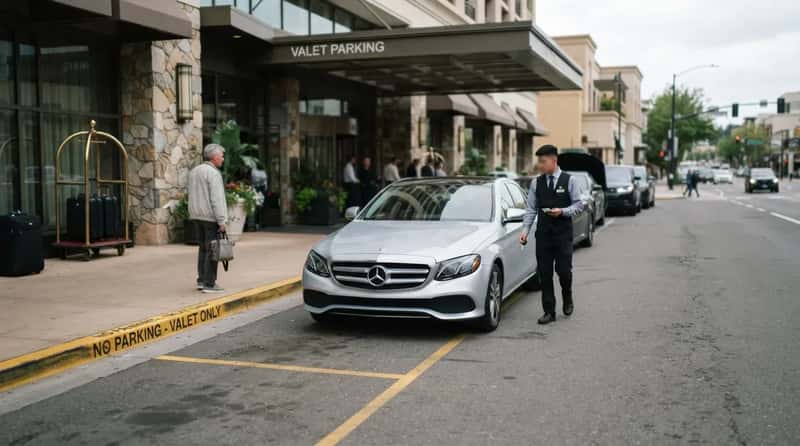
Valet lots are rarely as tidy as guests imagine. Cars get stacked, double-parked, and shuffled constantly during busy shifts. But attendants who’ve already been tipped tend to make a small effort to park that guest’s vehicle somewhere easier to reach quickly.
It’s not a guaranteed VIP spot, but it’s a real behavioral shift. Drivers who tip early and skew older are frequently placed nearer the front rows specifically because staff anticipate they’ll want less walking and a shorter wait later.
#10 – They Warm Up or Cool Down the Car Before You Step Outside

Weather is one of the biggest hidden factors in valet service quality. Because attendants often work outdoors in rain, snow, cold winds, or high heat, many guests offer a little extra during rough conditions as a gesture of thanks. In return, valets sometimes reciprocate with a gesture of their own.
For guests who’ve already shown appreciation, that reciprocity often means the air conditioning or heater is already running by the time the car reaches the curb. It’s a tiny detail, but it’s the kind of thing older drivers notice and remember long after checkout.
#9 – They Double-Check Mirrors and Seat Position Before Handing Back the Keys
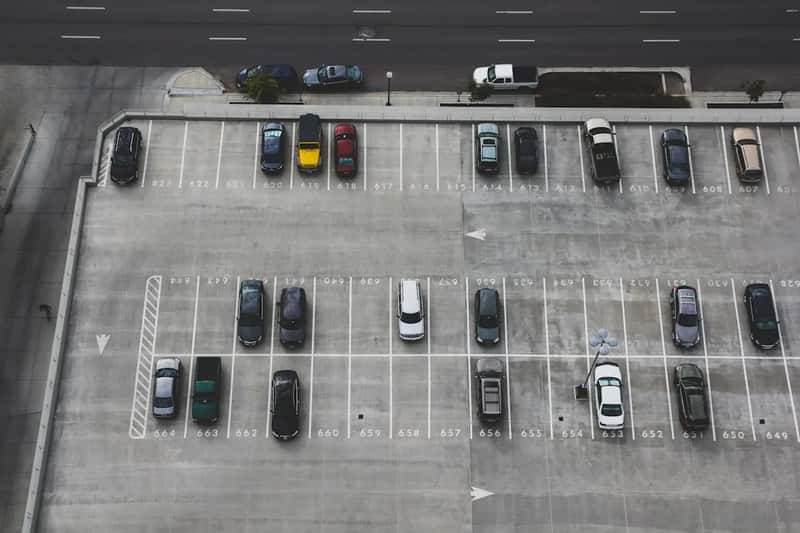
Valets move dozens of cars a day, adjusting seats and mirrors constantly to fit their own driving position. Careful attendants make a habit of resetting everything before an older guest gets back behind the wheel, especially if that guest has already tipped and built a small rapport.
It sounds minor, but for a driver who’s less flexible or has back or vision concerns, climbing into a car with the seat shoved back and mirrors askew is genuinely frustrating. Skipping that step is one of the fastest ways a valet damages an otherwise good tip relationship.
#8 – They Personally Escort Guests to the Door in Bad Weather

This one shows up constantly in traveler forums and etiquette guides: valets who’ve received an early tip are more likely to walk a guest to the entrance under an umbrella instead of just pointing the way. It’s a courtesy, not a requirement, and it tends to be reserved for guests they’ve already connected with.
For older travelers navigating wet pavement or icy curbs, this small escort can prevent a fall or an unpleasant scramble. Staff will rarely call this “special treatment” out loud, but plenty of guests report it happening consistently once a relationship is established.
#7 – They Help With Bags Without Being Asked
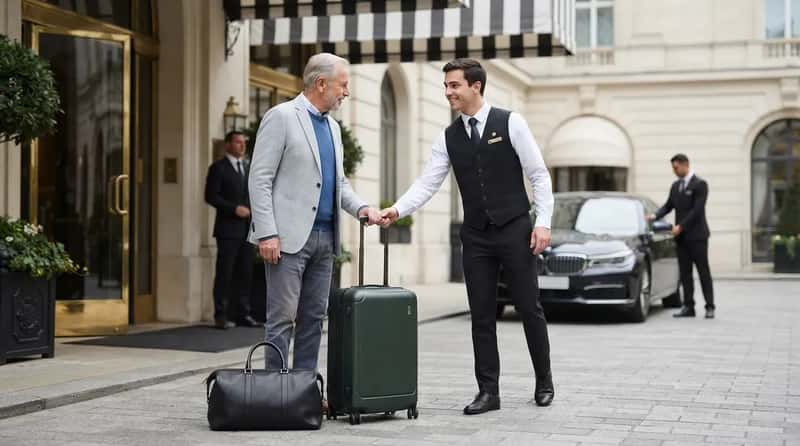
Industry experts note that valets often deserve a larger tip when they go out of their way to help with items beyond simply parking the car. That same instinct kicks in visually: when a valet sees an older guest struggling with a suitcase or grocery bags, tipped or not, most will step in.
But guests who’ve already tipped at drop-off tend to get this help offered proactively rather than only after they ask. The difference is subtle but real. One is reactive service, the other is anticipatory service, and it’s the anticipatory kind that keeps guests coming back to the same hotel.
Quick Compare
- Reactive help: A valet steps in only after a guest visibly struggles or directly asks.
- Anticipatory help: A valet offers a hand before it’s ever requested, based on an existing tip relationship.
- The takeaway: Early tippers see the anticipatory version far more often, and it tends to repeat every day of the stay.
#6 – They Treat the Car With Noticeably More Caution
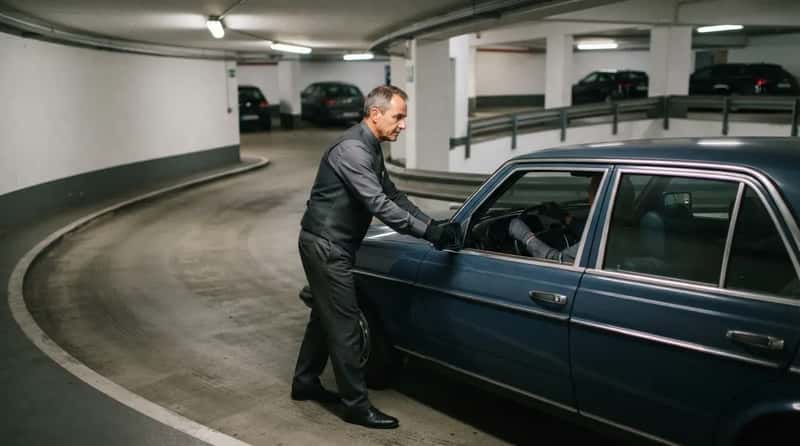
Every valet insists they drive every car carefully. In practice, staff admit that guests who’ve built a rapport, often through an early tip, get slower and gentler handling of their vehicle, especially on ramps and tight turns.
People driving luxury or specialty vehicles sometimes see valets use extra caution and responsibility with those cars, and the same courtesy extends informally to guests staff simply don’t want to disappoint. For an older driver in a vehicle they’ve owned for a decade, that extra caution is exactly the reassurance they’re hoping for.
#5 – They Keep an Unofficial Mental “Good Tipper” List
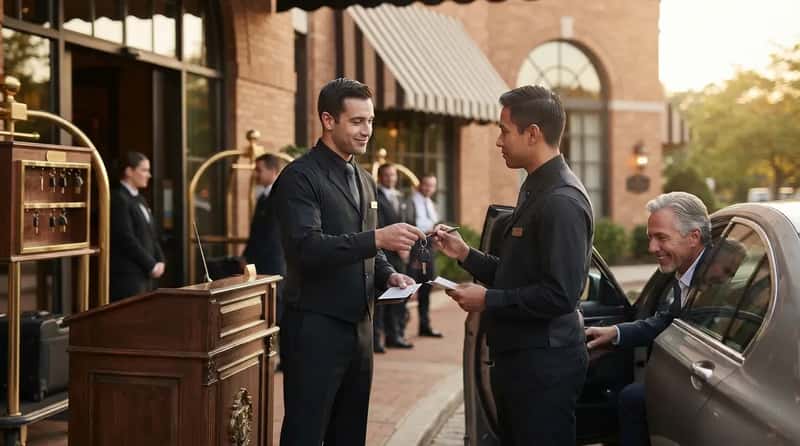
No valet company hands out a spreadsheet of generous guests, but staff talk to each other constantly during shift changes. A driver who tips consistently and kindly at drop-off becomes a known name across an entire valet team, not just to the one attendant who took the keys.
This informal reputation travels fast in smaller properties and boutique hotels where the same handful of attendants work every shift. Once a guest is “known good” among the team, every attendant on duty tends to extend the same courtesy, even ones who’ve never personally met them.
#4 – They Prioritize Multiple Trips Without Complaint
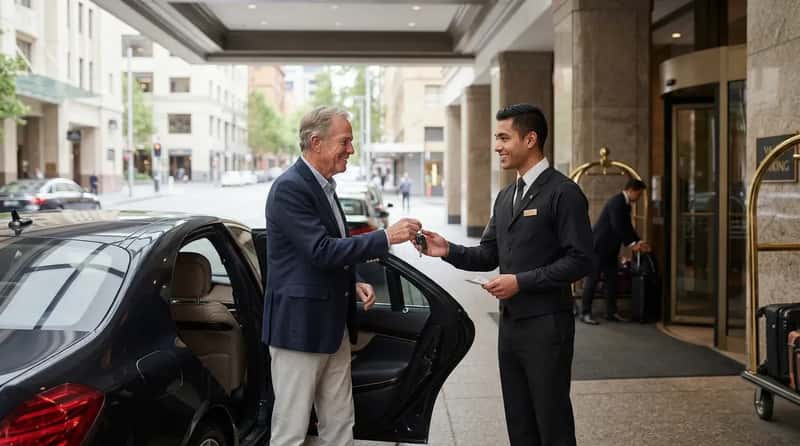
Older guests are more likely to come and go several times a day for appointments, meals, or errands, and that adds up to real physical labor for a valet team. Even for guests coming and going repeatedly, it’s typically only necessary to tip at check-in and checkout rather than every single time.
Guests who tip generously up front tend to get treated with more patience through all of those repeat trips, rather than sighs or slower service by the third or fourth pull-up of the day. It’s one of the clearest ways early generosity pays off over a multi-day stay.
#3 – They Offer Local Knowledge and Directions Freely
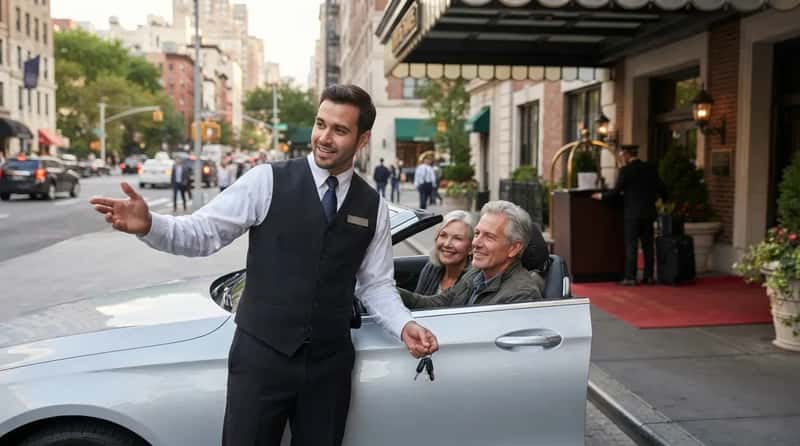
Many valet workers know the local area well and will offer restaurant suggestions, tourist tips, or driving directions, but this kind of extra conversation tends to flow more naturally toward guests who’ve already shown appreciation. It’s not that valets withhold help from anyone; it’s that rapport makes them chattier and more generous with insider tips.
For older travelers unfamiliar with a new city, this casual local knowledge can be worth more than a concierge desk. A friendly valet who already likes you is often faster and more candid than the official information desk inside.
Worth Knowing
- Large cities such as New York, Los Angeles, or Miami often have higher tipping norms, reflecting the steeper cost of living and faster pace of large urban areas.
- In smaller towns or regions with a lower cost of living, a $2 or $3 tip is often perfectly acceptable and appreciated.
- Adjusting for local economic conditions is a thoughtful part of tipping etiquette, which also shapes how chatty and generous a valet feels with local advice.
#2 – They Watch Out for Guests Who Seem Unsteady or Tired
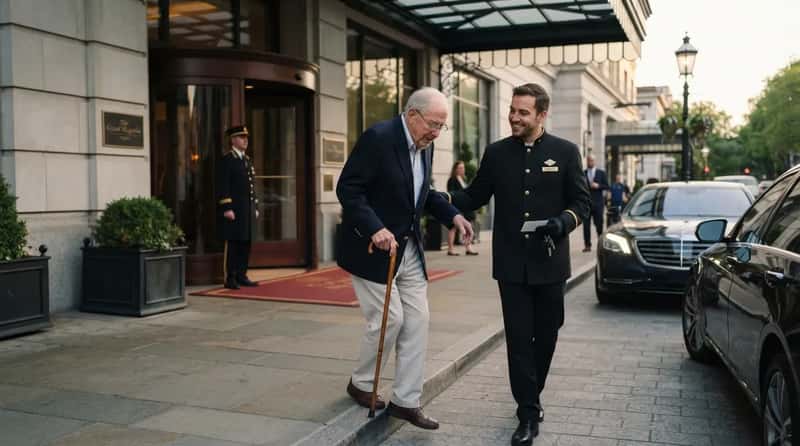
This is one attendants rarely discuss openly, but it’s consistently reported: valets pay closer attention to older guests who move slowly, seem fatigued, or hesitate near curbs and steps, especially guests they already have a warm relationship with. That attention can mean walking a few extra steps alongside someone or timing the car’s arrival so there’s no unnecessary standing around.
It’s a quiet form of care that has nothing to do with policy and everything to do with genuine concern built through repeated, friendly interactions. Guests who’ve tipped kindly at drop-off often become the ones staff instinctively keep an eye on throughout a stay.
#1 – They Become an Unofficial Personal Concierge for the Whole Stay
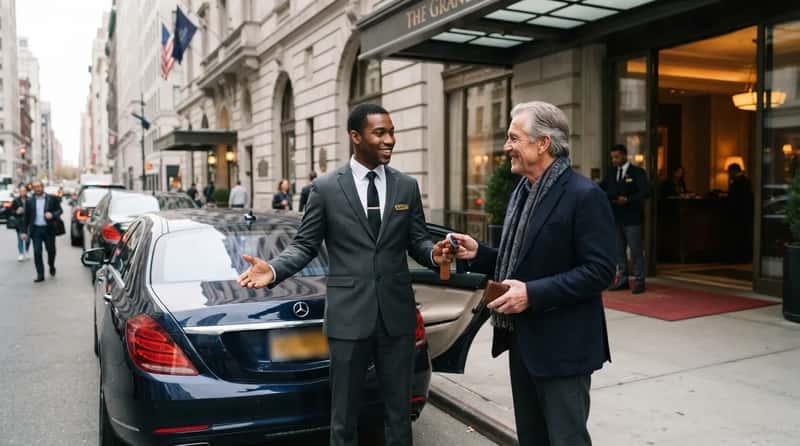
The biggest shift happens gradually. A guest who tips warmly at drop-off, remembers names, and treats staff with respect often ends up with an attendant who essentially adopts them for the length of their visit. That means faster cars, remembered preferences, proactive help, and a level of familiarity that feels more like a long-term relationship than a paid service.
Valets are typically paid modestly, earning around $27,475 a year on average according to ZipRecruiter, which means they rely heavily on tips to supplement a livable wage. For staff working that hard for that little guaranteed pay, a guest who tips early and treats them like a person instead of a service earns a kind of loyalty that shows up in dozens of small ways for the rest of the stay.
Using a valet’s first name, when visible on a name tag, creates a personal connection that helps establish rapport.
Elaine Swann, Etiquette Expert
None of this is written down in any employee handbook, and no hotel brand will officially confirm it. But talk to enough valets and the pattern holds: early generosity, a warm word, and a little respect at the curb quietly reshape how the rest of a stay unfolds.
It’s less about the dollar amount and more about the moment it’s given.