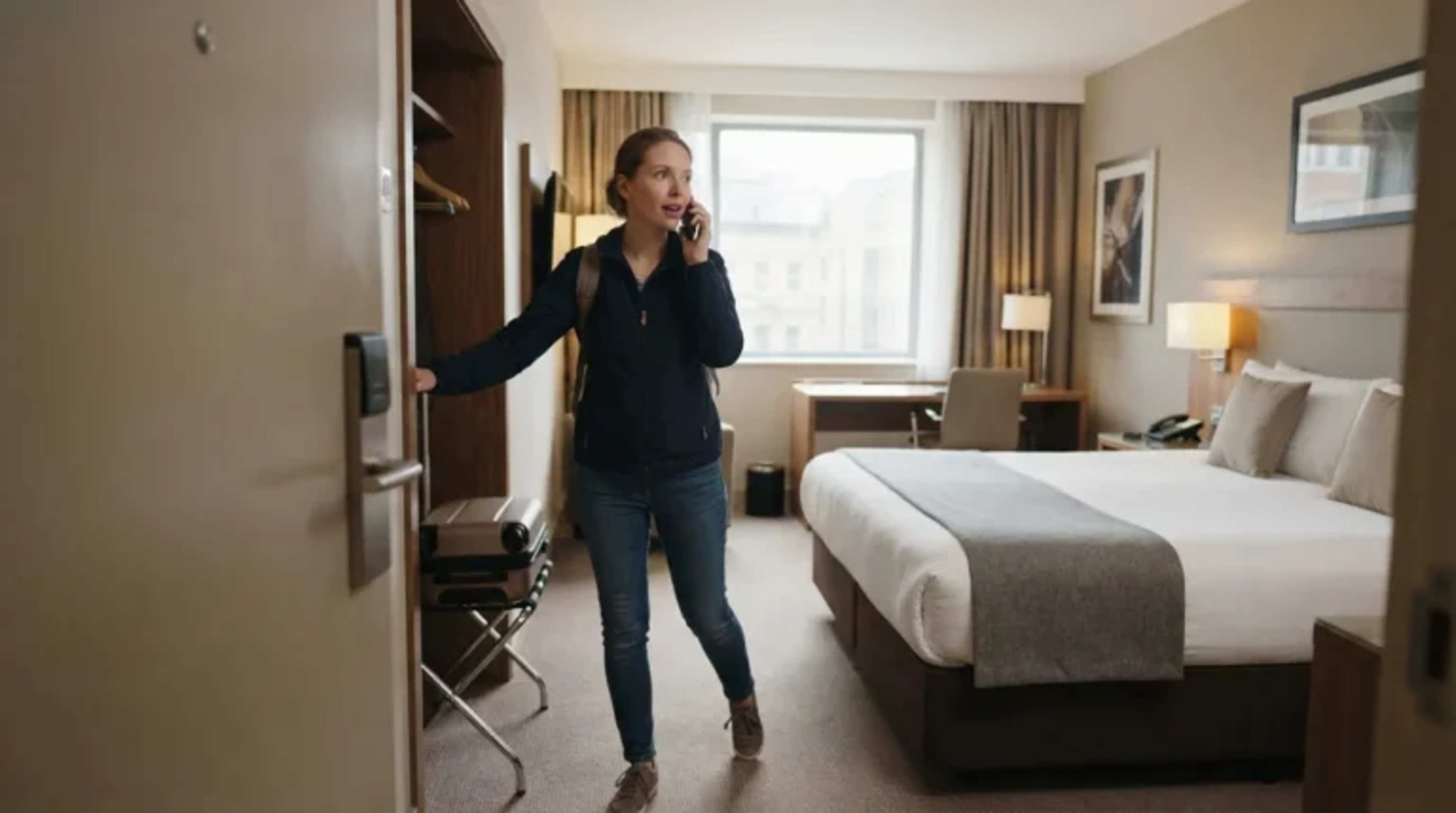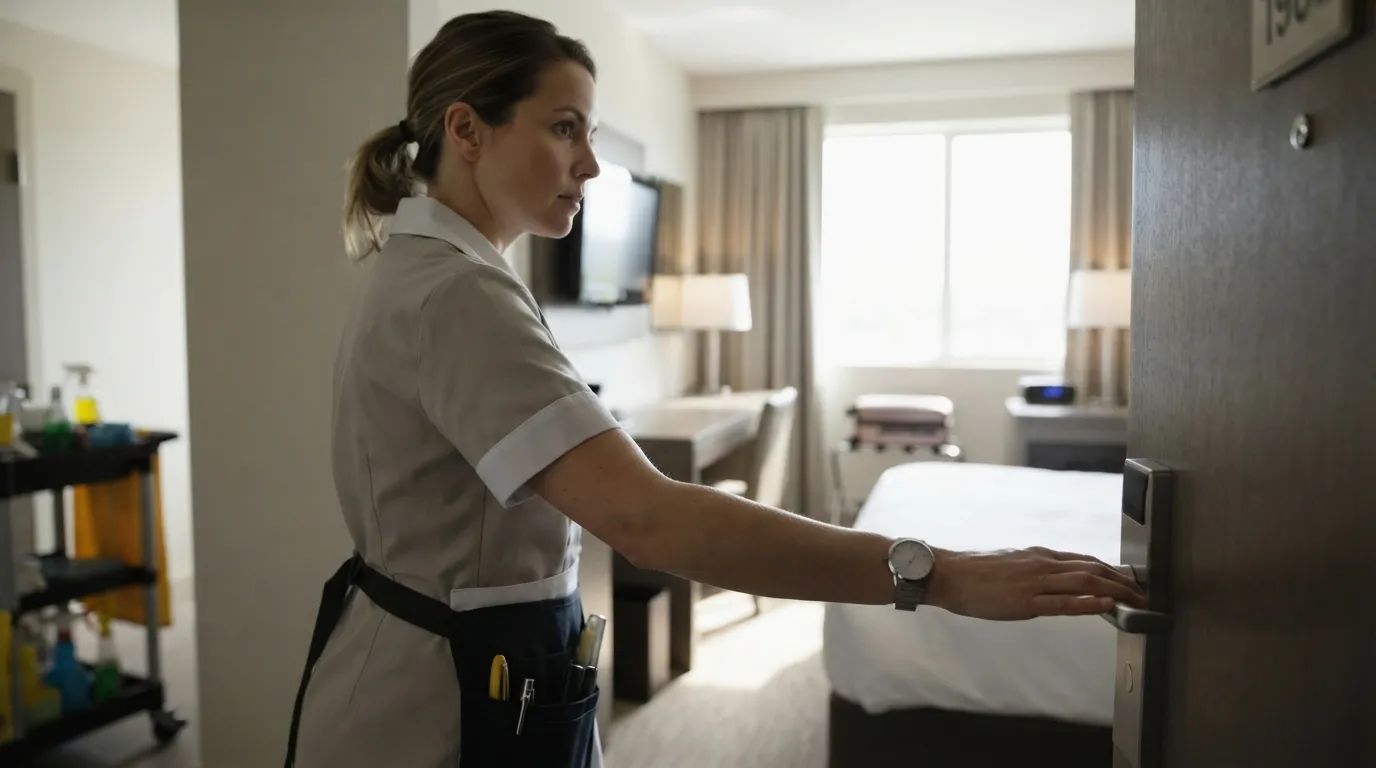
You step into a hotel room, drop your bag and think, “Looks spotless.” A housekeeper walking into that same room has already read it like an open book. The smell, the bed, the bathroom floor and the trash can all told her something before she parked her cart.
Most of the clues aren’t where guests would guess. Some point to germs and some to pests, and some reveal exactly what the last guest got up to. One of them explains why a room can look perfect and still not be clean, and it’s waiting near the end of this list.
#24 – The Smell That Hits Before the Door Finishes Opening

Housekeepers often start with the nose, before they ever see the bed. Damp towels, stale smoke and old takeout each point to a different problem. A sweet, musty odor can also be one sign of a heavy bed bug infestation, according to pest and public health guidance.
Here’s the catch: not everyone can smell it, and a faint odor proves nothing on its own. A strong one in a bedroom, though, is a reason to look closer. The smell is the first clue, and the rest of the room confirms it. The next clue is something every guest touches in the first ten seconds, and almost nobody thinks about it.
#23 – The Light Switch Nobody Thinks to Wipe

In a 2012 study, University of Houston researchers swabbed 19 surfaces in hotel rooms in Texas, Indiana and South Carolina. The main light switch averaged 112.7 colony-forming units of bacteria. It also had the highest level of fecal bacteria in the study.
Housekeepers know it’s the first thing a guest touches and one of the first things a rushed cleaner skips. The study was small, and the lead researcher said it wasn’t built to test for specific illness-causing germs. Still, it showed that “looks clean” and “was disinfected” are two different things. A hospital-cleanliness benchmark cited in coverage of the study was 5 CFU, and the light switch landed far above it.
#22 – A TV Remote That Gave the Toilet a Run for Its Money

The same Houston team found TV remotes averaged 67.6 CFU, which put them among the germiest items in the room. Researchers called it surprising, because they had expected the toilet and bathroom sink to lead. Both did rank high, but the remote kept pace with them.
More recent reporting adds a twist. A hotel cleaning inspector quoted by Islands.com said light switches now fail swab checks more often than remotes do. Many hotels now put remotes in sealed covers or wipe them first, but housekeepers still check them. A sticky remote says a lot about when the room was last truly cleaned.
Quick Compare
- Light switch: 112.7 CFU, roughly 22 times the hospital benchmark
- TV remote: 67.6 CFU, still about 13 times that benchmark
- Hospital benchmark: 5 CFU
And the bed says even more about the last guest.
#21 – The Bed Left Like a Crime Scene

Stripped sheets, a comforter on the floor and pillows in a heap tell housekeepers how the room was used. The messy bed is only the start. It also shows how much extra work is waiting behind the door.
They check what’s under the covers, too. Stains, odd marks and anything left in the sheets get noticed fast. A bed that’s fully torn apart often means a longer, harder turnover, and every room has a tight clock to beat.
But that’s nothing compared to the tiny spots housekeepers hunt for along the mattress seams.
#20 – Rust-Colored Specks Along the Mattress Seam

Pest guidance says dark or rust-colored spots near mattress seams can be bed bug droppings or crushed bugs. Pest experts describe them as about the size of a pen dot, and they tend to show up at the head or foot of the bed. Housekeepers lift the sheets and check the corners for exactly this.
Here’s the part that surprises most guests. Bed bugs aren’t a sign of a dirty room. They travel on luggage and linens, so a spotless room can still have them. Other signs include pale yellow shed skins and eggs the size of a grain of rice. The next item is something housekeepers see on towels all the time.
#19 – Towels Used as Makeup Rags

Housekeepers regularly find towels doing jobs they were never meant for. Makeup, hair dye and shoe polish are the usual suspects. A white towel with dark smears is the clearest evidence, and it’s impossible to miss.
The consequence is simple. Stained towels often get pulled from use, and the guest may be charged. Housekeepers can usually tell at a glance whether it was a one-time accident or a habit. Next up is a mistake on the bed that’s more common than you’d think.
#18 – A Suitcase Sitting Right on the Bedspread

Housekeepers can often tell exactly where the luggage sat. Scuffs on the comforter, a dented mattress and wheel marks all give it away. A suitcase that went from the floor to the bed to the carpet has touched a lot of surfaces along the way.
Pest control guidance suggests a different approach. It says to put luggage on a hard surface, like the bathroom floor, before inspecting the room. The idea is to keep the bag away from any bugs hiding in the bed or upholstery. Housekeepers see what happens when guests skip that step. And the next stop is the bathroom, where the toilet lid is the least of your worries.
#17 – What the Trash Can Gives Away in Three Seconds

A trash can tells a story faster than anything else in the room. Takeout boxes, empty bottles and stacked cups show how the stay went. Housekeepers also check whether food was left out, because it can attract pests.
It shows how long it’s been since the last clean, too. A can that’s overflowing means the stay was long or the room was skipped. A neat can usually goes with a neat room. The next clue is on the bathroom floor, and it’s grosser than you’d think.
#16 – The Bathroom Floor Behind the Toilet

The Houston study found the bathroom floor was one of the top spots for bacteria. A separate study in the American Journal of Infection Control found that flushing sent contaminants onto the floor and the back of the toilet more than 80% of the time. It also reached the wall behind the toilet nearly 40% of the time.
The flush handle was affected 22% of the time, and the toilet paper dispenser 17% of the time. In the 2012 hotel study, 81% of the surfaces sampled had some fecal bacteria. Housekeepers see the floor first, and it often tells them whether the bathroom was truly cleaned. But the shower has clues of its own.
#15 – Hair on the Shower Wall and a Dark Line on the Curtain

The shower shows how much attention the room really got. Hair stuck to the wall and soap scum on the tub give it away. Housekeepers also check the bottom of the shower curtain for mildew.
Mildew tends to start where things stay wet, like curtain hems, grout lines and corners. A curtain with dark spots at the bottom usually means it’s been hanging that way for a while. Now for something that has nothing to do with dirt.
#14 – The Minibar Item That Quietly Moved

Housekeepers check the minibar for missing and moved items. A bottle left on the wrong shelf can look like a purchase. Some minibars use sensors that bill the room the moment an item is lifted.
That’s why guests are sometimes shocked at checkout. Housekeepers report what they see, and the front desk sorts out the charge. A bottle you only picked up to make space can still end up on your bill. The next item is about something even more personal.
#13 – The Door Sign That Says More Than “Do Not Disturb”

A Do Not Disturb sign tells housekeepers more than guests realize. One night is routine. Several days in a row is a different story, and many hotels have policies for checking on rooms after a set time.
Housekeepers can’t see inside, so they notice what’s outside. Room service trays piling up and a sign that never changes are clues. Hotels differ on how long they wait before knocking. The next clue is about the guests who skip cleaning altogether.
#12 – The Room That Never Got Cleaned, and Shows It

Some guests refuse housekeeping for days. Others leave towels and trash piled up for a week. Both are common, and both change what the room looks like when staff finally get in.
A skipped clean means more work later, not less. A week of buildup takes longer than a daily tidy. That’s why housekeepers can often tell at a glance how many days have passed. And the next clue is something guests rarely think about at all.
#11 – The Cash on the Nightstand With No Name on It

A tip left in plain sight matters more than most guests realize. Housekeepers often can’t tell whether cash on a nightstand is meant for them or was simply forgotten. The American Hotel & Lodging Association has encouraged guests to leave a few dollars per night, labeled clearly.
A short note with the cash removes any doubt. Leaving it each day also helps, because different staff may clean on different days. It’s a small thing, and housekeepers notice it immediately.
Worth Knowing
- The association’s guidance is $1 to $5 per night, with luxury stays and big suites often calling for more.
- Leave it daily, not in one lump at checkout, since the person who cleans on Monday may not be there Wednesday.
- Put the cash on the desk or dresser with a note saying it’s for housekeeping.
- Cash is the clearest option, because gifts and loose change can leave staff guessing.
The next clue is about what the room is hiding.
#10 – The Burnt-Out Bulb and the Drawer That Sticks

Housekeepers see every room up close, so they spot broken things first. A lamp with a missing bulb, a loose handle or a stuck drawer all get noticed. Many hotels count on them to report these issues.
A small repair left alone often turns into a guest complaint. That’s why housekeepers carry notes or tickets for maintenance. A room where everything works is a quiet sign that someone was paying attention. The next clue is overhead, and it’s easy to miss.
#9 – The Ceiling Stain Nobody Looks Up To See

Housekeepers look up. A brown ring on the ceiling often points to a leak above. A peeling corner or a patch of discoloration on a wall can mean the same thing.
A musty smell near the stain is another warning. These signs usually mean moisture, not just dirt. Housekeepers flag them because a leak that’s ignored can get worse fast. Some stains are on the floor instead, and those have a clearer cause.
#8 – The Spill That Set Into the Carpet

Housekeepers can read a carpet stain like a timeline. A fresh spill is easy to treat. An old one that was ignored tends to set, and that’s when it becomes a real problem.
Coffee, wine and makeup are common culprits. The consequence is easy to picture: a stain that could have been blotted in a minute may need a deep clean later. Next up is a small appliance that gets more use than most people admit.
#7 – The Coffee Maker and Ice Bucket Everyone Trusts

Hotel hygiene advice often lists the coffee pot and ice bucket among the usual trouble spots. They’re easy to forget, and they sit right in the middle of the room. Housekeepers check them because guests use them without a second thought.
A used cup left in the machine or a dirty liner in the bucket tells them the last clean might have been a quick one. Experts suggest guests also wipe door knobs, flush handles and faucet handles. It’s not about panic, just awareness. The next item is sitting right next to the bed.
#6 – The Desk Phone Nobody Uses Anymore

Almost no one makes calls on a hotel phone now. It still gets touched, and the 2012 Houston study found keypads carried 20.2 CFU of aerobic bacteria. That’s lower than the remote or the light switch, but still well above the hospital benchmark of 5.
Germ expert Kelly Reynolds has said items like hotel phones and keyboards also collect lots of germs. Housekeepers know that anything touched often can get missed. A quick wipe is easy to skip when a shift is packed. The next spot is hidden behind the bed.
#5 – The Outlet Behind the Nightstand
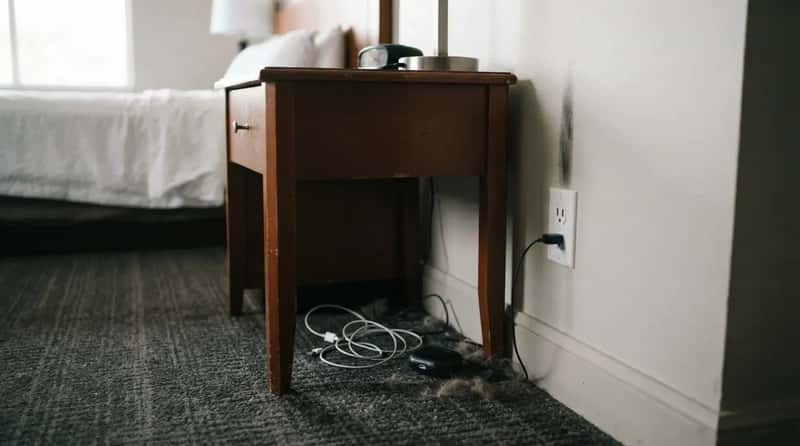
Housekeepers check outlets for a few reasons. Bed bug guidance lists outlets and USB ports as places to glance at. Guests also leave chargers plugged in, which makes this one of the most common spots for forgotten items.
A dark smear on the wall near an outlet can be a warning sign. It can also just be dust, so context matters. Either way, it gets noticed in a quick scan. The next place is where guests hide things without realizing it.
#4 – What Got Left in the Closet and Safe

Closets, drawers and safes hold the things guests forget. Chargers, jewelry and a single shoe are common. Housekeepers check every one, and many hotels log what they find.
The surprise is how personal some of it is. A locked safe, a pill bottle or a child’s toy can all end up in a lost-and-found box. Hotels usually try to match items back to their owners. But one thing in a room can cost a guest real money.
#3 – Signs Someone Smoked in a Nonsmoking Room

Housekeepers don’t need to see smoke to know it happened. A covered smoke detector, burn marks and a stale smell all give it away. Many hotels charge cleaning fees when guests smoke in nonsmoking rooms.
The smell is the hardest thing to hide. It sinks into curtains, bedding and carpet. Housekeepers notice it right away, and it’s one of the quickest ways a room gets flagged.
Why It Stands Out
- Soft items like curtains, bedding and carpet hold onto the smell long after the cigarette is gone.
- A covered or tampered smoke detector is a tell that’s hard to explain away.
- Burn marks on a nightstand or carpet leave visible proof, even when the air has cleared.
But the biggest surprise isn’t in the room at all.
#2 – The Cart in the Hallway Carrying Germs Room to Room

Here’s what most guests never consider. The same 2012 research found high bacteria levels on items from the housekeeping cart, like sponges and mops. The researchers warned that this can carry germs from one room to the next.
That’s why many hotels use color-coded cloths and fresh supplies. Housekeepers know the cart itself can be part of the problem. It’s a rarely discussed reason a “clean” room isn’t always clean. And the last item changes how you see the whole job.
#1 – The Clock That Starts Ticking When the Door Opens

The thing housekeepers notice first, and most, is how much time they have. In the 2012 research, they cleaned 14 to 16 rooms per 8-hour shift. That works out to about 30 minutes each. Everything else on this list has to fit inside that window.
That’s why a quick read of the room matters so much. A trained eye decides where to spend the minutes: the bed, the bathroom, the high-touch spots. The lead researcher also said that visual checks can’t tell you whether a surface was disinfected. A room that looks clean is the result of real skill, but it isn’t proof.
Next time you walk into a hotel room, take a second look at the switch, the remote and the seams of the bed. Someone has already done the same, in far less time than you have.
Their work is mostly invisible when it’s done right. That’s the point, and it’s also why it’s so easy to overlook.