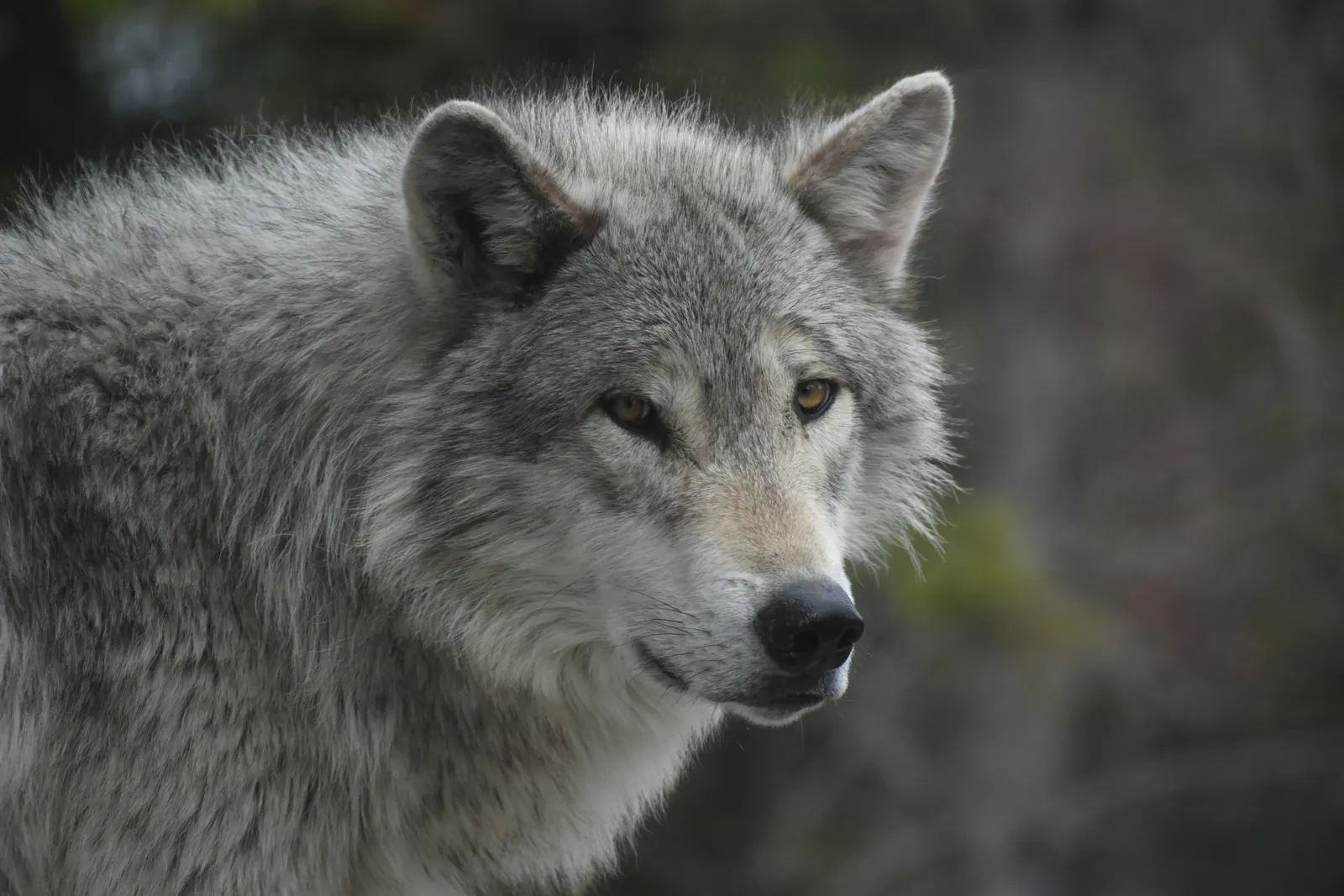
Yellowstone National Park draws millions of visitors each year who hope to glimpse wolves in the wild, yet much about these animals remains a mystery. Researchers are now applying artificial intelligence to analyze wolf vocalizations, aiming to reveal patterns in their communication and social behavior. The effort draws on unexpected expertise from fields outside traditional biology, including linguistics and software engineering. ([1])
A Hunter’s Unexpected Shift
Jeff Reed grew up with the common notion that wolves posed a danger and should be shot on sight. That view changed during an encounter on his Montana farm roughly five years ago. He spotted what he first took for a large coyote standing in his truck’s headlights. When he realized it was a gray wolf, he raised his rifle but then lowered it, choosing instead to fire over the animal’s back. The wolf did not flee but trotted calmly away. Reed later described the moment as a profound turning point. What began as indifference toward wolves soon became a deep interest in their lives. His background as a linguist with experience leading software teams in Silicon Valley positioned him to contribute to scientific efforts in new ways.
Applying Technology to Wolf Sounds
Reed connected with the Cry Wolf Project, a long-term research initiative focused on wolves. The project uses bioacoustics to record and study howls and other vocalizations. Artificial intelligence helps process large volumes of audio data, identifying patterns that might otherwise go unnoticed by human listeners alone. This approach combines Reed’s linguistic training with computational tools to examine the structure and possible meaning behind wolf calls. The goal is to move beyond assumptions about wolf behavior toward evidence-based insights. Early work suggests AI can assist in distinguishing individual wolves or detecting changes in group dynamics over time.
Implications for Conservation and Visitors
Better understanding of wolf communication could support more effective conservation strategies in and around Yellowstone. Park visitors often seek wolf sightings as a highlight of their trip, and clearer knowledge of the animals may improve both safety and appreciation during encounters. The shift from viewing wolves as threats to recognizing their ecological role reflects broader changes in public attitudes. Still, questions remain about how reliably AI interpretations match actual wolf intentions. Researchers continue to test the technology against field observations to refine its accuracy.
Next Steps in the Research
The Cry Wolf Project plans to expand its recordings and refine the AI models used for analysis. Additional data from different seasons and locations will help determine whether patterns hold across varying conditions. Collaboration between linguists, biologists, and technologists is expected to remain central to the work. Progress will depend on sustained funding and access to remote areas where wolves live. The effort illustrates how personal experiences and technical innovation can intersect to address longstanding questions about wildlife.