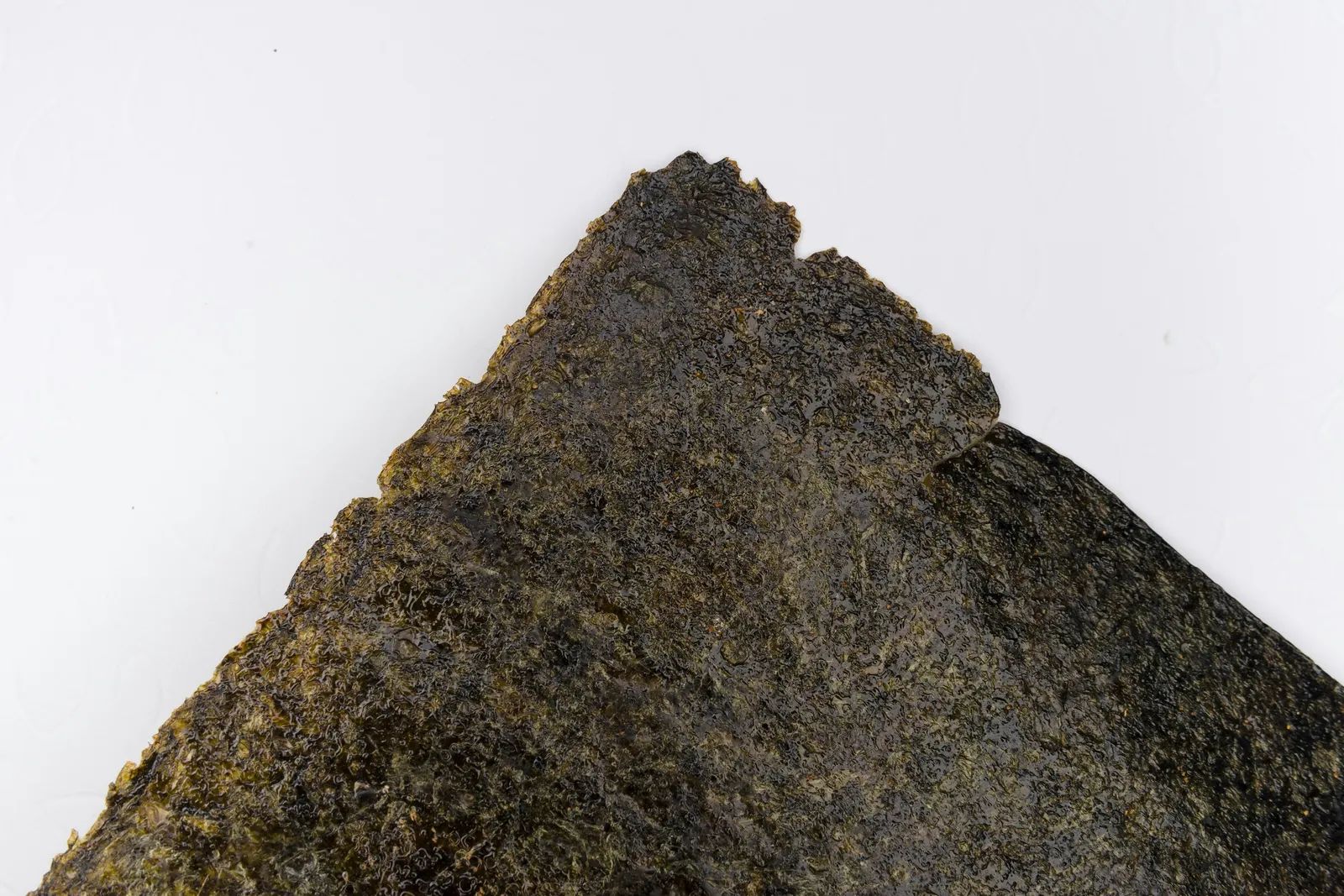
You reach into the pantry for sushi night and pull out a pack of nori that has sat there for months, maybe longer. The sheets still look dark and flat, yet one edge feels slightly soft to the touch. That small change raises a practical question about how long dried seaweed actually keeps its quality once it leaves the store shelf.
Manufacturer Guidance on Unopened Packs
Brands that produce nori provide the clearest timelines for sealed packages. Yamamotoyama, a major producer, lists roasted seaweed at roughly nine to fifteen months when unopened, while seasoned or Korean-style varieties fall in the six-month to one-year range. Another U.S. producer, Maine Coast Sea Vegetables, suggests nori sheets remain at their best within three years. These figures reflect quality expectations rather than strict safety cutoffs, and the date printed on any given package serves as the most reliable reference point. The ranges can shift depending on the exact product and how it was handled before purchase. A sealed pack stored away from heat and light tends to hold its flavor and texture longer than one exposed to humidity or sunlight during distribution. Consumers are advised to check the best-before date first and treat the manufacturer numbers as helpful benchmarks rather than universal rules.
Common Signs That Quality Has Slipped
Moisture is the most frequent culprit when nori changes. Sheets that absorb humidity turn limp or sticky and lose the crisp texture that makes them pleasant to eat. In more advanced cases, white mold can appear on either side of the sheets, or small insects may find their way inside an imperfect seal. An odor that differs from the original mild sea scent also signals trouble. Aging nori may smell musty, sour, or noticeably fishy. Color shifts toward unusual red or purple tones can accompany age as well, though seaweed naturally varies, so any noticeable departure from the original appearance warrants closer inspection. Appearance and smell alone cannot confirm safety, so storage history matters when deciding whether to keep or discard a pack.
Best Practices for Everyday Storage
Cool, dark, and dry conditions protect nori best. Once opened, transfer the sheets to an airtight container or zip-top bag, press out excess air, and keep the original desiccant packet inside if one came with the product. A colored aluminum bag blocks light more effectively than a clear plastic one. Room temperature works for most situations, though some producers suggest the refrigerator during hot, humid months. If the pack moves to the fridge or freezer, allow it to reach room temperature while still sealed to avoid condensation that could reintroduce moisture. Freezing small portions in airtight bags extends usability for longer periods, but thawed nori should be used promptly because crispness may diminish.
When It Is Time to Discard the Pack
Any visible mold, insects, webbing, or dampness calls for disposal. A pack left open for an extended time in a humid kitchen or one whose storage history is unknown should also be thrown out as a precaution. Normal appearance does not guarantee safety, especially if the sheets have been exposed to repeated moisture cycles. For nori that is merely stale yet stored properly, a few seconds in a dry pan over low heat can sometimes restore crispness, though this step does nothing for mold or contamination. When in doubt, the conservative choice is to replace the pack rather than risk an off flavor or texture in finished dishes. Proper handling keeps nori enjoyable for its intended uses, from sushi rolls to simple snacks, without unnecessary waste.