Booking a vacation rental used to feel simple: pick a place, pay, pack your bags. These days it takes a bit more caution, especially with scammers getting better at mimicking real listings using stolen photos and AI-generated images that even trained eyes struggle to catch. Knowing what to look for before you hit “reserve” can save you from a ruined trip and a drained bank account.
Check if the listing has genuinely no reviews or reviews that feel off

A brand new listing with zero reviews isn’t automatically a scam, but it should make you pause and dig a little deeper. Scammers often create accounts specifically to push one or two fraudulent listings before disappearing, so a total absence of guest history is worth noting. Legitimate hosts, especially ones renting out multiple properties, tend to build a track record over months or years.
Pay attention to reviews that feel generic, oddly repetitive, or clustered together within a short time frame. No reviews – or reviews that are generic, overly brief, or posted in a suspicious cluster[1] are red flags security researchers consistently point to. If the praise sounds like it could apply to literally any rental anywhere, that’s a signal to look elsewhere.
Search the photos using a reverse image lookup
Photos are the easiest thing for a scammer to steal, and reverse image searches are one of the fastest ways to catch them. Scammers sometimes create fake Airbnb listings for properties that don’t exist, aren’t actually available, or belong to someone else, luring in potential guests using stock, stolen, or doctored images to make the listing appear legitimate.[2] Dropping a few images into Google Images or TinEye takes thirty seconds and can reveal if the same “unique” cabin photo appears on a stock photography site or a completely different rental listing.
Beyond outright theft, there’s a newer wrinkle: AI-generated or AI-edited photos that never existed in reality. This isn’t a fringe problem either. Airbnb’s own internal research found that nearly two thirds of users have a hard time telling AI-generated property images apart from authentic ones, which means visual instinct alone isn’t enough anymore.
Watch for pressure to pay outside of Airbnb
Closely related to off-platform messaging is off-platform payment, and this is where real financial damage tends to happen. Scammers frequently offer a “discount” for paying via bank transfer, wire, or even gift cards instead of going through Airbnb’s checkout. You can spot this scam when someone asks you to pay outside the official Airbnb platform, and you should be wary of requests to wire payments, pay through a bank transfer, or send money orders.[4]
Once your money leaves Airbnb’s system, every protection tied to your booking disappears along with it. The moment money leaves the platform, your protection disappears with it, and if you happen to book a fake listing, Airbnb will protect your money until you check in, so long as you stay on its platform.[5] There’s no legitimate reason a real host needs you to pay through a bank wire rather than the app you’re already using.
Be suspicious of prices that seem too good for the location
Everyone loves a deal, but a suspiciously low price on a property in a popular, expensive area is one of the oldest tricks in the scam playbook. If a downtown loft in a major city is listed at half the going rate with no obvious catch, that gap deserves an explanation rather than excitement. Scammers use unrealistic pricing specifically because it’s effective bait, pulling in people who are eager to save money on travel.
The advice from consumer protection researchers is fairly direct on this point. When you spot a dramatically underpriced listing, treat it the way you’d treat a stranger offering you cash on the street, since suspicion is your friend here.[5] Compare the price against similar listings nearby, and if it’s dramatically lower with no clear reason, slow down before booking.
Look closely at the host’s profile and response patterns

A thin, incomplete host profile is another consistent signal worth checking before booking. Look for a verified ID, a profile photo that doesn’t look stock-generated, and some history of hosting rather than an account that was created days ago. Fraudulent accounts are often stripped down to the bare minimum because building out a convincing profile takes time scammers would rather not spend.
Response speed and tone matter too. The clearest red flags on both sides include vague listings, incomplete profiles, brand-new accounts, suspicious links, slow responses, and deals that seem too good to be true.[6] If a host is vague about basic questions, like exact checkout procedures or parking availability, that vagueness is often a symptom of someone who has never actually seen the property in person.
Cross-check the address and location details

Fake listings sometimes use an address that either doesn’t exist, belongs to an entirely different property, or is currently occupied by someone with no idea their home is listed online. Before booking, plug the general area into a mapping tool and see if the surroundings match what’s shown in the listing photos. A mismatch between the pin location and the visible landmarks in photos is a strong sign something isn’t right.
This kind of deception has real consequences for travelers who don’t catch it in time. Once a guest arrives at the property, they may find the address doesn’t exist, looks nothing like the listing, or is already occupied by someone with no knowledge of the rental.[2] A quick cross-check before booking takes far less time than dealing with that discovery while standing on an unfamiliar street with luggage in hand.
Be wary of last minute “problems” that lead to a switch
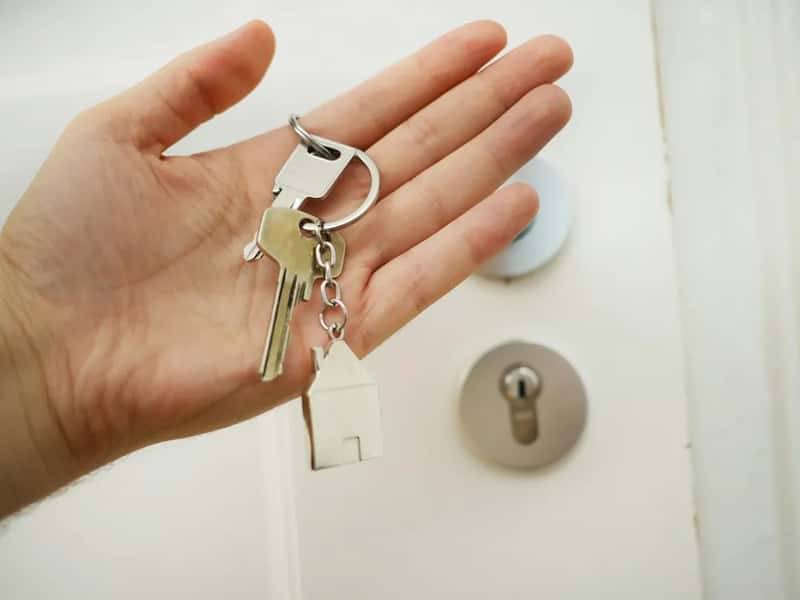
Bait-and-switch tactics are a well-documented pattern where everything looks perfect until right before your stay. A host lists an appealing property with great photos, a good price, and solid reviews, then contacts you shortly before check-in claiming there’s suddenly an issue. Bait-and-switch scams involve a guest booking what appears to be a perfect property, with a great location, attractive photos, positive reviews, and a competitive price, and just before check-in, the host contacts the guest claiming there’s a problem, such as a burst pipe or an unexpected repair.[3]
From there, they’ll often try to redirect you to a different, usually lower quality property, sometimes asking for additional payment outside the app to “sort it out quickly.” If this happens to you, resist the urge to solve it fast and quietly. Contact Airbnb support directly rather than negotiating privately with the host, since that’s exactly the moment scammers count on you skipping proper channels.
Take advantage of Airbnb’s own fraud prevention tools
Airbnb has invested real resources into catching fraudulent listings before travelers ever see them, and it’s worth understanding how that system works in your favor. Airbnb’s anti-fraud technology assesses listings before they go live for risk signals, and in 2025 alone, this helped prevent around 265,000 potentially suspicious listings from appearing on the platform.[7] The company has also built in warnings that trigger when someone tries to share external contact information or links through the messaging system.
That in-app nudge appears to be working, at least on a small scale. Last year, Airbnb introduced a feature that reminds users in message threads to keep payments and communication on Airbnb when external links are shared, and this reminder cut user clicks on potentially risky links by more than twenty percent immediately following launch.[7] Pay attention if you see that warning pop up, because it means the platform’s own systems have flagged something worth a second look.
Know what to do if you spot a fake listing

If something feels off, the safest move is reporting it rather than trying to resolve it directly with the host. Flag the listing and contact the platform’s trust and safety team, since Airbnb, Vrbo, and others have dedicated fraud teams and may offer assistance under their guest protection programs.[1] Reporting before you pay is far more useful to Airbnb’s fraud detection than reporting after money has already changed hands.
If you’ve already lost money to a scam, there are additional steps worth taking beyond just the platform itself. Filing a report with the FTC at reportfraud.ftc.gov and with the FBI’s Internet Crime Complaint Center at ic3.gov[1] helps build the broader data picture that regulators use to track these schemes. It won’t always get your money back, but it does help investigators connect patterns across victims, which matters for catching repeat offenders.