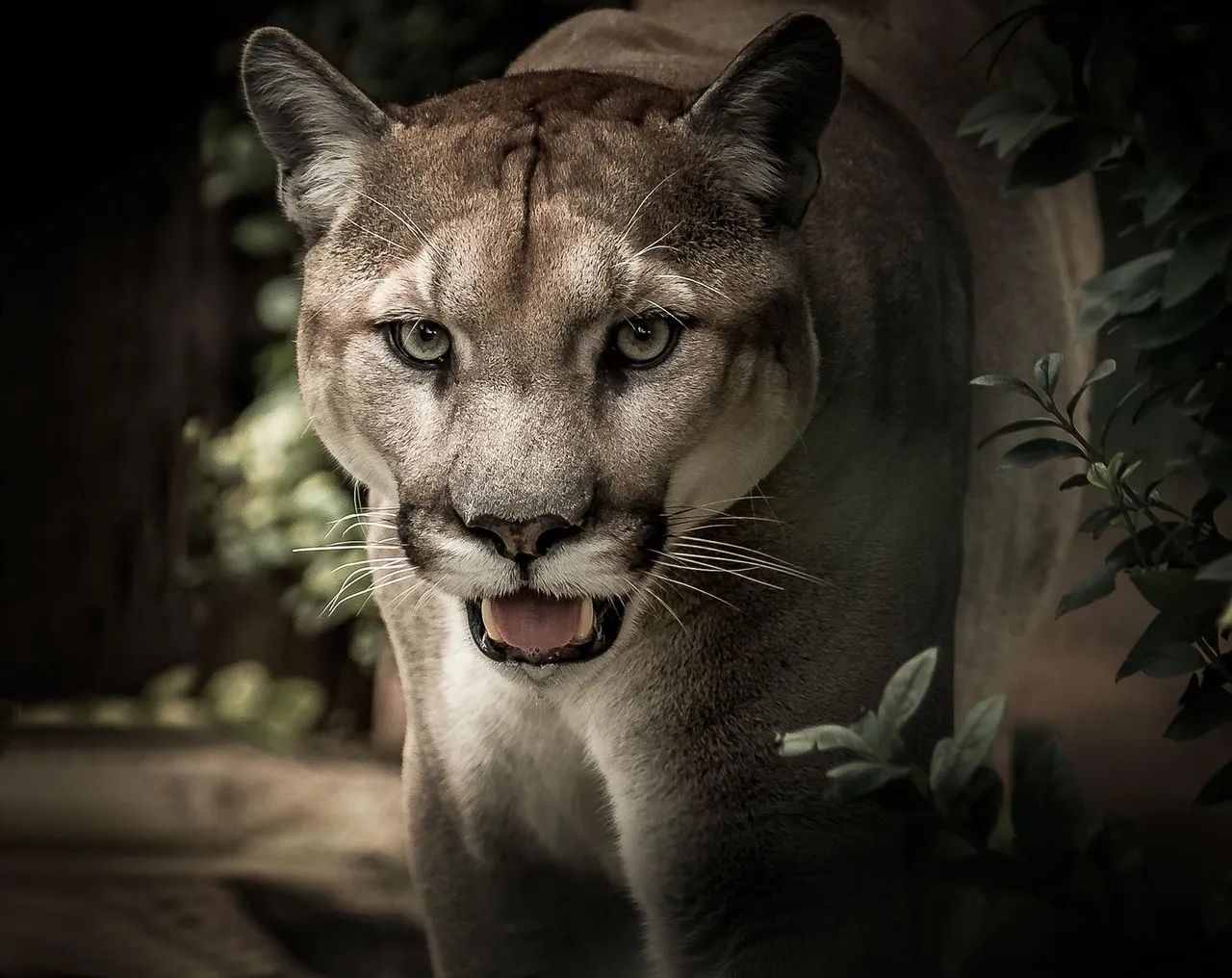
Alberta wildlife researchers tracked dozens of cougars across west-central parts of the province and found that people, not natural factors, accounted for the majority of deaths. The five-year effort used radio collars on 80 animals between 2016 and 2021 and recorded 37 mortalities in total. Of those, 27 were directly linked to human activity. The results highlight how access to landscapes and harvest practices shape survival rates for this wide-ranging predator.
Study Design and Key Numbers
Scientists focused on a region where cougars share space with roads, hunters, and rural communities. Collars allowed them to follow movements and confirm causes when animals died. The sample size and timeframe provided a clear window into mortality patterns that managers had previously estimated through less direct methods. The data showed consistent human involvement across the period. Natural deaths from disease, starvation, or fights with other cougars remained relatively low by comparison. This pattern held even though the animals occupy remote terrain that might otherwise limit contact with people.
Breakdown of Human-Caused Losses
Hunting and trapping together removed 16 cougars from the population. Additional animals were removed through targeted culls after conflicts with livestock or pets, or after showing bold behavior near homes. Incidental captures in traps set for other species also contributed. Vehicles emerged as a leading single factor in several cases, often on highways that cut through traditional cougar travel corridors. The combination of legal harvest, conflict response, and road mortality created a clear human signature on the death records. These outcomes occurred despite the species’ reputation as an elusive top predator.
Implications for Wildlife Managers
The authors noted that harvest remains the primary source of mortality in many systems and that landscape access directly influences how often cougars encounter people. Sex-specific harvest patterns also require closer scrutiny because males and females use space differently. Managers can use the findings to adjust seasons, set quotas, or improve road-crossing structures where data show repeated losses. The study underscores that decisions about hunting access and development near core habitat carry measurable consequences for population stability.
Practical Steps Forward
Wildlife agencies in Alberta and neighboring jurisdictions already monitor harvest reports and conflict incidents. Incorporating collar data like these can refine those efforts and reduce unintended losses. Road planners and conservation groups may prioritize crossing structures or seasonal speed reductions in high-use areas. Hunters and trappers can benefit from updated maps that flag zones with elevated cougar activity. The research ultimately shows that human choices shape the future of these animals more than previously assumed. Continued tracking will help test whether adjusted practices lead to fewer preventable deaths.