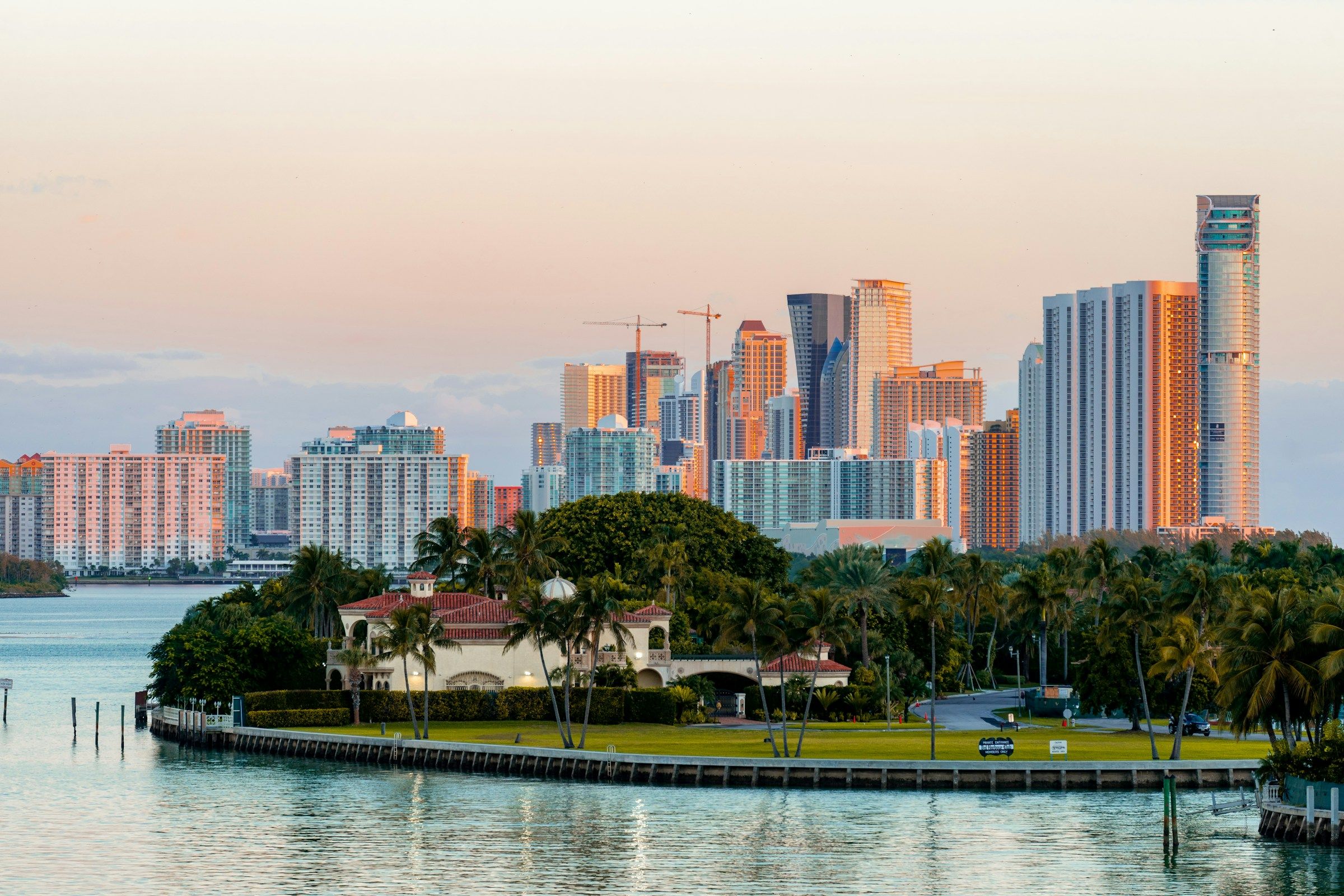
Florida still pulls in more retirees than any other state, and it’s easy to see why. No income tax, warm winters, and a seemingly endless supply of golf courses and beach towns make the pitch nearly irresistible on paper.
But ask around in certain Facebook groups or retirement forums, and a different picture starts to emerge. Curious about what’s actually driving that second-guessing, I asked ChatGPT to walk through the most common regrets retirees report after settling into the Sunshine State, then checked those claims against current data and reporting from 2024 through 2026.
1. Home insurance premiums have become genuinely brutal

Nothing seems to generate more buyer’s remorse among Florida retirees than the insurance bill. Florida’s average annual cost of home insurance hit $8,292 in 2025, an 18% increase over 2024, according to Insurify’s 2026 Insuring the American Homeowner Report.[1] That’s not a typo or an outlier year either, since home insurance costs have risen by more than 14% in the state since 2023.[1]
What makes this sting even more is how it compares nationally. Data from Insurify shows the average annual premium in the state is $8,292, which is about 181% higher than the national average.[2] Retirees living on fixed incomes often budgeted for something closer to what they paid up north, and the gap between expectation and reality has forced some to sell and relocate entirely.
2. Condo owners are getting hit with surprise special assessments

If you bought into a Florida condo hoping for a low-maintenance retirement, 2025 and 2026 delivered a rude awakening for plenty of owners. After the 2021 Surfside collapse, Florida required milestone structural inspections and Structural Integrity Reserve Studies for condo buildings three stories and taller, and banned the waiving of reserves.[3] Years of underfunded reserves suddenly had to be caught up all at once.
The financial fallout has been significant. Buildings that underfunded reserves for years now must fund them quickly, producing assessments that commonly run $10,000 to $100,000 or more per unit.[3] On top of one-time bills, many communities are seeing monthly assessments rise by $200 to $1,000 or more per unit as they fund previously waived reserves.[4] For retirees who assumed their monthly HOA dues were fixed and predictable, that kind of jump can upend a carefully built budget.
3. Housing costs no longer match the bargain reputation
Florida used to have a reputation as an affordable place to stretch a pension or a 401(k). That reputation has taken a hit as demand has outpaced supply for years running. Housing prices have risen dramatically, and retirees who purchased property decades ago have seen their wealth spike, while many of those considering a move to Florida are now outpriced.[5]
Part of the pressure comes from sheer population size. This is due, in part, to the state’s massive population of 23 million, the third-largest in the country, and the state’s sprawling size.[6] Retirees who moved expecting easy affordability sometimes find themselves competing with younger buyers, out-of-state investors, and a shrinking pool of listings in the communities they actually want.
4. Hurricane season never really lets you relax
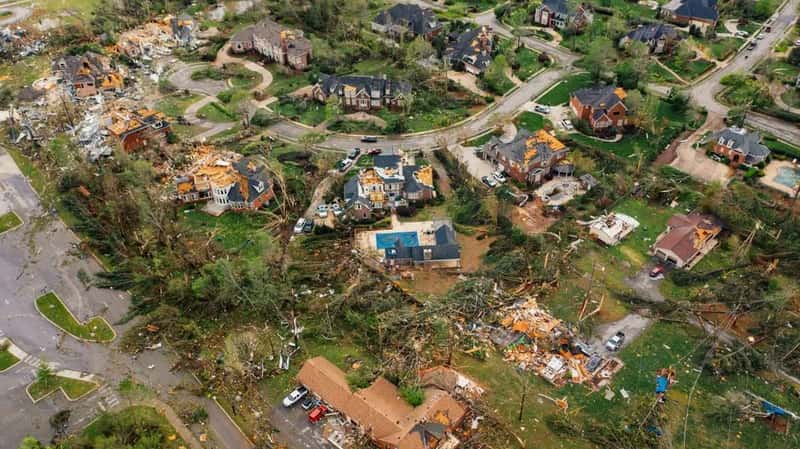
Even a quiet year doesn’t erase the underlying anxiety that comes with living in a storm zone. Florida homes are still carrying risk from the 2024 season, since Hurricanes Helene and Milton caused widespread damage and generated a claims backlog that stretched well into 2025.[7] Retirees who lived through that stretch often describe a lingering unease every June, regardless of what the seasonal forecast says.
The 2025 season offered a brief reprieve, but experts are careful not to oversell it. After several years of storms that caused widespread flooding, wind damage and fatalities in Florida, 2025 brought a quiet season to the state with no storms making landfall.[8] Meteorologists are quick to point out that a season with six named storms that includes one direct hit on Miami is more damaging than a season with 18 storms that all miss the coast.[7] For retirees, that unpredictability itself becomes part of the regret, since one bad storm can undo years of careful financial planning.
5. The healthcare system doesn’t match the retiree population it serves

Given how many older adults call Florida home, you might expect the healthcare system to be built around their needs. The reality tells a different story. A 2025 WalletHub study ranked Florida at No. 42 in the entire country, among the bottom 10 worst healthcare systems.[5]
Long-term care costs compound the problem further. Long-term care in Florida, which Medicare tends not to cover, can reach anywhere from $63,000 to over $130,000 per year, depending on how much attention is required, according to 2024 data from Genworth.[5] With over 1 in 4 Floridians 65 years or older[5], the demand on the system keeps growing even as its rankings lag behind other states.
6. Traffic and weak public transit wear people down over time

Retirement is supposed to mean fewer daily hassles, but getting around Florida can be its own source of frustration. Public transportation simply hasn’t kept pace with the state’s growth. While Florida has its fair share of buses, trains, and other forms of public transit, the system sizes aren’t always in line with the number of Floridians in an area, and Tampa’s public transportation system often ranks among the worst in usage and coverage compared to other significant metro areas.[6]
That gap has real consequences for aging drivers. A 2017 Tampa Bay Times report found that the city spends tens of millions of dollars less on public transportation than cities of comparable size, and, as of 2025, the problem has not significantly improved.[6] For retirees who eventually stop driving or prefer not to, the lack of reliable alternatives can feel isolating rather than relaxing.
7. Heat and humidity limit outdoor life more than people expect

The postcard version of Florida retirement involves daily walks on the beach and afternoons on the golf course. The lived version, especially from June through September, often means staying indoors during peak heat hours. Long stretches of high humidity and heat advisories are simply part of the climate, and many newcomers underestimate how much that shrinks the usable outdoor calendar compared to the mild seasons that drew them there in the first place.
It’s not just discomfort either. Extended exposure to extreme heat carries real health risks for older adults, particularly those managing cardiovascular or respiratory conditions. Retirees who pictured year-round outdoor living sometimes find themselves running air conditioning nearly nonstop for a third of the year, which also feeds back into higher utility bills on top of everything else.
8. Rapid growth is changing the Florida many retirees signed up for

Perhaps the quieter regret is watching the place itself transform. Florida is still the top overall draw for retirees, but the margins are shrinking fast. In 2025, Florida was still drawing the highest number of retirees of any state, with 45,696, but nearly as many seniors were leaving the state, with 44,881 departing Florida, while a net gain of about 800 seniors moved into the state.[9]
That churn tells its own story. South Carolina moved into the top slot in 2025 for a net gain in seniors last year, with a pickup of 5,427 retirees.[9] Many longtime Florida residents describe watching quiet neighborhoods turn into constant construction zones, with rising costs and crowding chipping away at the small-town feel that originally attracted them.
None of this means Florida is a bad choice for everyone considering retirement. Plenty of people still land there and never look back, particularly those who buy inland, shop insurance carefully, and go in with realistic expectations about costs and climate. The regrets tend to cluster around a specific pattern though: retirees who moved based on the postcard version of the state without pricing in insurance, assessments, healthcare gaps, and the physical toll of the climate. Anyone weighing the move in 2026 would do well to run the numbers on insurance and HOA fees before signing anything, and to spend at least one full summer in the area before committing for good.