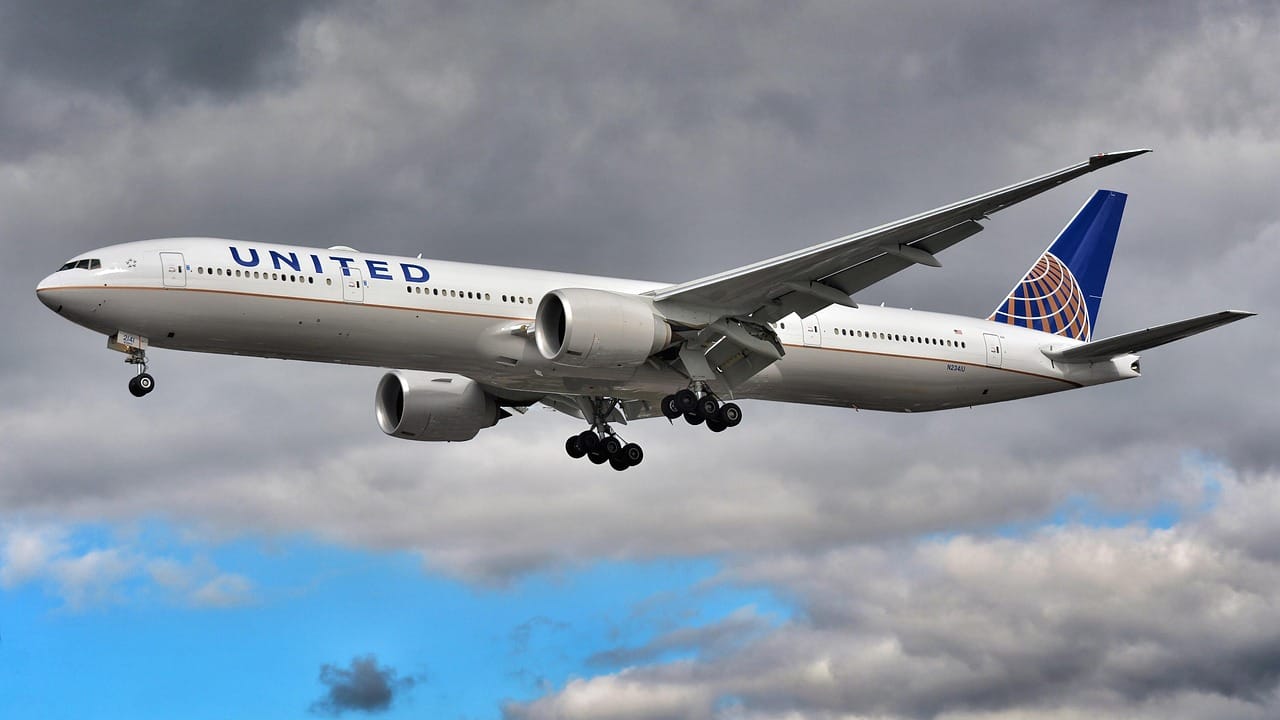
United Airlines wants its rivals’ best customers, and it’s now saying so out loud. On October 2, 2026, United announced a status-match initiative aimed at elite frequent flyers from Delta Air Lines and American Airlines.[1] Industry analyst Henry Harteveldt told CNBC, “This is war, airline style.”[2]
The offer is narrow in time but broad in ambition. It sits on top of a larger push by United into premium cabins, loyalty and onboard technology. Here’s what the campaign involves and why it matters.
What United Is Actually Offering
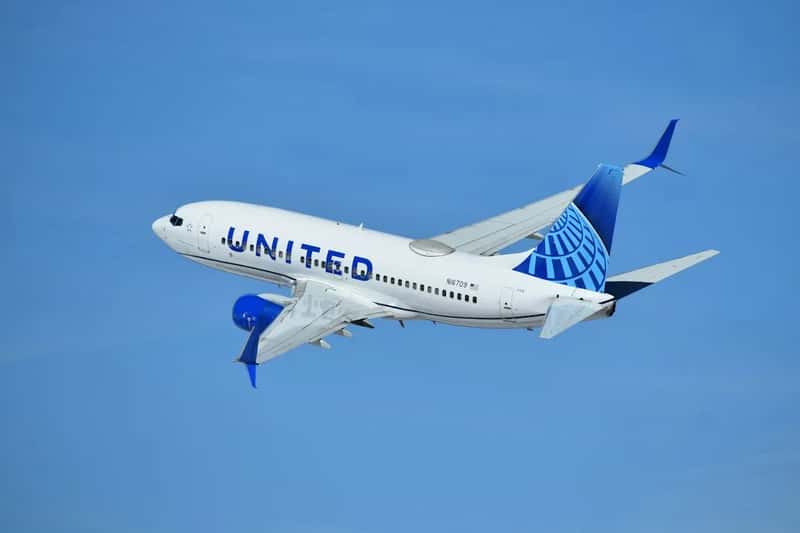
The program is called “Switch to Better Wi-Fi.” It’s open to U.S. residents with current elite status on either rival carrier.[3] Travelers whose tier came through a trial or promotion are excluded.[4] Applications must be submitted by October 15.[3]
Once approved, travelers get United status for 90 days, with the chance to extend it through January 31, 2028, by meeting specific thresholds.[1] Those thresholds are mostly about money. They run from $1,500 for Silver up to $7,000 for 1K.[5] Only spending on United Airlines and United Express counts.[6]
Why Starlink Is the Hook

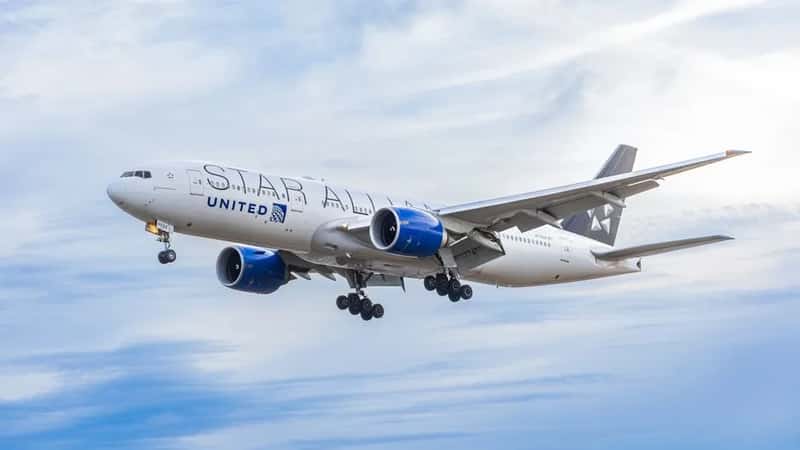
United built the whole pitch around connectivity. The campaign’s web page tells travelers to stop buffering and switch for the fastest Wi-Fi in the sky.[7] United was the first major U.S. airline to announce a Starlink partnership, in 2024, and has been installing it across its fleet since.[8] The service is free for MileagePlus members.[8]
The rollout is well along but not finished. Starlink is on more than 600 United aircraft, and the airline says it aims for 1,000 by year-end.[7] That gap matters for the marketing claim. Coverage isn’t yet universal across United’s aircraft.[2] Customers on planes without Starlink still pay at least $8 per flight for connectivity, according to CNBC.[2]
How Delta and American Are Positioned
Neither rival is standing still on Wi-Fi, but both are behind on timing. Delta chose Amazon Leo, a smaller satellite network not yet tested on commercial flights.[7] A Delta spokesperson noted that the airline already has 1,300 Wi-Fi-equipped aircraft. American plans to install Starlink on about 500 narrowbody aircraft starting in 2027.[7]
Business Traveller describes this as a two-year opening for United.[4] The rivals also have their own loyalty tools. An American spokesperson pointed to a current deal that lets people with status at Southwest, JetBlue, Delta and United shift into AAdvantage tiers for four months.[9] So United isn’t alone in chasing switchers. It’s just the one naming its targets so bluntly.
The Real Prize Is Premium and Corporate Spending
Wi-Fi gets the headline, but the money sits in high-spending travelers. Business Traveller’s analysis says the underlying target is the premium and corporate spending that frequent flyers generate.[10] Such travelers contribute disproportionately to airline revenue through tickets and ancillary services.[1] Winning even a modest number of them could matter more than a flashy Wi-Fi ad suggests.
The $1,500 to $7,000 spend requirements reflect that thinking. A traveler who clears the top bar has committed meaningful revenue to United within three months. CNBC notes the three biggest U.S. airlines are battling for these customers with new seats, lounges and international routes.[11]
United’s Cabin Investments Back Up the Pitch
United has been reshaping its aircraft to chase premium demand. United, Delta, American and others have been revamping cabins as premium revenue growth outpaces standard coach.[12] One example is the Polaris Studio concept on new 787-9s. It offers eight lie-flat, all-aisle-access seats per cabin section, with privacy doors, a companion ottoman and a 27-inch 4K OLED screen.[13]
Narrowbody jets are getting upgrades too. The A321neo “Coastliner” will serve Los Angeles, San Francisco and New York/Newark routes and brings lie-flat Polaris seats to domestic flying for the first time.[14] NerdWallet reports United expects at least 30 of the new 787s by 2027[15], so passengers will wait a while to try them.
What the Financial Results Show
United’s recent numbers explain the confidence. In the second quarter of 2026, premium revenue rose 16% from a year earlier, and loyalty revenue rose 11%.[16] Contracted business revenue climbed 27%.[16] For all of 2025, total operating revenue grew 3.5% to $59.1 billion, the highest in United history.[17]
The picture isn’t free of pressure, though. United expects nearly $6 billion in added fuel expense for full-year 2026 compared with its expectation at the start of the year.[16] The airline says it’s recovering much of that through fares. Aggressive customer acquisition costs money at a time when fuel is already squeezing margins.
Reliability Will Decide Who Stays
A status match can win a trial, but service quality keeps customers. Business Traveller makes the same point, saying lasting movement will depend on schedules, airport access, service, and whether Starlink is available on the flights customers actually book.[4] On that front, the picture is mixed.
An analysis by Aerocorner, using Department of Transportation data, found United’s mainline canceled just 1.13% of flights, the best of the six operations compared.[10] The same review, however, found Delta mishandled 0.37 bags per 100 in the first half of 2026, against 0.69 at United, the worst of nine reporting carriers.[10] Treat that as one independent analysis, but it shows why elites will want to test United rather than simply trust the ads.
Conclusion: A Loud Offer With a Quiet Test Behind It
United’s campaign is unusually direct, built on a real Wi-Fi advantage, heavy premium investment and strong recent revenue growth. Still, it’s a 90-day trial with spending strings, and Starlink isn’t on every plane yet. Delta and American have their own tools and, in Delta’s case, a sizable existing Wi-Fi fleet.
The offer closes October 15, but the real verdict will come later. It’ll arrive when elite flyers decide whether United’s network and service earn their loyalty once the free trial ends.