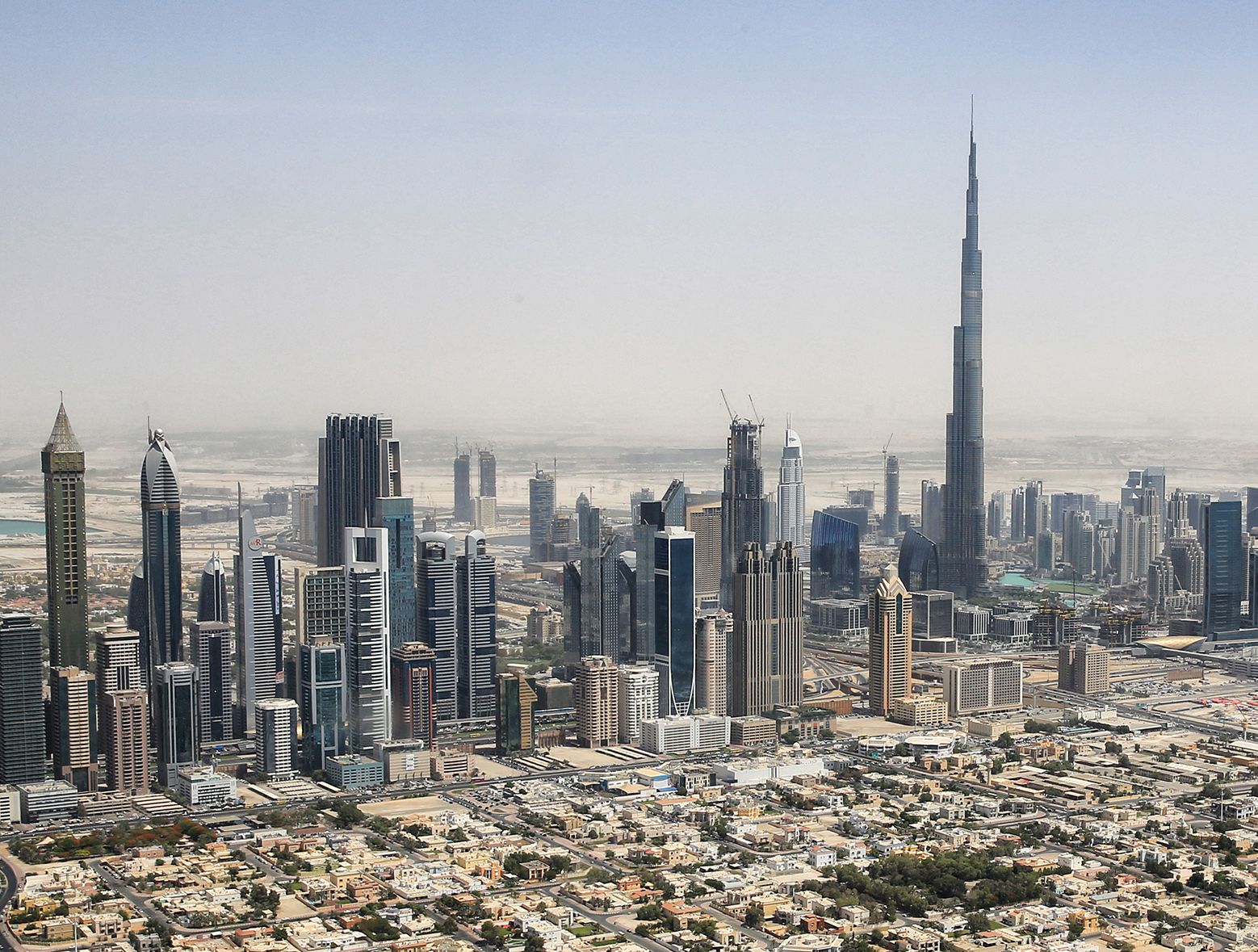
Few trade shows reflect the mood of a region as clearly as the Arabian Travel Market. The 33rd edition ran from 14 to 17 September 2026 at Dubai World Trade Centre. It took place under the theme “Travel 2040: Driving New Frontiers Through Innovation and Technology.”[1]
This year the show mattered for more than its usual reasons. The Gulf is posting strong tourism numbers, and it is also working to rebuild confidence after a long stretch of regional disruption. This article looks at what the data says and how the market fits into that story.
A Rescheduled Show in a Tougher Year
ATM 2026 did not follow its original calendar. The event was first moved from its May 4 to 7 slot to August 17 to 20, amid disruption linked to regional uncertainty.[2] On 21 May 2026, RX announced the final dates of 14 to 17 September, following consultation with exhibitors and industry stakeholders.[3]
The backdrop was serious. Gulf News described a regional travel industry emerging from nearly seven months of war and disruption, with ATM offering one of its first major chances to bring everyone back into the same room.[4] That context shaped the tone of the show, which focused on rebuilding trust as much as on closing deals.
The Gulf Tourism Numbers Behind the Headlines
The Gulf arrived at the show with solid 2025 figures. GCC-Stat reported that inbound tourism to GCC countries reached about 75.7 million visitors in 2025, up 4.9 percent from 2024.[5] Visitor spending came to about US$131.9 billion, and the sector’s total economic contribution reached about US$254.7 billion.[6]
Revenue grew faster than arrivals, which is a useful signal. Tourism revenues climbed 9.7 percent, and the faster pace suggests each visitor is generating more economic value.[7] The GCC holds about 5 percent of international tourism traffic but 6.9 percent of global tourism revenues.[6]
Dubai’s Record Run as Host City
Dubai is both the venue and a major case study. The Dubai Department of Economy and Tourism says the emirate hosted 19.59 million international overnight visitors in 2025, up 5 percent from 2024 and the highest annual total ever recorded.[8] December 2025 was one of the strongest months in nearly two decades, with hotel occupancy above 84 percent.[8]
That strength explains why the emirate keeps investing in the show. At ATM 2026, the Dubai Department of Economy and Tourism took part with more than 115 co-exhibitors from the emirate’s public and private sectors.[1] Hotels, tour operators and destination management companies were all represented, which gave buyers a broad view of what the city offers.
Saudi Arabia’s Expanding Presence
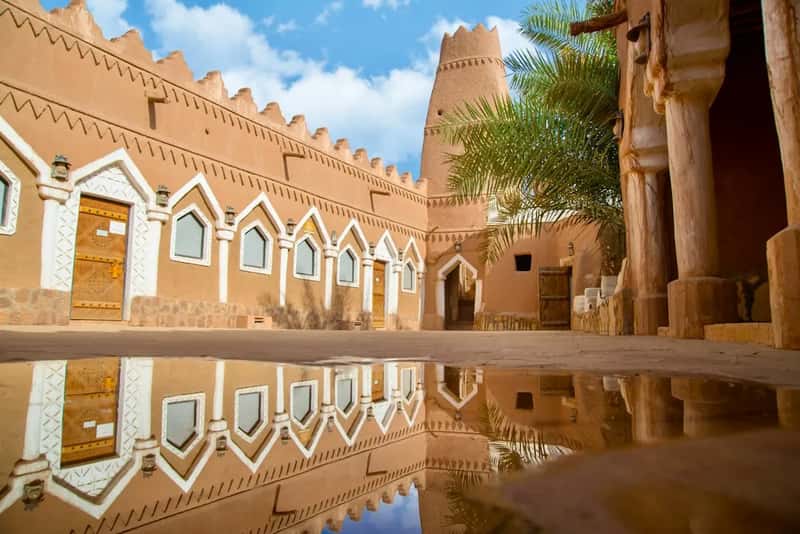
Saudi Arabia is the Gulf’s biggest tourism market by volume. The kingdom received about 30 million international tourists in 2025, nearly 40 percent of all visitors to GCC countries.[9] A separate analysis put the 2025 figure at 29.3 million, so it’s worth treating the number as roughly 30 million rather than a precise count.
The kingdom has also been widening its pitch at ATM. At the 2025 edition, Saudi exhibitors increased by 16 percent, and the Saudi Land Hall highlighted destinations, new airline routes, cruise developments and giga-projects.[10] First-time exhibitors that year included flyadeal, Riyadh Air, Aseer and the Diriyah Company.[10] The mix points beyond pilgrimage travel toward heritage, mountain and urban experiences.
Gulf-to-Gulf Travel Is Gaining Ground
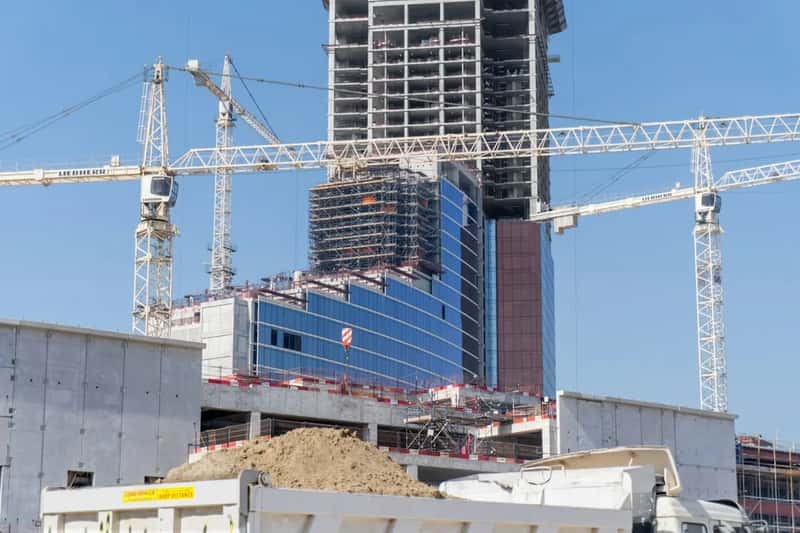
Regional travelers are becoming a pillar of the industry. More than 20 million tourists travelled between GCC countries in 2025, a 3.6 percent increase on the previous year.[5] Saudi Arabia alone welcomed about 3.2 million tourists from other GCC countries in the first half of 2026.[9]
The pattern shows up in individual markets too. Dubai received 2.99 million GCC visitors in 2025, and the GCC remained Qatar’s largest source market at 35 percent.[11] A significant part of the industry’s expansion is coming from travellers within the region.[7] That makes Gulf neighbors both customers and partners.
Technology and the Travel 2040 Agenda

Technology has become a headline feature of ATM. Reports ahead of the 2026 show said the ATM Travel Tech segment would span two halls, with roughly 180 exhibitors from 30 countries.[12] More than 210 speakers were scheduled to address the pressures and opportunities shaping the industry.[13]
The theme matches a wider Gulf push. GCC-Stat’s World Tourism Day bulletin, titled “Gulf Tourism in the Era of Smart Transformation,” highlighted the growing role of digital technologies and artificial intelligence.[5] In 2025, the Travel Tech segment grew by over 26 percent and introduced a Start-Up and Innovation Zone featuring 21 emerging ventures.[14] Tech is clearly more than a side attraction.
Asia and the Wider World Look to the Gulf
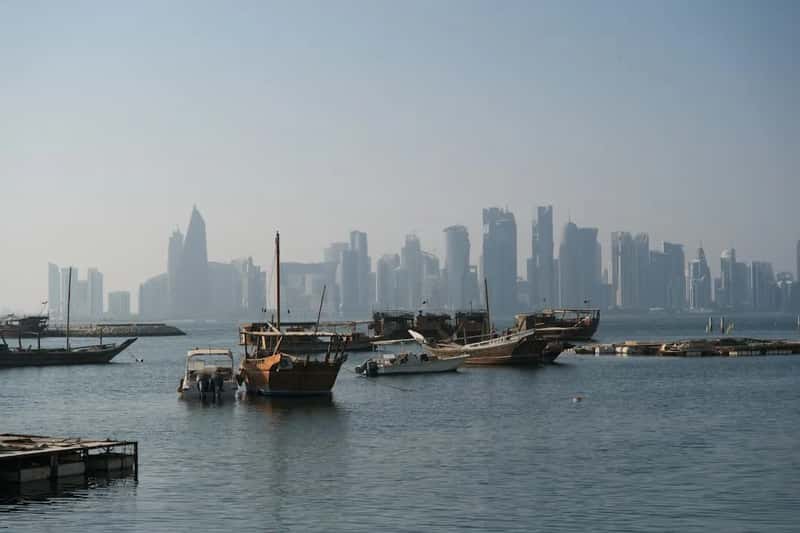
The Gulf’s appeal depends on visitors from elsewhere, and ATM reflects that. At the 2025 edition, 81 percent of participants came from outside the Middle East.[14] Asia posted the strongest regional growth that year at 20 percent, driven by improved connectivity.[14]
That focus carried into 2026. Confirmed tourism boards included Thailand, Hong Kong, Cambodia, Sri Lanka, South Korea, Indonesia, Brunei and the Maldives.[1] The Asian presence reflects the rising importance of travel between the Gulf and Asia.[1] Gulf destinations are chasing fast-growing outbound markets, and Asian destinations want Gulf travelers in return.
Competition and Open Questions
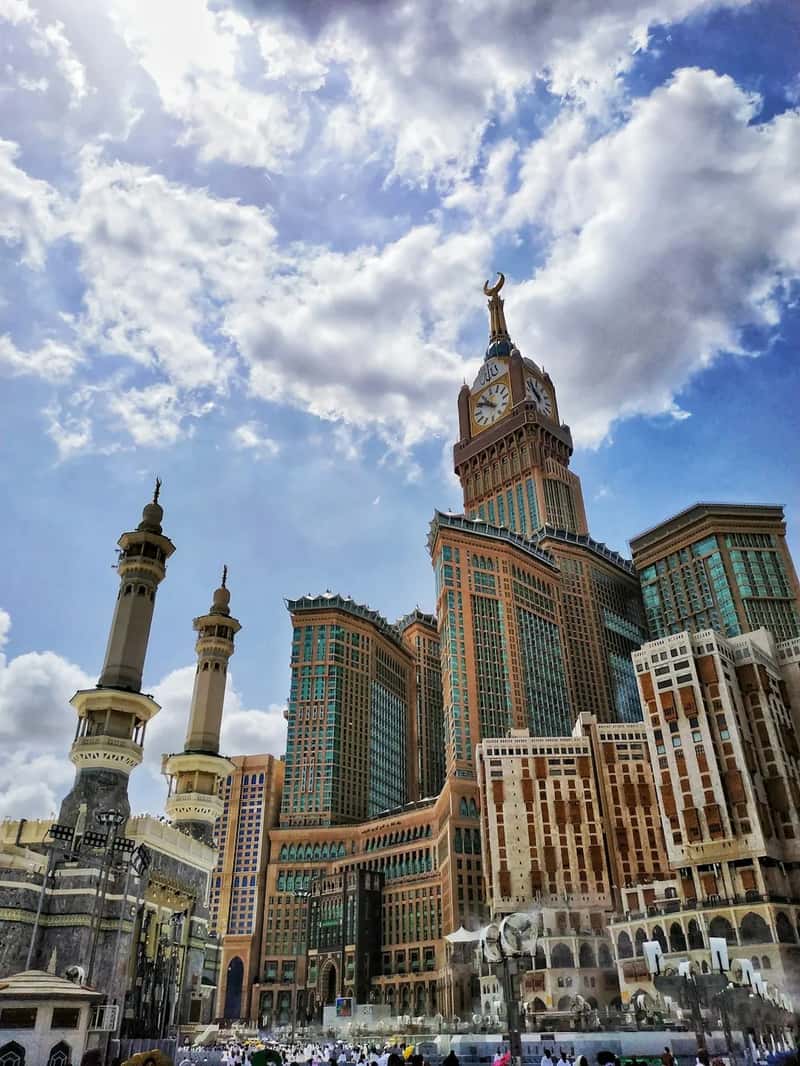
The Gulf’s trade-show map is getting busier. WTM Spotlight Saudi Arabia was scheduled in Riyadh from September 29 to October 1, less than two weeks after ATM.[15] One industry commentary argued that this raises the question of whether competition from Saudi Arabia and other global marketplaces will change the Middle East exhibition map.
Scale is another open point, and the available numbers don’t line up. Pre-event materials repeated the 2025 benchmark of more than 55,000 attendees and 2,800 exhibitors. One report on opening day, however, referred to about 1,400 exhibitors.[1] I haven’t found a consolidated official 2026 attendance total, so comparisons with 2025 should wait for organizers’ final results.
Conclusion
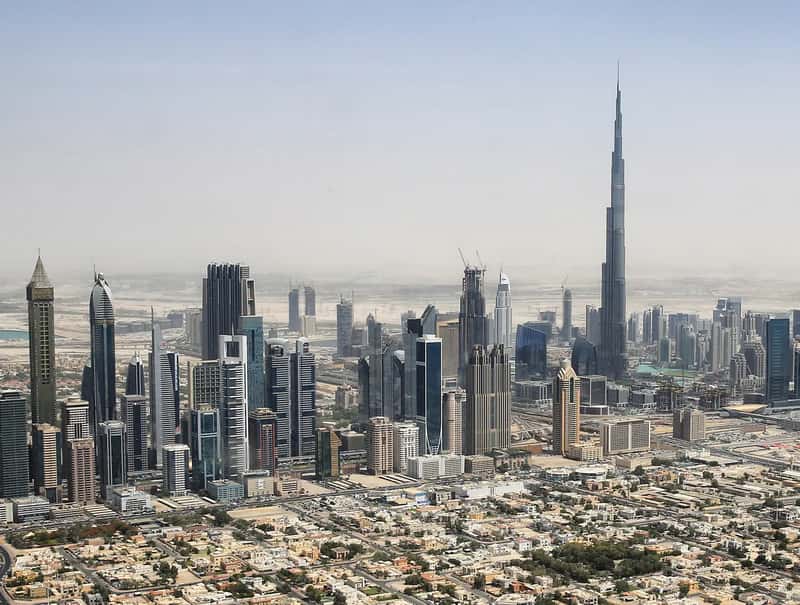
The Gulf’s tourism case rests on solid evidence. Arrivals reached roughly 75.7 million in 2025, spending grew faster than visitor numbers, and travel between Gulf states keeps rising. Dubai and Saudi Arabia are both investing in how they present themselves to the world.
ATM 2026 was less about celebrating records than about proving that business can resume at pace. Whether the final figures match 2025 remains to be confirmed. What is already clear is that when the Gulf’s travel industry wants to show the world it’s open, this is where it gathers.