

The journey of marrying someone from another country and relocating across the world creates a tapestry of emotions, challenges, and triumphs that few experiences can match. Moving to America through marriage brings unique struggles that extend far beyond paperwork and visa applications. While the ultimate destination might be happiness and fulfilment, the path often winds through unexpected territories of cultural confusion, loneliness, and identity questions.
The Reality of Immigration Through Marriage
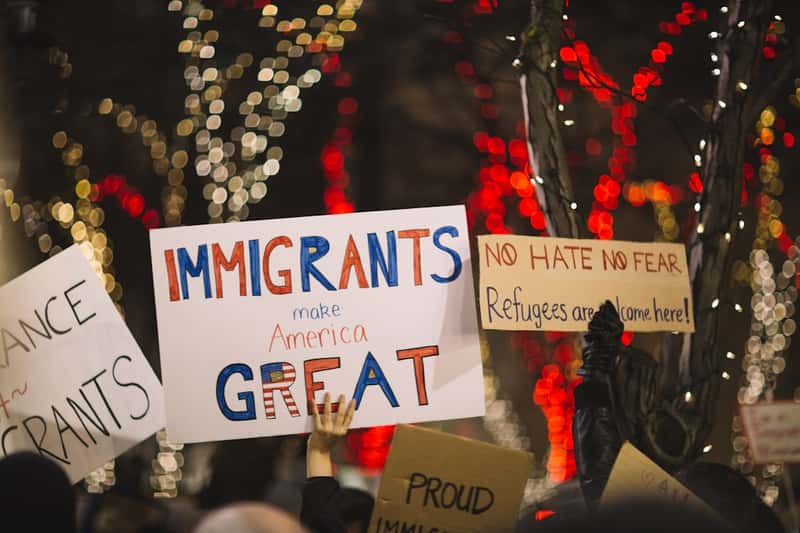
About 14-16% of Americans marry someone from outside the United States, with significant numbers coming from Mexico, the Philippines, India, China, Canada, Germany, and the United Kingdom. Research indicates that foreign-born individuals generally show higher marriage stability rates compared to native-born Americans, suggesting immigrant families demonstrate remarkable stability despite facing unique stresses. The strength of these unions often develops through shared challenges rather than despite them.
Navigating the Complex Visa Process

Marriage green card processing times range from 11 to 52 months, depending on whether the foreign spouse lives inside or outside the United States and whether the American spouse holds citizenship or permanent residency. For spouses of U.S. citizens, the timeline can stretch from less than six months to nearly three years, while spouses of permanent residents typically wait one to two years. The entire process for spouses living abroad can take anywhere from 13 to 16 months, though spouses of green card holders face significantly longer waits of two and a half to three years. These extended timelines test even the strongest relationships, creating uncertainty during what should be an exciting beginning.
The Shock of Cultural Adjustment
Moving to the U.S. triggers an adjustment period called “culture shock,” where everything from weather and landscape to food, fashion, values, and customs feels unfamiliar. The process of cultural adaptation proves mentally and emotionally taxing, with many immigrants experiencing culture shock that involves frustration, homesickness, and isolation when adjusting to their new environment. Individuals who migrate experience multiple stresses that impact their mental well-being, including loss of cultural norms, religious customs, and social support systems, along with changes in identity and concept of self. Even simple daily activities like grocery shopping or understanding workplace dynamics can feel overwhelming during those first months.
Language Barriers and Communication Struggles

One of the most significant cultural challenges for immigrants moving to the United States involves language barriers, as English is widely used in business, education, and daily life. Taking language courses or practising with native speakers helps immigrants feel more comfortable communicating, with many communities offering free English as a Second Language (ESL) classes that also provide opportunities to meet other immigrants. Linguistic competence serves as a determining factor that eventually prompts individuals to leave their non-dominant cultural group and venture into the dominant culture. The frustration of being unable to express complex thoughts or emotions in your second language can feel isolating, especially during emotionally charged conversations with your spouse.
Identity Crisis and Cultural Preservation

A significant challenge facing immigrants involves raising children in a foreign culture, as this new dynamic often conflicts with native culture and beliefs, becoming a source of contention for many families. Attitudes toward food preparation, religious taboos, and leisure activities including music, movies, sports, and literature serve as important components that allow individuals to feel part of their culture while living in a place with different customs. Social and cultural qualities and attitudes typically prove most resistant to change and are usually the last to adjust during acculturation. Maintaining connections to your homeland while embracing American culture requires careful balance, often leaving you feeling caught between two worlds.
Building New Social Networks
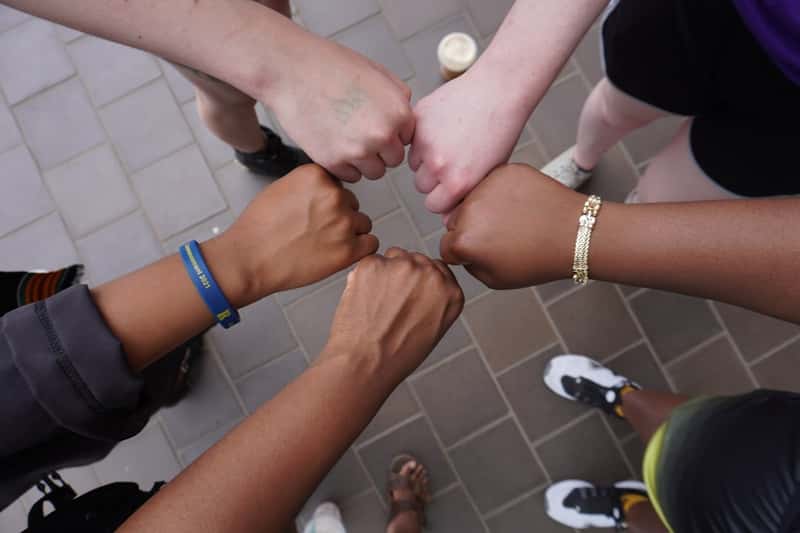
Social adjustment and the prevalence of mental illness in migrants may be influenced by duration of relocation, similarity between cultures, language barriers, social support systems, acceptance by the majority culture, and access to expatriate communities. An increase in ethnic density may improve social support and adjustment for some individuals who have migrated, yet increase distress in others, particularly if cultural conflict exists between the individual and their culture of origin. One of the biggest obstacles immigrant parents report involves raising children in a new, unfamiliar culture, as children quickly become “Americanized,” which may conflict with their parents’ own cultural values. Creating meaningful friendships while maintaining cultural authenticity becomes an ongoing challenge that many immigrants face.
Mental Health and Emotional Well-being

Multiple studies on the psychological well-being of immigrant populations confirm vulnerability to major mental health issues including depression, anxiety, and posttraumatic stress disorder. Mental health concerns prove serious, as many immigrants flee countries experiencing turmoil, violence, and war, often having experienced trauma firsthand, yet they frequently remain unaware or afraid to seek help due to cultural taboos surrounding mental health. Access to mental healthcare presents challenges for migrants due to various reasons including language barriers and negative attitudes toward them. The stigma surrounding mental health treatment in many cultures can prevent immigrants from seeking the support they desperately need during this vulnerable transition period.
Finding Happiness and Belonging
As time passes, immigrants become better able to enjoy their new surroundings, becoming more relaxed, regaining self-confidence, and learning to enjoy life in the United States. Misunderstandings and mistakes that would have become major obstacles in earlier phases of cultural adjustment become more easily understood and resolved. Adapting to life in the United States proves challenging, but with patience, support, and the right mindset, a successful transition becomes possible through learning the language, embracing new customs, staying connected to roots, and building strong support networks. The journey from confusion to comfort happens gradually, often measured not in dramatic moments but in small daily victories like understanding a joke or feeling confident enough to voice your opinion in a meeting.
Looking back, the difficulties of those early years feel like necessary growing pains rather than insurmountable obstacles. The cultural confusion that once felt overwhelming now enriches daily life with a broader perspective. While the process tested patience, relationships, and resilience in ways nothing else could, it ultimately created a stronger sense of self and a deeper appreciation for both cultures. The struggle to build a new life in America while honouring your heritage creates a unique identity that bridges two worlds.
What surprised you most about your own journey to a new country? Share your experiences in the comments below.