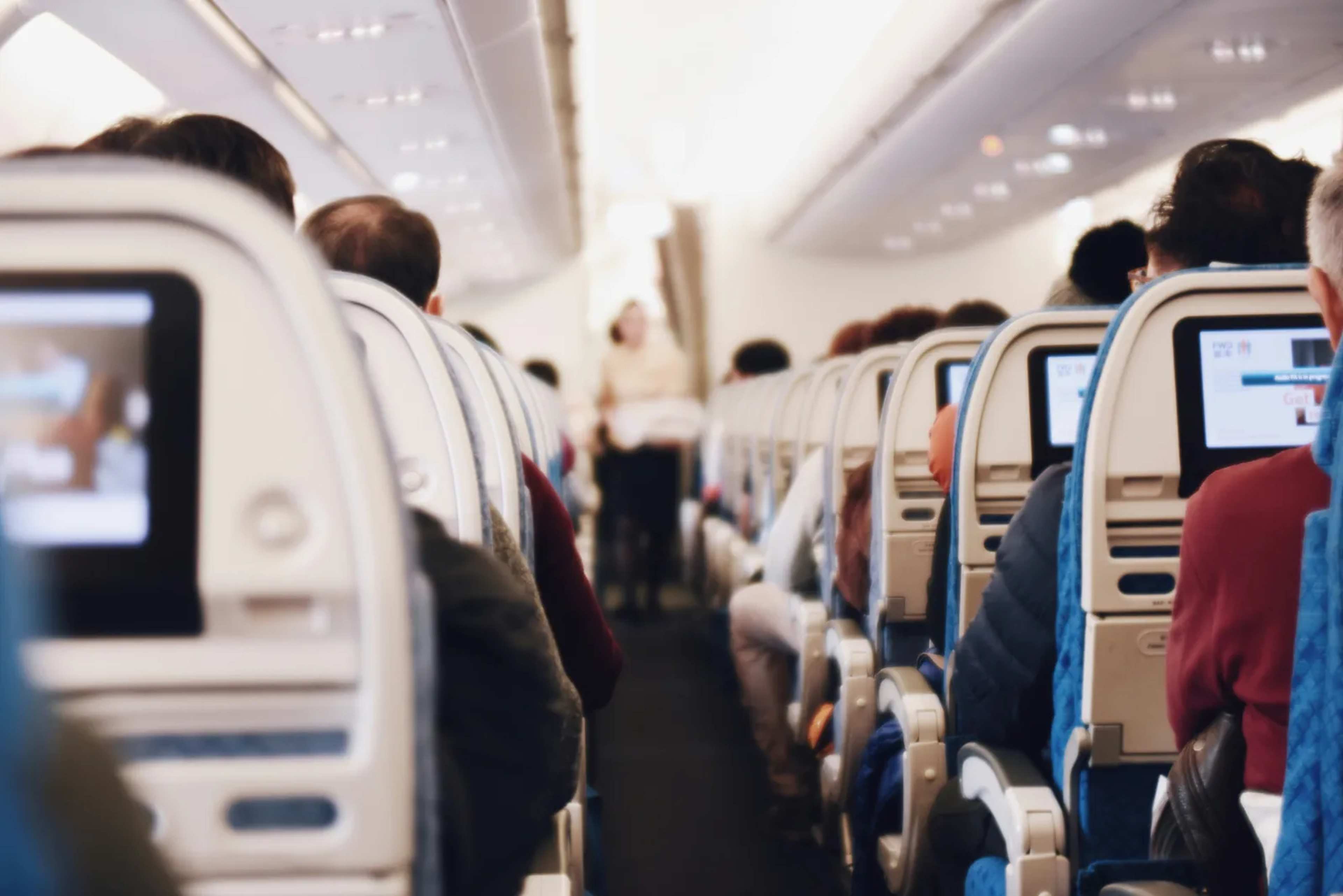
Five years ago I packed two suitcases, sold most of what I owned, and boarded a one-way flight without a job lined up, without a lease signed, and without anything resembling a five-year plan. I told myself it was temporary, maybe six months to “figure things out.” Instead, it became the decision that quietly rearranged everything about how I live, work, and think about home.
This isn’t a story about having it all figured out. It’s a story about what actually happens when you leap first and build the plan on the way down, and how that messy process eventually settles into something that looks, from the outside, like a real life.
The Leap I Didn’t Plan For

There wasn’t a single dramatic reason I left. It was more a slow accumulation of restlessness, a job that paid the bills but drained the color out of my weeks, and a nagging sense that I was optimizing for a version of stability I didn’t actually want yet. I didn’t have savings mapped out for two years abroad or a spreadsheet of visa requirements. I had a plane ticket and a stubborn refusal to keep postponing the decision.
Looking back, I wasn’t as alone in that impulse as I felt at the time. The population of people working remotely while living abroad has exploded over the past several years, and it’s not a fringe lifestyle anymore. In 2026, an estimated 43 million people work remotely while living across multiple countries throughout the year, and the digital nomad economy has evolved from a niche lifestyle into a major segment of the global workforce. I just happened to jump into that wave right as it was cresting.
The First Six Months: Chaos, Paperwork, and Culture Shock

The first few months were less “adventure montage” and more “logistical scramble.” I underestimated everything, from how long it takes to open a local bank account to how exhausting it is to grocery shop in a language you barely speak. I remember standing in a pharmacy trying to mime a headache and walking out with the wrong medication entirely. It was humbling in a way that no travel blog had prepared me for.
Culture shock didn’t hit all at once. It came in waves, usually triggered by small things like the pace of bureaucracy or the different unspoken rules around punctuality and personal space. I spent a lot of that first stretch feeling like a guest who had overstayed a welcome nobody had actually extended, which is a strange, lonely feeling even when everyone around you is perfectly kind.
Finding Work Without a Career Plan

I left without a remote job secured, which in retrospect was the riskiest part of the whole decision. I cobbled together freelance writing gigs, some consulting work from a previous employer who was willing to keep me on contract, and eventually a more stable remote role that let me work across time zones. It took roughly a year before my income felt predictable again.
The income side of this lifestyle tends to surprise people who assume it means scraping by. Digital nomad income spans a wide range, with the majority earning between fifty thousand and two hundred fifty thousand dollars, about thirty-four percent earning between fifty thousand and one hundred thousand dollars, and the average reported income across various surveys sitting around one hundred twenty-four thousand dollars per year. My own numbers were nowhere near the top of that range in year one, but they’ve climbed steadily as I’ve built a client base and reputation that didn’t exist when I first landed.
The Visa Maze: How I Finally Became Legal
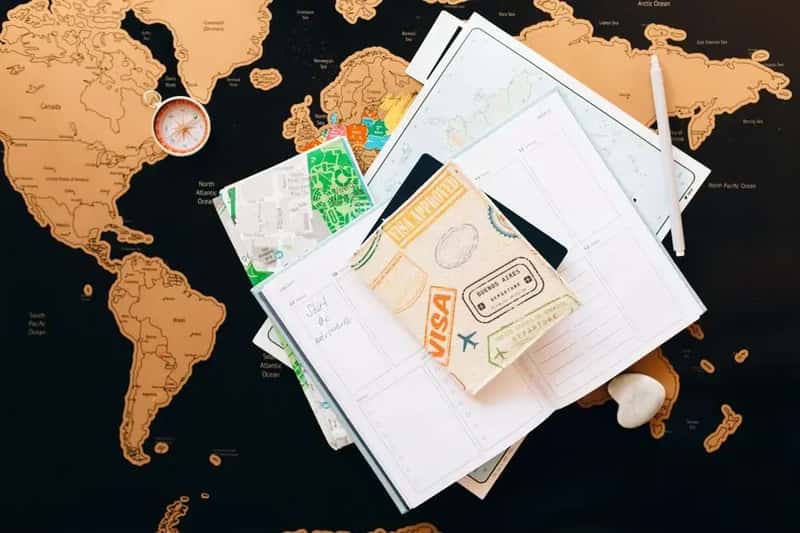
Nothing forced me to grow up faster than immigration paperwork. My first year abroad, I was technically on a tourist visa, doing visa runs and hoping nobody asked too many questions. It wasn’t sustainable, and it wasn’t smart, but at the time, dedicated remote-work visas were far less common than they are today.
The landscape has changed dramatically since then. More than 50 countries offer dedicated remote-work residence visas as of 2025, and some trackers put the number even higher when broader remote-worker residency programs are included. Around 60 countries now offer digital nomad visas or remote-worker residency programmes as of 2026. Eventually I applied for a proper long-stay visa in the country where I’d settled, and the relief of finally being “legal” on paper was bigger than I expected. It changed how I felt about staying, not just visiting.
Building a Life From Scratch: Home, Routine, Community

Somewhere around year two, the novelty wore off and the actual work of building a life began. That meant finding a regular grocery store, a barber who didn’t need Google Translate, a gym, a rhythm to my weeks that didn’t revolve around sightseeing. It sounds mundane, and it is, but that mundanity was exactly what I’d been craving without realizing it.
Routine abroad looks different from routine at home, mostly because everything takes longer to establish. I had to relearn how bills get paid, how appointments get booked, how neighbors expect to be greeted. None of it was hard exactly, but all of it demanded patience I didn’t know I had until I was forced to find it.
The Money Question: Cheaper Living, Different Costs

People assume moving abroad automatically means a cheaper life, and sometimes that’s true, but it’s rarely as simple as the headlines suggest. Housing and groceries were noticeably less expensive than back home, but health insurance, flights back to see family, and the occasional bureaucratic fee added up in ways I hadn’t budgeted for early on.
The affordability gap does show up clearly in some destinations. Some cost comparisons find housing, food, and daily essentials in certain popular relocation destinations running roughly fifteen to twenty-five percent less than cities such as London or Paris. That gap gave me breathing room I didn’t have at home, but it didn’t erase the need for real budgeting. If anything, living abroad taught me to track my spending more carefully than I ever had while employed full-time in a single currency and a single tax system.
Loneliness, Language, and the Friends I Didn’t Expect

The hardest part of this whole experience has never been logistics. It’s been loneliness, the specific kind that creeps in when you’re surrounded by people but don’t yet share a language or a history with any of them. There were stretches in my first two years where I felt more isolated than I ever had living alone back home.
What eventually broke through that isolation wasn’t a grand gesture, just repetition. Showing up at the same coworking space, the same coffee shop, the same weekly meetup for other transplants slowly turned strangers into familiar faces and familiar faces into real friends. Some of the closest relationships I have now started as small talk with people who, like me, had shown up somewhere new without a plan either.
Five Years In: What “Home” Means Now

Five years is long enough that “abroad” doesn’t feel like the right word anymore. This is just where I live. I have a lease, a favorite bakery, a doctor who knows my medical history, and a group of friends I’d genuinely miss if I left. None of that existed when I arrived with two suitcases and a vague sense of hope.
What surprises me most is how normal it all feels now. The version of me who boarded that first flight would probably be relieved, and a little amused, to see how ordinary this extraordinary decision eventually became. Home, it turns out, wasn’t a place I left behind. It was something I had to build again, slowly, in a country that wasn’t originally mine.
Lessons for Anyone Thinking About Leaping Without a Map

If you’re considering something similar, I won’t pretend it’s risk-free or universally wise. It cost me stability, savings, and comfort for longer than I expected. Still, it also gave me a version of independence and perspective that I don’t think I would have found by staying put and waiting for the “right” plan to reveal itself.
My honest advice is less about following my exact path and more about building your own tolerance for uncertainty before you go. Have some savings, understand the visa realities of wherever you’re headed, and accept that the first year will likely be harder than any blog post makes it sound. The plan doesn’t have to exist before you leave. Sometimes it only shows up after you’ve already committed to figuring it out.