

For years, the plan felt ironclad. Escape the cold, find a sunny community, maybe learn to golf. Arizona checked every box on paper – warm winters, active adult neighborhoods, a lower cost of living than California. Millions of people have made exactly that move, and plenty of them love it. So what changed my mind? Honestly, the numbers did. And once I started digging into the alternatives, one state kept rising to the top of every list in ways I genuinely hadn’t expected.
The state that stole my heart is Tennessee – and before you picture nothing but honky-tonk bars, hear me out. The Volunteer State has quietly assembled one of the most compelling retirement packages in the country, blending low taxes, four-season living, affordability, and a quality of life that Arizona’s scorching summers simply cannot match for everyone. Here’s why the comparison surprised me, and why Tennessee might surprise you too.
Why Arizona Was Always the Dream

Arizona has long been known for its breathtaking landscapes and warm climate, offering retirees a balance of affordability, tax advantages, and opportunities for an active lifestyle. That reputation is well-earned. Arizona has become an increasingly attractive option for retirees, with nearly 19% of its population aged 65 or older – above the national average. Those are not small numbers, and the infrastructure built around that demographic is impressive.
In 2024, Arizona was one of the top states where people 60 and older moved to, according to SmartAsset, with a net inflow of 23,515 individuals. The state offers hundreds of sunny days each year, no tax on Social Security, low tax rates for other retirement income, many 55+ developments including Sun City and Sun City West, lower cost of living and housing outside of cities, and strong healthcare options in major metro areas including Mayo Clinic Phoenix. It’s a powerful lineup, and it drew me in for years.
The Cracks in Arizona’s Retirement Case

Arizona’s desert climate means hot, dry summers – and in some areas, dangerously so. In a city like Phoenix, summer temperatures average 105°F, with heat warnings common between June and September. For retirees who enjoy the outdoors, these high temperatures can limit daily activities for several months of the year. That’s a significant chunk of the year to spend indoors, especially if outdoor living was part of the retirement vision.
Like many parts of the country, Arizona has seen rising home prices, especially in popular areas like Scottsdale, Sedona, and parts of Phoenix. As of 2026, the median home price in Scottsdale sits around $900,000. Ongoing drought issues also create long-term concerns about the future, and most areas are heavily car dependent. Add the fact that in Phoenix, temperatures exceeded 100 degrees on 113 days in the summer of 2025, and the dream starts to feel a little less golden.
Tennessee’s Tax Advantages Are Remarkably Strong

Tennessee’s tax structure is among the most retiree-friendly in the country. There’s no state income tax, so your Social Security benefits and retirement income will be untouched, and low property taxes can help you stretch your savings even further. This is not a minor detail – it is a foundational advantage for anyone living on a fixed income in retirement.
Tennessee is tax-friendly for retirees in large part because they don’t levy any kind of state income tax. This means that your Social Security and private or public pension income is tax-free, as are withdrawals from retirement accounts like 401(k)s or IRAs. Property taxes in Tennessee are notably low, boasting an average effective rate of just 0.48%. Compared to Arizona, which taxes most other forms of retirement income such as distributions from 401(k)s and IRAs, the Tennessee advantage for many retirees is genuinely meaningful.
The Cost of Living Comparison Is Eye-Opening

Tennessee has one of the lowest costs of living in the United States, at 10% below the national average. Everyday expenses such as utilities and groceries are budget-friendly, and housing is affordable, with options ranging from suburban homes to retirement communities priced below the national average. That gap compounds year over year, which matters enormously when you’re drawing down savings rather than adding to them.
The Motley Fool’s analysis ranked Tennessee, Kansas, South Dakota, Missouri, and Oklahoma as the most affordable states for retirees based on overall cost of living scores. The median home value in Tennessee as of September 2025 was $334,133 – a figure that falls under national averages. Compare that to Scottsdale’s median near $900,000, and the financial case for Tennessee becomes very difficult to argue against.
Four Seasons Without the Extremes

One of the best things about retiring in Tennessee is its climate. You’ll get mild winters while still enjoying all four seasons. There are also plenty of lakes, mountains, and historical landmarks to keep you busy. This is a genuine lifestyle difference. In Arizona, outdoor life comes with an asterisk from June through September. In Tennessee, the calendar stays open nearly year-round.
Tennessee combines low living costs with a rich cultural heritage, making it an attractive option for retirees. From the music-filled streets of Nashville to the scenic beauty of the Great Smoky Mountains, this state has it all. The Great Smoky Mountains National Park is one of the most visited national parks in the country, and for retirees who crave nature without punishing heat, it represents an entirely different kind of outdoor freedom than Arizona’s desert landscapes.
Healthcare Access That Holds Its Own

Facilities in Tennessee’s major cities, like Nashville and Chattanooga, are well-regarded for their care for older adults. Healthcare quality in major metros is a critical factor for retirees, and Tennessee’s urban centers deliver solid options. Nashville in particular has grown into a genuine medical hub, drawing specialists and institutions that have strengthened the regional care network considerably over the past decade.
Arizona does hold a strong healthcare card with renowned facilities such as the Mayo Clinic in Phoenix, so this category is genuinely competitive. Still, Tennessee is ranked as the 9th lowest cost of living in the US, making it one of the most affordable places to live, and lower overall costs extend to out-of-pocket healthcare expenses as well. When healthcare costs are considered alongside housing and taxes, Tennessee’s total retirement budget often comes out ahead.
What North Carolina Taught Me About Regional Alternatives

Tennessee wasn’t the only state that surprised me during my research. North Carolina also emerged as a serious contender worth understanding. North Carolina is emerging as a top retirement destination due to its moderate climate, scenic beauty, and affordable cost of living. Cities like Asheville and Wilmington are particularly attractive, offering a mix of cultural amenities, outdoor activities, and healthcare facilities.
Retirement in North Carolina is advantageous for taxes: Social Security benefits are exempt from state income tax, the state has no estate or inheritance tax, and the flat income tax rate is slated to decrease to 3.99% by 2026. The cost of living index in North Carolina sits at 93.6 versus the U.S. average of 100, meaning everyday expenses run a bit below the national norm. It’s a strong runner-up to Tennessee, particularly for those who want coastal access.
The Delaware Dark Horse Worth Knowing About
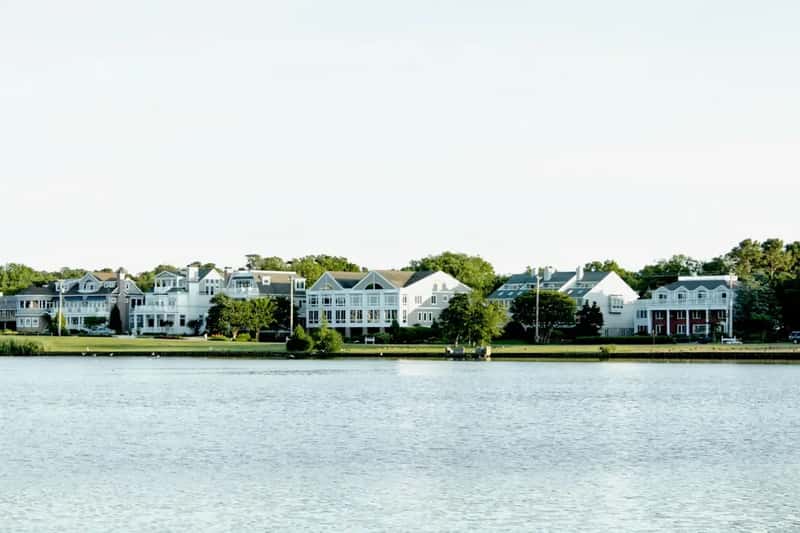
If Tennessee is the clear frontrunner and North Carolina is the scenic runner-up, Delaware deserves at least a mention as the quiet overachiever that most people dismiss out of hand. Delaware may be small in size, but it offers big advantages for retirees. With its favorable tax policies, serene environment, and proximity to major metropolitan areas, Delaware is a hidden gem for those looking to enjoy their golden years.
Delaware is consistently ranked as one of the most tax-friendly states for retirees, thanks to no state or local sales tax, tax exemptions that allow residents over 60 to exclude up to $12,500 of investment and qualified pension income from state taxes, and no estate or inheritance taxes. For retirees who want mid-Atlantic access to Philadelphia, Washington D.C., and the beaches of the Delaware shore, this compact state punches well above its weight.
So What Finally Made the Decision Clear?

The tipping point wasn’t one single factor. It was the cumulative weight of everything stacked together – taxes, climate livability across all twelve months, housing costs, and the day-to-day budget breathing room that comes with living somewhere genuinely affordable. Tennessee is a tax-friendly state for retirees, imposing no income tax and making all forms of retirement income exempt from state taxation, including Social Security benefits and income from retirement accounts. That alone changes the math for most retirement budgets.
Arizona is a wonderful state, and for millions of retirees it remains the right choice. It brings together warm weather, desert scenery, and a slower pace that appeals to many retirees, with cities and small towns offering their own mix of comfort, outdoor space, and community. But if you’ve spent years assuming Arizona is the default answer, it’s worth pausing to ask whether that assumption was ever really stress-tested. Tennessee was hiding in plain sight, and it turned out to be exactly what I was looking for – without the triple-digit summer thermometer and the unexpectedly steep Scottsdale price tag.