I had the spreadsheet ready. Flights to Puerto Vallarta bookmarked, a folder of Facebook groups for Lake Chapala expats, even a rough budget scratched out on the back of an envelope. Mexico seemed like the default answer for anyone tired of paying American healthcare premiums and wanting warm weather without draining a lifetime of savings. Then I started digging into the fine print, and a much smaller country I’d barely thought about kept turning up in the same conversations, usually described in ways that made Mexico sound complicated by comparison.
What follows isn’t a case against Mexico. It’s simply the record of how one retirement plan shifted once the numbers, the safety data, and the day to day logistics got compared side by side.
Why Mexico seemed like the obvious choice
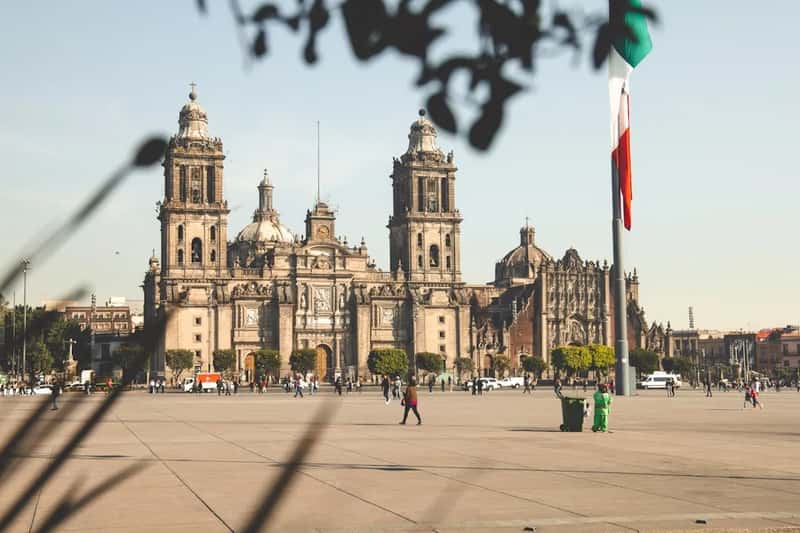
Mexico’s appeal is not imagined. The country has long been one of the most popular retirement destinations in the world, and housing, food, transportation, and daily services are typically 40 to 50 percent lower than in the U.S., allowing retirees to enjoy a comfortable lifestyle on a modest budget. There’s also a built in support system, with an existing network of Americans already settled in places like San Miguel de Allende or the Yucatán.
The friction started when I looked at the residency requirements more closely. As of 2026, the Temporary Resident visa now requires proof of about $4,400 a month in income, a threshold that rose sharply in late 2025, catching a lot of people who had researched Mexico even a year earlier off guard. Permanent residency asks for even more, with some guides citing a monthly income of about $7,500 USD or roughly $300,000 in savings to qualify.
A country smaller than most people can find on a map
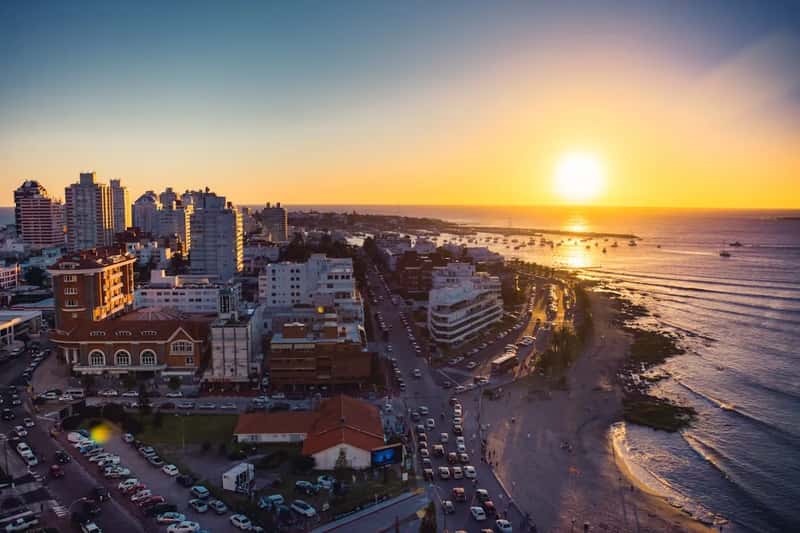
Uruguay sits between Argentina and Brazil, wedged along the Río de la Plata, and it rarely makes anyone’s first list of retirement destinations. That’s part of what makes it interesting. It is, by land area, the second smallest country in South America, with a population that barely tops three and a half million people, roughly the size of a mid tier American metro area spread across an entire nation.
What struck me first wasn’t the size but the tone of the country. People kept describing it not as an undiscovered bargain but as a stable, quietly functional place, the kind of country where infrastructure works and bureaucracy, while slow, is predictable. It doesn’t have Mexico’s beach resort marketing machine, and that seems to be exactly the point for the retirees who end up there.
The safety difference that changed the calculation

Safety was the category where the comparison stopped being close. Mexico ranks 135th out of 163 countries on the 2025 Global Peace Index, and even in expat friendly Mexico City, safety perception actually worsened nationally from 61.7 percent in December 2024 to 63.8 percent in December 2025. That doesn’t mean daily life is dangerous everywhere, but it does mean the anxiety is measurable and trending in the wrong direction.
Uruguay tells a different story. It is widely cited as the safest country in South America and the second safest in all of Latin America, just behind Costa Rica, and more recent tracking shows national homicides edged down 1.6 percent in the first half of 2025. For a retiree thinking about walking to dinner after dark without a second thought, that distinction carries real weight.
A visa path that doesn’t punish you for retiring

Uruguay’s residency process was built with people exactly like retirees in mind, and the income bar is refreshingly low compared to what Mexico now asks. The country’s retirement pathway generally requires a minimum monthly income of approximately $1,500 USD, a figure that has stayed fairly consistent across recent guides. Some versions of the visa also ask for a $100,000 investment in real estate or securities held for ten years, but the income floor itself remains dramatically lower than Mexico’s current threshold.
The timeline is not instant, and that’s worth being honest about upfront. Most applicants can expect total time from start to holding temporary residency to run roughly six to nine months, with faster approvals for people who arrive with clean paperwork. It’s a slower process than some marketing suggests, but it’s also far less bureaucratically punishing than what Mexico’s tightened thresholds now demand.
What life actually costs in Uruguay

Uruguay has never marketed itself as the cheapest country in Latin America, and it isn’t. According to January 2026 data from Numbeo, the cost of living in Uruguay is 19 percent lower than in the United States, not including rental prices, a gap that widens once housing gets factored in.
For day to day budgeting, most estimates land in a comfortable middle ground. Most sources suggest between $1,500 and $2,500 per month is enough for a comfortable retirement in Uruguay, while couples often plan for a bit more. In Montevideo specifically, retirees can expect to spend roughly $2,000 to $3,000 a month including rent, food, and leisure, with costs dropping further once you move outside the capital.
Healthcare that doesn’t require a leap of faith

Healthcare access was another category where Uruguay quietly outperformed expectations. The country runs a universal coverage system with public and private options, and many expats choose affordable private Mutualista plans to supplement it. Those private memberships aren’t a luxury reserved for the wealthy either.
Monthly premiums for the kind of coverage that includes specialist visits and hospital stays typically run around $50 to $200 monthly, adjusted by coverage, and Montevideo has ample facilities, including hospitals and clinics, with several centers known for specific specialties. It’s a system built for residents, not tourists passing through, which matters once you’re the one relying on it long term.
Beaches, wine country and small town charm
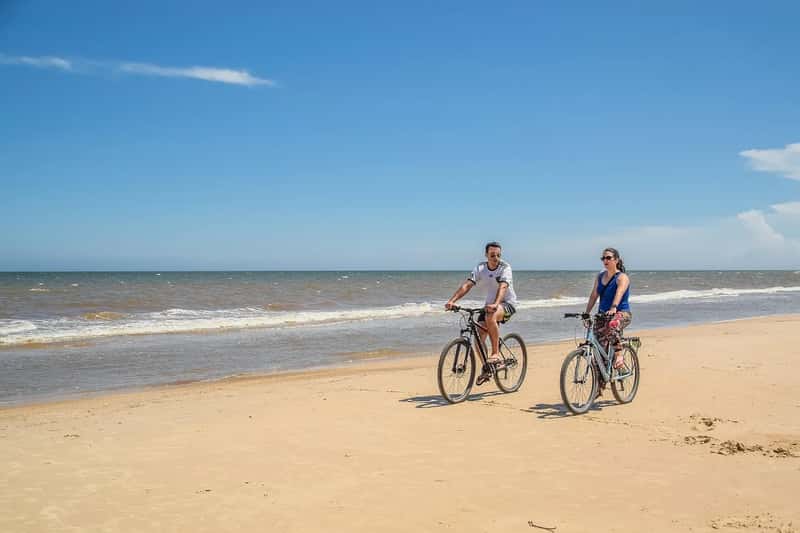
Uruguay’s coastline doesn’t get the international attention Cancún or Tulum command, but it has its own quieter appeal. Punta del Este remains the country’s most polished resort town, often called the St. Tropez of South America, and it draws expats looking for fantastic beaches, fine dining, and nightlife without sacrificing a genuine sense of safety.
Beyond the coast, the country’s interior offers something entirely different. Places like Colonia del Sacramento, a UNESCO World Heritage Site with cobblestone streets and colonial architecture, sit near wine regions where Carmelo is a relaxed wine destination surrounded by farms and river landscapes. For retirees who want scenery without crowds, that combination of coast and countryside within a few hours’ drive is hard to overstate.
The tax treatment that quietly works in retirees’ favor

Taxes rarely make it into the romantic version of a retirement story, but they matter enormously once you’re actually living on fixed income. Uruguay runs on a territorial tax system, meaning the government only taxes income sourced within the country itself, so any foreign benefits or pensions received from abroad are generally tax free. For someone relying on Social Security or a foreign pension, that structural detail alone can be worth thousands of dollars a year compared to countries that tax worldwide income.
There is a caveat worth knowing before assuming the system is entirely painless. Uruguay imposes a flat tax rate of 12 percent on passive income from capital gains, such as royalties, rental income, or investment profit, regardless of where it comes from. It’s not a loophole free paradise, but for straightforward pension income, the territorial approach remains a meaningful advantage.
The tradeoffs nobody mentions in the brochures
No destination is without friction, and Uruguay has its own version. The country’s small scale, while charming, can feel confining to people used to anonymity. As one detailed cultural overview puts it, the entire country feels manageable, with short distances and a sense that everyone is somehow connected, which creates social cohesion but can also feel claustrophobic for those used to big city anonymity.
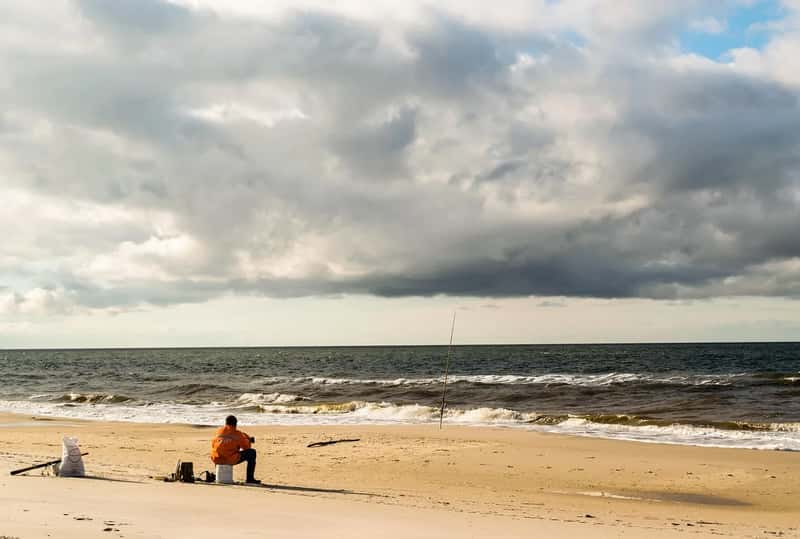
Seasonality is the other adjustment. Coastal towns like Punta del Este and José Ignacio are expensive, especially in summer when wealthy Argentines arrive, but off season, they can feel empty and isolated. Anyone considering the coast year round needs to be honest about whether they can handle that rhythm of crowded summers and quiet winters.