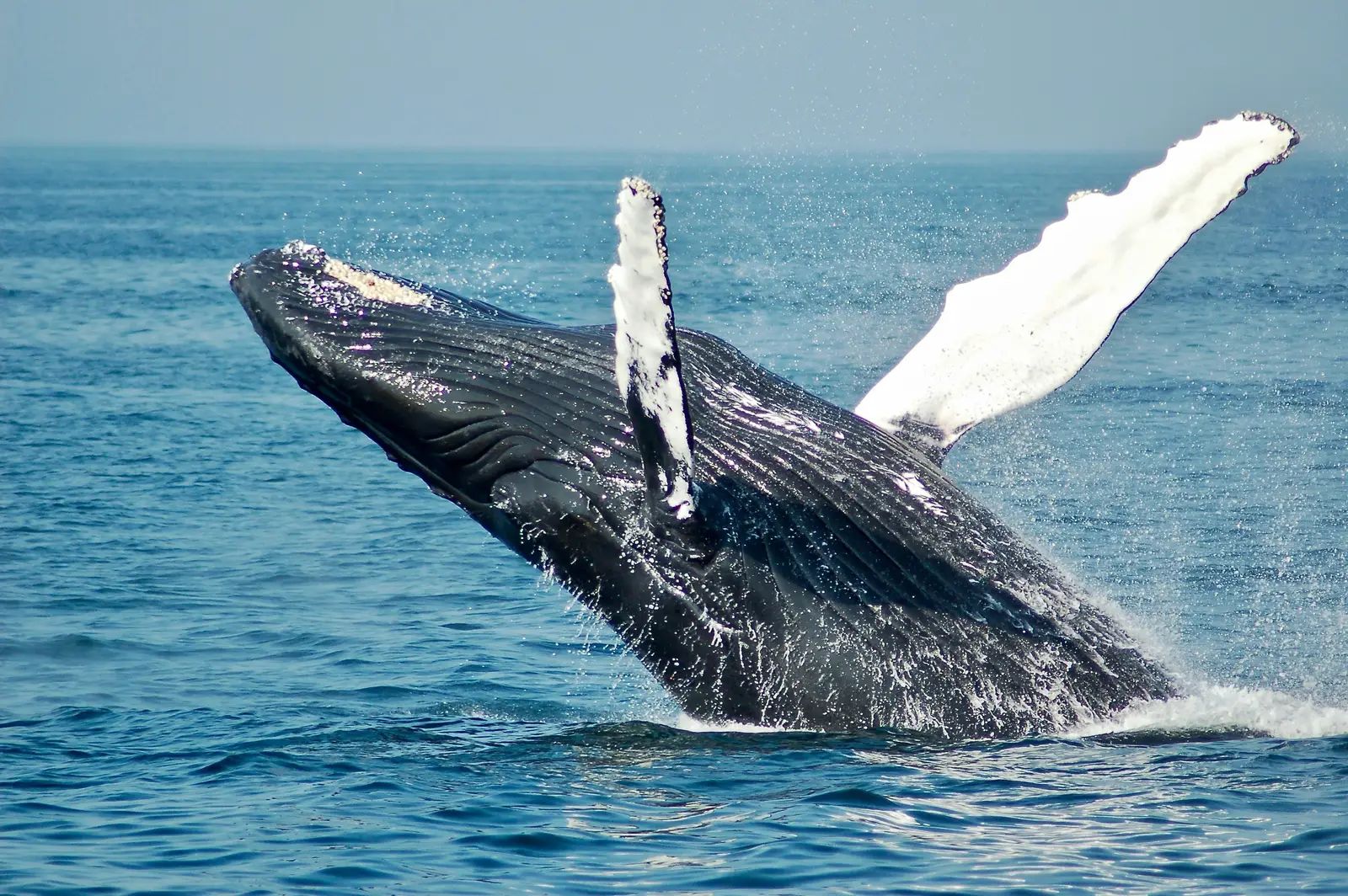
A prolonged marine heatwave in the northeastern Pacific Ocean disrupted the base of the marine food web and triggered a sharp decline in Hawaii’s humpback whale population. Researchers documented the drop through thousands of photographs spanning two decades and found that numbers have yet to rebound. The findings link the 2013-2016 event directly to reduced survival and fewer whales returning to Hawaiian breeding grounds each winter. ([1])
Food Web Collapse Reaches the Whales
The heatwave sharply reduced populations of krill and forage fish across the whales’ summer feeding grounds in Alaskan and Canadian waters. Humpbacks rely on these prey species to build the energy reserves needed for their 4,800-kilometer migration to Hawaii. When the food supply collapsed, the effects quickly appeared in the breeding population.
Adult whales normally maintain high year-to-year survival rates. The sudden scarcity of prey left many animals unable to sustain themselves or their calves during the long journey and winter fast. The result was a measurable population crash that persisted well after ocean temperatures returned to normal.
Photographs Track Two Decades of Change
Scientists examined more than 27,000 images of whale flukes collected between 2002 and 2023 through the citizen-science platform Happywhale. Each fluke pattern functions like a unique identifier, allowing researchers to follow individual animals across seasons. The dataset covered sightings around the main Hawaiian islands and provided a clear before-and-after picture of the heatwave years.
Between the 2014-2015 and 2021-2022 breeding seasons the population fell by 37 percent. The analysis also revealed that adult survival dropped from roughly 99 percent in pre-heatwave years to an estimated 68 percent during the event. Such a steep decline in adult survival is unusual for a long-lived species like the humpback whale.
Recovery Remains Uncertain
Despite the return of cooler ocean conditions, the Hawaiian population has not shown signs of rebound. Researchers note that the heatwave also coincided with an unusual mortality event among marine mammals, though the full scope of that event is still being assessed. The combination of lower survival and reduced reproduction appears to have created a lasting deficit.
Continued monitoring will be needed to determine whether the whales can regain their former numbers or whether new environmental pressures will keep the population suppressed. The study underscores how quickly a single multi-year ocean anomaly can reshape a well-known wildlife spectacle that draws visitors to Hawaii each winter.