For years, my retirement plan had one word attached to it: Portugal. I had the Pinterest boards, the spreadsheet comparing Lisbon neighborhoods, even a folder of D7 visa paperwork half filled out. Then, somewhere between researching tax rules and pricing out apartments in Cascais, a completely different country started showing up in my searches, and it refused to leave.
What follows is not a rejection of Portugal, which remains a wonderful place to grow old. It is the story of how a country I had barely considered turned out to fit my life better, and why the numbers, the climate, and the daily rhythm eventually pointed somewhere else entirely.
The Portugal plan that made sense on paper
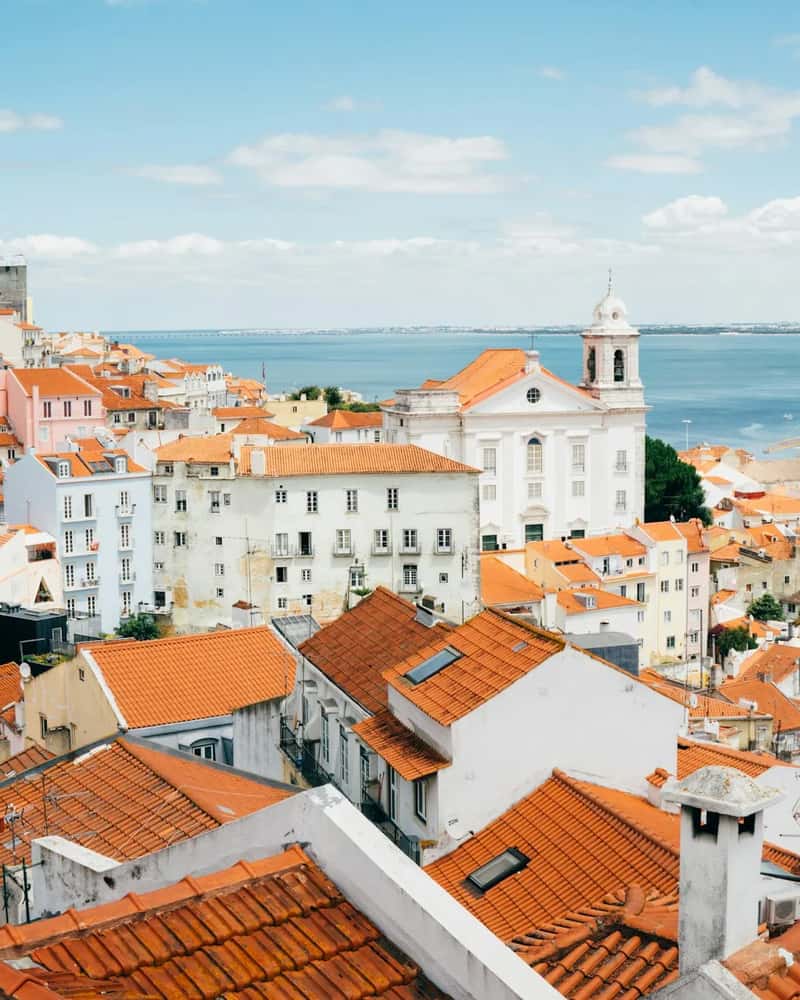
Portugal earned its reputation honestly. Portugal ranks as the number one country to retire in the world according to one major retirement report, thanks to its high quality of life, affordable cost of living, and favorable immigration policies for foreign retirees. The D7 visa seemed almost too easy compared to other European routes, and the idea of sipping coffee in Porto while my pension quietly covered the bills felt like a settled matter.
The Algarve looked like the obvious landing spot, with its beaches and its large English-speaking community. Portugal’s southernmost region, the Algarve, is one of the country’s most popular retirement destinations and is home to an estimated 100,000 foreign residents. On paper, everything lined up. In practice, a few cracks started to show once I looked closer at the tax side of things.
Why the math started changing

The retiree tax break that made Portugal so attractive to earlier waves of expats has quietly disappeared for newcomers. Portugal’s NHR tax regime closed to new retirees in 2026, exposing IRA and Social Security withdrawals to a progressive scale reaching 48 percent. That single fact rewrote a lot of my spreadsheet.
The replacement program does exist, but it was never built with ordinary retirees in mind. The stop in the NHR tax regime beginning January 2025 affects the numbers, and under this replacement regime only researchers, innovators and certain highly skilled professionals who are high earners are entitled to the more generous tax treatment. For someone living off a pension rather than a research grant, that door had effectively closed before I even got there.
A country I had underestimated for years

I had always filed Greece under holiday, not home. It seemed like somewhere you visited for two weeks, not somewhere you built a life. Then I noticed a headline that stopped me mid-scroll.
Greece has taken the top spot in International Living’s 2026 Annual Global Retirement Index, edging out long-time favourites like Portugal and Spain. A country I had treated as an afterthought had just quietly overtaken the destination I had built my entire plan around. That was enough to make me start reading seriously instead of skimming.
The tax deal that actually favors retirees

Greece’s version of a retiree tax incentive turned out to be more straightforward than Portugal’s ever was. Greece’s alternative tax regime under Law 4714/2020 offers a flat 7 percent tax on all foreign source income for fifteen years, covering pensions, Social Security, dividends, rental income, and capital gains from abroad. Fifteen years of predictability is not a small thing when you are trying to plan a fixed income.
There are conditions, of course, and they matter. To qualify, you must not have been a Greek tax resident for five of the previous six years, transfer your tax residency to Greece, receive foreign pension income, and spend at least 183 days per year in Greece. None of that felt unreasonable once I compared it against what Portugal now asks of new arrivals.
Comparing the real cost of living

I expected Greece to be cheaper, but the gap was larger than I assumed. Greece wins on raw affordability across the board: Athens rent of roughly 500 to 900 euros is significantly cheaper than Lisbon’s 900 to 1,400 euros, the retiree flat tax is 7 percent for fifteen years versus Portugal’s successor regime, and Greece’s Golden Visa starts at 250,000 euros versus Portugal’s 500,000. Seeing those figures side by side made the decision feel less emotional and more mathematical.
Day to day life outside the capital stretched the budget even further. A retired couple can live comfortably in Greece for 1,500 to 2,400 dollars a month depending on location, with Thessaloniki running 1,100 to 1,800 euros, Crete 1,200 to 1,900 euros, and the Peloponnese 1,000 to 1,600 euros. That kind of range gave me options I never had while narrowing everything down to Lisbon or Porto.
Getting the residency paperwork right
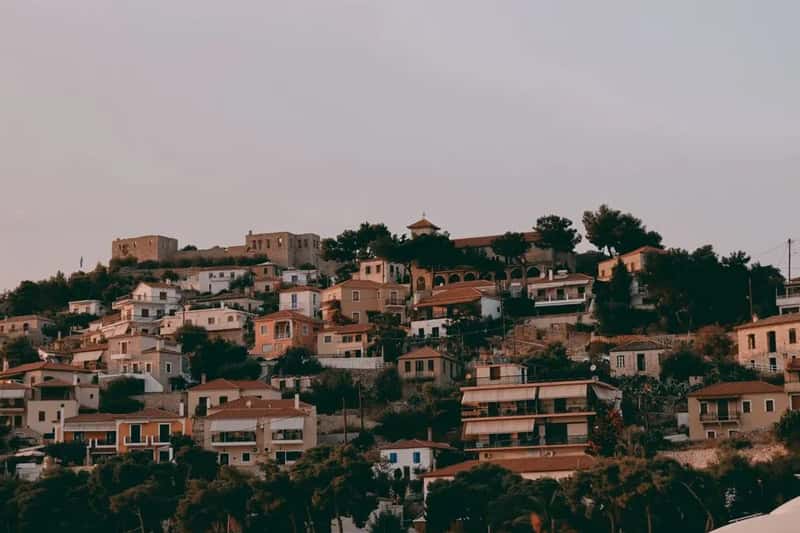
Greece does not market a dedicated retirement visa the way Portugal does, but the practical equivalent exists. For American citizens who want to retire in Greece, the most accessible route is applying for a residence permit under the Financially Independent Person scheme, requiring proof of a stable monthly income of at least 3,500 euros, increasing by 20 percent for a spouse and 15 percent per child. It is a higher bar than Portugal’s D7, and I will not pretend otherwise.
The trade-off is a permit that can genuinely take you somewhere long term. The visa is granted for three years and can be renewed for three years at a time, and it can lead to permanent residency after five years of legal residence and, after seven years, potentially Greek citizenship. Once I understood the timeline, the higher income threshold stopped feeling like an obstacle and started feeling like a filter for people who are serious about staying.
Healthcare that doesn’t require a leap of faith
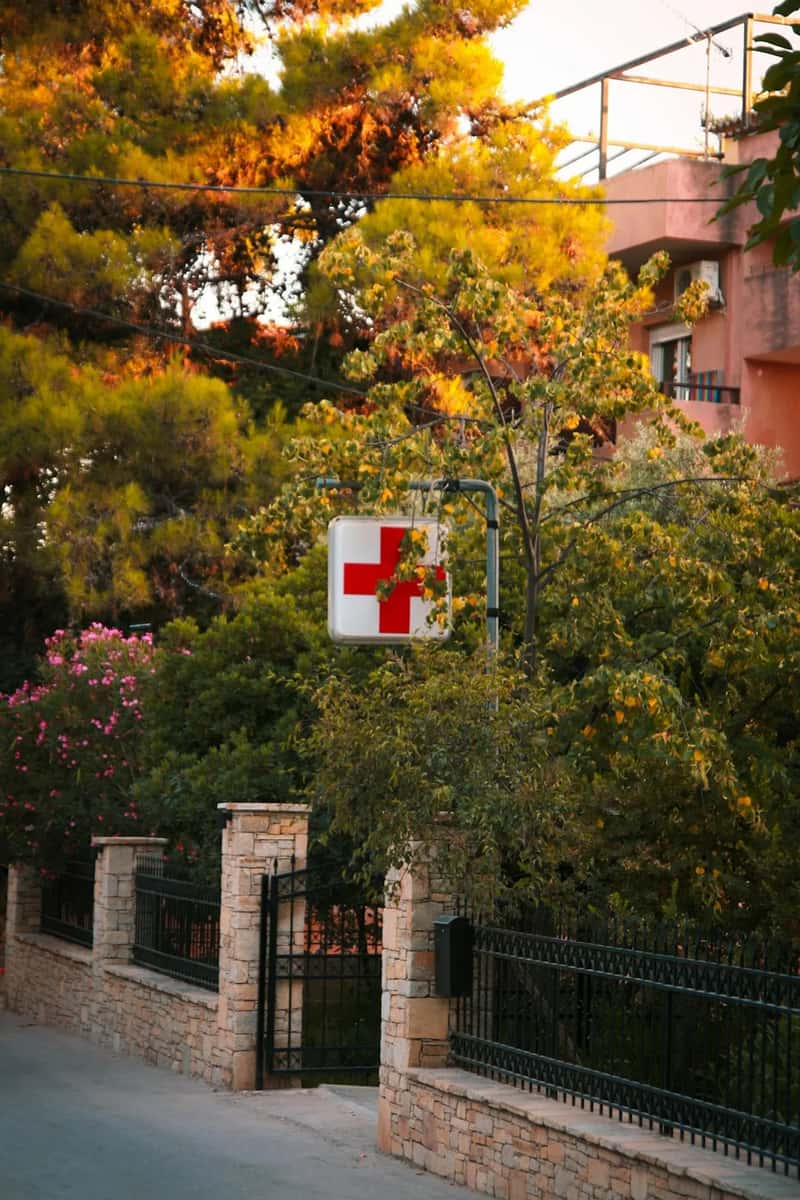
Healthcare was the part I researched most carefully, since it is the one category where guessing wrong actually hurts. Greece runs a public system alongside a well-developed private sector, and most expats end up using both depending on the situation. Greece has both public and private healthcare, and expats often opt for inexpensive private insurance around 120 to 250 euros per month per person depending on age, with private care that is high quality and affordable, where doctors commonly speak English.
Once residency status is settled, the public system becomes an added layer of security rather than the only option. Once you become a resident, you can also access the public national health system with nominal fees for additional peace of mind. For a retiree thinking decades ahead rather than just the first year, having both systems available felt reassuring in a way that a single private plan never quite did.
Finding the right corner of the country
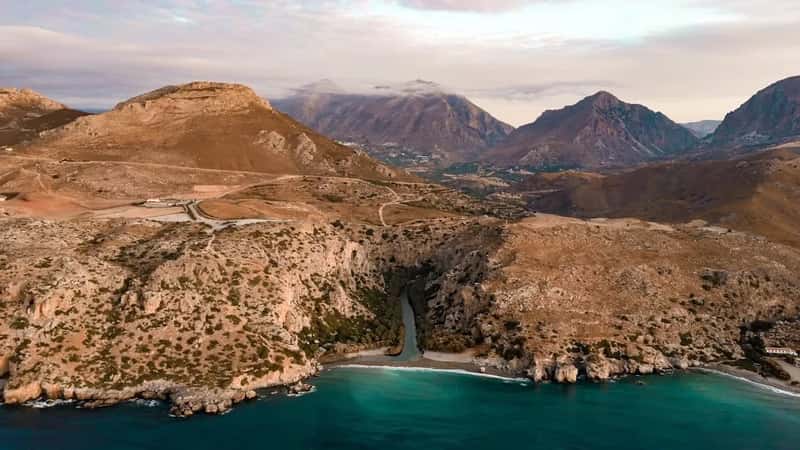
Greece is not one retirement destination, it is several, and that variety turned out to matter more than I expected. Crete kept coming up in every conversation with people already living there. Combined with living costs that are 20 to 30 percent below Athens and 40 to 50 percent below Western European alternatives, Crete allows retirees on moderate incomes to live with a quality that would be impossible in most of the US or northern Europe.
The Peloponnese offered a quieter, more affordable alternative for anyone who wants mainland convenience without city prices. Southern Peloponnese, home to the charming city of Kalamata, offers more affordable options below 1,700 euros per square meter, while many less known areas in the centre and north of the country are very competitive at below 1,000 euros. Between the islands, the mainland towns, and Athens itself, there was a version of Greece for almost every budget and temperament, which is not something Portugal’s smaller footprint could quite match.
The pace of life that finally sold me
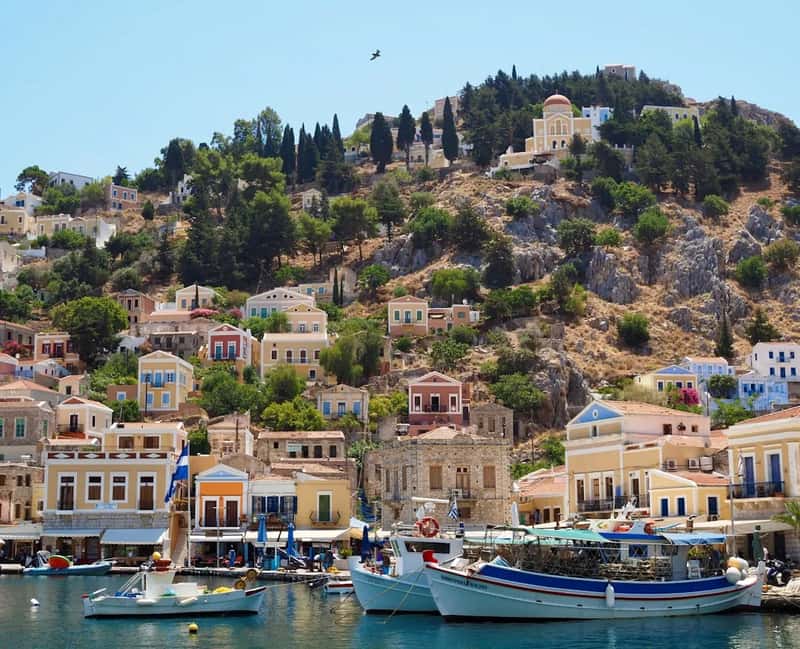
Climate played its part too, and Greece does not undersell it. Greece has leapfrogged to the top spot for 2026 thanks to its sun soaked climate with more than 300 sunny days a year, affordable living, and a welcoming Mediterranean lifestyle. After years of gray winters, that number alone did some of the persuading.
What stayed with me longer than the weather was the general attitude toward time. Greeks call it siga siga, meaning slowly, slowly, and it shows up everywhere from long lunches to unhurried afternoons at the taverna. The pace of life, combined with rich history, delicious cuisine, and island scenery, quietly transforms your day to day life for the better, and expats report that their expenses are often a fraction of what they paid back home while enjoying sea views and vibrant local community. That combination of slower days and a lighter financial load is exactly what I had been chasing all along, I just did not expect to find it here.
Where the search finally landed
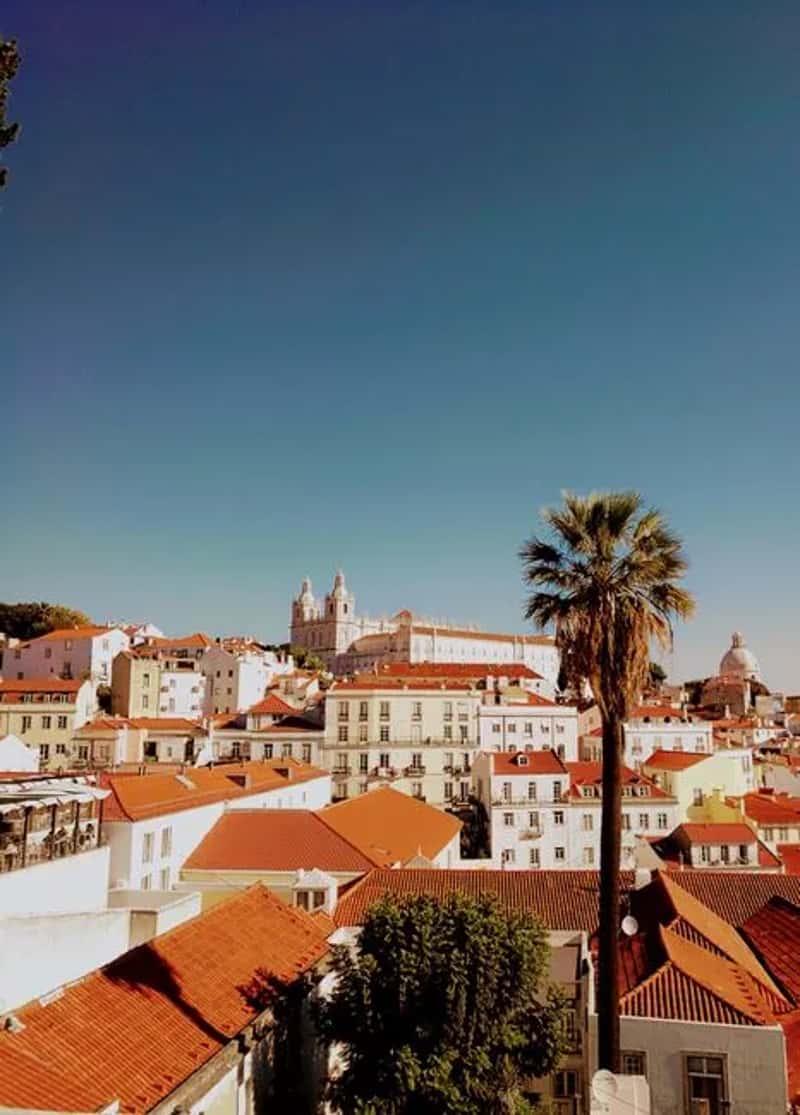
Portugal is still, by almost every measure, a sound place to retire, and nothing here changes that. What changed was my own assumption that it was automatically the best fit for my particular situation, income, and timeline. Once the tax landscape shifted and I actually sat down with Greece’s numbers instead of dismissing them, the comparison stopped being close.
I still think about the version of retirement I had planned around Lisbon, and I do not regret the research that got me there. It simply led me somewhere I had not expected to end up. Sometimes the country that wins you over is not the one at the top of every list, but the one that quietly makes more sense once you stop assuming you already know the answer.