For years, every mention of retiring south of the border came with the same nervous laugh from friends and family: “Isn’t that dangerous?” I had absorbed enough news clips and cartel documentaries to believe it myself, so Mexico stayed parked in the “maybe someday, probably not” folder of my retirement plans. Then a work trip to Mérida in 2024 turned into an extended stay, and the gap between what I expected and what I actually found was wide enough to make me rethink everything.
The headlines never mentioned the whole map
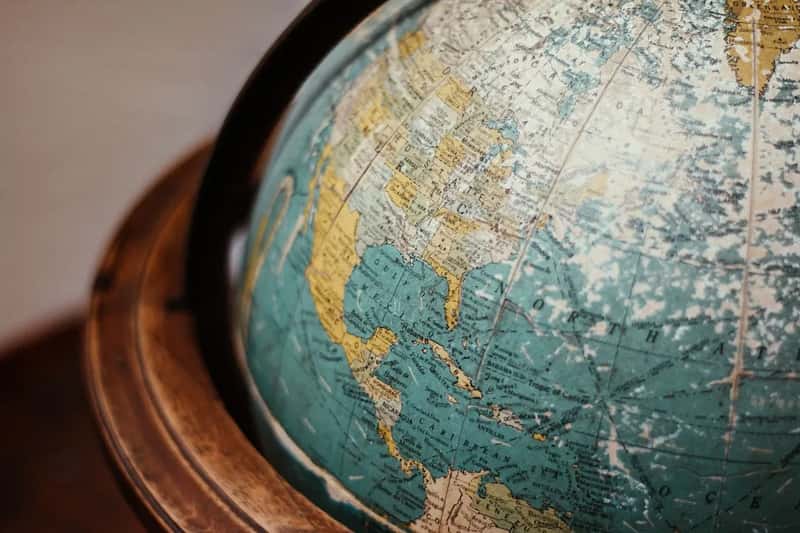
What struck me first was how selective the news coverage really is. Stories about cartel violence tend to cluster around a handful of specific regions, not the entire country, yet they get generalized into a blanket warning that colors how outsiders see all of Mexico. Many expats feel fine living in Mazatlan, although it’s in Sinaloa, which is constantly on the news for having cartel activity, but most of that activity is concentrated in Culiacan, a city most people wouldn’t want to live in anyway.
That distinction matters enormously once you’re actually standing on the ground. Mexico is best described as uneven rather than uniformly dangerous, with some cities ranking among the safest in the Americas while others face serious security challenges that expats should avoid. Once I understood the country wasn’t one uniform danger zone but a patchwork of very different local realities, the fear started losing its grip.
Safety really comes down to zip code, not the country
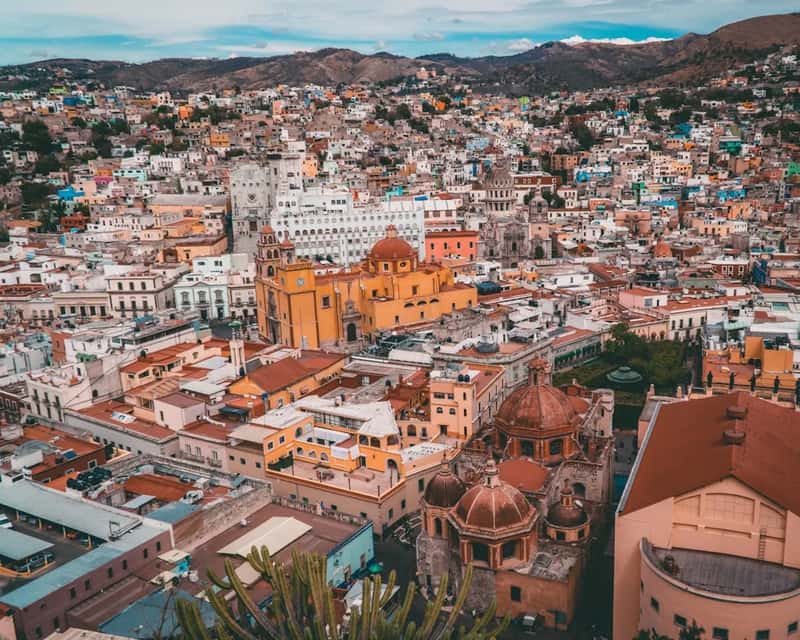
The US State Department doesn’t treat Mexico as a single risk category either, and once I looked at how the advisories actually break down, the picture got a lot clearer. As of 2026, states like Yucatán and Campeche hold a Level 1 designation, meaning normal precautions are advised, while others carry Level 3 or Level 4 warnings. That’s the same four-tier system used for dozens of countries worldwide, and plenty of US cities would look rough under a similarly granular lens.
I started paying attention to specific neighborhoods rather than broad state names, which changed my whole approach to house-hunting. Neighborhoods generally considered safest for expats include San Pedro Garza Garcia in the Monterrey metro, Benito Juarez and Coyoacan in Mexico City, Providencia in Guadalajara, and the northern suburbs of Merida like Altabrisa and Montes de Ame. Zooming in that far felt tedious at first, but it turned out to be the single most useful habit I picked up.
The cities where retirees actually settle down
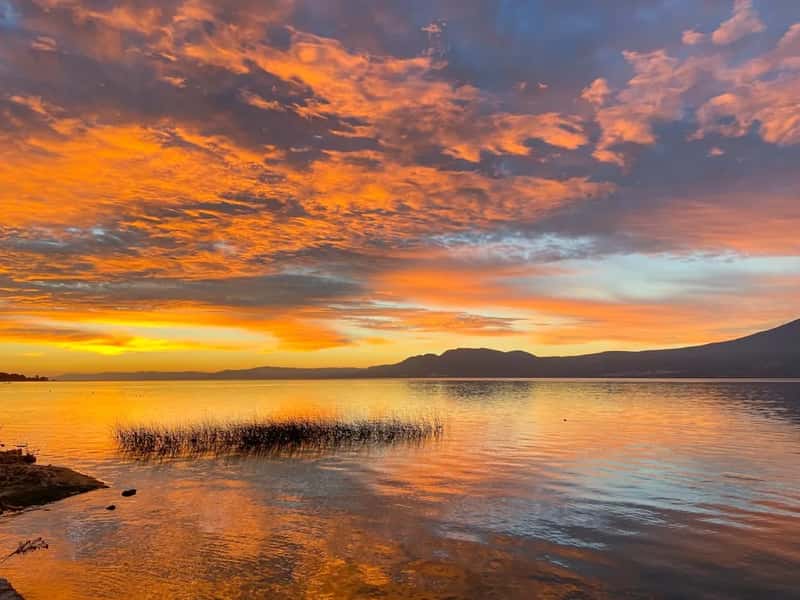
Once I started asking other retirees where they actually lived, a short list of names kept repeating. Mérida holds a Level 1 US State Department advisory and is widely regarded as the safest large city in the country, San Miguel de Allende has a strong police presence and very low violent crime rates, Querétaro records low crime statistics relative to its size, and Lake Chapala and Ajijic host Mexico’s largest retirement community in a calm, well-serviced lakeside setting. None of these are secret hideouts; they’re established communities with decades of foreign residents behind them.
I ended up spending most of my time between Mérida and the Lake Chapala area, partly because of the safety data and partly because both places already had the infrastructure retirees rely on. The best cities for expats in Mexico include Mexico City, San Miguel de Allende, Mérida, Playa del Carmen, Puerto Vallarta, Oaxaca, Guadalajara, and Lake Chapala, each offering distinct advantages such as Mérida for safety and Chapala for retirees on a lower budget. It felt less like discovering something new and more like joining a conversation that had been going on for a long time.
What crime actually looks like day to day

The crime that expats actually run into on the ground looks nothing like the cartel imagery from television. The most common safety concerns for expats in Mexico involve petty theft like phone snatching in crowded areas, opportunistic car break-ins, and in some neighborhoods, more serious risks of robbery after dark, though violent crime targeting foreigners remains relatively rare in expat-heavy areas. It’s closer to what you’d guard against in any mid-sized city than the images that dominate the news cycle.
International Living’s assessment matched what I noticed firsthand, almost annoyingly closely. The most common safety risks to foreigners come from drinking too much alcohol, unsafe swimming, and motor vehicle accidents. That’s a far cry from the imagined danger, and it reframed my own behavior more than my choice of neighborhood ever did.
Healthcare that quietly exceeded my expectations
I went in assuming I’d have to compromise on medical care, and instead found something closer to an upgrade. Mexico’s private hospitals in major retiree hubs run on modern equipment with staff trained to Western standards, and the pricing isn’t even close to what I was used to paying. Medical care in Mexico is high quality and ranks 22nd in Numbeo’s 2026 Health Care Index, it costs much less than in many Western countries, and private hospitals are common in larger cities with English-speaking staff.
The two-tier system took some getting used to, but once I understood it, planning around it became simple. IMSS, the Mexican public healthcare option, is available to legal residents for a few hundred to about $800 USD per year with longer wait times, while private insurance in Mexico typically runs $1,000 to $4,000 per year depending on age, with access to private hospitals that meet US standards in major retiree cities. Medicare doesn’t travel with you across the border, so this private coverage isn’t optional if you’re serious about the move.
The visa rules changed, and it’s worth knowing before you plan
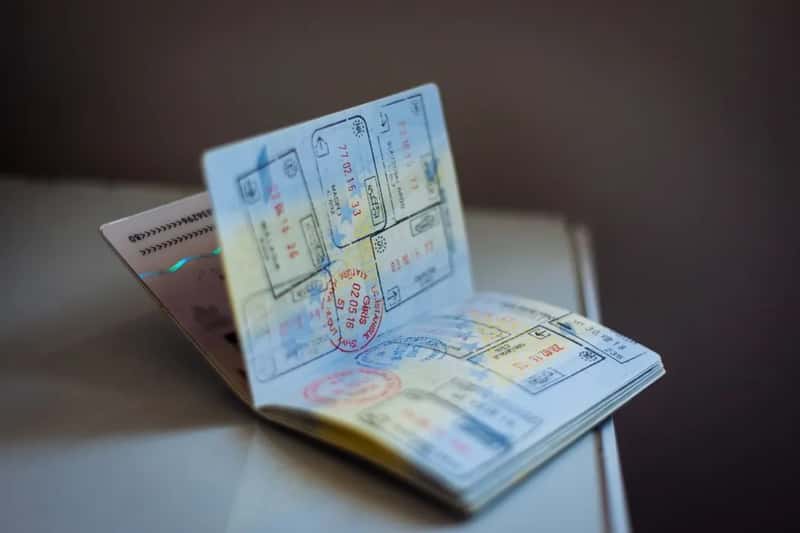
This is the part that surprised me most, and it’s genuinely recent news rather than old advice recycled from a decade-old blog post. Effective January 1, 2026, new financial requirements raised the income bar for Temporary Resident visas to approximately $4,400 a month, up from roughly $2,800 a month in 2025, while Permanent Residency now requires about $7,400 a month in income or $300,000 in savings. That’s a substantial jump from what many retirees budgeted for even a year earlier.
The reasoning behind the shift is bureaucratic but straightforward once you dig into it. Mexico tied residency thresholds to UMA multiples in July 2025, formalizing increases that had been informal under consul discretion. If you’re on a fixed, modest Social Security check alone, it’s worth running the updated numbers before assuming you’ll qualify the way an older article might suggest.
The budget still works, just not for everyone the same way
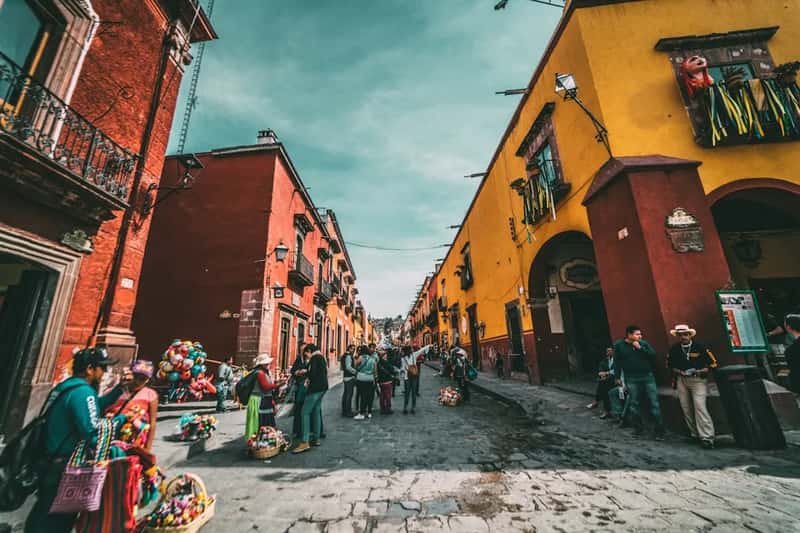
Even with the new residency thresholds, the actual cost of living stayed lower than what I’d budgeted for back home, and that gap is really what makes the whole move worthwhile financially. A retired couple can live comfortably in most Mexican cities on $2,000 to $3,500 per month, with coastal tourist cities running higher and inland colonial towns and mid-size cities running lower. Housing swings the most depending on where you land.
Location changes the math more than almost anything else in the budget. Ajijic runs about 41 percent cheaper than Puerto Vallarta and over 20 percent lower than Mérida excluding rent, while Mérida costs slightly more than Ajijic when rent is included but offers far cheaper rent overall. I learned to think in pesos rather than converting every price back to dollars in my head, which sounds small but genuinely changed how I shopped and negotiated.
Simple habits that made the biggest difference
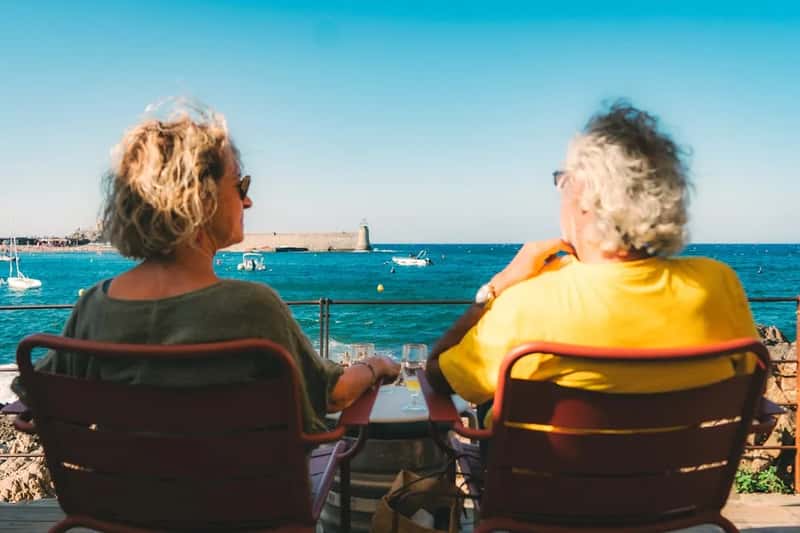
None of the precautions that actually mattered felt exotic or complicated once I adopted them. Avoiding inter-city road travel after dark in unfamiliar regions, not displaying valuables or carrying large amounts of cash, and using rideshare apps like Uber or DiDi rather than unmarked street taxis covered most of the risk I’d been worried about before I even arrived. It’s the same low-key vigilance you’d practice in any unfamiliar city, just applied consistently.
ATMs turned out to be a bigger factor than I expected, mostly because of how casually people use them back home. Avoiding withdrawing money from ATMs in public places and instead going to a machine inside a bank became a habit within the first couple of weeks, and it’s a small change that removes one of the more common opportunistic risks entirely. Once these routines became automatic, the low-grade anxiety I’d carried in from the news coverage simply faded.
The community made the adjustment easier than I expected
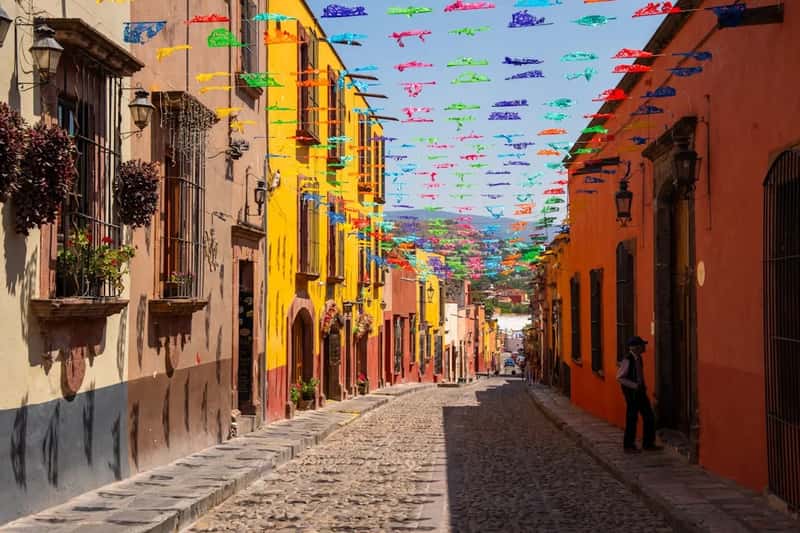
What I hadn’t planned for was how much the existing expat infrastructure would smooth over the rough edges of relocating. More than 2 million U.S. and Canadian citizens have moved to Mexico for a better life, making it the most popular country in the world for Americans who choose to live abroad. That kind of critical mass means English-language services, social clubs, and practical know-how are never far away, even in smaller towns.
San Miguel de Allende, in particular, illustrated just how deep that infrastructure runs. San Miguel has the highest concentration of US and Canadian expats per capita in Mexico, roughly 10 to 12 percent of the population, and its historic center is a UNESCO World Heritage Site with a local economy built around expat residents and tourism. It’s not the quiet, undiscovered version of Mexico some people imagine, but for a first-time retiree easing into a new country, that familiarity is a genuine asset rather than a compromise.
Final thoughts
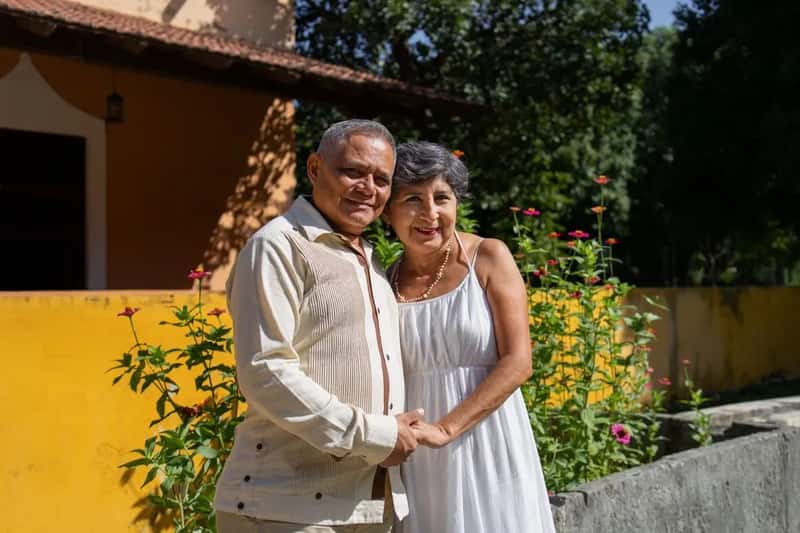
Looking back, my hesitation wasn’t irrational so much as incomplete. The danger I’d pictured was real somewhere in Mexico, just not in the places where most retirees actually build their lives, and no amount of secondhand news coverage could have shown me that as clearly as a few months on the ground did. The visa math has gotten tougher in 2026, and anyone weighing the move now needs to run current numbers rather than rely on older estimates, but the underlying case for retiring here, the cost of living, the healthcare, the established communities, hasn’t weakened at all. I still keep half an eye on the ATM I’m walking past and skip the late-night drive between towns, but those are small, learnable habits, not reasons to stay home.