Planning a trip on your own at 65 is a different exercise from planning one at 25. Nobody else is around to double check the booking references, and the details worth worrying about have changed. Comfort, cost and flexibility matter more than squeezing in every stop.
Scotland suits this kind of trip well, since its cities, castles and rail lines sit close together. The rules and prices around it have shifted over the last couple of years, though. Here’s how the pieces fit together.
Sorting Out Entry Rules Before Anything Else

Before I looked at a single hotel, I checked whether I needed permission to enter the UK. Many visitors do now. From 25 February 2026, visitors of over 80 nationalities in scope are legally required to have an ETA when travelling to the UK, unless they already hold a UK visa or other UK immigration permission.[1] Airlines check this at boarding, so it can’t be left for later.
The fee is easy to get wrong if you search carelessly. It costs £20 to apply online or through the UK ETA app[2], and it’s valid for two years, or until the holder’s passport expires, whichever comes first.[3] Sites charging £40, £60 or more are third party agents adding a mark up to the same authorisation.[4] Apply through GOV.UK or the official app only.
Choosing the Right Time of Year
Timing shapes almost everything else, from prices to which sites are open. Historic Environment Scotland runs a summer season from 1 April to 31 October and a winter season from 1 November to 31 March. A discount applies during the winter season[5] on its Explorer Pass, which tells you something about how the calendar affects heritage travel.
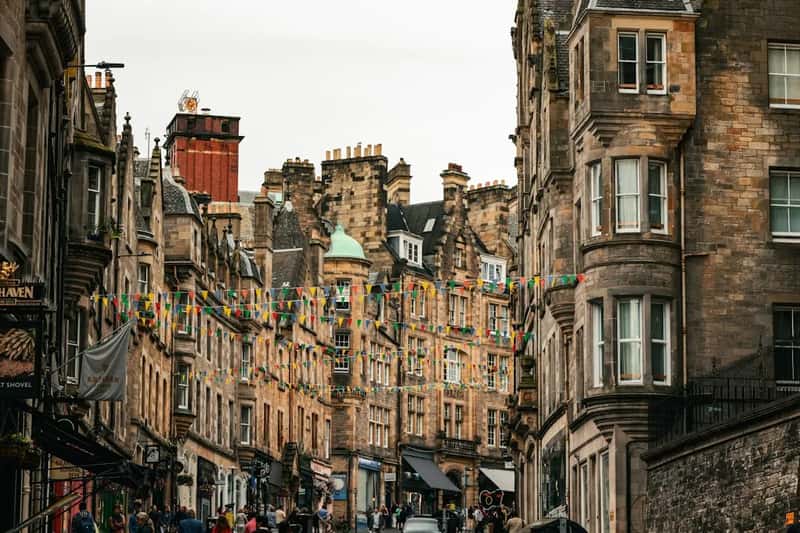
Crowds are the other consideration. Edinburgh in particular is busy at peak times, and major events such as the Edinburgh Festival Fringe and large scale concerts regularly attract hundreds of thousands of visitors.[6] If you’d rather move at your own pace, the shoulder months around those peaks are worth weighing up.
Keeping the Route Short and Simple
Solo travel rewards a modest route. I built the plan around a small number of bases rather than a different bed every night. Packing and unpacking wears you out faster than walking does.
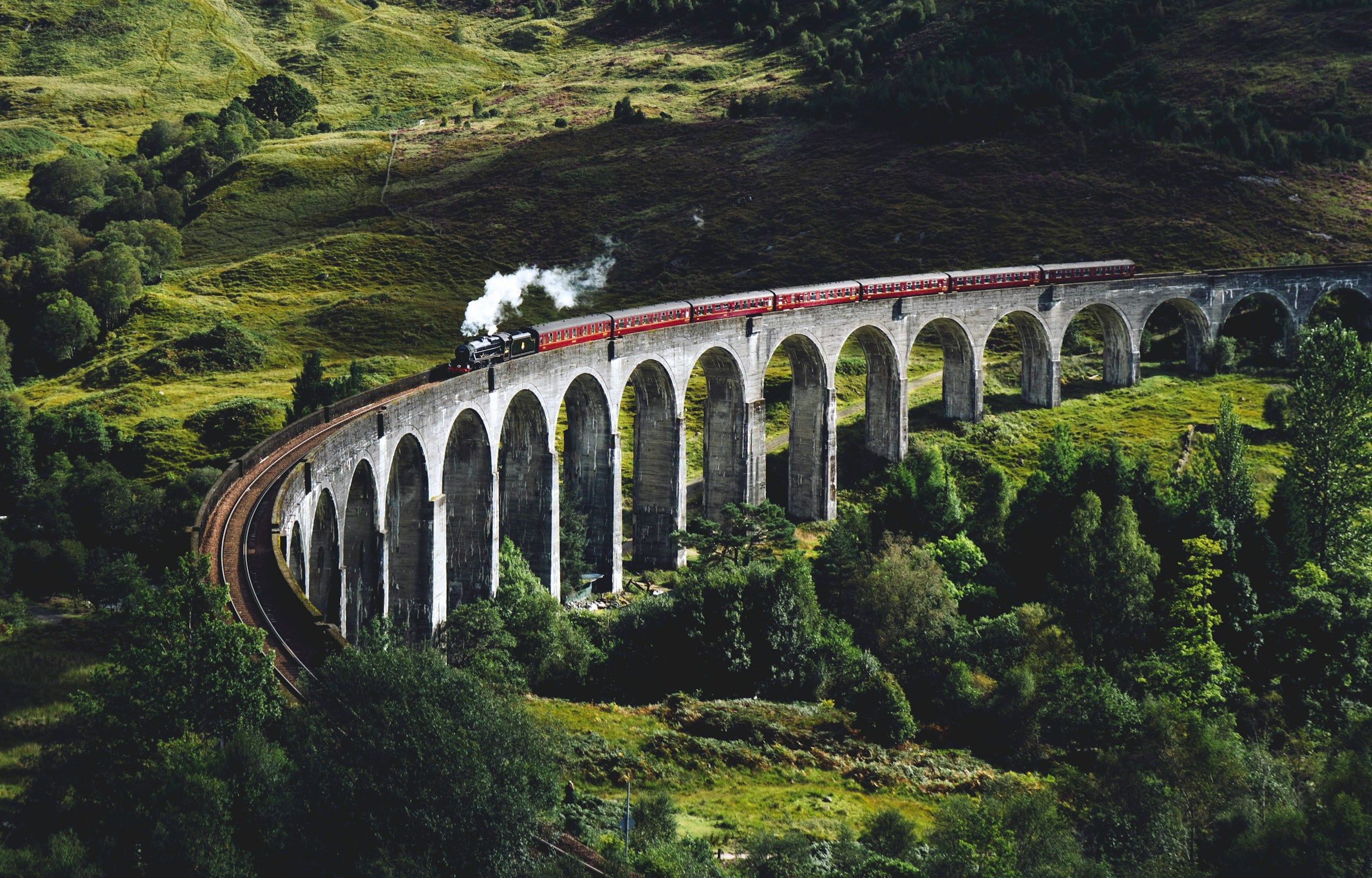
Edinburgh, Glasgow and Inverness make a natural trio, and ScotRail’s own materials treat them as major hubs. Its combined tickets include a city break pass for Glasgow and Edinburgh over three days, and a circular route around Scotland over eight days.[7] Those give a sense of how compact a sensible itinerary can be.
Booking Accommodation and Allowing for the Edinburgh Levy

Where you sleep matters more when you’re alone. A central location near a station saves you from long evening walks and awkward transfers with luggage. Guest houses and small hotels often suit solo visitors, though that’s a matter of taste.
Budget for one new cost in the capital. Edinburgh became the first UK city to introduce a mandatory city wide visitor levy on 24 July 2026, adding a five percent charge to the cost of overnight accommodation.[8] It’s calculated on the accommodation cost before VAT and applies only to the first five consecutive nights of a stay.[8] Meals, drinks, parking and transport are excluded.
Getting Around Without Renting a Car
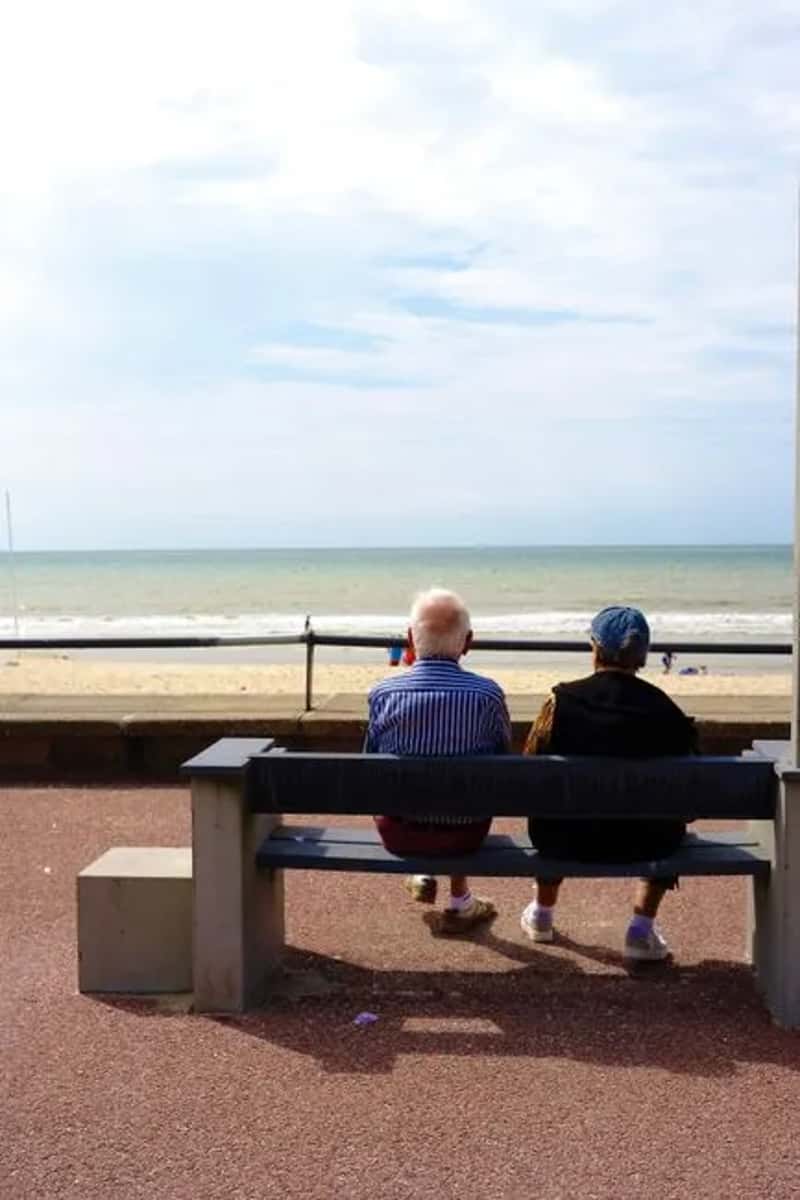
I didn’t want to drive on unfamiliar roads, and Scotland’s trains made that easy to avoid. If you’re 60 or over, a Senior Railcard is the first thing to look at. It costs £35 for one year, or £80 for three years[9], and it saves a third on standard and first class fares throughout Great Britain.[10]
There are limits. A railcard generally doesn’t discount separate local systems such as the Edinburgh Trams or the Glasgow Subway.[11] The free bus travel Scotland offers older people runs through the National Entitlement Card, which is tied to Scottish residency, so visitors shouldn’t plan around it. ScotRail also mentions up to twenty percent off fares for those aged 50 and over[7] through its own scheme, which may suit people who are a little younger.
Choosing Castles and Heritage Sites Wisely

Scotland’s heritage sites can add up quickly, so I looked at whether a pass made sense. The Explorer Pass is valid for 14 consecutive days and includes entry to Edinburgh Castle, Stirling Castle, Urquhart Castle, Skara Brae, Fort George and many more.[5] Its terms also list a concession category for visitors aged 65 and over, so check which price applies to you.
Read the fine print before buying. The passes don’t include National Trust for Scotland properties or the Palace of Holyroodhouse.[12] The pass allows one visit to each participating property, and visits should be booked online in advance to guarantee entry.[12] Some sites have also been closed or partly closed for masonry safety reasons, so check for closures before setting out.
Sorting Out Health Cover and Insurance

An ETA gets you into the country and does nothing else for you. Visitors aren’t covered by the NHS for most treatment and are billed at overseas rates.[13] A travel insurance policy that includes emergency medical care is a sensible thing to sort out before you fly.
Medication needs its own thought. I’d carry enough for the whole trip plus a few spare days, in original packaging, along with a printed list of prescriptions. That’s ordinary caution rather than a rule, and your own doctor can advise on anything specific to you.
Leaving Room in the Schedule

Rigid itineraries are the enemy of a relaxed solo trip. The main choice with trains is between cheap fixed tickets and flexible ones. ScotRail says you can save up to sixty percent on train travel across Scotland when you book in advance[7], but those tickets tie you to a specific train.
Flexible tickets cost more, though they’re valid at any time of day.[7] A sensible compromise is to book the longer journeys early and leave shorter hops open. That way one slow morning or a wet afternoon doesn’t unravel everything.
Packing and Last Checks Before Departure
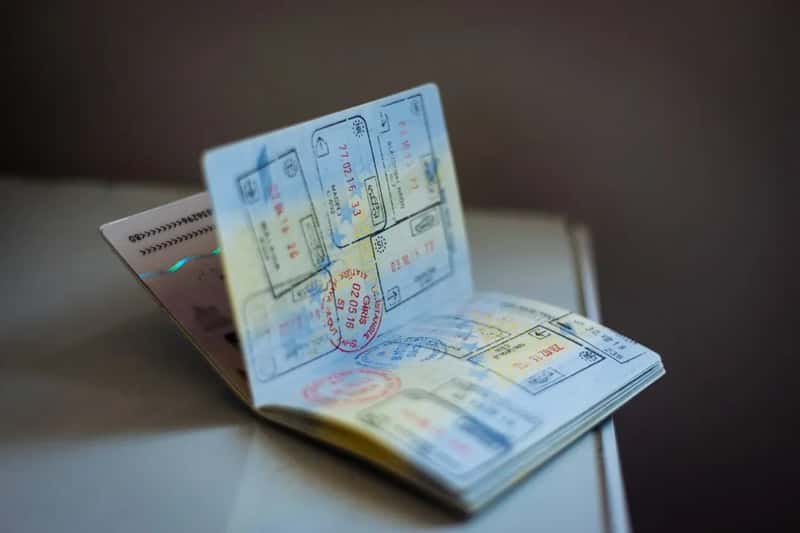
The final week is mostly paperwork. Confirm that your ETA is linked to the passport you’re actually carrying, because the ETA ends with the old passport, and a new passport needs a new application even if the two years haven’t run.[4] Save your booking references somewhere you can reach them offline.
Railcards are easier to manage digitally. Most national railcards are available as a digital railcard, stored within the Railcard app, or as a plastic or paper card.[14] Whichever you choose, you must carry your Senior Railcard with you when you travel.[9]