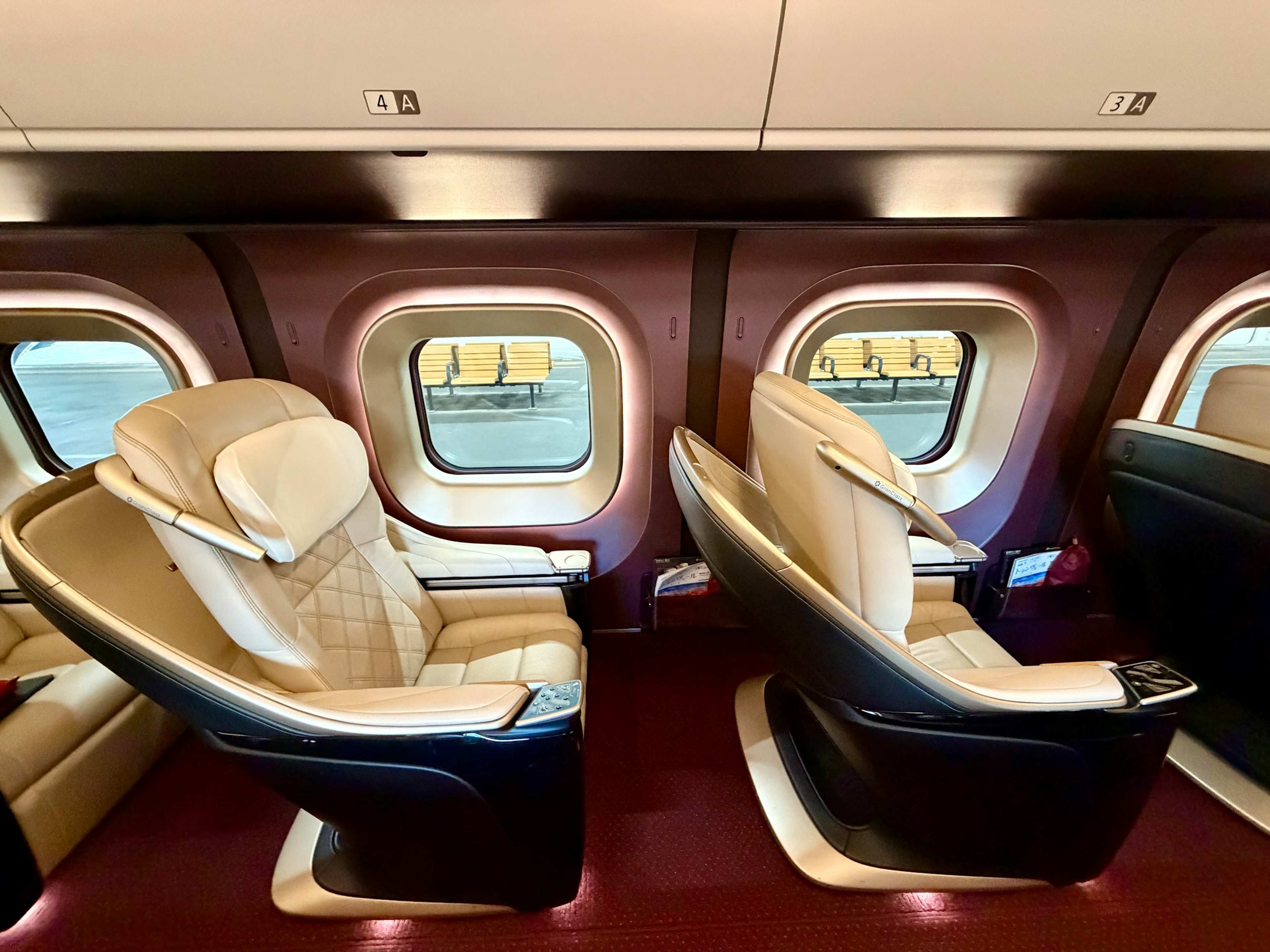
Hotel staff across Europe don’t need to see a passport to guess where a guest is from. Certain habits, mostly harmless and often well-intentioned, tend to give Americans away within the first few minutes of check-in. None of these are dealbreakers, but they’re worth knowing before your next trip, especially if blending in a little more is part of the goal.
Some of these quirks come from genuine cultural differences in service style, climate control, or even hotel room dimensions. Others are just habits picked up from a lifetime of American hospitality norms that don’t quite translate overseas. Here’s what tends to stand out the most.
1. Tipping like it’s mandatory back home
American guests often reach for cash the moment a bellhop touches their luggage or housekeeping leaves an extra pillow. It’s a reflex, not a calculation, and staff notice it immediately because in much of Europe, service workers receive solid wages without expecting large gratuities[1]. In places like France, Germany, or Spain, the instinct to tip 15 to 20 percent on everything simply isn’t part of the local rhythm.
Some travelers also make the mistake of leaving tips in foreign currency that housekeeping can’t actually use. One hospitality writer noted that managers routinely swap these bills out of their own pocket just so housekeeping actually gets paid for the gesture, since a few coins in the local currency does more good than a fistful of foreign cash[2]. It’s a small detail, but it’s one hotel staff quietly remember.
2. Asking for ice, and lots of it
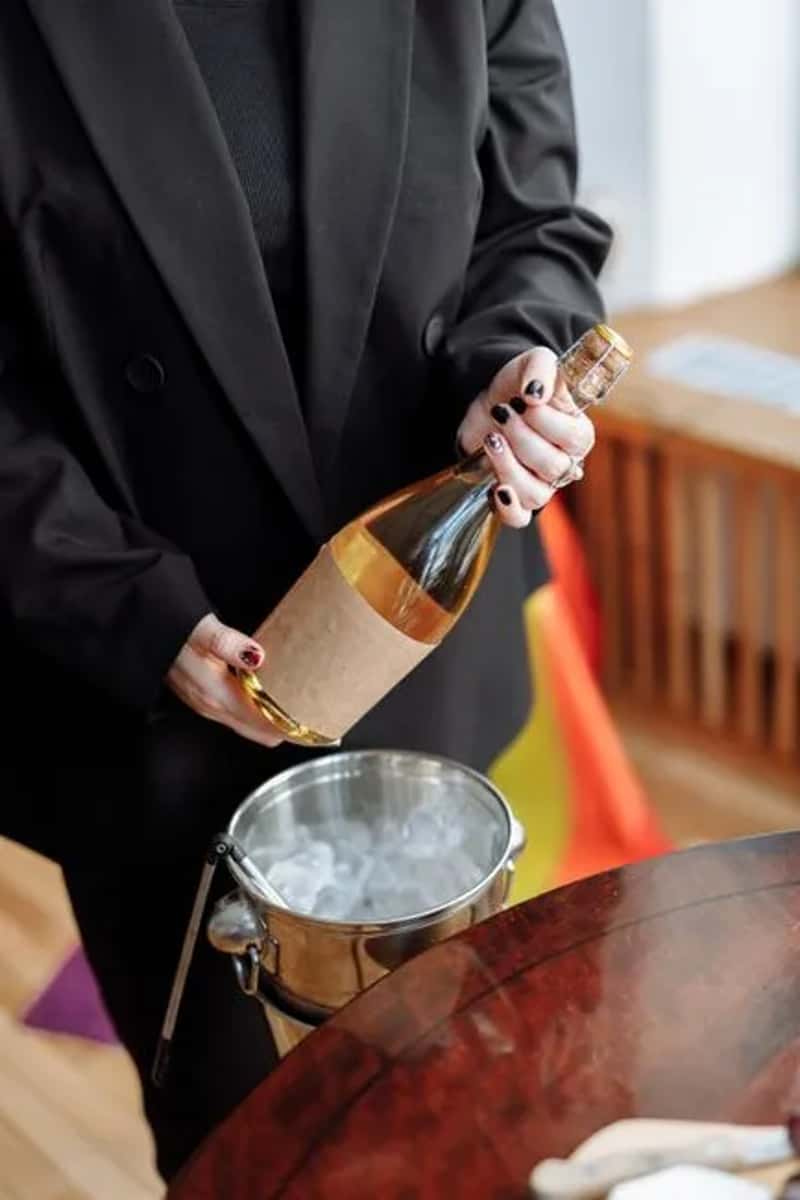
Few things reveal a nationality faster than a request for a full bucket of ice with a room service order. Americans are famously attached to cold drinks, and staff know it well, since Americans will tell you they can’t live without their ice, and in America you can buy huge bags of it at supermarkets and petrol stations, with hotel ice makers on every floor[3]. European hotels rarely stock that kind of ice infrastructure, so the request itself is often the tell.
This ties into a broader pattern around drink sizes and hydration habits. Europeans don’t use nearly as much ice as their American counterparts, or as large cups, and American fast food cups run roughly 89% larger than the British version[4]. Even ordering water constantly throughout the day can be a quiet giveaway, since Europeans see the American habit of drinking too much water as a dead giveaway that they’re a tourist[4].
3. Expecting daily housekeeping and fresh towels
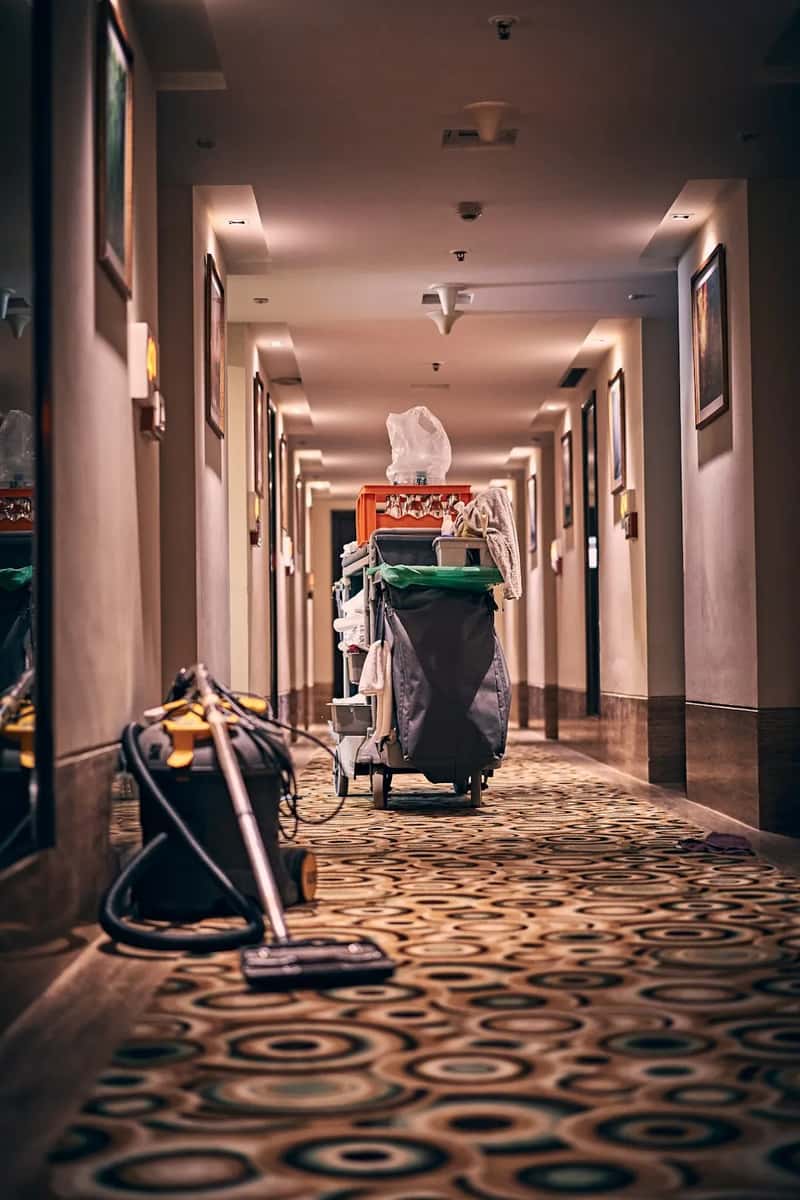
In much of the United States, a made bed and fresh towels every single day is simply part of the deal, no questions asked. That expectation doesn’t always travel well, because many European properties operate on a different schedule entirely. As one travel piece on hotel habits put it, in the US, fresh towels and a made bed every single day feels standard[2], but that’s not universal practice abroad.
In fact, abroad, especially across Europe and parts of Asia, plenty of hotels only do a full clean every few days unless a guest specifically asks otherwise[2]. American guests who call the front desk confused about missing housekeeping, or who leave notes demanding daily service, tend to stand out fast. It’s rarely rudeness on the hotel’s part, just a different default setting.
4. Talking loudly in hallways and lobbies
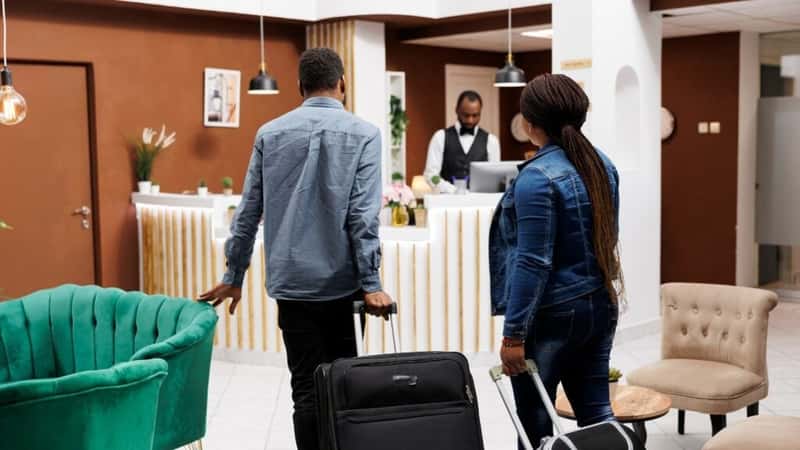
Volume is one of the most consistent tells, and it’s backed by more than just anecdote. A large survey of European attitudes toward American tourists found that 70% of Europeans said loudness was a typical trait of US tourists, while 69% of Americans agreed[5], making it one of the rare points both groups see eye to eye on.
The habit often shows up most in shared hotel spaces like elevators, breakfast rooms, or narrow hallways where sound carries. As one etiquette guide explains, Americans tend to tell stories with great enthusiasm, talking with their hands and speaking very loudly, while in Europe, where adults tend to speak softly, especially in cafes and on public transit, loudness is considered impolite[6]. Quiet hours matter too, since many European neighborhoods enforce quiet hours between evening and early morning, and loud voices, laughter, or music can disturb residents and earn complaints[7].
5. Fighting with the thermostat
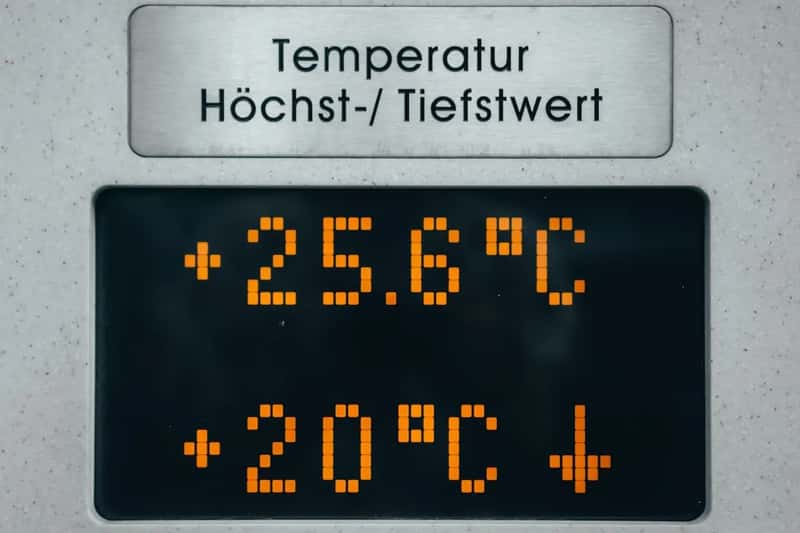
Americans arriving at a European hotel sometimes discover, to their surprise, that air conditioning is either weak, absent, or simply not part of the building’s design. This is a genuine structural difference rather than a service failure. As one travel outlet noted, when you’re used to even cheap American motels being pretty spacious, a European hotel can seem a little claustrophobic, and older properties often mean tight staircases or cramped elevators[4], and the same older buildings often lack modern climate control entirely.
That said, the gap is narrowing in some regions. There’s a growing number of stays investing in AC, partly to quell the concerns of their American guests and also because the temperatures are just getting too high[4]. Still, guests who call down demanding the room be set to a specific low temperature, or who complain loudly about the lack of central air, are usually easy to spot.
6. Dressing for comfort, not for the lobby
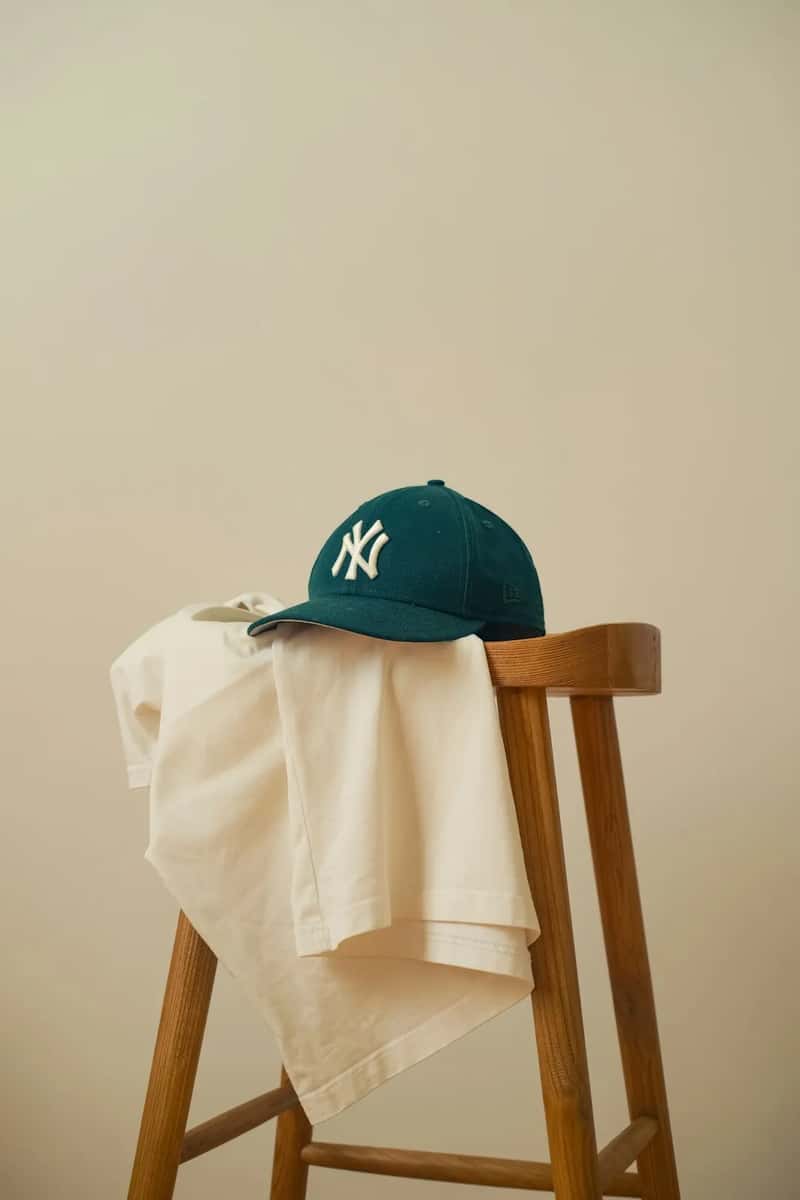
Baseball caps, athletic sneakers, and oversized backpacks are practical for travel days, but they also tend to mark someone as American before they’ve said a word. According to one cultural roundup, Europeans have mentioned that American tourists sometimes favour very casual attire like baseball caps, athletic trainers or large backpacks, which can look distinctive compared with the generally fashion‑conscious crowd in many European urban centres[1].
This shows up most clearly at breakfast, in hotel lobbies, or at the concierge desk, where local guests often dress a notch more formally even for casual errands. While comfortable clothing is essential for travel, dressing with a bit more awareness of local norms can make travellers feel more at home among the locals[1]. It’s not about abandoning comfort entirely, just dialing down the gym-wear energy in shared hotel spaces.
7. Expecting constant small talk from the front desk
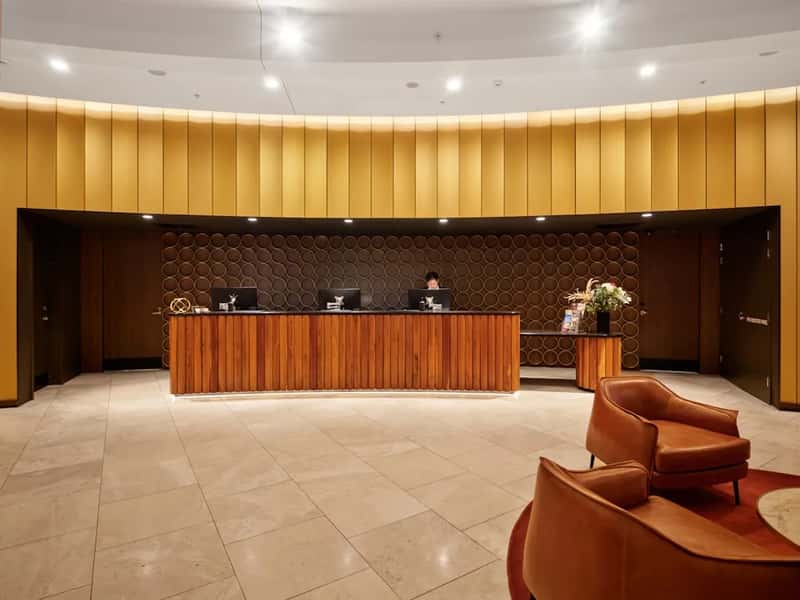
American hospitality tends to run warm and chatty by design, with front desk staff trained to greet, check in, and send guests off with a cheerful farewell. European hotel service, particularly outside the biggest international chains, often runs quieter and more reserved. One hospitality comparison summed it up well: in the United States, hospitality often feels upbeat, chatty, and highly visible, while in Europe, service is often more understated, professional, efficient, and respectful[8].
Guests who seem confused or even a little put off by a brief, businesslike check-in are usually easy to identify. As another source on hotel standards put it, service in European hotels tends to be polished and personalized, though more formal than what many U.S. travelers might expect, and even in large hotels, travelers may encounter less overt friendliness and more understated professionalism[9]. It isn’t coldness, it’s simply a different rhythm of service.
8. Arriving with oversized luggage
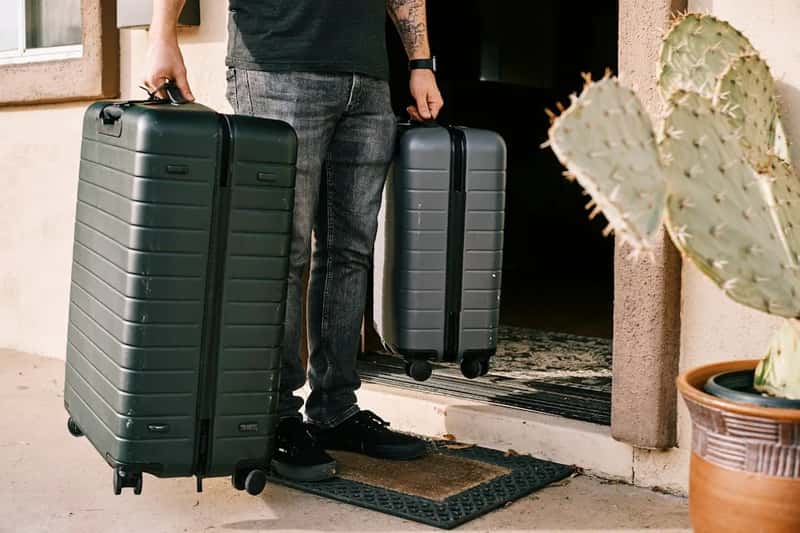
Rolling up to a boutique European hotel with two enormous suitcases per person is one of the fastest ways to draw a knowing glance from the staff. Many older buildings were never designed with modern American-style luggage in mind. As one travel guide points out, American tourists often overpack for European trips, unaware that trains, hotels, and cobblestone streets aren’t built for bulky luggage, and narrow staircases, compact elevators, and small cars make giant suitcases a hassle[7].
The room size itself compounds the problem. A typical European hotel room is around a third smaller than an American one, often measuring somewhere between 65 and 90 square feet of usable space[10], which leaves very little room to maneuver oversized bags. Staff who watch guests wrestle suitcases up narrow spiral staircases or squeeze them into elevators built for two people can usually guess the nationality before the guest even reaches the front desk.
None of these habits are wrong, exactly. They’re just shaped by a different set of everyday norms, from tipping culture to room sizes to how loudly people are used to speaking in public spaces. Recognizing them ahead of time won’t make anyone less American, but it might make check-in a little smoother, and the stay itself a little more in step with local rhythm.