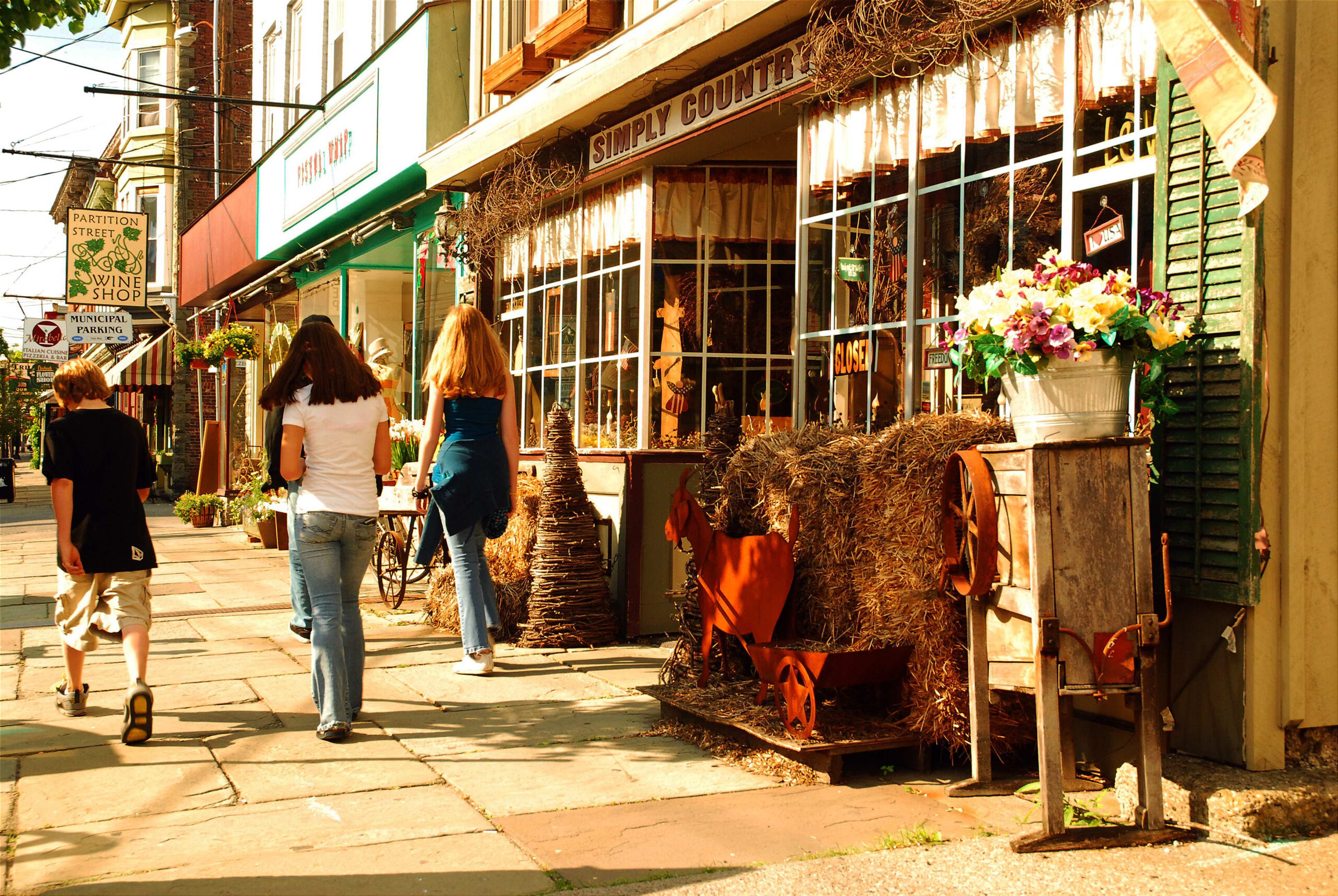
You land in a city where no one knows your name.
The signs are unreadable. The conversations dissolve into texture.
You are nobody. And somehow, that feels like everything.
There is a gap – a sliver of psychological real estate – between the self the world has built for you and the self that quietly surfaces the moment nobody can label it. At home, your words betray you. They carry your accent, your history, your apologies.
Abroad, in a tongue you don’t own, the noise of identity falls away. The stranger in the market doesn’t know you failed. The woman at the café counter doesn’t know what you owe. The city does not hold your past against you.
The Temporary Identity
Every city you enter without the language hands you a new costume. No résumé. No reputation. No inherited role.
You become, for the first time in years, undeclared.
Identity itself is a mix of introjections from others and how we make sense of our experiences – and when we travel, we must also contend with whatever stereotypes and prejudices precede us. But here’s the dark grace of linguistic silence: no one can project onto a blank page. They see posture. They see gesture. They see the way you hold your coffee cup. They do not see your credit score, your divorce, your diagnosis.
The temporary identity isn’t a lie. It’s a pause.
It’s the self before it was shaped by the people who needed it to be something specific.
And for a few days in a city where the language moves through you like weather – not landing, not sticking – that pause feels less like absence and more like oxygen.
The Weight You Left at the Gate
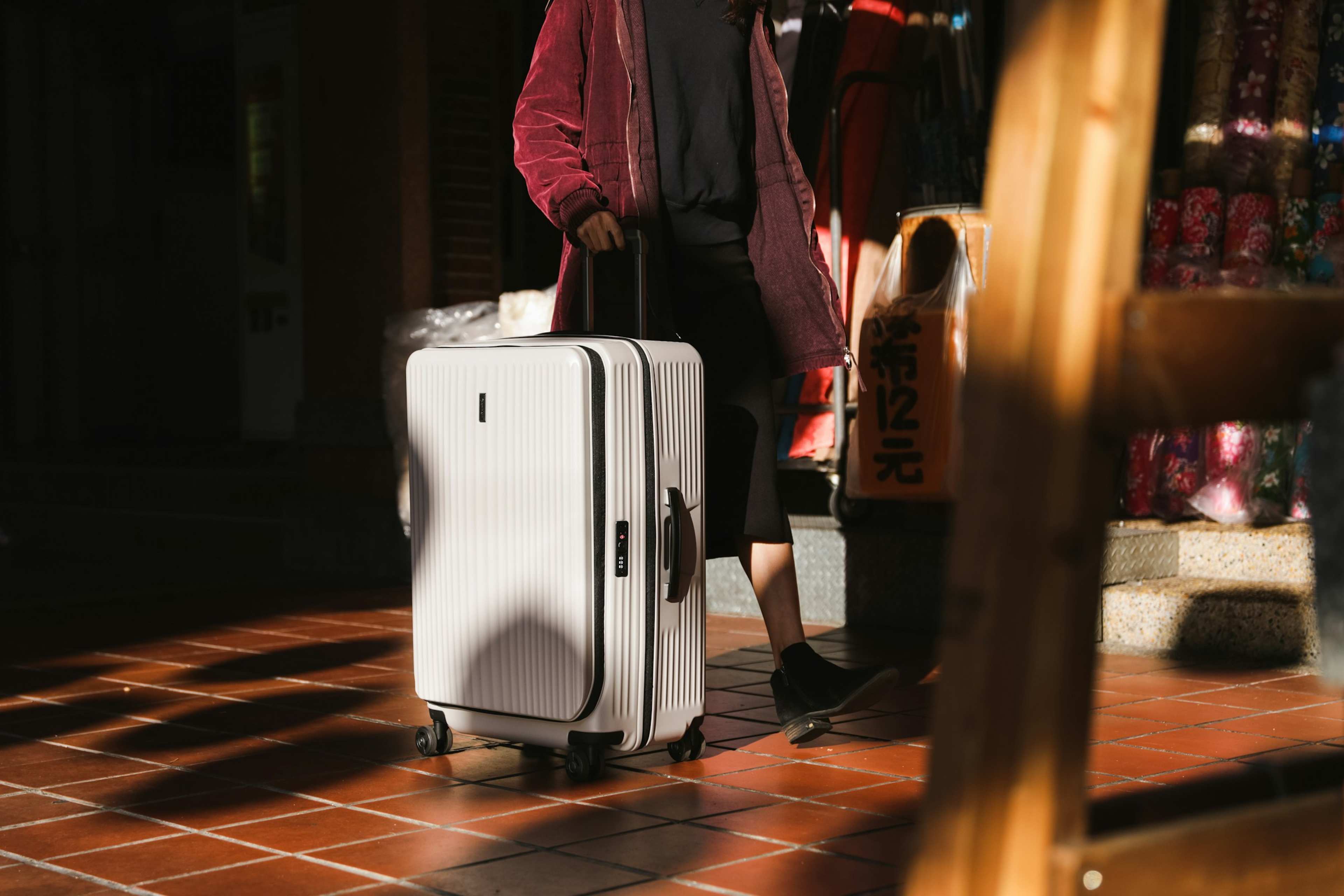
Words, at home, are luggage. Heavy, loaded, full of old clothes.
Every conversation in your native tongue carries context. History. The specific weight of being known.
At home, people are surrounded by context. They are known as the boss, the parent, the former spouse, the founder, the employee, the neighbor – the person with a history. That context isn’t always a comfort. Sometimes it’s a sentence.
But many travelers are becoming less interested in narrating the experience in real time, and more interested in what it feels like to move through a place without carrying their full digital identity, professional role, social expectations, and personal history into every moment.
In a foreign city, you leave that luggage at the gate. Not because it disappears. Because nobody there has the key to open it.
The relief you feel walking into that first street where nobody speaks your language isn’t wanderlust. It’s decompression.
The Architecture of Silence
Silence, in a foreign city, has physical shape.
It lives in the space between a shopkeeper’s question and your best approximation of an answer. It breathes in the moment before you gesture instead of speak. It sits beside you on the metro, benign and wide.
When verbal communication is taken away from you, even the simplest tasks like ordering a salad or purchasing a bottle of water become different experiences entirely. But notice what that difference actually feels like. Not always panic. Often, presence.
You are forced to read the room with your whole body. You become perceptive in new registers. You notice faces the way a painter notices light.
Silence strips the verbal scaffolding from social interaction. What remains is something older. Something pre-language.
And in that ancient frequency, you discover that you were never really your words. You were always something quieter underneath them.
The Anonymity Effect
Psychology has long understood that anonymity rewires behavior. Psychologist John Suler proposed the online disinhibition effect, describing how people behave differently when anonymous – often leading to more uninhibited behavior, including increased self-disclosure.
Translate that to a foreign city. You’re not online. But you are, in every social sense, anonymous.
Nobody can Google you. Nobody can place your family name. Nobody has seen you cry in a parking lot or heard you say the wrong thing at the worst moment.
“On one hand, you feel protected and safe because your identity is unknown to the other person,” and in that protection, something interesting happens. You stop performing. You stop pre-editing. You breathe out a self that your hometown never made space for.
It is not necessarily about vanishing. It is about reducing the amount of self that a person has to perform while away.
That reduction is not subtraction. It is liberation.
The Mirror You Can’t Avoid
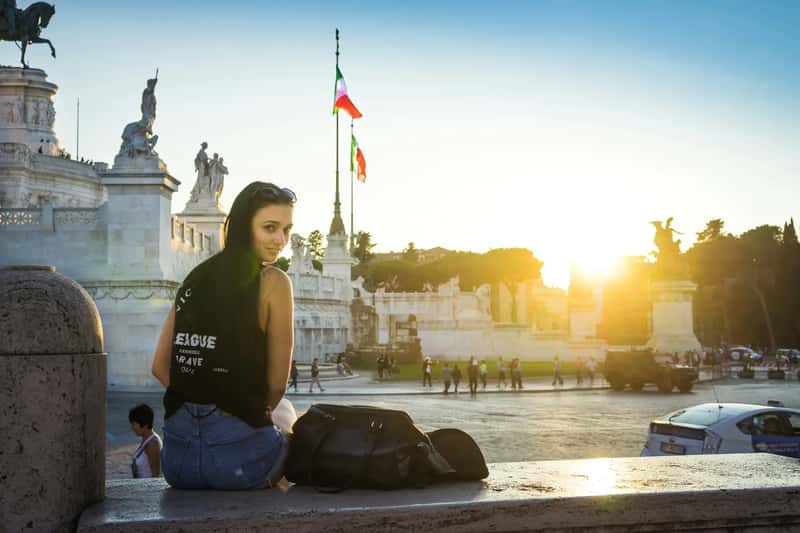
I remember standing in a train station in Lisbon. No one was looking at me. No one could have picked me out of any social lineup. I was a foreigner without a label.
And for the first time in a long time, I looked at myself instead of monitoring how I was being looked at.
That is the mirror that foreign silence holds up. When you cannot rely on language to negotiate your social position, you are thrown inward. Struggling with our sense of self is a process that happens in comparing our home country with the host one. Discrepancies between expectations and reality can cause a confrontation with identity because they challenge our perceptions of ourselves and the world around us.
But that confrontation, that strange and beautiful discomfort, is precisely where honesty lives.
When you can’t talk your way through who you are, you have to be who you are. Quietly. Bodily. Truthfully.
The Exit Strategy
Most people don’t admit this. But the trip abroad is sometimes a rehearsed escape.
Not from geography. From expectation.
The need to start over is deeply linked to autonomy – the human right to self-determine one’s path in life. For some, continuing in the same environment, surrounded by the same stigma or familiar pressure, is emotionally devastating.
The foreign city is a legal, affordable, temporary version of the radical reinvention. You don’t need a new passport. You just need a place where your name sounds like music nobody recognizes.
You plan the trip. You book the flight. But what you’re really scheduling is an exit from the version of yourself that people at home keep insisting you are.
The language barrier is not the obstacle. It is the door.
On this side, the old self. On the other, the quiet, unnamed, sovereign one.
The Language of the Body
Strip away words and something ancient surfaces.
You learn to communicate in eye contact, in half-smiles, in the tilt of the chin that means yes, in the open palm that means please. Articulating each syllable and playing physical charades to support your points can be more effective than expected – pretending to take a photo with invisible hands easily communicates a request without a single shared word.
This is not humiliation. This is excavation.
Every sophisticated, defended, highly verbal person becomes briefly humble in a foreign tongue. And in that humility, they discover a body that knows how to communicate without a script.
The power in a foreign city isn’t just the freedom from being known. It’s the discovery that you can reach another human being without the instrument you’ve been relying on your entire life.
That revelation tends to follow you home.
The Performer at Rest
Social life, at its core, is performance. We are always playing a version of ourselves calibrated for the audience in the room.
Some travelers develop a quiet instinct to hold back where they still can. They may not be able to step outside every layer of documentation, but they can choose not to amplify it with voluntary self-exposure.
In a language you don’t speak, the performance is suspended. Not because you’re hiding. Because the script doesn’t exist.
There is no local dialect for your anxiety. No idiom for your social comparison. The language of your particular performance – the one you’ve been polishing since childhood – has no translation here.
And when the performer rests, the person underneath stretches.
This is the power people report and struggle to name. It isn’t arrogance. It isn’t ego. It is the sensation of finally, briefly, being off-stage.
The Identity Gap as Survival Tool
The gap between who we perform and who we are doesn’t close at the departure gate. It widens.
And this is not pathology. The psychological relief of escaping judgment and starting anew is significant, enabling individuals to thrive in environments where no preconceived biases exist.
Travelers who chase this relief are not running away from their lives. They are running toward a version of themselves that their lives have not given them room to inhabit.
Moving abroad – or even passing through – can produce a new sense of self that is both inwardly and outwardly kinder, more resilient, and more empathic.
The identity gap is not a wound. It is a working space.
Silence is its raw material. The foreign city is its studio.
And the traveler who learns to live in that gap, even briefly, returns to ordinary language with an entirely new relationship to words – and to the self those words once held hostage.
The City That Doesn’t Know What You Owe
This is the heaviest truth.
You owe things at home. Time. Explanations. Better versions of yourself. You owe people the story they built around you, and the obligation to remain consistent with the character they cast you as years ago.
The foreign city knows none of this. Anonymous travel answers a deep fatigue by restoring what movement once offered more naturally – a chance to move through the world with fewer labels attached.
In a place where the language slides off you like water, where the street signs might as well be constellations, where you are just a person moving quietly through space – the debt lifts. The role dissolves. The accumulated weight of being a specific, documented, accountable self becomes, for a few days, beautifully optional.
And the power you feel isn’t delusion. It isn’t escapism. It is the clean, clean feeling of existing without explanation.
There is something we never quite say out loud about why certain trips stay with us. It isn’t the architecture. It isn’t the food. It’s that we were briefly returned to ourselves – the undivided self, the pre-narrative self, the one that existed before the world decided who we were going to be.
Silence gave us that. Not the absence of noise, but the absence of the particular noise that comes from being known. The foreign city didn’t ask us to account for ourselves. It simply let us walk through it, unnamed and unencumbered, watching the light change on buildings we couldn’t read, surrounded by conversations we couldn’t translate, feeling, somehow, absolutely fluent.
We carry that city back inside us. And on the worst days at home – when the words feel like cages and the roles feel like inheritance – we return to it. That city where no one knew our name. That silence that held us without needing to understand us.