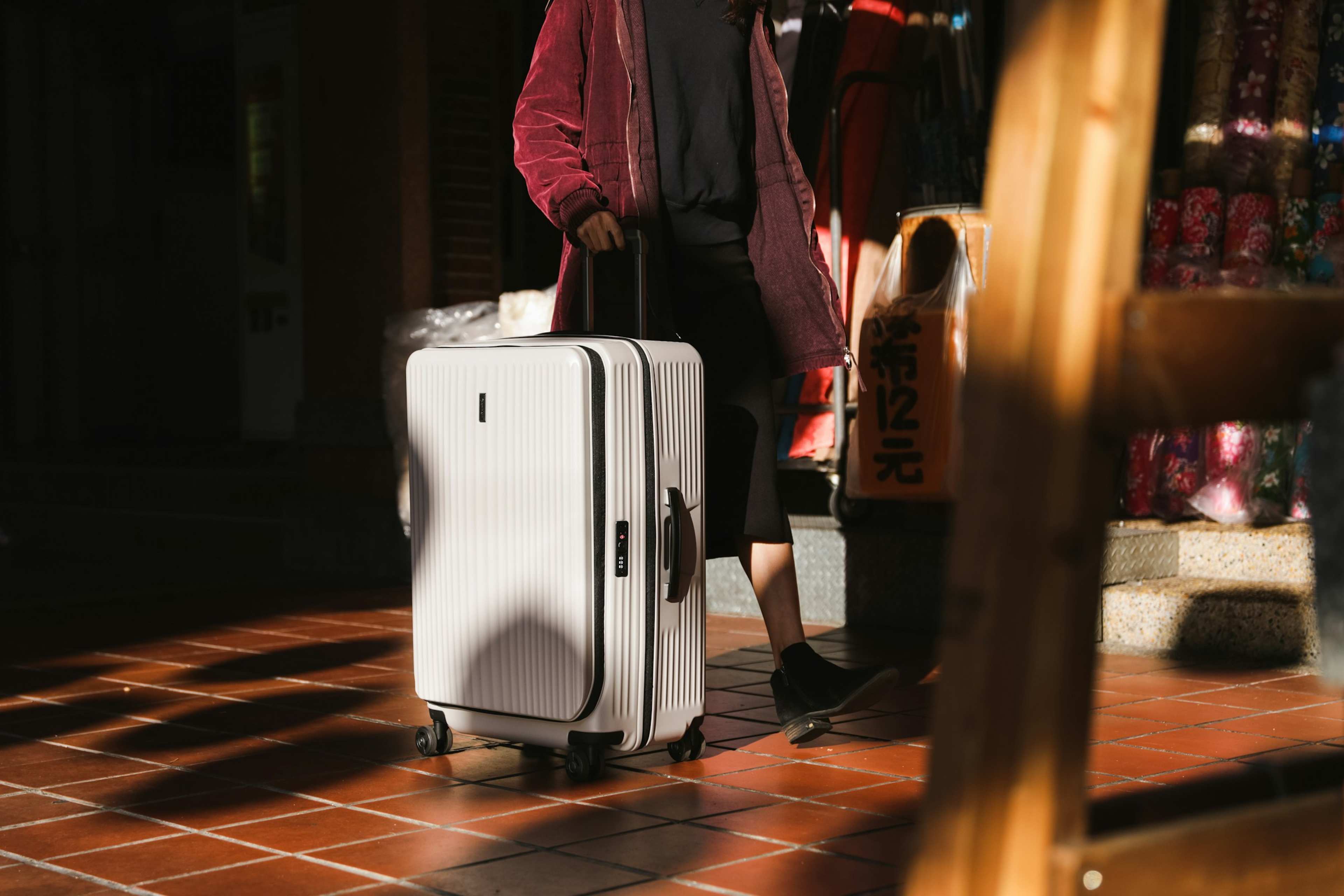
Air travel in 2026 is already stressful enough. Cramped seats, long lines, delayed flights, and overpriced water bottles. The last thing anyone needs is the person next to them making it worse – and sometimes, without even realizing it, that person is you. What you wear to the airport matters more than you think, not just for your own comfort, but for everyone sharing that terminal with you.
From seasoned TSA agents to travel etiquette experts, the consensus is clear: certain clothing choices turn a manageable journey into a collective nightmare. Some outfits slow down security lines for dozens of people. Others create genuinely uncomfortable situations for fellow passengers. Let’s dive in.
1. Heavily Bedazzled or Sequined Tops

Sparkle looks great at a party. At an airport security checkpoint, it is basically a flashing siren. Former TSA agent Jasmain Washington told the Huffington Post that bedazzled clothing is a fashion choice worth avoiding at the airport, because the intricate embellishments and sequins can actually set off sensitive security scanners, leading to additional screenings including wanding and pat-downs that slow down the entire process.
This could even prevent you from getting to your gate on time, and while it is not exactly fun advice, choosing clothing with fewer bedazzled gems is simply the smarter move on travel days. Think about it like wearing metal-tipped boots to a marathon – technically allowed, but not a great idea. The person behind you in line will feel the consequences just as much as you do.
2. Oversized, Extremely Baggy Clothing

Here is the thing about wearing your roomiest hoodie or baggiest sweatshirt to the airport: Former TSA agent Kimberly Pruitt explained to Insider that TSA agents are required to inspect travelers wearing baggy clothing to ensure they are not concealing dangerous or banned objects, and it is not just oversized sweaters – maxi skirts and large dresses can trigger extra inspections and pat-downs too.
The TSA officially defines bulky clothing as any garment that is very loose or does not conform to the contour of the person, including oversize pullover hoodies, large sweaters, cardigans, and ponchos, and if a traveler cannot or refuses to remove such items, additional screening will occur. That extra screening is not just your problem. Everyone standing behind you absorbs the delay. It is the airport equivalent of showing up to a fast food drive-through and not knowing what you want yet.
3. Shoes That Are a Nightmare to Remove
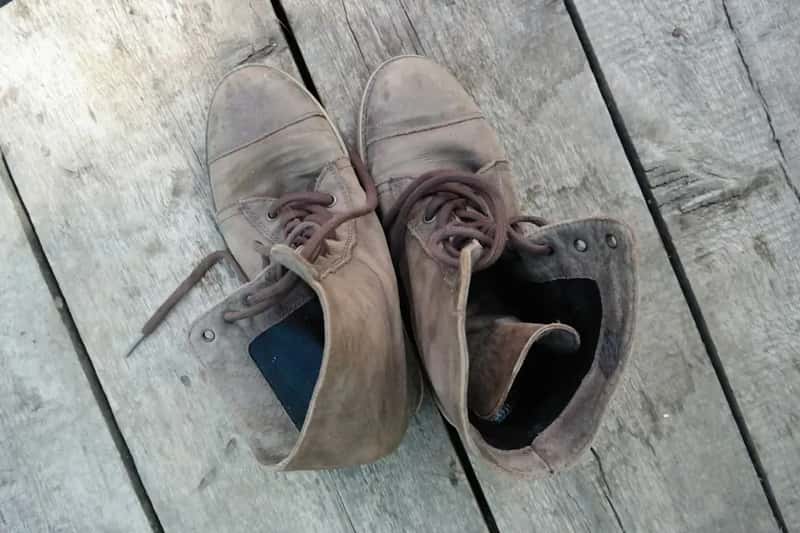
Some airports are quite large and demand comfortable walking shoes, but more critically, your shoes need to be easy to slip on and off, because most airport security checkpoints require you to remove them temporarily and you do not want to slow down the line struggling with strappy sandals or knotted laces.
Thigh-high boots, for instance, can be a genuine hassle to remove when going through airport security checks, and wrestling with them while trying to comply with procedures is both time-consuming and frustrating for everyone involved. Honestly, I think stilettos and knee-high lace-up boots belong in the checked bag, not on your feet. Open-toe styles also leave your feet exposed to freeze on the plane, and certain stiletto heels could theoretically puncture a hole in evacuation slides.
4. Heavy Metal Accessories and Studded Clothing
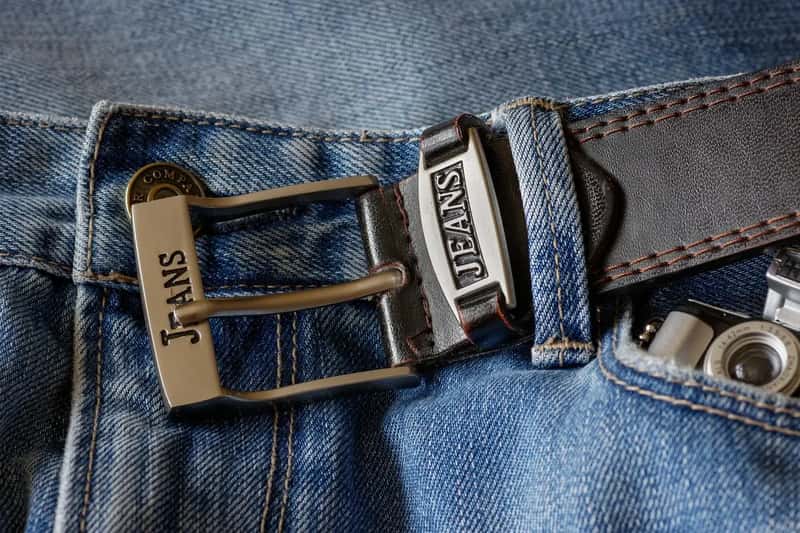
Everything from metal clothing fasteners and body piercings to keys in your pocket could cause an alarm in the security line. This includes chunky chain belts, studded jackets, large metal-buckle bags worn on the body, and layers of stacked bangles that take three minutes to wrestle off. Any items of clothing with large metallic embellishments such as buckles or zips will set alarms ringing, necessitating physical searches.
Heavy jewelry, layered belts, metal snaps, tall boots, and dense outerwear all raise the odds of an alarm and a follow-up check. The slower part of that process is not the scan itself, it is everything that comes after: stepping aside, removing items, rescanning, and repacking while the line keeps moving without you. Belt buckles can easily cause issues, and if you want to travel efficiently, choosing a belt-free outfit or preemptively removing your belt and putting it in the bin is the smarter move.
5. Pajamas and Full Sleepwear Ensembles

This one is genuinely controversial right now. U.S. Secretary of Transportation Sean Duffy recently lamented the rise of casual dress among airline passengers, calling for travelers to go back to an era where they did not wear pajamas to the airport. The debate has been fierce on social media, with many passengers pushing back, arguing that airlines have made flying so miserable that comfort is now a necessity. Fair point, honestly.
Still, there is a practical and social reality here. The Department of Transportation highlighted statistics of travelers behaving badly, including a 400% increase in in-flight outbursts since 2019, with the number of unruly passenger events doubling between 2019 and 2024. Tampa International Airport even became the first airport to announce a dress code rule in early 2026 via a post on X, banning pajamas from the premises, while noting that airports generally do not have official fashion rules, but many airlines maintain their own dress codes. Full flannel pajama sets send a signal to fellow travelers that the shared space is basically your bedroom. It is not.
6. Strong Perfume or Heavily Scented Clothing

Wearing a cloud of fragrance into a confined terminal and aircraft cabin is one of the most quietly disruptive things a traveler can do. A certain percentage of the population has extreme sensitivities to fragrances, and when seated in an enclosed area like a plane with no escape, it is not just about discomfort – exposure can trigger a massive 24-hour migraine or even a severe asthma attack in vulnerable passengers.
Strongly scented perfumes or colognes are consistently flagged as something that may bother other passengers in shared travel spaces. Delta’s approach to passenger comfort specifically flags unclean clothing, strong odors, and offensive or overly revealing outfits as concerns to be mindful of. Think of wearing heavy fragrance on a plane like blasting music without headphones. You think it is pleasant. Everyone else is just trying not to say something.
7. Offensive or Provocative Graphic Clothing

Every airline publishes a legal document called a Conditions of Carriage, which gives them the right to refuse transport for safety, health, or comfort reasons, and most include language about offensive clothing or inappropriate attire without defining exact standards – meaning gate agents and crew members make judgment calls, and what seems fine to you might cross the line for airline staff, especially if other passengers complain.
Spirit Airlines formally revised its contract of carriage on January 22, 2024, specifying that passengers may be denied boarding for being barefoot or inadequately clothed, wearing see-through clothing exposing private areas, or displaying lewd, obscene, or offensive tattoos or clothing. It is hard to say for sure where the exact line is, since airlines leave it subjective. But wearing a shirt plastered with crude language or threatening imagery into a space shared with families, children, and people of all backgrounds? That is just not a trade-off worth making.
8. Complicated Layered Outerwear Without a Plan
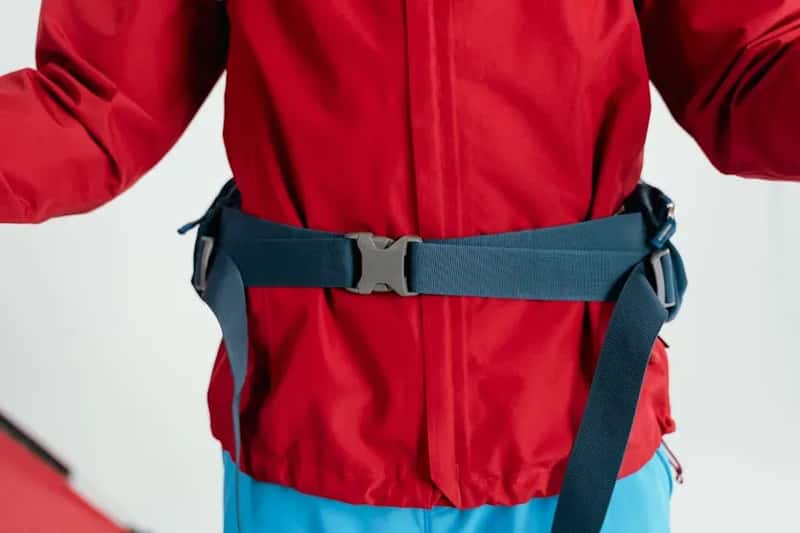
Airport screening requires travelers to remove coats and jackets – and this includes outerwear like hoodies, sweatshirts, and vests – before going through the metal detector at TSA security. The problem is not wearing layers. Layers are smart. The problem is arriving at the belt completely unprepared, with no idea that the enormous parka and three-zip fleece need to come off right now, immediately, with people piling up behind you.
According to results from a USA Today Blueprint survey, roughly six in ten travelers have made a mistake at a TSA checkpoint in the last five years. Unprepared outerwear is a major contributor to that stat. Wearing a long-sleeve shirt underneath your outerwear is the classic pro move if you’re worried about staying warm while waiting, keeping you both comfortable and prepared. Think of getting dressed for the airport the same way you’d think about packing a carry-on: everything needs to be easily accessible.
9. Swimwear or Beach Cover-Ups
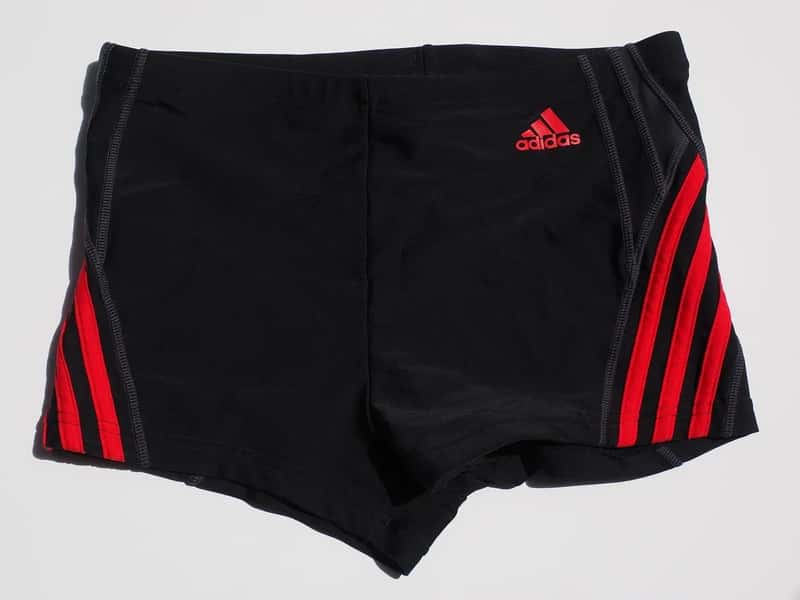
It is tempting, especially when heading from a warm destination or making a quick connection. But airports are shared public spaces, not resort pools. Swimwear remains strongly discouraged during flights, and Hawaiian Airlines specifically drew a clear line on acceptable attire, prohibiting bare feet and bathing suits such as bikini bottoms or speedos, emphasizing that upper torsos must be appropriately covered – a response to passengers attempting to board in beachwear.
Travel professionals have highlighted the need for vacation-goers to remember that island casual does not mean airplane acceptable. You are sharing close quarters with strangers for hours. A bikini top with a sarong might feel completely natural on a beach, but in a crowded boarding queue it is a different situation entirely. While the definition is subjective, most major airlines list basic expectations in their conditions of carriage – American Airlines, for example, advises passengers to dress appropriately, noting that bare feet and offensive clothing are not allowed.
10. Clothing With Lots of Hidden Pockets or Concealed Compartments

If you go through the scanner wearing clothes with hidden pockets, not only might you forget that you had something in a hidden compartment that could trigger the metal detector, but the hidden compartment itself may cause suspicion, potentially leading to a pat-down – which is why leaving such clothes at home or packed in your suitcase is the smarter choice.
These special travel vests with a dozen zippered pockets sound clever in theory, but in practice they are a security checkpoint time bomb. The most common mistake at security is procedural: travelers reach the bins with pockets full of coins, keys, and bulky items, then try to empty everything while standing in the only spot that cannot handle pauses, creating a traffic jam at the belt and increasing the odds of setting off alarms because items get missed in the rush. The people behind you – all of them – will feel every extra second of that delay.
The Bottom Line on Airport Attire
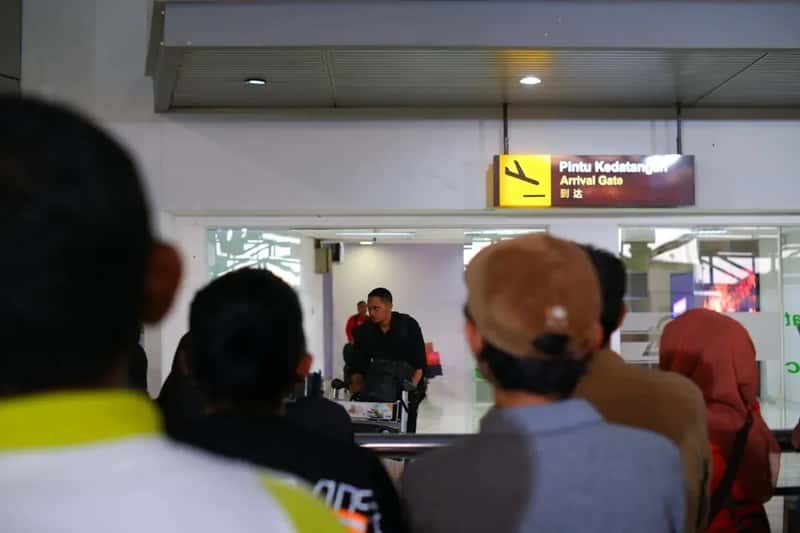
Let’s be real: no one is asking you to dress for a gala. The goal is not glamour. It is simple awareness. Experts consistently note that what you wear can directly impact how long security lines become, and by extension, how stressful the experience is for every single person sharing that space with you.
According to the Department of Transportation, the way travelers have behaved at airports has genuinely worsened in recent years, and the agency launched a formal civility campaign warning passengers about disrespectful clothing among other behaviors. Whether you agree with that campaign or not, the core idea holds: an airport is a shared space, and what you wear there is not purely a personal choice. It affects the people around you in concrete, measurable ways.
Next time you are packing for a trip, give your outfit the same thought you give your carry-on. Because nobody remembers the passenger who wore a sensible, easy-to-remove jacket and got through security in thirty seconds. But everyone absolutely remembers the one who didn’t. What outfit will you choose next time you fly?