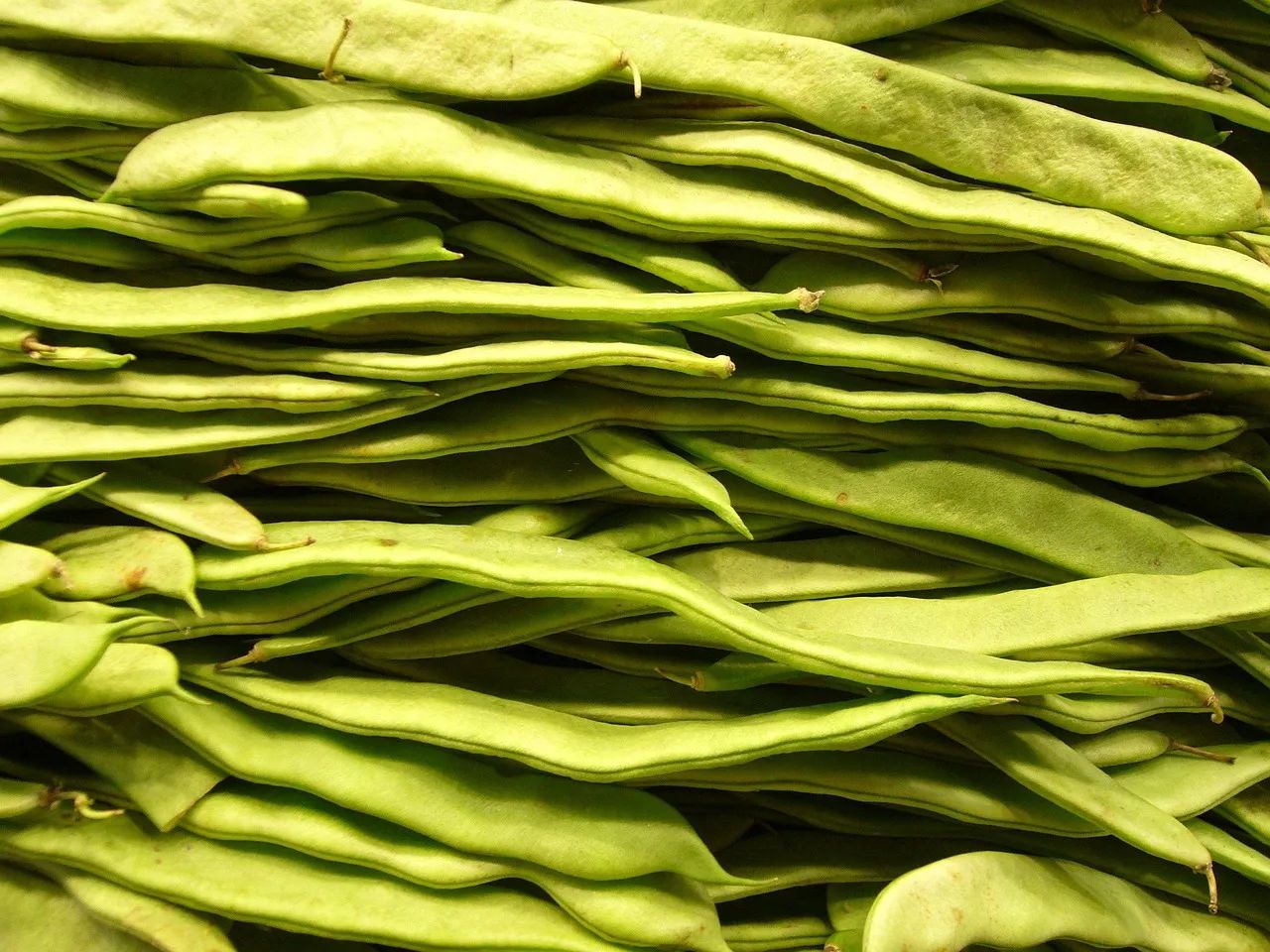
India faces a quiet erosion of its vegetable heritage as traditional crops slip from commercial supply chains. Indigenous varieties such as the clove bean and the Yerengere white long eggplant have largely disappeared from markets, replaced by a narrow range of hybrid options. This shift mirrors a broader global pattern in which diets rely on fewer species than before.
Traditional Crops Fade From Shelves
Farmers and consumers in India once had access to a wide array of locally adapted vegetables. Many of these plants thrived in specific regions and carried distinct flavors, textures, and nutritional profiles. Hybrid varieties now dominate because they offer consistent yields and longer shelf life for large-scale distribution. The result is a marketplace where the same few items appear repeatedly. Shoppers encounter limited choices even as older varieties remain viable in home gardens or small plots. This narrowing happens gradually, often without widespread notice until certain crops become difficult to find.
Seed Savers Work to Hold the Line
Prabhakar Rao founded Hariyalee Seeds in Bengaluru to protect hundreds of heirloom varieties. He collects and maintains seeds that commercial systems have sidelined. Rao notes that people now eat the same few vegetables, and the loss of this biodiversity receives little attention. His efforts focus on keeping these plants alive for future use. Without active conservation, many varieties risk permanent disappearance from everyday cultivation. Rao describes the process as happening under the radar, away from public debate.
Research Confirms a Worldwide Pattern
A study published in PNAS in July assembled data on 1,482 vegetable species worldwide. The authors emphasize that the actual number of local and wild types is considerably higher. Roughly 24 percent of the wild relatives tied to 79 major vegetable species face extinction risk. Lead author Maarten van Zonneveld, who heads the gene bank at the International Potato Center, points out that many species lack protection in formal gene banks. He stresses the need to rescue these vegetables before they vanish entirely. The goal extends beyond storage to active use in farming and food systems.
Why the Loss Matters Now
Uniform diets reduce resilience against pests, climate shifts, and supply disruptions. Diverse vegetables can offer different nutrients and growing traits suited to varied conditions. When options shrink, both farmers and eaters lose flexibility. Conservation work like Rao’s provides one practical response. Broader efforts to document and share these varieties could help restore some of the missing range. The trend affects food systems everywhere, not only in regions where the changes first appear.