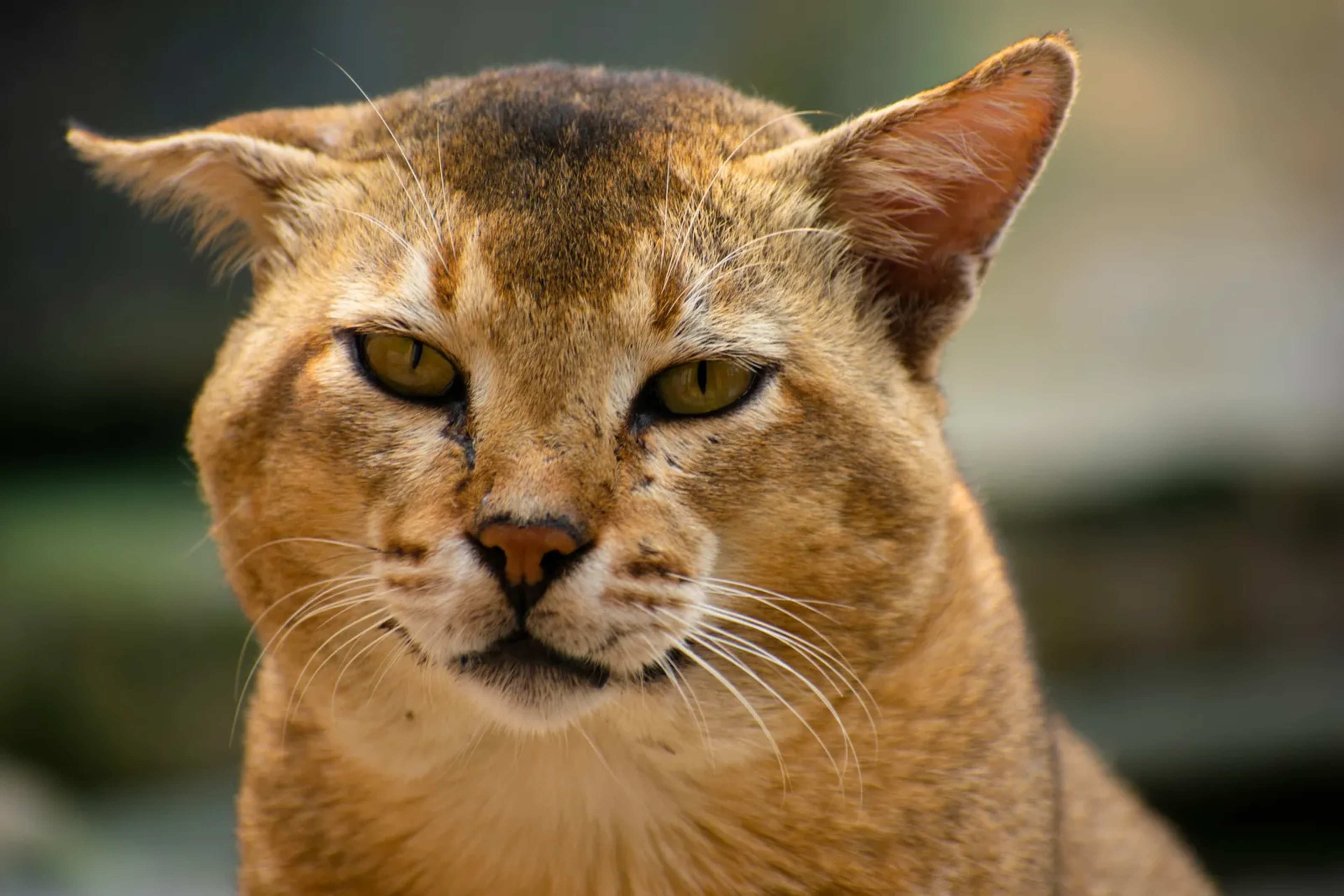
An Indonesian company has asked for international clearance to breed and export one of Asia’s most elusive wild cats for the pet trade. PT Alam Nusantara Jayatama, owned by Danny Gunalen, wants to become the first private operator authorized to sell captive-bred Asian golden cats worldwide. The proposal has reached the CITES Secretariat, and member governments have until November 10, 2026, to raise objections. ([1])
The Cat Behind the Proposal
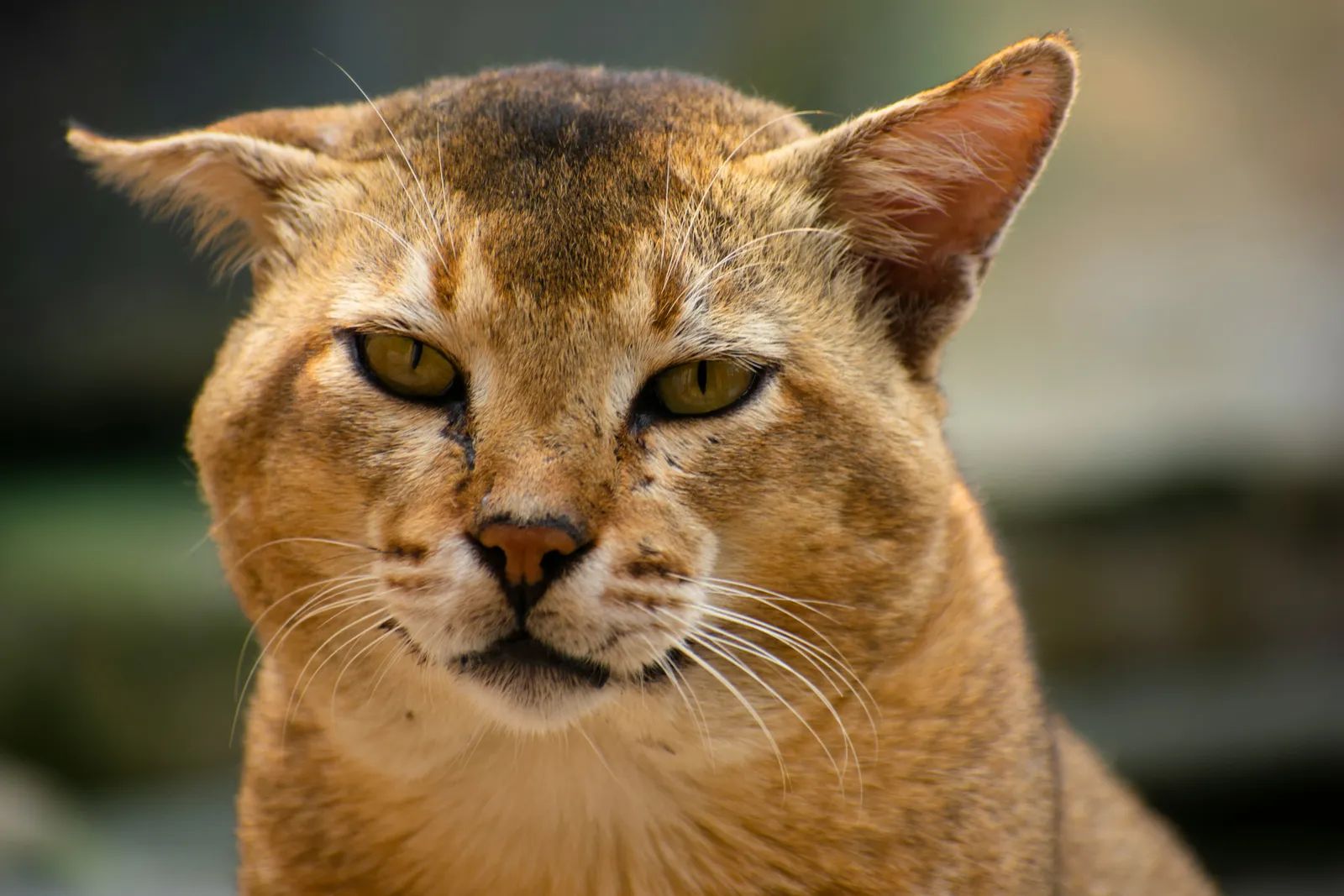
Asian golden cats range across parts of China and much of South and Southeast Asia. Their coats vary from golden to reddish brown, and they carry distinctive white and black facial markings. Despite their striking appearance, the animals remain highly solitary and fiercely territorial in the wild.
These traits make them poor candidates for captive breeding. Only a small number of zoos have succeeded in producing offspring, and those efforts have focused strictly on conservation rather than commerce. Roughly 7,000 individuals are estimated to survive in the wild, with populations declining as forests shrink.
Business Plan and Government Support
The company operates several zoos and breeding facilities in Indonesia. It now seeks formal registration as a commercial breeder of Asian golden cats under CITES rules. Indonesian authorities have already signaled they will certify the operation if no objections arrive by the deadline.
Success would allow the export of live animals to buyers outside the country. The firm has framed the project as a legal, regulated source of animals that could reduce pressure on wild populations, though no independent verification of that claim has been presented.
What Happens Next
CITES parties must decide whether to accept or block the registration. An objection from any member state would halt the plan. Without objections, the facility would gain the right to ship captive-bred cats internationally.
The species is already protected under national laws in most range countries and listed as vulnerable by the IUCN. Any approved trade would therefore operate under strict international oversight, with records required for every animal moved across borders.
Key Considerations for Regulators
- Proven difficulty of breeding the species in captivity outside a few conservation programs.
- Potential impact on remaining wild populations if demand for pets increases.
- Existing legal protections in range states and the species’ IUCN status.
- Requirement for transparent record-keeping under CITES once any trade begins.