
Great Smoky Mountains National Park charges no entrance fee, and it still logged 11,527,939 recreation visits in 2025, according to the National Park Service. “Free” is exactly why winter rules here blindside people. A road can lock at six in the evening, a dog can be turned away from a trail, and a Senior Pass can fail to cover the one fee the park does charge.
The smallest charge on this list is $5. The biggest comes from a rule that sounds like plain courtesy, and its penalty dwarfs everything else here. Start at the bottom and you will see why the countdown ends where it does.
#11 – The Free Park That Still Wants $5 From You
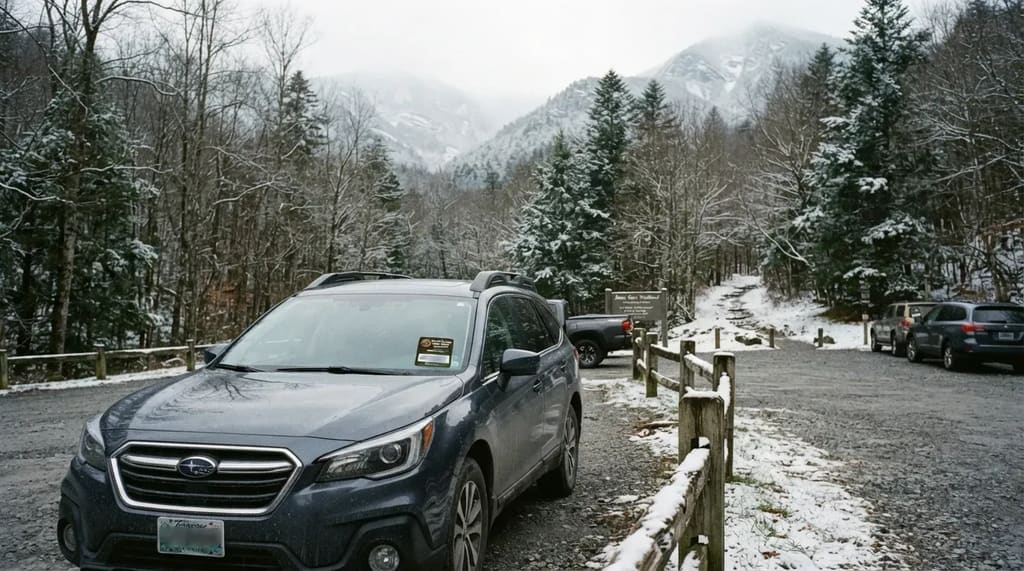
There is no entrance fee, so visitors assume the park is simply free. Then they find the parking tag. Since March 2023, any vehicle parked longer than 15 minutes has to display one. A daily tag is $5, a weekly tag is $15, and an annual tag is $40.1
Fast Facts
- Daily tag: $5
- Weekly tag: $15
- Annual tag: $40
- Required for any vehicle parked longer than 15 minutes
A Senior Pass or America the Beautiful pass will not help, because the tag is a parking fee, not an entrance fee. The math favors the annual tag sooner than you might expect: $40 equals eight daily tags, and three weekly tags would cost $45. Most trailheads have no payment machine, so a hiker who arrives without a tag has no easy way to pay on the spot.2
A paid tag settles where the car sits. It gives no permission for the camera drone riding in the trunk.
#10 – Why the Drone Has to Stay in the Trunk
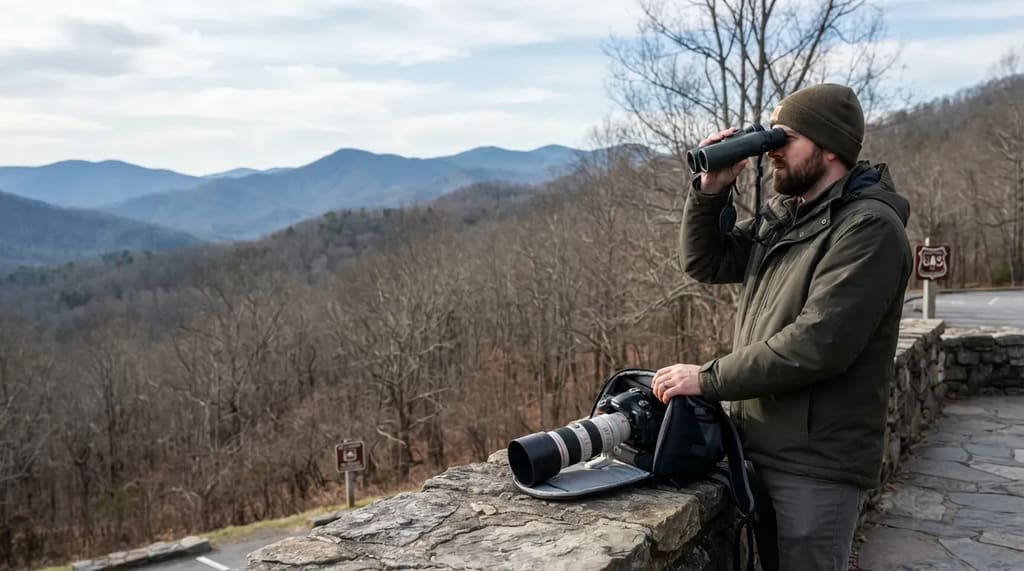
Winter strips the leaves from the hardwoods and opens long views across the ridgelines. That is exactly when a drone starts to look like a great idea. The park does not allow it. According to the park’s own FAQ, launching, landing, or operating unmanned aircraft such as drones is prohibited.3
A drone cannot take off from an overlook, and it cannot come down inside the park after flying in from outside either. The easier plan is to leave it at the cabin and bring binoculars. Binoculars, a telephoto lens or a spotting scope are the recommended way to watch animals in the park, and the bare winter woods give them a longer line of sight than you would get in summer.
#9 – Dogs Are Welcome on Two Trails and No Others
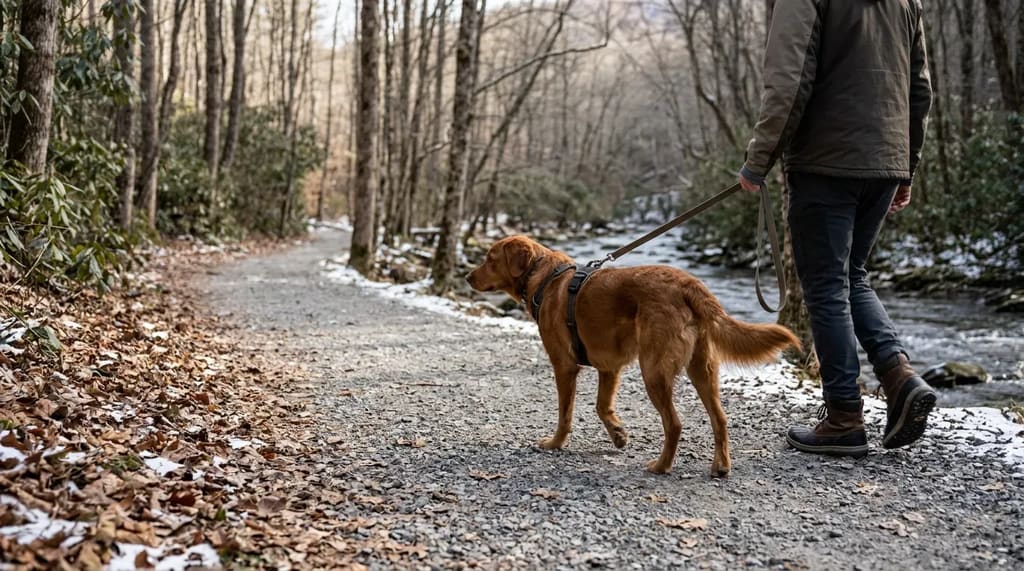
The pet rule stings because the park feels wide open once the summer crowds thin out. Dogs are permitted on only two walking paths, the Gatlinburg Trail and the Oconaluftee River Trail.4 5 They are barred from every other park trail. Nothing gets carried into the backcountry either, so a small dog in a backpack does not get around the rule.
Dogs can still make the trip. They are allowed in campgrounds, picnic areas, parking areas and along roads, as long as they stay on a 6-foot leash at all times.4 The park’s reasoning is concrete: dogs can provoke defensive and predatory behavior in bears, which turns your walk into a risk for everyone else on the same trail.
At a Glance
- Trails open to dogs: Gatlinburg Trail and Oconaluftee River Trail
- Also fine: campgrounds, picnic areas, parking areas and roads
- Leash length: 6 feet, at all times
- Every other trail is off limits, even with a dog carried in a pack
The roads are where a dog gets the most freedom, but two of the park’s best-known scenic drives are closed for the season anyway.
#8 – The Famous Nature Drive That Shuts for Winter
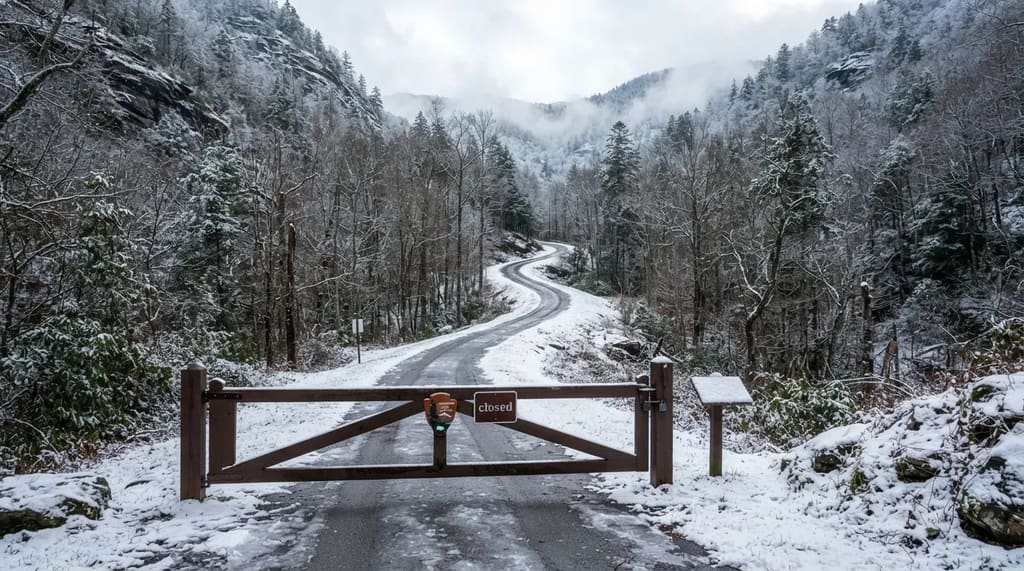
Roaring Fork Motor Nature Trail is a narrow, winding, one-way road where black bears, white-tailed deer and turkeys are often seen.6 Its winter closure crushes visitors who planned a whole day around it. Little Greenbrier Road is closed for the season too. Both belong to the group of smaller roads the park shuts when cold weather arrives.
The reason is the road itself. Steep, sharp inclines and downhill driving make it an impossible venture in cold, wet and icy conditions. A one-way loop also leaves you no easy way to turn around if the surface goes bad halfway through. If wildlife drives are the point of your trip, spend your daylight on the roads that stay open.
#7 – The Low Roads Stay Open Until the Weather Says No
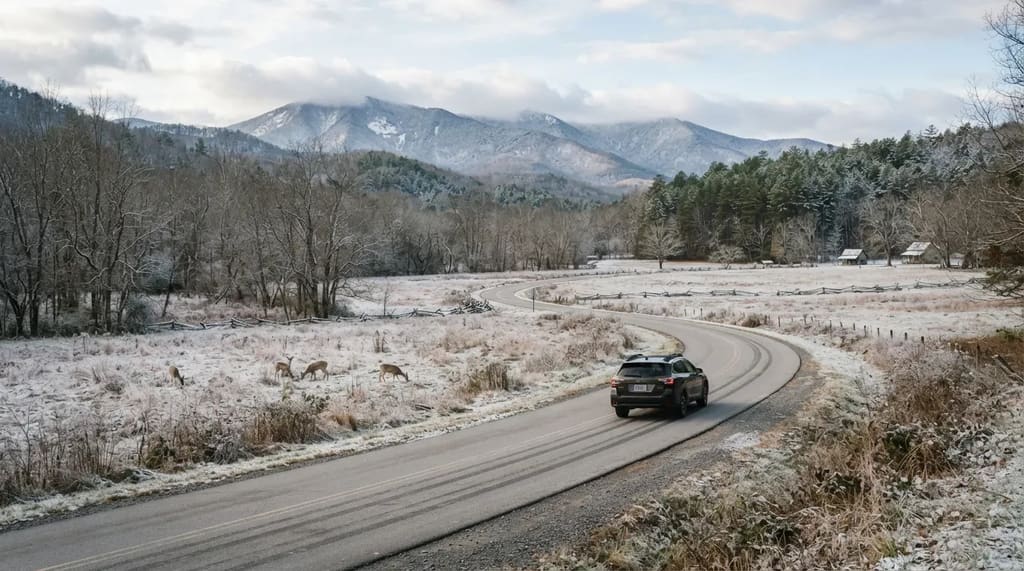
The lower-elevation roads carry most of the winter traffic. Most of the major roads at lower elevations, such as Little River Gorge Road, remain open in winter unless there is significant winter weather.7 Cades Cove Loop is a good winter drive, and wildlife is easier to spot once the deciduous trees have dropped their leaves.
Quick Compare
- Little River Gorge Road: open in winter unless significant weather hits
- Cades Cove Loop: a good winter drive, but on the January 2026 storm closure list
- Roaring Fork Motor Nature Trail: closed for the season
- Little Greenbrier Road: closed for the season
But “open” is a moving target. Cades Cove Loop also appeared on the park’s planned closure list ahead of the January 2026 storm, so open on Monday does not mean open on Friday. Open roads come with manners too: if you see a bear or elk from your car, the park’s advice is to stay inside, and it asks drivers not to stop on the roadway while viewing wildlife. Pull off where there is room, or keep rolling.
#6 – Toothpaste Counts as Bear Bait Overnight
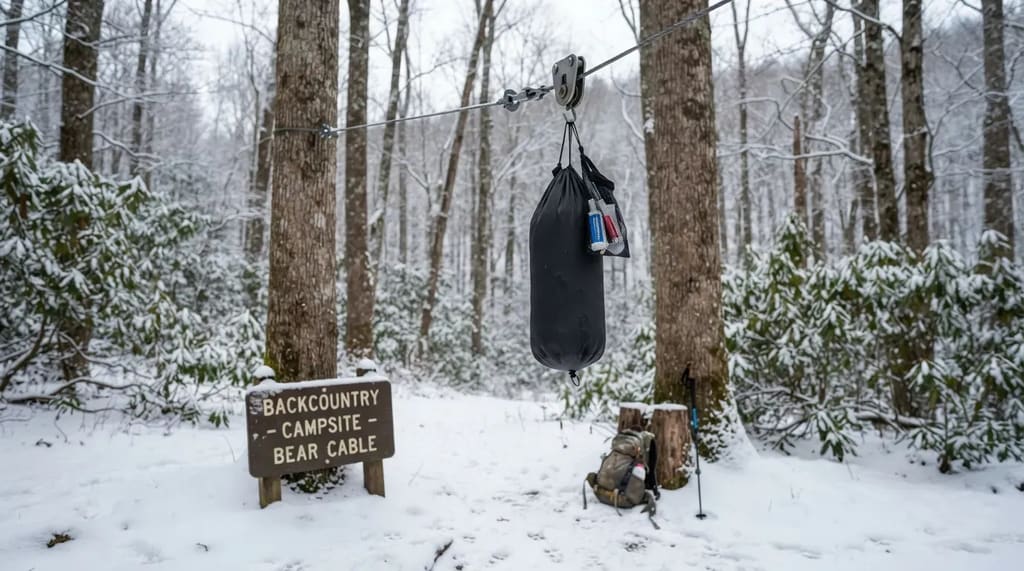
Backcountry campers learn fast that “food” means far more than dinner. All odorous items, including food, trash, lip balm and toothpaste, must be hung on the bear cable system at each campsite or shelter. Your minty bedtime routine is something a bear may find interesting.
Camping itself is limited as well. It is permitted only at designated backcountry campsites and shelters, so you cannot pitch a tent wherever the view is good. Human waste must be disposed of at least 100 feet from any campsite, shelter, water source or trail, and buried in a hole at least 6 inches deep. With frozen ground and short winter daylight, that is a chore to plan before dark rather than during it.
Even a day hiker’s biggest winter goal, the park’s highest summit, sits behind a road that closes to cars.
#5 – Kuwohi Road Locks Up and the Walk Is 14 Miles
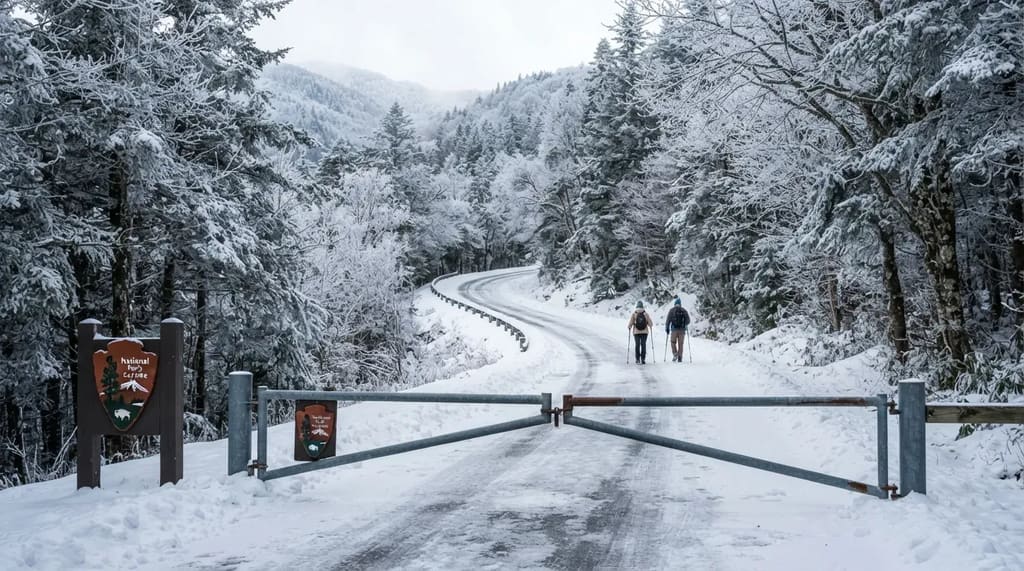
The road to the park’s highest point is a seasonal spur. Clingmans Dome Road typically closes for winter at the end of November because icy and snowy conditions settle in at the highest elevations.7 It stays closed to vehicles through March 31. The Cherokee name, Kuwohi, was restored in 2024, so you will see both names on maps and park notices.
The summit is still reachable on foot, but it means a strenuous round trip of 14 to 16 miles.7 You can take the Appalachian Trail from Newfound Gap or walk up the closed road. That is a serious winter outing, not a stroll from the parking lot. If you do walk the closed road, park only in designated areas so emergency vehicles can still get through.
The trailhead for that long walk is at Newfound Gap, on a highway with closure habits of its own.
#4 – The Highway That Can Close at 6 P.M.
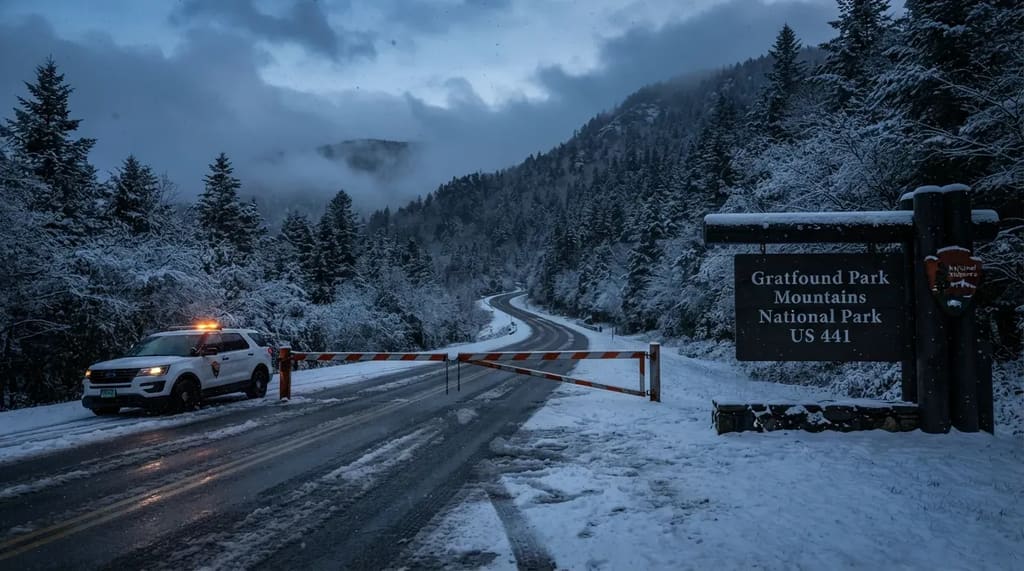
Newfound Gap Road, US 441, is the main route between Gatlinburg and Cherokee, North Carolina. It stays open in winter only as long as the weather allows. During one recent winter event, the park announced it was closing the road between Gatlinburg and Cherokee at 6 p.m. because of expected winter weather, and that it would reopen when crews determined it was safe. A notice that short can strand a day trip on the wrong side of the mountain.
The road is steep, and its grade and the high elevation at the gap can make it especially hazardous in winter. The park also warns that even if conditions look safe near Gatlinburg or Cherokee, higher-elevation roads with steep grades and sharp curves quickly become dangerous. A clear morning in town tells you very little about the gap, so set a turnaround time with room to spare.
On the worst days the list of closed roads runs well beyond this one highway.
#3 – One Winter Storm Can Lock Down Road After Road
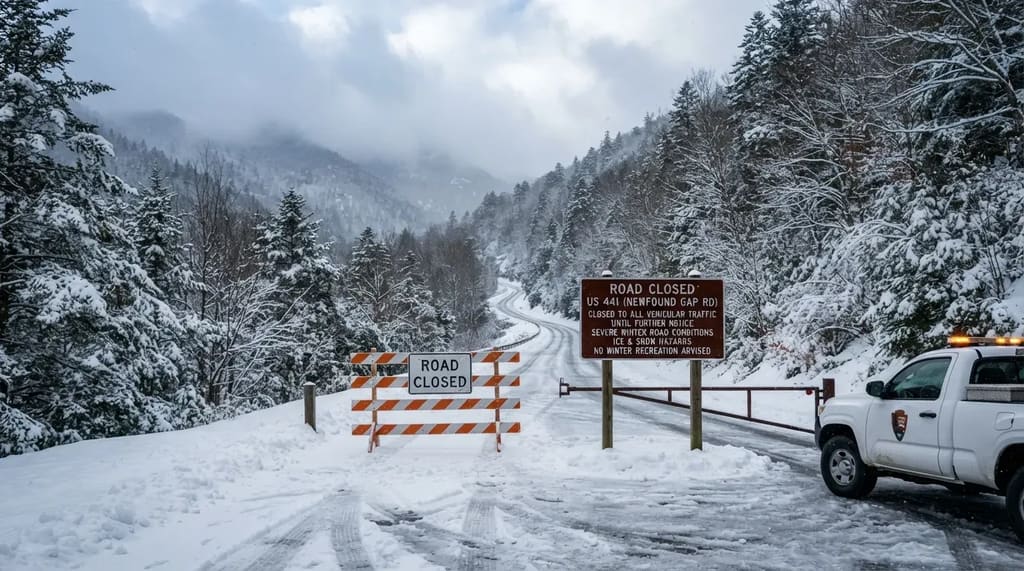
Ahead of a January 2026 storm, the park announced it would close several roads and facilities at 7 p.m. on January 23. The planned list included US 441, Little River Road, Laurel Creek Road, Cades Cove Loop Road, Cosby Entrance Road, Greenbrier Road and Big Creek Road, among others. The notice also said that winter recreation in the park during the storm was discouraged, partly because emergency response could be delayed.
Reopening came in stages. After a major January 30 and 31 snowfall, park staff temporarily reopened several routes. In early February, several roads were still closed because snow, ice and black ice kept creating hazardous conditions. Wear Cove Gap Road, Greenbrier, Tom Branch Road, Upper Tremont and Cataloochee were among them. Officials were clear that these were not ideal winter sightseeing conditions, especially for drivers unfamiliar with mountain driving.
Roads are not the only thing in the park with a safety margin. Wildlife has one too, and it is measured in yards.
Related Stories From Travelbinger
#2 – Fifty Yards From Bears, Twenty-Five From Elk
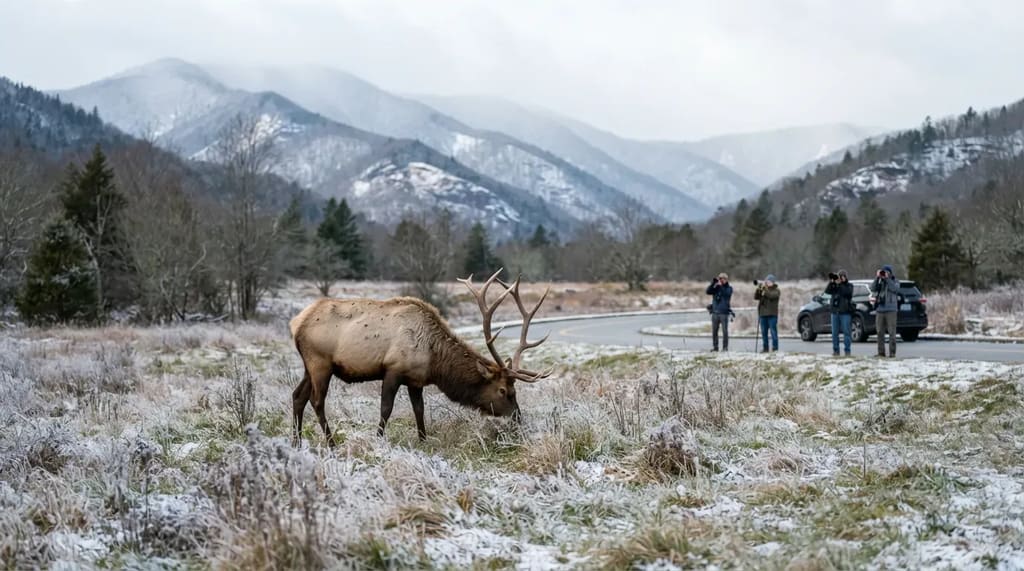
The distance rule is not a polite suggestion on a sign. The park says to stay at least 50 yards (150 feet) from bears and 25 yards (75 feet) from elk, or any distance that changes an animal’s natural behavior. If your presence changes what an animal is doing, you are too close. Violations can result in fines or arrest.6
The surprise is whose job it is to fix it. If an animal approaches you, the park says it is your responsibility to safely and calmly maintain the legal distance. Photos are the usual trap, because approaching wildlife teaches animals that humans are not a threat, which puts both animals and people in danger.6 A telephoto lens does the closing for you without costing anyone a fine.
The distance rule has a companion about food, and its penalty is far heavier.
#1 – A Squirrel Snack Can Cost Up to $5,000
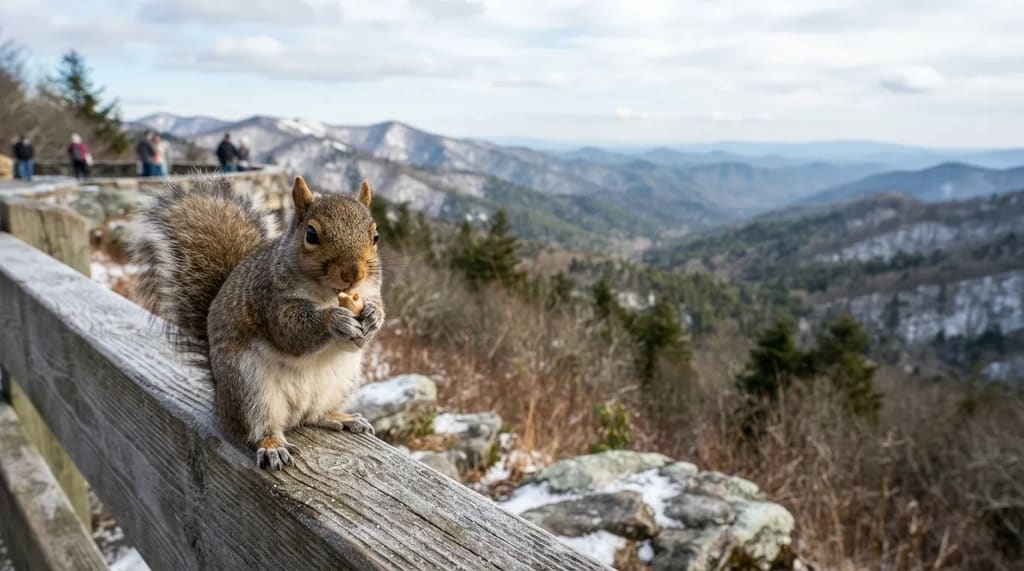
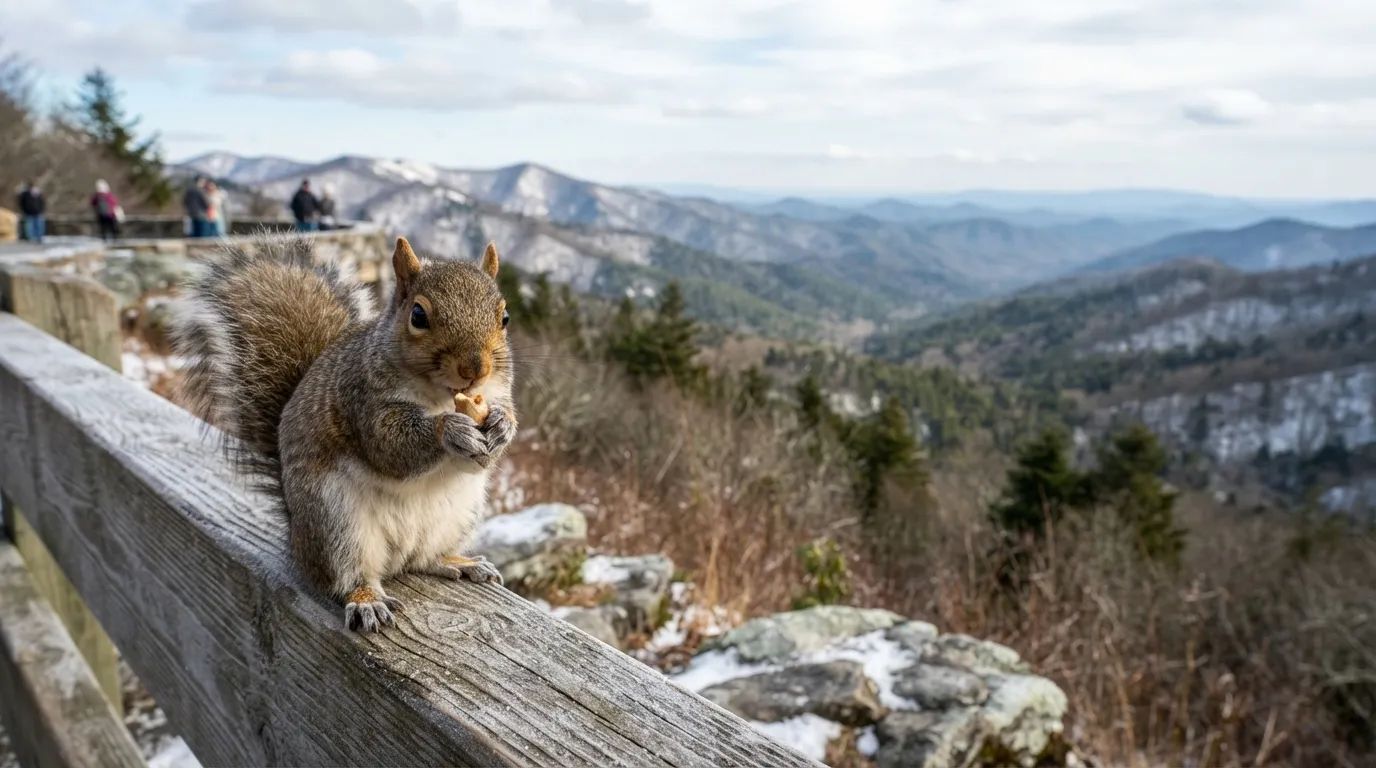
Feeding wildlife is a federal offense, and the National Park Service says it can result in fines of up to $5,000 or imprisonment for up to six months. That is a long way from the $5 parking tag at the start of this list. In August 2025 the park reported that in just one week it received reports of three separate incidents of visitors intentionally feeding bears, including one at Maloney Point where a visitor fed a mother bear and her two cubs.8
The rule is wider than it sounds. It covers squirrels and birds too, because animals that associate people with food may lose their natural fear and become aggressive, dependent or more likely to be hit by cars. It also reaches what you leave in plain view. The park says to lock vehicles to keep bears from food or trash inside, and notes that bears can open car doors. Even one taste matters, since allowing a bear to obtain human food even once can lead to dependence, and the park’s own warning is that feeding can end with an animal’s death.
Worth Knowing
- Penalty: up to $5,000, up to six months in jail, or both under federal law
- Squirrels and birds are covered, not just bears
- Locked vehicles matter, because bears can open car doors
- One week in August 2025 brought three separate bear-feeding reports
Most of the Smokies’ winter rules come down to distance: between you and a bear, between your plan and what the mountain will allow that day. A tag, a gate, a leash and fifty yards all measure it.
Check current conditions on the morning you drive, not the morning you booked. The park posts closures as they happen, and the weather in town rarely matches the weather at the top.
- NPS 2023 Fee Program: https://home.nps.gov/grsm/learn/news/park-announces-2023-fee-program-changes.htm
- Smoky Mountains Parking Tag Guide: https://truenorthmapco.com/pages/great-smoky-mountains-national-park
- NPS Park FAQ: https://www.nps.gov/grsm/faqs.htm
- NPS Gatlinburg Trail Pets: https://www.nps.gov/thingstodo/hike-the-gatlinburg-trail.htm
- NPS Laws and Policies: https://www.nps.gov/grsm/learn/management/lawsandpolicies.htm
- NPS Wildlife Viewing: https://nps.gov/grsm/planyourvisit/wildlifeviewing.htm
- WBIR Winter Road Guide: https://www.wbir.com/article/news/great-smoky-mountains-national-park-tn/clingmans-dome-smokies-road-winter-closure/51-9ed1e283-e4d6-4c6f-af14-da3468890f06
- NPS Bear Feeding Warning: https://www.nps.gov/grsm/learn/news/great-smoky-mountains-national-park-reminds-visitors-that-feeding-bears-is-illegal-and-dangerous.htm