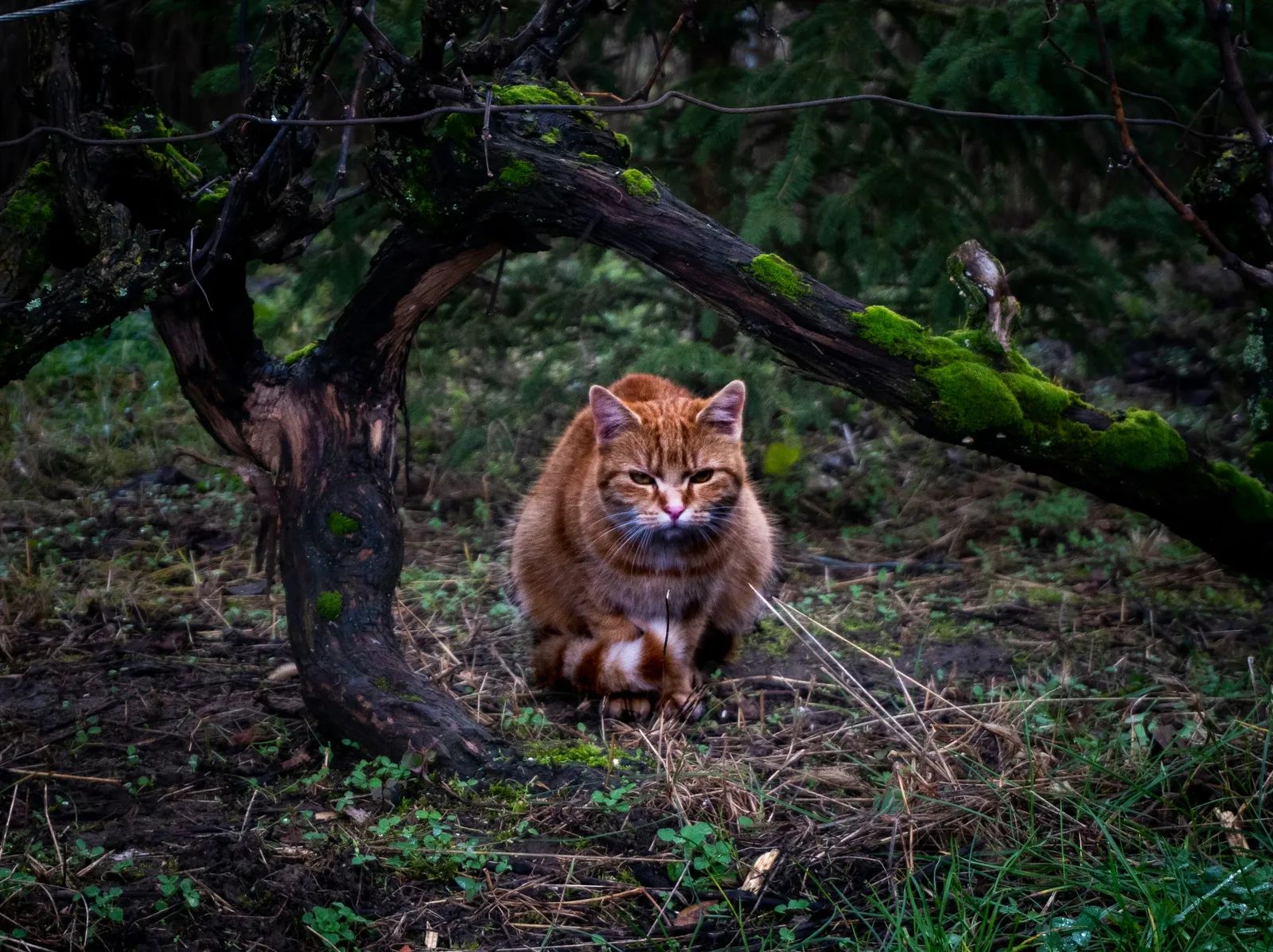
An Indonesian company wants to breed one of Asia’s most secretive wild cats and sell the animals abroad as pets. The request, which has not been approved, asks the global wildlife trade treaty to recognize its facility as a commercial breeder. Specialists who study the species have questioned the company’s breeding record and its treatment of the animals, and the case raises a broader question about whether a threatened forest cat can be farmed for the pet market without adding pressure on wild populations ([1]).
Four cats, 36 animals, and a fast breeding record
Government documents submitted to the CITES Secretariat show that the facility began its breeding program in 2013 with four wild-caught Asian golden cats that were legally acquired. By 2025, the operation reported a population of 36 animals spread across three generations. That growth is the figure that has drawn the most scrutiny.
Mike Brocklehurst, a carnivore specialist who ran a conservation breeding program for the species at Melbourne Zoo in Australia, was blunt about the difficulty. “They are super challenging to breed,” he said. He added that a rate of that size may depend on hand-rearing kittens taken early from their mothers, a method that brings females back into heat sooner. Whether the company relies on such techniques has not been independently confirmed.
What the registration would allow
The application seeks a place on the CITES register of commercial captive-breeding facilities. Member countries had until November 10 to object before the facility could be added. Indonesia’s government has said it plans to certify the operation as a legal breeder of the species.
The rules draw a sharp line between animals taken from the wild and those bred in captivity. Wild-caught individuals fall under the strictest CITES protections, which ban international commercial trade. Captive-bred animals from registered facilities, however, can be sold legally when export permits are issued.
| Animal origin | Treatment under CITES Appendix I |
|---|---|
| Wild-caught Asian golden cats | International commercial trade is banned |
| Captive-bred cats from a registered facility | Legal sale is possible with export permits |
The company is not a newcomer to the register. It already holds CITES registration for Malayan gharials, a freshwater crocodile species native to Indonesia and Malaysia ([2]). However, the register does not yet list the facility for Asian golden cats.
Conservation worries and questions about welfare
The species is classified as vulnerable on the IUCN Red List. Researchers estimate that around 7,000 Asian golden cats remain in the wild, where they face habitat loss as well as poaching for their skins and bones. Critics argue that any trade in captive animals could complicate enforcement, since buyers and sellers would have a legal channel for a species that is still heavily hunted in parts of its range.
Animal welfare is another open issue. Documents sent to the CITES Secretariat by the Indonesian government include images of mating animals and kittens kept in small cages ([2]). The company did not respond to Mongabay’s questions about its exports, the origins of the animals it has shipped, its breeding methods, or its welfare standards. Owner Danny Gunalen did not reply either ([1]).
Related Stories From Travelbinger

Where the decision stands
The objection window closed on November 10, 2026. The reporting available at the time of writing does not confirm whether any country raised an objection or whether the CITES Secretariat has ruled on the application. Until a decision is published, the facility remains unlisted for Asian golden cats, and no export of its animals has been authorized under this request.
The outcome will matter well beyond one company. If the registration goes through, it would create the first commercial breeding channel for this species, and regulators would need to decide how closely to monitor its records. If it is rejected, the case may still prompt closer scrutiny of exotic pet breeding in Southeast Asia. Either way, the central question is whether captive herds can ease pressure on wild cats, or whether they simply give demand a legal route to the pet market.