
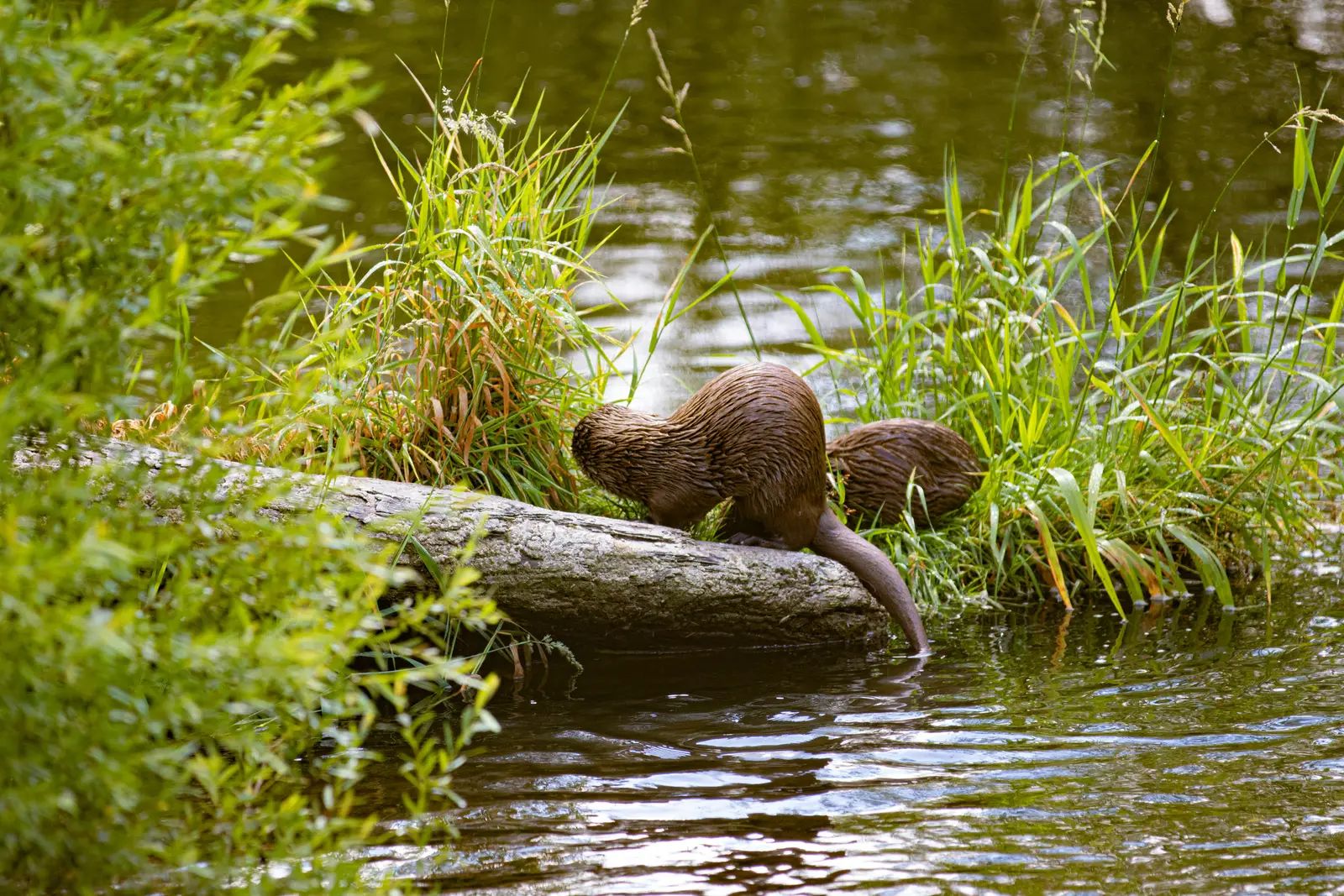
Beneath a tangle of highway in the Malaysian capital, a family of otters rolls around in a patch of riverside sand, entertaining the few passersby who notice them. The scene is striking because the stretch of water they use, the Klang River, was once one of the world’s dirtiest waterways. Its recovery is now drawing attention from wildlife watchers and city residents alike. ([1])
Sightings in the middle of the city
Small groups of otters are now being seen regularly in parts of Kuala Lumpur, including along the Klang just south of the city center. The animals are smooth-coated otters, a species classed as vulnerable on the Red List of the IUCN, the global wildlife conservation authority. Their visibility has turned a riverbank under concrete into an unexpected stage for wildlife.
Most of the people who see them are not expecting to. A passing glimpse of an otter sliding along the water or lounging on the sand can be enough to stop someone in their tracks, which is part of why the sightings have gained so much attention.
Had they returned, or never left?
Opinions differ on whether the otters have only recently moved back into the capital or have been living in the city for some time without being noticed. Woo Chee Yoong, from the Malaysia Otter Network, is one of the people who has been scanning the river with binoculars to spot them along the Klang.
Malaysian wildlife ecologist Woo Chee Yoong has linked the animals’ presence to the river’s improving condition. Under Malaysia’s rankings, the Klang was once rated Class 5, severely polluted, the worst possible grade. Years of work raised it to Class 3, moderately polluted, which he said seems to have encouraged the otters to move in.
The sightings have also raised the possibility that the cleanup is paying off. Even so, the explanation is not settled, and the evidence so far points in several directions.
A recovering river that still carries litter
The Klang’s progress is real, but it is measured. Moving from the worst rating to a moderate one marks a significant change, yet it does not describe a clean waterway. Otters have been seen playing beside plastic waste caught along the river, a reminder that pollution has not disappeared from the banks.
Related Stories From Travelbinger



Several questions will shape how the story develops:
- Whether the otters remain in the same stretches of the river over the coming months.
- Whether the Klang’s water quality continues to improve beyond its current Class 3 rating.
- How residents and visitors respond to animals that share space with busy roads and litter.
For now, the otters offer a rare image of wildlife thriving in the heart of a major city. Whether they settle there for good, and what their return says about the Klang, remains for the years ahead to show.