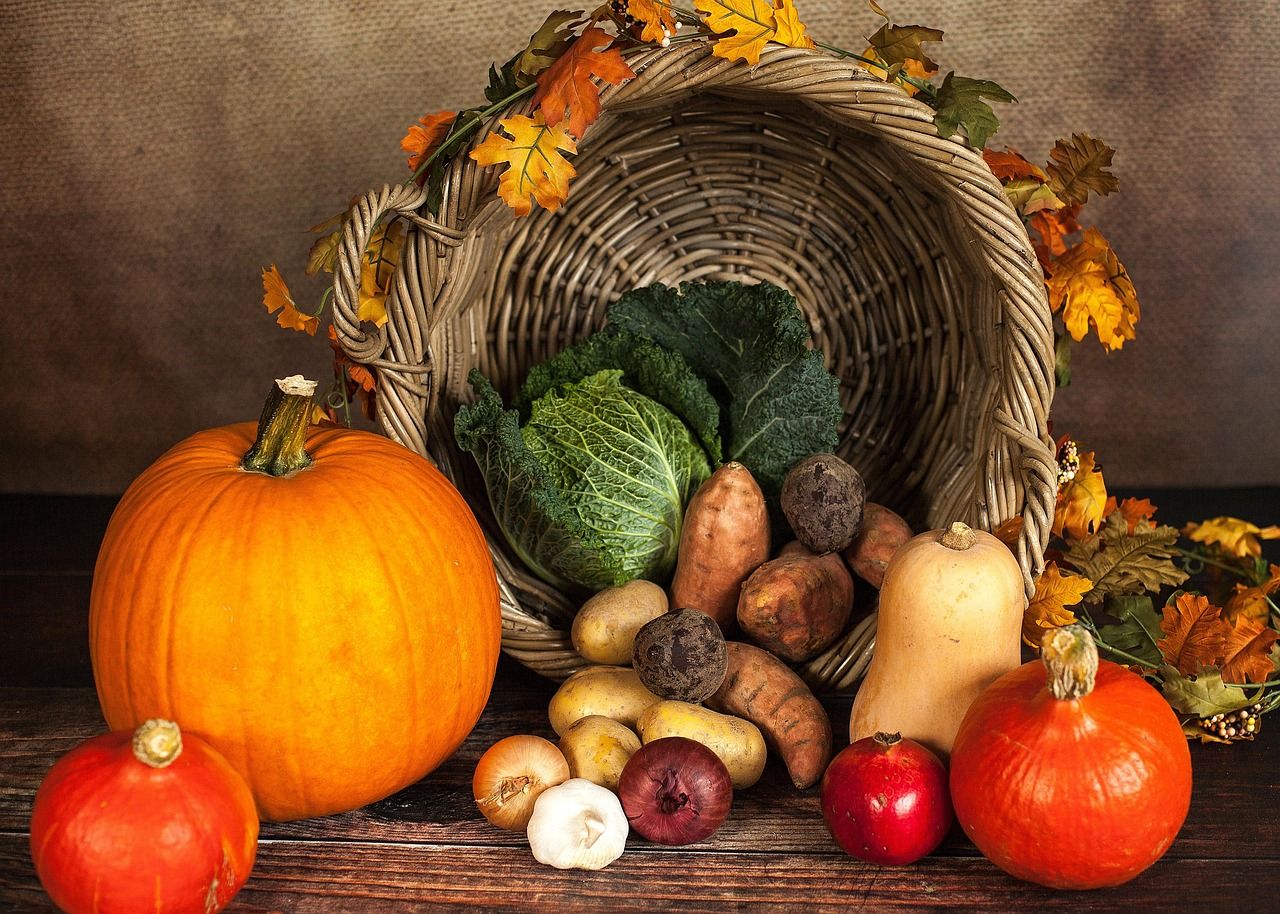
Thanksgiving falls on Thursday, Nov. 26, and many households will spend the day cooking rich, seasoned dishes that pets find hard to resist. The biggest risks are not always the obvious ones. Veterinary guidance on holiday foods ([1]) points to a short list of common ingredients that can cause real harm to dogs and cats, often hidden inside side dishes and desserts.
The hazards hiding in familiar dishes
Side dishes and sauces tend to cause more trouble than the turkey itself. Stuffing can combine onions, garlic, raisins and fatty drippings in a single spoonful, and once the ingredients are mixed, they are difficult to pick out. Green bean casserole and gravy often contain onion or garlic as well, which can damage red blood cells and lead to anemia. Signs may take a while to appear.
Fat is another quiet concern. Turkey skin, pan drippings, butter and gravy can be hard for pets to digest, and they may trigger pancreatitis. Vomiting, diarrhea, loss of appetite and belly pain are typical warning signs, and in some cases the condition can be fatal.
Leftovers and cooking supplies deserve the same attention. Cooked poultry bones can splinter, while twine, skewers, corn cobs and foil can become stuck in the stomach or intestines. Chocolate in desserts is toxic to both dogs and cats, and darker varieties carry greater risk. Raw bread dough containing yeast is a separate worry, since it can keep expanding in a pet’s stomach and produce alcohol. Baked rolls pose a far smaller problem.
Why dogs and cats face different risks
Some hazards affect both species, while others depend heavily on the animal. Grapes, raisins and currants are linked to kidney injury in dogs. The sources summarized in the original guidance do not show the same kidney evidence in cats, although cat-specific advice still recommends keeping these foods away from them. Xylitol, a sugar substitute found in some gum, candy and peanut butters, is a serious poisoning risk for dogs, potentially causing a dangerous drop in blood sugar and liver damage.
The picture is less clear for cats. The ASPCA says xylitol does not cause serious problems in cats, and Pet Poison Helpline reports no documented cases, yet other veterinary groups still advise keeping it away from all pets. The table below sums up the main concerns and the caveats attached to each.
| Hazard | Main concern | Caveat |
|---|---|---|
| Onions, garlic, leeks, chives | Red blood cell damage and anemia | Cats are more susceptible, though dogs are also at risk |
| Grapes, raisins, currants | Kidney injury in dogs | Cat kidney evidence is weaker, but avoidance is still advised |
| Xylitol | Dangerous blood sugar drop and liver damage in dogs | No serious problems reported in cats, though caution is still recommended |
| True lilies and daylilies | Kidney failure in cats | Even a small bite or a lick of pollen can be harmful |
Safer options to offer instead
Veterinary sources generally agree that a few plain foods are acceptable in small portions, as long as they contain no skin, bones, butter, gravy, onion, garlic or seasoning. Good options include:
- Plain, fully cooked, skinless and boneless turkey, served in small amounts
- Plain pumpkin, not pie filling
- Cooked sweet potato with no butter, sugar or spices
- Plain green beans or carrots
- Your pet’s regular treats
Portion size matters, particularly for cats. PetMD advises keeping treats to no more than 10 percent of a cat’s daily food. Pet Poison Helpline notes that every animal is different, so checking with a veterinarian before introducing new people food is a sensible step, especially for pets with existing health conditions.
What to do if a pet eats something it should not
Act promptly, even if the animal appears normal. Some reactions, such as those linked to onions and garlic, can be delayed, so waiting for obvious symptoms is not a reliable approach. If a pet is collapsing, having a seizure or struggling to breathe, go to the nearest veterinary emergency clinic right away and call poison control while on the way. In other cases, contact a veterinarian or local emergency clinic without delay.
Keep the packaging or recipe on hand, and note roughly how much the pet ate and when. Do not try to induce vomiting unless a veterinarian or poison control professional instructs you to do so.
Related Stories From Travelbinger


Pet poison hotlines, both open 24 hours a day:
- ASPCA Animal Poison Control: (888) 426-4435
- Pet Poison Helpline: (855) 764-7661
Fees may apply to either service.
Holiday meals often involve last-minute plates, visiting relatives and a few open bags on the counter, and that is where many pet emergencies begin. Bagging scraps, keeping the trash sealed, closing the door on bags and medications, and handing a pet a small piece of plain turkey instead of stuffing can prevent most problems. Some questions about cats, particularly around grapes and xylitol, remain less settled than they are for dogs. For that reason, a quick call to a veterinarian is the wisest step whenever there is doubt.